
How Expensive Is Iceland? (+ Real Prices & Money-Saving Tips)
This site contains affiliate links, which means that we may earn a small commission, at no cost to you, for qualifying purchases. It supports the work that goes into keeping this content free. Thanks for reading! More info: Privacy Policy.
Planning a trip and wondering how expensive Iceland really is? In this guide, you’ll see what you can expect to pay for hotels, car rental, food, tours, petrol, and everyday expenses — with real price examples in ISK (and USD equivalents) to help you plan your budget.
We’ve visited Iceland multiple times in different seasons, and one thing is always true: Iceland is expensive to visit. That said, how expensive your trip will be depends a lot on when you travel, how you get around, how often you eat out, and how many paid activities and tours you include.
Below, you’ll find up-to-date Iceland prices, practical budgeting tips, and clear examples of what things cost, so you can estimate how much money you need for your trip and avoid unpleasant surprises.
Disclaimer: Iceland prices in this guide are correct at the time of the last update. Exchange rates are shown for reference only and may vary — please check the current ISK to USD rate before your trip.
Iceland Money FAQ
Before we continue with some real-life examples of how much everything costs in Iceland, here are some practical tips and answers to the most common questions about money and budgeting for a trip to Iceland.
The official currency in Iceland is the Icelandic króna (ISK). Exchange rates fluctuate, but at the time of the latest update, 1,000 ISK is roughly 8 USD. Always check the current rate before your trip.
No. Icelandic króna (ISK) is the only official currency accepted in Iceland. Credit and debit cards are widely accepted everywhere. Some travelers use euros or dollars to tip tour guides.
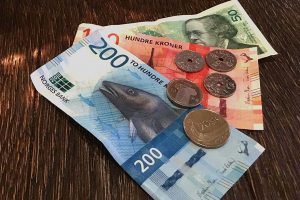
No, you generally don’t need cash in Iceland. You can pay almost everywhere by debit or credit card (or your smartphone), including small cafés, petrol stations, public parking, and even some public bathrooms. Iceland is largely a cashless society, and many locals don’t carry cash at all.
Iceland has a reputation for being very expensive, and it is not a budget destination. However, prices are often comparable to Western Europe and major U.S. cities. Many travelers are surprised that some everyday costs — such as fuel or supermarket food — are similar to what they pay at home. Accommodation, car rental, restaurant meals, alcohol, and organized tours are usually the biggest expenses.
Tipping is not customary in Iceland because service charges are included in prices. If you receive exceptional service at a restaurant or on a tour, rounding up the bill or leaving a small tip is appreciated, but it is not expected.
Some places accept American Express, but Visa and MasterCard are much more widely accepted. If possible, bring a Visa or MasterCard to avoid payment issues, especially outside Reykjavik.
It’s highly recommended. While many staffed locations accept standard credit cards, unmanned petrol stations require a card with a 4-digit PIN. If your card doesn’t have one, you can buy a prepaid fuel card at a larger petrol station and use it at stations from the same company throughout your trip.

Free Things to Do in Iceland
Before we continue with price examples of what food and other things cost in Iceland, it’s important to know that many of the best things to do in Iceland don’t cost anything at all.
- Most natural landmarks are free to visit. There are no general national park entrance fees in Iceland.
- Some natural hot pots are free to use, but those are usually located in remote areas, have no facilities, and may require a hike.
- There are also free attractions in towns and cities. For example, in Reykjavík you can visit Harpa Music Hall, Hallgrímskirkja Church (ground level), the Sun Voyager sculpture, or walk out to Grótta Lighthouse. For more info, see our guide to the best things to do in Reykjavik.
- Drinking water is free everywhere. Tap water in Iceland is safe and very good, so bring a reusable water bottle. You can also ask for tap water at restaurants and it’s usually free.
- There are no toll roads in Iceland. The only exception is the Vaðlaheiðargöng Tunnel near Akureyri, which has a fee. You can avoid it by driving the mountain road instead (in summer this usually adds about 10–15 minutes).
- Bathroom facilities at most petrol stations and many major landmarks are free. However, small fees are becoming more common in the busiest tourist areas.
LEARN MORE: Top Places to Visit in Iceland
Car Rental Costs
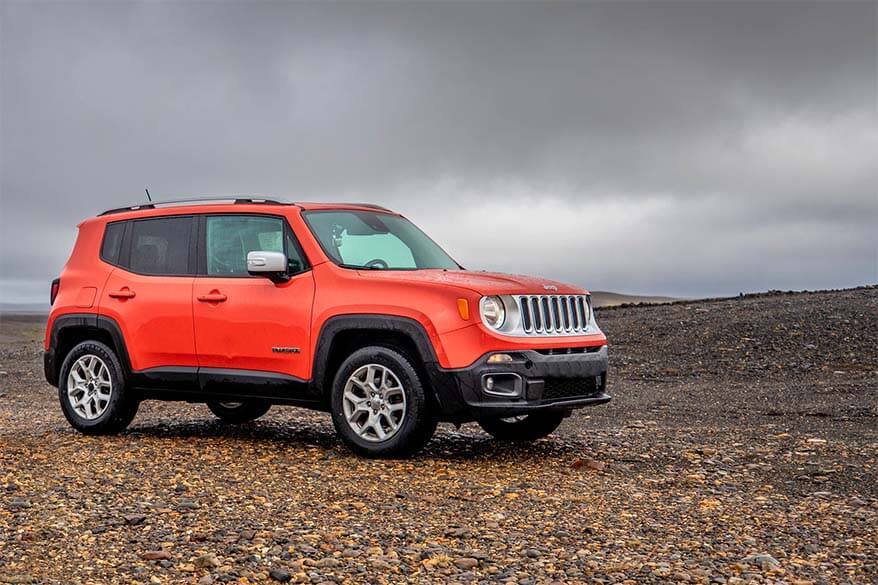
Car rental prices in Iceland vary a lot depending on the type of vehicle, the season, and how far in advance you book.
To give you a realistic idea, I checked several sample dates (base rates booked months in advance, without additional insurance).
Here’s what you can expect to pay per week:
- A small economy car in the low season starts from about 200 USD per week. In the shoulder season, the same car can cost 400 USD per week and in the peak summer season, 800 USD and more.
- A small 4WD (such as a Dacia Duster or similar) costs about 400 USD in the low season and over 1,000 USD per week in summer.
- Larger estate cars or mid-size SUVs suitable for 4–5 people with luggage usually start from about 450 USD per week in low season and often exceed 1,200 USD in high season.
Keep in mind that these are base prices. Additional insurance, extra drivers, gravel protection, or roadside assistance packages can significantly increase the final cost.
TIP: Always compare providers and check what’s included. See our money-saving car rental tips below.
How to save money when renting a car in Iceland:
- Book well in advance. The earlier you book, the more choice you have and the lower the prices tend to be. Booking online also makes it easy to compare different providers and see what’s included. We always use and recommend this website for car rentals worldwide, including Iceland. Consider taking a full insurance via them too — it’s a lot cheaper than adding it at the counter.
- Pick up your car at Keflavík Airport. This saves you the cost of airport transfers to Reykjavik. Since most trips involve driving around the country anyway, it usually makes sense to rent the car for your entire stay.
- You don’t always need an expensive 4WD. If you’re driving the Ring Road in summer and sticking to main paved roads, a regular car is usually sufficient. An SUV offers more comfort and ground clearance, but it’s not mandatory for standard routes in good weather.
Good to know: If you plan to drive in the Icelandic highlands (F-roads) or visit in winter, a 4WD is strongly recommended.
No matter which car you rent, winter driving in Iceland requires caution and experience. Weather and road conditions can change quickly. A 4WD can help in snow, but it does not guarantee safety — choose the right vehicle for your itinerary and drive carefully. See our tips for driving in Iceland in winter if visiting between October and April.
READ ALSO: Iceland Itinerary for a Self-Drive Trip
Petrol Prices
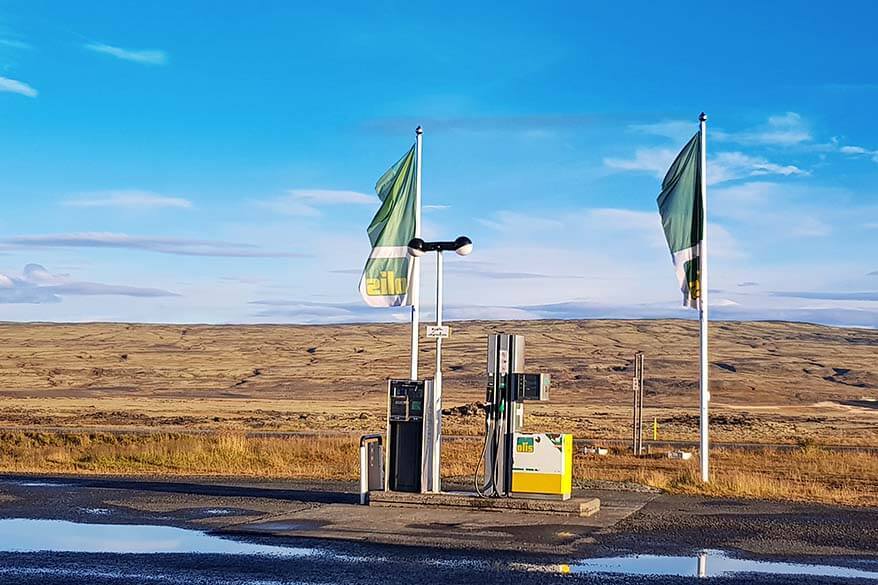
At the time of the last update, average petrol prices in Iceland are around 200 ISK per liter (about 1.60 USD per liter, or roughly 800 ISK / 6.50 USD per gallon). In Reykjavik and other populated areas you’ll often find prices closer to the lower end of that range, while more remote locations can be slightly higher.
Fuel prices in Iceland are generally comparable to those in Western Europe and in remote areas of the United States.
Parking Costs
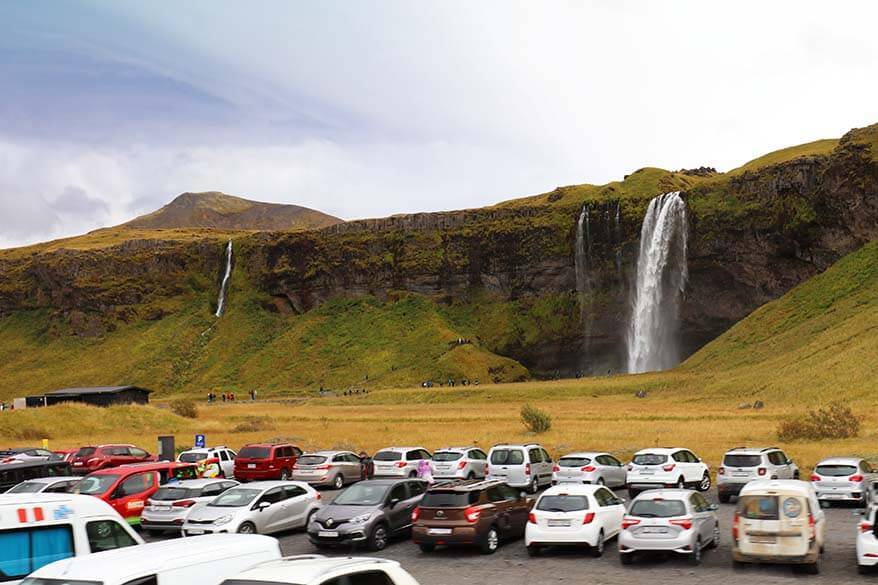
Car parking used to be free almost everywhere in Iceland, but that’s no longer the case, especially at popular tourist sites.
Many natural landmarks still offer free parking, but more and more popular locations now charge a small fee. For example, parking at Seljalandsfoss Waterfall costs 1,000 ISK (about 8 USD) per car. Similar fees apply at some waterfalls, hiking areas, and viewpoints along the South Coast and the Golden Circle.
In Reykjavik, parking prices depend on the zone. The city center (P1 zone) is the most expensive and currently costs around 630 ISK per hour (about 5 USD). In the outer zones, rates are lower, and in residential areas outside the center, parking is often free.
In busy areas, payment is usually required during working hours, while evenings and Sundays are often cheaper or free, but always check the local signage.
TIP: Download the Parka app to pay for parking quickly. EasyPark works best around Reykjavik, but you can’t rely on it all over the country.
Public Transport
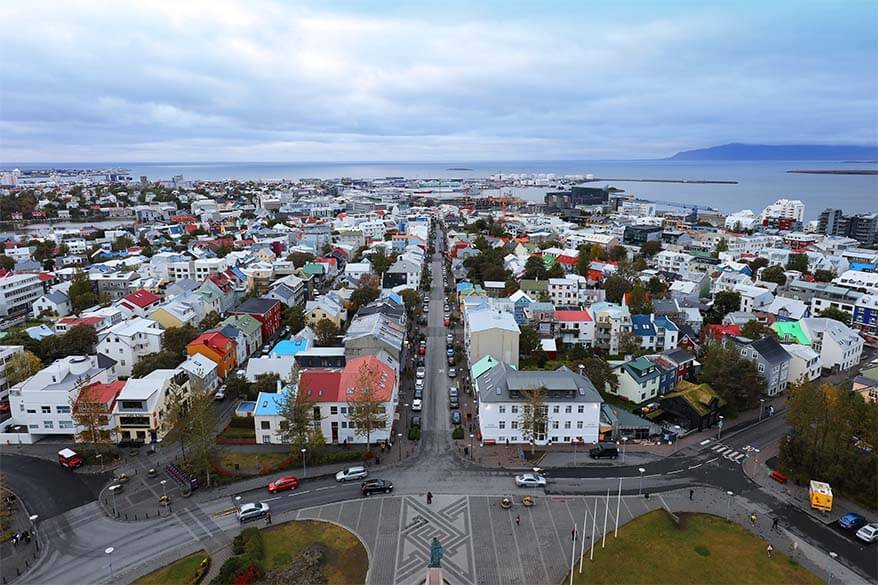
Public transport is generally not the best way to get around Iceland, especially if you want to see natural landmarks outside the main towns.
Reykjavik has a good city bus network operated by Strætó. A regular single fare within the city currently costs around 690 ISK (about 5-6 USD). Bus 55, which connects Keflavík Airport to Reykjavik, costs about 2,400 ISK (around 19-20 USD) one way. However, for most travelers, it’s usually easier and faster to take this shuttle bus — and the price difference is not that big.
There are also bus connections between major towns across the country, but public transport does not reach many waterfalls, hiking areas, and other popular natural attractions. For that reason, it’s not the most practical option for sightseeing beyond Reykjavik.
You can find up-to-date routes, schedules, and fares on the official Strætó website.
Taxi & Airport Transfers
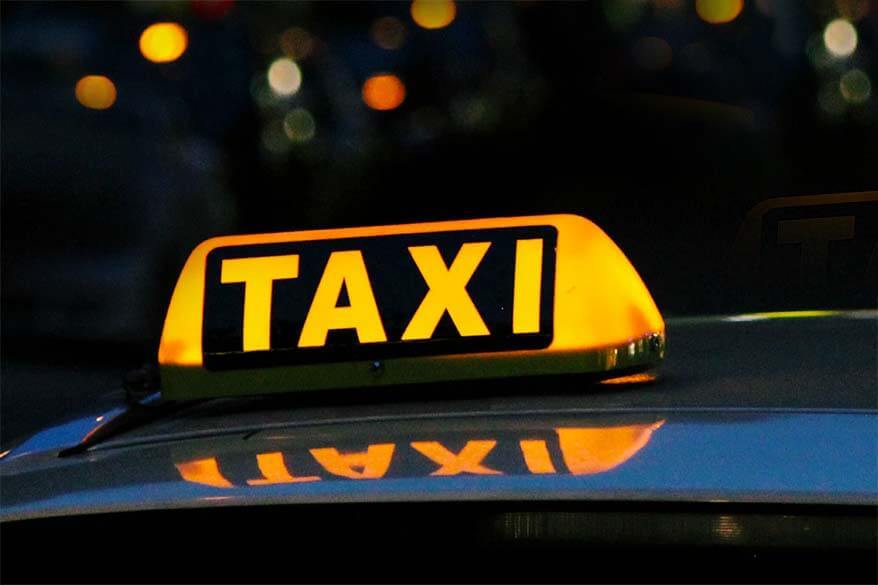
Taxis in Iceland are convenient but not cheap. In Reykjavik, even a short ride can cost around 2,500–3,000 ISK (about 18–22 USD) for just a few minutes. Longer rides add up quickly. A taxi from Keflavík Airport to Reykjavik (about 45 minutes) can cost roughly 28,000–35,000 ISK (around 200–250 USD), depending on traffic and time of day.
Whether this feels expensive depends on what you compare it with and how many people you’re sharing the cost with. For families or small groups, the per-person cost becomes more reasonable.
TIP: It’s usually cheaper to book a private airport transfer online in advance rather than simply taking a taxi at the rank. Plus, you know the exact cost beforehand.
If you’re looking for the most budget-friendly option, shuttle buses between Keflavík Airport and Reykjavik typically cost around 4,000–4,500 ISK (about 28–35 USD) per person. Private transfers usually start from about 21,000–28,000 ISK (150–200 USD) per vehicle (up to 4 passengers), but they must be booked in advance. For more information, please see our detailed guide via the link below.
READ ALSO: Reykjavik Airport Transfers
Hotel Prices
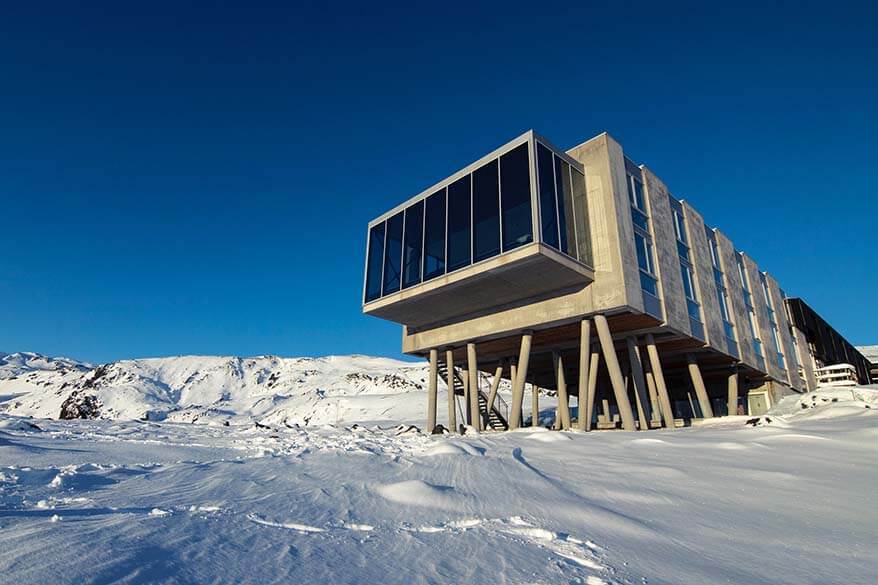
Accommodation prices in Iceland vary significantly depending on location and season. Here are a few real examples to give you an idea:
- A double room at a very nice Fosshotel near Jokulsarlon Glacier Lagoon typically costs around 220–250 USD in low season, but the same room can cost 600–700 USD in July or August.
- A double room at Fosshotel Reykjavik usually costs about 250–300 USD in low season and 500–550 USD in the summer.
In the low season, you should budget at least 200 USD per night for a double room in a mid-range hotel in rural Iceland. In Reykjavik and other popular areas, expect to pay 250–300 USD per night or more. During the high season, prices can easily double.
There are also luxury hotels that cost significantly more, as well as guesthouses and budget options that can be cheaper, especially outside the summer months.
For more detailed recommendations and up-to-date price examples, see our Iceland accommodation guide and our Reykjavik hotel guide.
TIP: Some hotels in Iceland include breakfast in the room rate. Always double-check what’s included when comparing prices — it can save you a noticeable amount. See below for more money saving tips.
How to save money on accommodation in Iceland:
- Book well in advance. The earlier you book, the more choice you have and the better the rates. As soon as you know your travel dates, reserve your accommodation — especially if you’re visiting between June and August.
- Compare options carefully. We book almost all our stays on Booking.com because it’s easy to compare hotels, B&Bs, apartments, and cottages in one place. You can quickly see what’s included, check cancellation policies, and read verified guest reviews.
- Travel in the low season. As you saw in the price examples above, hotel rates in Iceland can easily double in summer. Visiting in late fall, winter, or early spring can significantly reduce your accommodation costs.
- Choose rooms with breakfast included. Breakfast in Iceland is expensive. If it’s included in your room rate, it’s usually much cheaper than paying for it separately.
- Consider self-catering accommodation. Apartments, guesthouses, cottages, or cabins with a kitchen can help you save not only on accommodation, but also on food. Cooking some of your meals instead of dining out every day can make a big difference. While Airbnb is an option, rural Iceland often has more choices on Booking.com. To find places with a kitchen, enter your dates, choose Iceland as your destination, and filter by “kitchen/kitchenette.” Using the map view makes it easy to see what’s available in each area.
- Watch for hidden fees. If renting from private owners, always check for cleaning fees, linen charges, or extra costs for Wi-Fi. For short stays, these additional fees can make an apartment just as expensive as a hotel.
TIP: Use the interactive map below to compare accommodation prices across Iceland. Enter your travel dates and preferred location to see what’s available and get a realistic idea of current rates.
Camping Costs
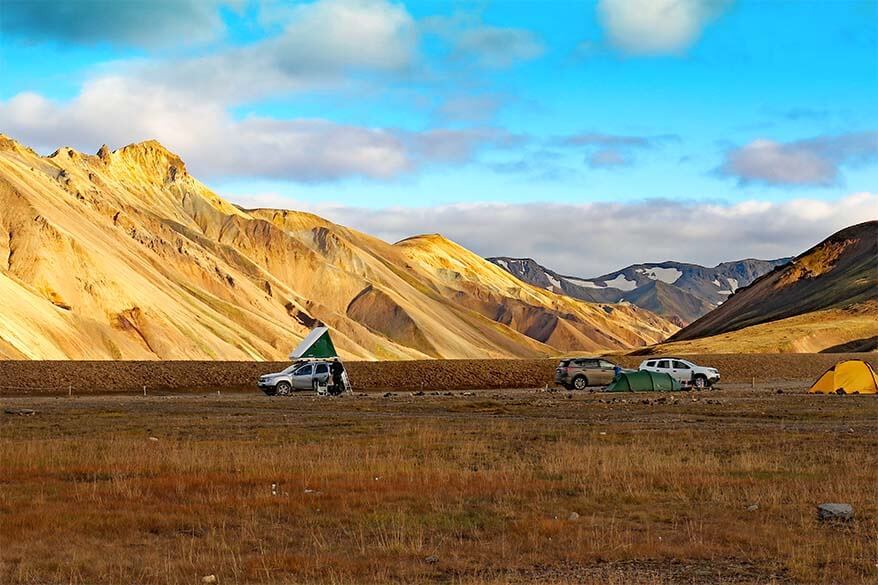
Camping can be one of the more affordable ways to travel around Iceland, but costs still vary quite a bit depending on the season and how you choose to camp — with a tent, a small campervan, or a larger motorhome.
Campervan rental prices fluctuate significantly throughout the year. In the low season, you can sometimes find a very small campervan from about 12,000–18,000 ISK per day (85–130 USD). In summer, prices typically start around 25,000–35,000 ISK per day (180–250 USD) for the smallest vans and can easily reach 50,000–80,000 ISK per day (350–575 USD) for a larger motorhome or a 4×4 camper suitable for F-roads.
Campsite fees are usually charged per person, per night. Expect to pay around 2,000–3,000 ISK per adult (15–22 USD) at most campsites. Electricity for campervans is often an additional 1,000–1,500 ISK (7–11 USD). Children are sometimes discounted or free, depending on the campsite.
If you plan to camp for an extended period, you can consider the Iceland Camping Card. It costs around 27,000 ISK (190–200 USD) and covers up to 2 adults and up to 4 children at participating campsites for up to 28 nights. However, it only applies to specific sites and usually does not include electricity.
Good to know: Wild camping with a campervan or motorhome is not allowed in Iceland. You must stay at designated campsites.
LEARN MORE: Camping in Iceland
Attractions & Geothermal Pools
Most natural attractions in Iceland are free. Waterfalls, geothermal areas, hiking trails, and national parks do not charge entrance fees. For paid attractions, here’s what you can expect:
- Museums typically cost 2,500–3,500 ISK (18–25 USD) per adult.
- Geothermal spas such as Blue Lagoon or Sky Lagoon usually start from 110–120 USD and increase depending on package and season.
- Regional baths like Mývatn Nature Baths or Forest Lagoon in Akureyri are usually cheaper (60–90 USD).
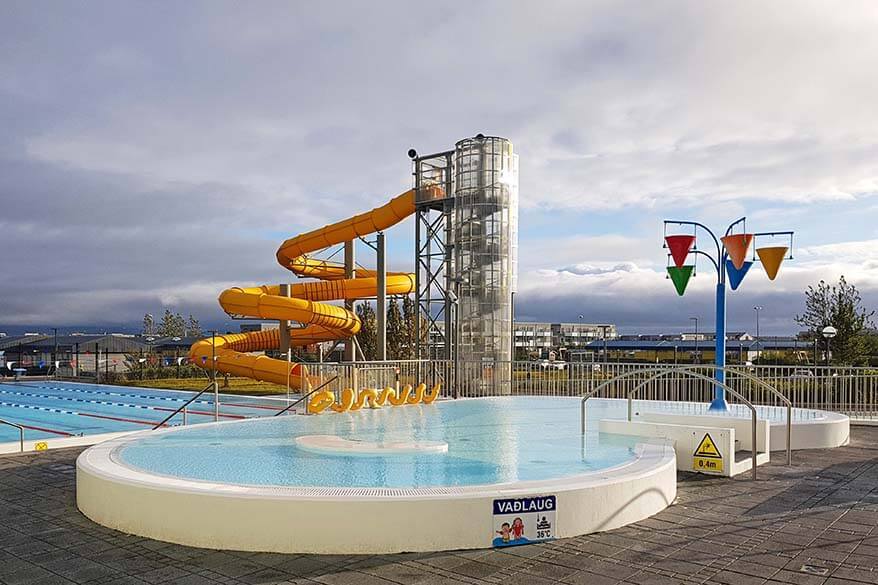
- Local community swimming pools cost around 1,200–1,800 ISK (8–13 USD) and are much more affordable.
Children are often free or heavily discounted, and many attractions offer family tickets.
How to save money on activities in Iceland:
- Visit free attractions. Most waterfalls, scenic viewpoints, hiking trails, and geothermal areas are completely free.
- Spend more time outdoors. Many of the most impressive places in Iceland don’t require tickets. Scenic drives, short hikes, waterfalls, and natural landmarks are often the highlight of the trip.
- Choose local swimming pools instead of premium spas. Community pools are much cheaper and usually less crowded than places like Blue Lagoon or Sky Lagoon. They offer hot tubs, steam rooms, children’s pools, and often water slides for a fraction of the price.
Organized Tours
Tour prices in Iceland vary widely depending on the type of activity, duration, and group size.
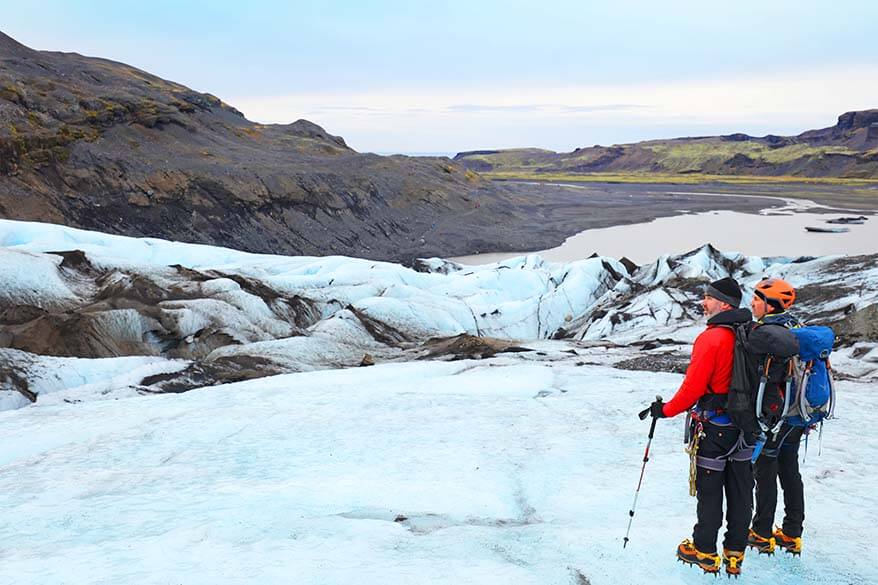
In general, most organized day tours cost around 18,000–35,000 ISK (130–250 USD) per person. Shorter sightseeing tours (such as Golden Circle or South Coast day trips) are usually at the lower end of that range. More specialized activities — including glacier hikes, ice cave tours, whale watching, snowmobiling, or super jeep excursions — often cost 20,000–40,000+ ISK (150–300+ USD) per person.
Some experiences can be done independently or with a guide. For example, you can try to see the Northern Lights on your own if you are staying outside the city or have a rental car. However, certain activities — such as glacier hiking, ice caving, whale watching, and most highland or lava cave tours — require a certified guide and cannot be done independently.
TIP: Book tours in advance, especially if you’re traveling between June and August. This allows you to compare options, read reviews, and secure better cancellation terms instead of booking last-minute through your hotel. Popular tours often sell out weeks in advance, and early booking gives you more flexibility if your plans change.
For our own trips, we book most of our organized tours via GetYourGuide. We like being able to compare different options in one place, read verified customer reviews, and see clear cancellation terms before booking. It also makes it easier to manage reservations in one account if you’re booking multiple activities.
Of course, you can also book directly with local operators. Just make sure to check cancellation policies carefully, as they can vary. Flexible booking terms can be especially helpful in Iceland, where weather sometimes affects plans.
You can find our hand-picked Iceland tours for all seasons, the best winter tours in Iceland, and some excellent half-day tours from Reykjavik in our detailed guides.
Restaurant Prices
Restaurant prices in Iceland are high, and costs add up quickly, especially in popular areas.
As a general rule, you’ll be lucky to find a burger or a pizza for under 3,500–4,000 ISK (25–30 USD). Most main courses at dinner typically cost 5,500–7,500 ISK (40–55 USD) per person. In mid-range restaurants in Reykjavik, a three-course dinner can easily reach 20,000–28,000 ISK (150–200 USD) per person, depending on what you order.
Some hotels offer set dinner menus starting at around 6,500–8,000 ISK (45–60 USD), but prices vary depending on location and season.
We also noticed significant regional differences. Restaurants in Reykjavik, along the Golden Circle, and on the South Coast tend to be more expensive than those in less visited areas such as northern or eastern Iceland. For example, in the north of Iceland, we were sometimes able to have a simple dinner for our family of five for under 15,000–18,000 ISK (110–130 USD). In the south, a similar meal would often cost at least 50% more.
Keep in mind that alcohol significantly increases the final bill.
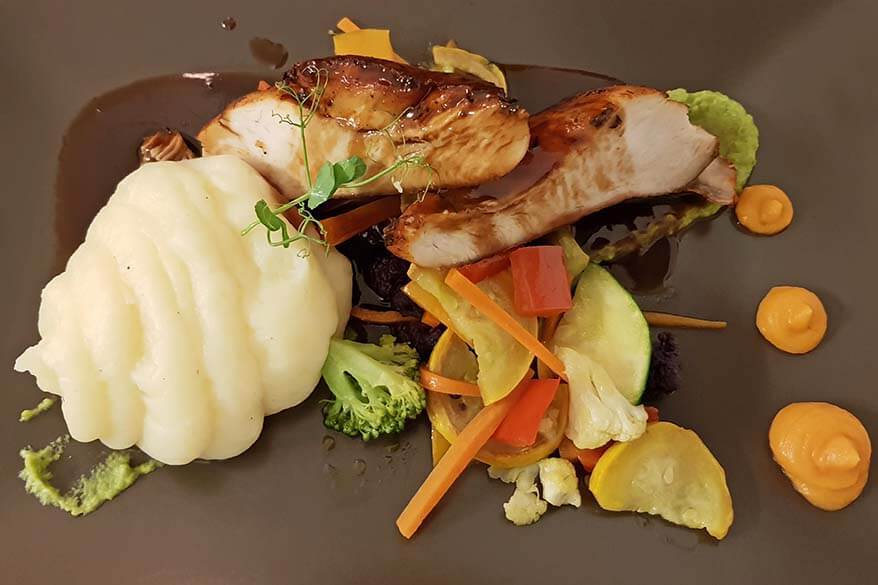
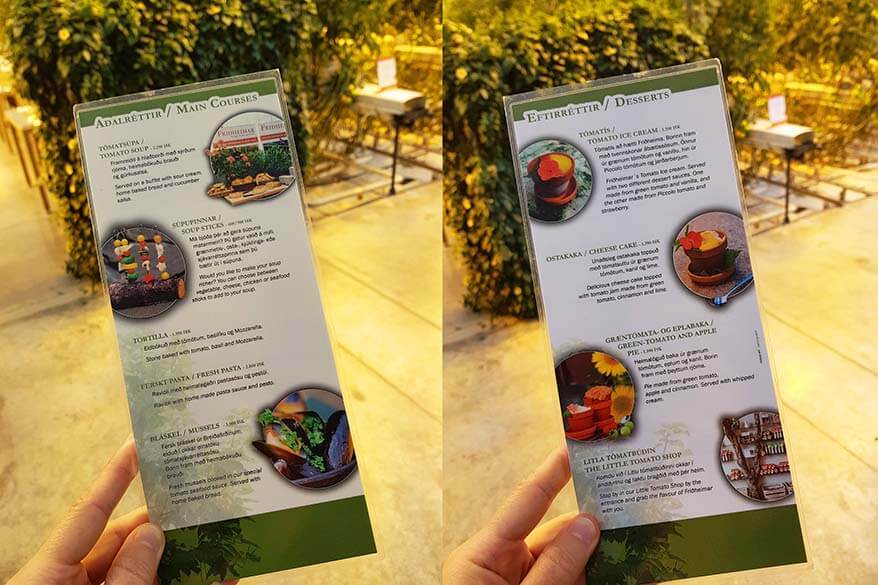
Here are typical restaurant prices you can expect in Iceland. Keep in mind that prices vary depending on location, season, and how touristy the area is. These examples reflect casual, non-fine-dining restaurants.
- Hamburger: 3,000–4,500 ISK (22–33 USD)
- Small plates or appetizers: 2,000–3,500 ISK (15–26 USD)
- Pasta or pizza: 3,000–4,800 ISK (22–35 USD)
- Fish or meat main course: 5,500–8,500 ISK (40–63 USD)
- Dessert: 1,500–2,800 ISK (11–21 USD)
- Children’s meal (where available): 2,000–3,000 ISK (15–22 USD)
In popular areas like Reykjavik, the Golden Circle, or along the South Coast, prices are usually at the higher end of these ranges.
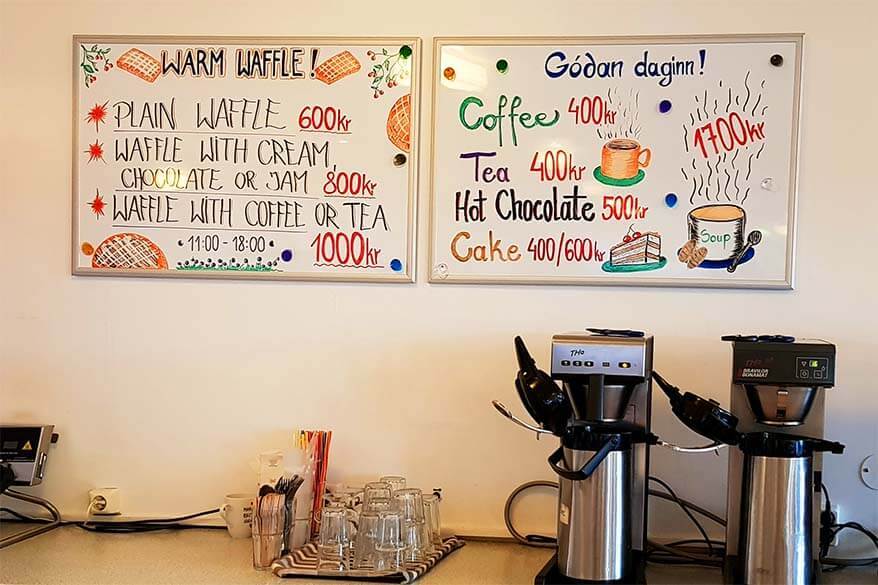
Here are typical drink prices you can expect at restaurants and cafés in Iceland. Prices vary by location and are usually higher in central Reykjavik and popular tourist areas.
- Tap water: Free (and perfectly safe to drink)
- Tea or regular coffee: 500–700 ISK (4–6 USD)
- Cappuccino, latte, or similar: 700–1,000 ISK (5–8 USD)
- Soft drinks or juice: 500–700 ISK (4–6 USD)
- Beer (0.5L): 1,400–2,000 ISK (10–15 USD)
- Glass of wine: 1,800–2,500 ISK (13–18 USD)
- Bottle of wine: from about 6,500 ISK (45–50 USD) and up
Alcohol is heavily taxed in Iceland, which significantly increases the final restaurant bill.
TIP: If you plan to buy alcohol, consider purchasing it at the duty-free shop at Keflavík Airport upon arrival. Prices there are significantly lower than in restaurants or local liquor stores (Vínbúðin), and this is one of the easiest ways to save money if you’d like a drink during your trip.
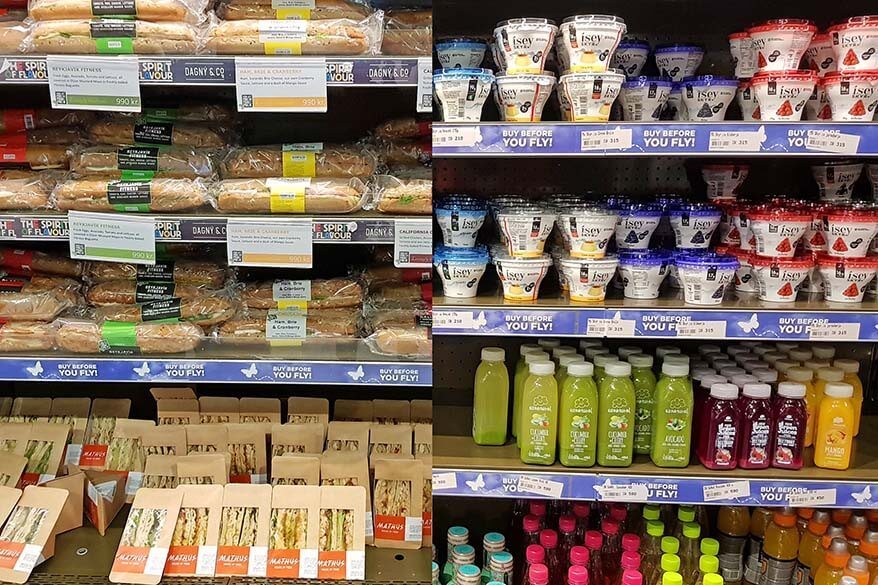
Supermarket Prices
Buying food at supermarkets in Iceland can save you a significant amount of money compared to eating out. Below are some typical prices you can expect at grocery stores and petrol stations. Most examples are simple snacks and basic items, but they give you a realistic idea of current costs.
Typical supermarket prices in Iceland:
- Hot dog: 500–800 ISK (4–6 USD)
- Sandwich: around 990–1,200 ISK (7–9 USD)
- Bananas (1 kg / 2.2 lbs): around 350–450 ISK (3–4 USD)
- Apples (pack of 6): around 700–900 ISK (5–7 USD)
- Small Skyr (Icelandic yogurt): 250–350 ISK (2–3 USD)
- Small pack of cheese: 900–1,200 ISK (7–9 USD)
- Small bag of cookies: 600–800 ISK (4–6 USD)
- Sliced dark bread: 800–1,100 ISK (6–8 USD)
- Small pack of sliced meat: 700–1,000 ISK (5–8 USD)
- Orange juice (1 liter): around 400–600 ISK (3–5 USD)
- Small bottle of water or soda: 300–450 ISK (2–4 USD)
- Ready-to-eat salads or snacks: 1,200–2,500 ISK (9–18 USD)
Prices are usually lower at larger supermarket chains (such as Bónus or Krónan) and higher at smaller convenience stores and petrol stations.
How to save money on food in Iceland:
- Book accommodation with breakfast included. Breakfast in Iceland is expensive, so having it included in your room rate can save a noticeable amount.
- Buy groceries and have picnics. Supermarkets are much cheaper than restaurants, and picnic lunches save both money and time during busy sightseeing days.
- Use petrol stations for simple meals. Along the Ring Road, you’ll find hot dogs, soups, and sandwiches at fuel stations — usually more affordable than sit-down restaurants.
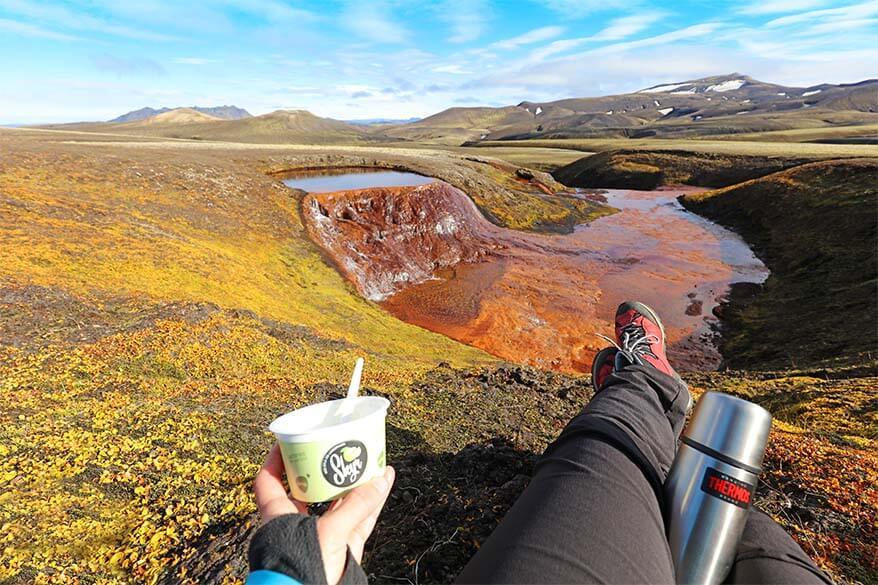
- Bring a thermos. Fill it with coffee or tea at your accommodation in the morning instead of buying drinks throughout the day.
- Carry a reusable water bottle. Tap water in Iceland is safe and free — there’s no need to buy bottled water.
- Cook when possible. If your accommodation has a kitchen, preparing some of your own meals can significantly reduce daily costs. In larger towns, takeaway can also be a cheaper alternative to dining in.
- Limit alcohol. Alcohol is heavily taxed in Iceland and can quickly increase your bill. If you’d like to have a drink, consider buying it at duty-free upon arrival instead of ordering it at restaurants.
Total Budget Per Week in Iceland
How much does a trip to Iceland cost? As you can see from the examples above, this is not an easy question to answer. It depends on when you travel, what kind of car you rent, which accommodations you choose, and how often you dine out. Traveling as a group is much cheaper per person than traveling alone.
I would budget at least 2,300–2,500 USD per week per person, not including flights (assuming two people share a room and rental car).
If you travel in summer, stay in mid-range hotels, and eat out regularly, you’ll likely spend 2,800–3,200 USD per person per week.
If you choose higher-end hotels, visit several geothermal spas, and dine out every evening, your budget will likely be 3,200–3,800 USD or more per person per week.
The most reliable way to estimate your budget is to check current prices for accommodations, rental cars, and guided excursions for your travel dates. Then add around 100 USD per day per person for food, fuel, parking, and small extras. It won’t be exact, but it will give you a realistic starting point.
TIP: One of the easiest ways to control your budget is to join an organized multi-day tour. You know the total cost upfront and only need to budget separately for meals. In summer, a self-drive trip usually makes more sense because road conditions are straightforward. But if you’re traveling to Iceland in winter, a multi-day tour can save you a lot of stress and planning.
When comparing tours, always check what’s included. Accommodation choices and activities like glacier hiking or ice caving can significantly affect the total price, so two tours that look similar at first glance may offer very different value.
Shopping in Iceland
And finally, a question that often comes up when planning a trip to Iceland: shopping. Iceland is expensive and not a great place for bargain hunting, especially if you’re on a budget. If you need outdoor gear or specific clothing for your trip, it’s best to buy it before you arrive.
Souvenirs, local design items, and outdoor clothing brands are widely available, but prices are generally high compared to most European countries and the U.S.
For advice on what to wear, see our Iceland packing tips for summer (June-September) and our Iceland winter packing list (October-May).
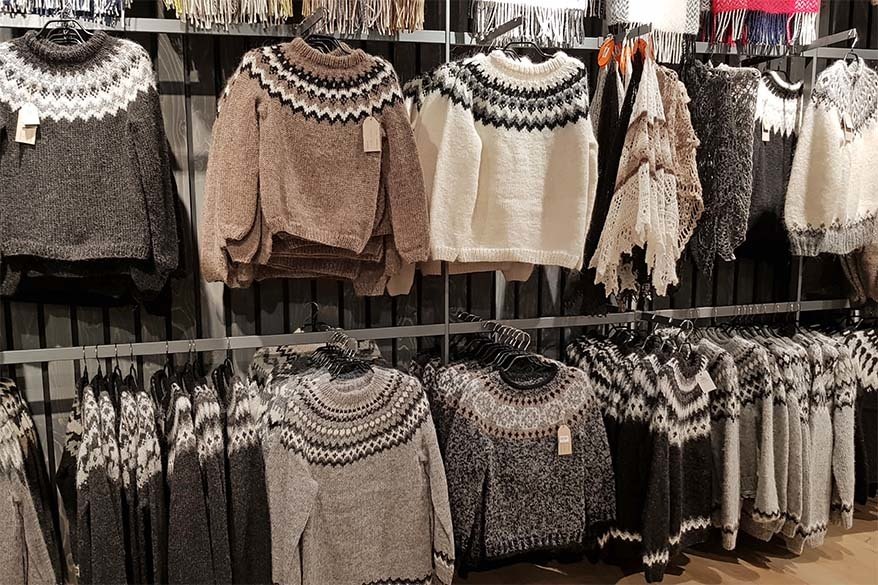
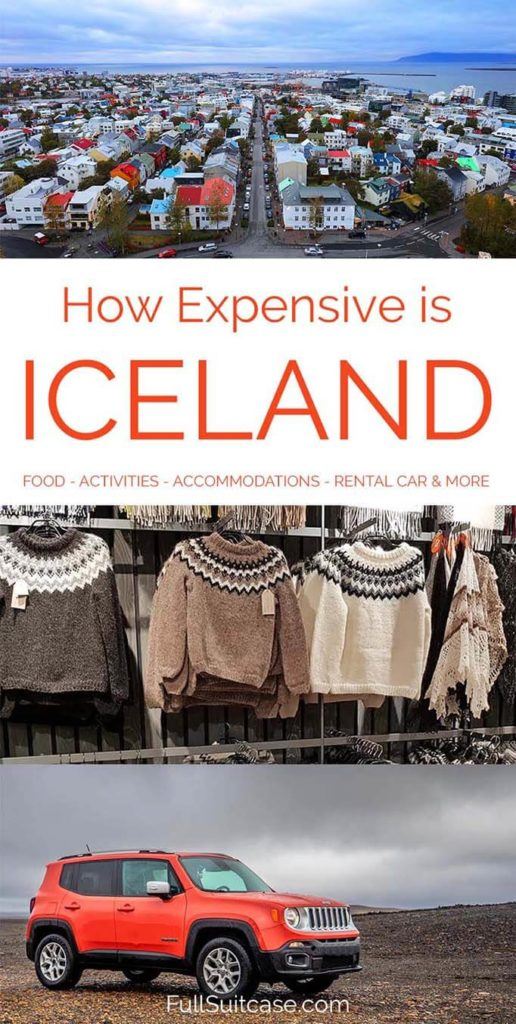
If you’re considering buying a traditional Icelandic wool sweater (lopapeysa), authentic hand-knitted sweaters typically cost around 220–350 USD or more, depending on the design and craftsmanship.
Keep in mind that many souvenir shops also sell mass-produced versions that are not hand-knitted in Iceland. If you’re looking for an authentic sweater, check the store of the Handknitting Association of Iceland in downtown Reykjavik. Farmers Market is another well-known Icelandic brand with stores in Reykjavik.
TIP: You can often find Icelandic-style wool sweaters online for less than you’d pay in Iceland. I’ve had good experiences with ICEWEAR. If you decide to buy a sweater, consider doing it before or at the beginning of your trip – you’ll likely get good use out of it right away.
Good to know: If you buy souvenirs or clothing in Iceland, ask for a Tax-Free receipt. You can claim VAT back at the airport when leaving the country (minimum purchase amount applies). Keep in mind that refunds can take several weeks or even months to process.

So there you have it — a realistic overview of prices in Iceland to help you plan your budget and know what to expect. If you have more questions, check our Iceland travel guide for detailed tips, itineraries, and practical advice.
READ ALSO: Top Travel Tips for Iceland
Planning a trip to Iceland, but are not sure where to start? Check out these itineraries:
- 4 days in Iceland
- 7 days in Iceland
- Iceland’s Ring Road in 10 days
- 10 days in Iceland (off the beaten path)
- Iceland itinerary suggestions for any trip
- 1 day in Reykjavik
Some of our favorite lesser-known places in Iceland:
- Haifoss Waterfall – amazing waterfall near the Golden Circle
- Siglufjordur – probably the most beautiful town in Iceland
- Hvitserkur – worth a detour when driving in northern Iceland
- Heimaey Island – an amazing day trip in the south
- Grafarkirkja, Road 76, and Hofsos Pool – hidden gems in the North
- Raudasandur Beach – red sand beach, unique in Iceland
Also the popular areas are full of hidden gems that most people never see. Here are some of our favorites with the detailed guides on what to see:
- Things to Do in Reykjavik
- Things to Do in Myvatn
- Things to Do in Snaefellsnes Peninsula
- Things to Do in Reykjanes Peninsula
- Things to Do in South Iceland
TIP: Did you find this guide helpful? Bookmark this post for later, share it with your friends, and save it to Pinterest to inspire your next trip.

I live in Iceland and my family is coming to visit from UK. This is the best and most update article I could find. All the prices and details are rwally helpfull. Thank you
Thank you for your feedback and glad to help!
Can you take a large suitcase for in the planes hold hall as it’s me and my grandaughters so was thinking of putting most of our stuff together and just taking back pack for under seats plz
Hi Angela, yes, you can always check-in large suitcases and just take hand-luggage with you on the plane. However, how many bags you can take, size, weight, etc. depends on the airline you’re flying with and the ticket conditions that you chose. So you have to check your ticket conditions and the website of the airline for more information on what you can take with you.
Also, most airlines allow you to buy additional hold luggage online before your trip, so if it’s not included in your ticket, you can always do that. Best to arrange this online in advance since it costs much more if you have to do it at the airport.
Hope this helps.
@Jurga, Thank you I’m not flying till Oct but wud I be best contacting the airline now to arrange one large suitcase or arrange it thru the tour operator that I booked with
Thank you
Hi Angela, you can arrange luggage through your airline booking. If you used a travel agency for that, yes, it’s best to contact them with any questions you have about your trip.
I may have missed this information in one of your responses. Can you let me know which supermarkets you recommend? I know there is one that’s open 24 hours a day that is very expensive.
We personally just go to the supermarket that is closest to our accommodation when we need to get something. If you are on a really tight budget, you may want to check BONUS supermarkets, but in general, the choice of a supermarket shouldn’t have such a huge influence on your overall travel budget.
Perfect. Thank you so much for your reply. I don’t have a tight budget but I don’t want to overspend on groceries if there are better options.
Question,
how much currency would you recommend an individual should bring with them for a 7 day trip. Breakfast and dinners are provided, accommodation and transportation is already paid for. So I would only need cash for lunch and some small souvenirs.
Hi Angela, as already mentioned in the article, unless you absolutely want to feel Icelandic money in your hands, you really don’t need cash in Iceland. Everything can be paid by card. It’s so much easier and you don’t have to worry about how much cash to take from an ATM or how to spend it all at the end of your trip.
Some people like to take some cash for tips for tour guides, but tipping isn’t that customary in Iceland, and if you tip in USD or Euro, the guides will probably be just as happy as with local currency.
@Jurga, I’m in Canada, would a Canadian credit card work or would I need to get a US Credit Card?
Of course, your Canadian credit cards should work. I wouldn’t see why not. The best credit cards to use in Iceland are VISA or MASTERCARD, so as long you have one of those, you should have no problems.
Ideally, your card has a chip with a 4-digit pin, but I hear from our American readers that they use cards without a chip as well. The only difficulty without a pin can be at the unmanned petrol stations.
If you are not sure about the cards that you have, it’s best to contact your bank and ask if they will work abroad. Some banks have to be notified in order to activate the cards, so it can never harm to double-check.
Great info and details. Thank you!
Glad you found this useful, Malik. Have a great time in Iceland!
Thank you!! It was really helpful! Can’t wait to visit Iceland
Glad you found this helpful, Yasmine. Hope you can make it happen soon!
Oops! One more question. I wanted to buy some Icelandic Sweaters – do you have any suggestions of reputable stores? And what is your thought about buying them online so I can have them when I am there. I don’t really like shopping, I would rather be sightseeing! Thanks again
The best place to buy the original handmade Icelandic sweaters is the store of The Handknitting Association of Iceland in the center of Reykjavik. That’s also where I got mine. It’s not cheap though. I also asked for tax-free papers and filed them at the airport. It took about 5 months to get about 30 EUR of taxes back. 🙂
BUT – the last time I was in Iceland, I saw fantastic Icelandic sweaters at the Icewear store in Reykjavik airport and they were about 20% cheaper than in the city. They say that they are handmade too and I really couldn’t tell the difference. They looked and felt just as good as the one I have and the ones I saw Icelanders wear.
I see that you can now buy Icewear Icelandic wool sweaters on Amazon, and the prices are very comparable. So if you want to get one before your trip, this would be the easiest way to do it! Indeed, it’s nice to just bring the right clothing with you and not have to plan time for shopping upon arrival, also because the nicest places in Iceland are natural wonders, far away from any shops.
Hello! Thank you for all of your useful information! We are planning a self drive tour – and I became very worried when you stated “one very user unfriendly local tour company.” We are planning on using a local tour company and I want to make sure I avoid “unfriendly and unhelpful” people. Can you give me a hint as to who to avoid? And if you don’t want to say – please email me! Thank you!
Hi Patricia, I prefer not to mention company names on my website, but it’s all over the internet and also has been mentioned in our Iceland and Scandinavia travel Facebook group a few times. Also, if you read the customer reviews on TripAdvisor, you’ll quickly realize if that’s the company I was talking about. Most of their recent reviews start with ‘no refund’, ‘unprofessional’, ‘liars’, and similar. If you don’t see that in the reviews, then it’s likely not that one :).
And yes, you’ll see many great reviews too because the tours they offer are very good. But it’s when things go wrong that you get to know who is worth your trust and who isn’t, and that’s why we recommend our readers booking their trips via GetYourGuide which has the best cancelation policy and unparalleled customer service. In the end, you get the same tour and you pay the same price. But you get that extra protection in case things go wrong that you never have when booking with a small company directly.
Hey Jurga, how you doing? Well, me and my brothers are planning on a trip to Iceland during early September, 2021. I read your article about “september. the best time to travel to iceland” however, i’m concerned about the climate change and expense during early September. As you mentioned 1500 USD’s per head for a week is expensive (dine out every eveing). More suggestions on places which are hidden, not often visited, about credit card uses and unpredictable climate during September??
-Amith Georgy
Hi Amith,
First things first – the weather is always unpredictable in Iceland. Even if you go in summer, you can have wintery days. September is, in principle, not winter yet and chances for snow are low. But it will be windy, it will rain, and if you’re lucky, you’ll have some sunny weather as well. You can never be sure that you’ll have fantastic weather in Iceland. It hardly ever happens.
As for the costs, so much depends on your choices. What kind of a car you rent, how many people will share the car and accommodation costs, how often you’ll eat at the restaurant and which restaurants will you choose. The most expensive in Iceland are organized tours. But all the natural attractions are free of charge, so you can see a lot, most actually, without having to pay any entrance fees or similar.
On our last trip to Iceland, we went with the whole family (2 adults and 3 kids). We were there for 11 days/ 10 nights and visited more off the beaten path areas (see our North and West Iceland 10 day itinerary). We had a rather expensive 4WD car (because we visited the Westfjords and the Highlands), which was about 1500 EUR with all-in insurance (so about 28 EUR per person/ day). If you just stick to the Ring Road, in September, you can just rent a regular car.
For the rest, accommodations for 5 people cost us, on average around 275 EUR/ night (so 55 EUR per person/ night). We stayed at some nice accommodations, not the budget ones.
Food in those parts of the country was also cheaper than along the South Coast and we often had dinner for under 100 EUR for the 5 of us.
We also took an expensive ATV tour once, went to geothermal pools almost daily, and ate at a restaurant at least once a day. For food, fuel, and activities, we spent about 225 EUR/ day (so about 45 EUR per person/ day).
So not counting the flights and the rental car, we spent about 100 EUR per person per day. With the car, about 130 EUR/pp/day. So, in this case, we didn’t spend 1500 EUR/pp even for an 11-day trip.
Hope that this helps you a bit. Once again, costs divided among 2 travelers or 4-5 people sharing the same car and accommodation, cannot be compared. 4WD car or a small 2WD – a huge difference. Big apartments or nice hotels vs. hostels or Airbnb’s – another big difference. But it gives you an idea. That 1500 EUR/ week is just to give people a good estimate and in most cases, it’s about correct if people stay at nice hotels, take a few tours, and dine at the restaurants. But your trip can cost 500 EUR or 2000 EUR/ week, depending on your group size and the choices you make.
As for credit cards, you can use credit cards everywhere in Iceland. We didn’t even take cash on our last trip, not at all.
Please also read this article with Iceland travel tips for more information.
I love all this helpful and practical info. I want our family of 5 to go and this specific info is a must to help me budget! Thank you! I’ll be reading all the other info for the trip as well. I specifically would LOVE to go for the Viking festival the second week of June 2021. Any hints and tips for me regarding that? I don’t want that to be our only experience. We must see all the beauty of the Golden Ring, and we will rent a car, I just think my three boys will find that festival such fun. I’m open to your feedback 🙂
Hi Brenda, I have never heard of this festival so I can’t help you there. But I can imagine that it would be interesting to attend, also for kids.
As for what to see and where to go in Iceland, Golden Circle is just a very small and overly popular part of Iceland with huge crowds. It’s worth a visit, but one day is enough for it. If you are traveling in summer and have at least 10-12 days, you could try to do the entire Ring Road and explore more. We have lots of itinerary suggestions and detailed guides for a variety of destinations in Iceland. Please check our Iceland travel guide for the entire selection of articles.
Hope this helps.
I am travelling to Iceland with my partner in February, and I can not wait! Your article has been really helpful, thank you 🙂
Glad to help, Alexandra. Have a great trip!
PS If you are still looking for any kind of information for your trip, we have lots of other useful articles about traveling in Iceland.
still didn’t say how much money stuff was
Hi Patricia, this article includes lots of examples of what everything costs in Iceland focusing on things that travelers would find interesting to know (food, hotels, rental cars, etc). I’m not sure what kind of ‘stuff’ you refer to, so it’s hard to help you any further.
Many thanks for all this wonderful information it has been so informative and makes planning a trip to Iceland much easier.
Gerry
Glad to help. It’s actually a bit cheaper in Iceland at the moment, because Icelandic currency is quite weak. Also, we are just back from yet another trip and found that food prices at the restaurants were really affordable in the North and often much too expensive in the South. So it really depends on where you go. The good news is that there is more and more choice when it comes to dining options and it’s getting easier to make a trip to Iceland somewhat more affordable.
Enjoy your trip!
Interesting, going next week
This sight was very insightful. My daughter and I leave in a few days for Iceland for a 6 day trip. I adjusted what I am packing based on some notes. We booked our Air BnB, flights, rental car, and most of our day trips in advance. We heard that it is best to shop for any alcohol right at the airport, or likely only drink beer. We plan to shop in the grocery stores for most of our breakfast, snacks and a few lunches and only dine out for dinner as we want to experience native Icelandic food. Thanks so much for the great tips.
Good to hear you found it useful, Wendy. Enjoy your trip!
Thanks for the advice. I am planning on a 10 day trip with a friend in June. We will be getting a rental car. I was confused about where should we stay. So should we stay all 10 days in Reykjavik or divide or stay between Reykjavik and other places.
You definitely shouldn’t stay in Reykjavik! Half a day – a day is enough for the city and this time of the year you can easily drive on your own and see a lot since the days are endless.
Make a road trip around the island or at least part of it. Here you can find some itinerary suggestions. Just make sure you book accommodations asap – it’s already really late for June, especially along the South Coast. Here you can find some suggestions for where to stay in Iceland, but as I said, it will be more a matter of finding what’s still available.
Wow, thank you for your great blog! I’m looking at going to Iceland in the winter of 2019 to celebrate our 40th wedding anniversary. Seeing the Northern Lights would be a dream come true! You have answered many questions that I had about traveling to Iceland.
Glad to hear that, Kris. Feel free to join our Facebook group for Iceland travel if you have any specific questions. There’s always somebody willing to help.
Its really bad advice that you don’t need 4WD in Iceland if you mean in winter. I strongly suggest you revise that statement to reflect seasonality.
This statement is based on the current law, as well as experiences of quite a lot of people who I know safely explored Iceland in winter in a regular car. So it is not a must to have a 4WD in Iceland in winter.
That being said, I agree with you that it’s probably wiser to rent a 4WD. Just hope that people realise that 4WD in itself is not enough for driving in Iceland in winter. No matter which car you have, you still have to know what you are doing and be very careful.
Hi Jurga!
Thanks for sharing your experiences in Iceland. Can you recommend any tours that includes blue lagoon and northern lights? Also, Is reykjavik near to the blue lagoon and other touristy spot? Thanks!
Hi Stanley, I’m not aware of any tours that combine the Blue Lagoon and Northern Lights, usually they can be done separately. Here you can find our suggested winter day trips from Reykjavik.
Blue Lagoon is actually quite far from Reykjavik, some 50min drive, but there are shuttles that can bring you there. Alternatively, you can look into a tour that e.g. combines the Golden Circle and the Blue Lagoon in one day. But there are also other cheaper geothermal pools – you’ll find all these options in the above mentioned post.
Reykjavik is ok as a place to base yourself if you are just visiting Iceland for a few days, especially in winter. You can make quite some nice day tours, most popular options are Golden Circle and the South Coast, also geothermal pools, Northern Lights, also ice caving or glacier hiking. In summer, I would rather recommend to rent a car and explore further – Iceland’s most beautiful treasures are in its nature, not in the city.
Hope this helps.
Thanks for the article. Its really helpful! I’m thinking of going in January for 3 days. Can you recommend any tours that would include northern lights and husky riding that are only for 3 days and possibility of staying in a unique place for one night? Thank you!
Hi Sophia, there are so many options for tours, from day tours to multiple-day tours. However, you won’t easily find husky riding in Iceland – I haven’t seen any tours like that, but if you look well, maybe there are some. No idea. It’s a big thing in Norway and Finland, not so much in Iceland…
For some suggestions for the best day trips, please check this – best winter day trips from Reykjavik.
If you haven’t booked hotels yet, then I really suggest looking into 2 or 3-day tours. That means sleeping somewhere along the South Coast, so less driving in the dark and more daylight hours for actual sightseeing. Here are some options:
2-day tours: Glacier Lagoon, Blue Ice Cave & Waterfalls: 2-Day Tour or 2-Day South Coast Tour with Blue Ice Cave
3-day tours: 3-day winter touror Golden Circle, Glacier Hike, Ice Cave, Northern Lights Tour
I don’t know if any of these tours include any special accommodation, but I don’t think so. If that’s your main focus, then you’d need to rent a car and do self-driving, but I can’t even think of that many unique places to stay…
Maybe hotel Ranga in Hella, 360° Boutique Hotel & Lodge in Selfoss, also Fosshotel Glacier Lagoon near Jokulsarlon or hotel Magma in Kirkjubæjarklaustur. But they aren’t really unique as such, just really nice places to stay…
Also, self-drive trip in Iceland in January isn’t for everyone and if you add it all up it’s more expensive than just taking day trips or an organised 2-3 day tour.
Hope this helps!
All of your advise is spot on. I was in Iceland for three weeks in May of this year. I did all the math on car rentals, camper rentals, tours I wanted to take, hotels and food for a single traveler and ended up going on an organized tour that ended up being less expensive than single travel. Don’t purchase food at 10/11 as it’s about twice as expensive as Kroger’s or Bonus grocery stores. While I was there the shuttle from the airport went from $25 to $35 per person. I had reservations for shuttle at a specific time but that didn’t matter because my luggage was lost and I missed my pickup time by almost two hours. There were only five people on the shuttle bus. They take you to a transfer station where’s van takes people to various hotels. Fantastic trip do much to see and do. With tour saw many places not in guide books.
Thank you for sharing your experience, DeeDee. It’s indeed worth it to do some math and research before booking your trip to Iceland. Especially as a single traveler, I think small group tour has so many advantages, so it’s good to hear your story. I’m sure it will be very helpful to our readers.