14 Best Winter Destinations in Europe (Our Favorites for Snow, Christmas & Sun)
This site contains affiliate links, which means that we may earn a small commission, at no cost to you, for qualifying purchases. It supports the work that goes into keeping this content free. Thanks for reading! More info: Privacy Policy.
Thinking of a winter trip to Europe and looking for ideas on where to go? From snowy adventures and Christmas markets to city breaks and winter sunshine, there are plenty of great options. But the best destination depends on when you travel and what you want to do.
In this guide, we share our picks for the best places to visit in Europe in winter, inspired by our own travels and favorite winter trips. Our selection starts with our favorite destinations for snow and the Northern Lights, followed by festive cities and Christmas markets, and milder winter getaways in southern Europe.
For each place, you’ll find the main highlights, what weather to expect in winter, and practical tips on when to visit and how long to stay. We’ve also included links to our detailed guides to help you plan your trip. Take a look!
Here are some of our favorite winter destinations in Europe:
1. Iceland
Best for: Winter scenery, ice caves, and geothermal hot springs.
Iceland is spectacular in any season, but visiting in winter is really special. Frozen waterfalls, snow-covered lava fields, and long nights with plenty of opportunities to see the Northern Lights. We’ve visited Iceland several times in winter, and the scenery alone is worth the trip.
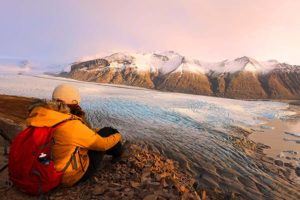
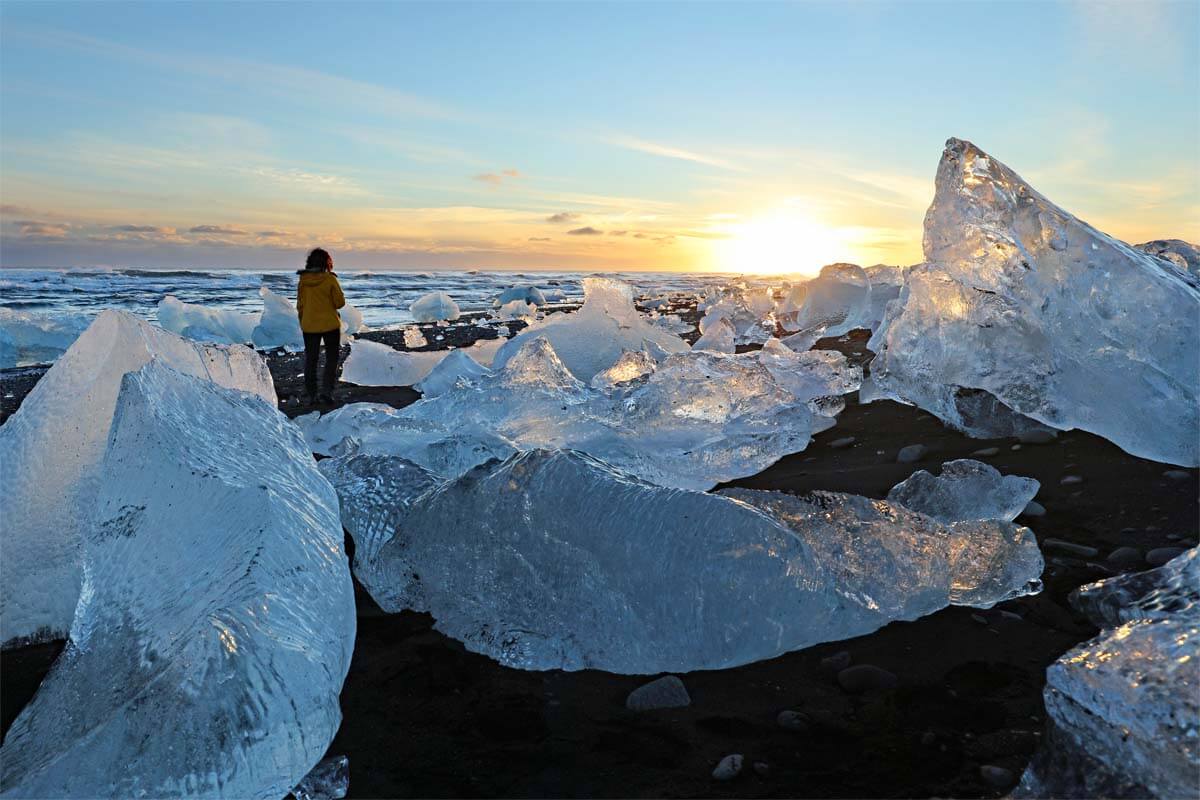
For a first visit, I recommend focusing on Reykjavík, the Golden Circle, and the south coast. Highlights include the geothermal area at Geysir, Gullfoss and Skógafoss waterfalls, and the black-sand beaches around Vík. With more time, continue to Jökulsárlón Glacier Lagoon and Diamond Beach, where pieces of ice wash onto the shore.
One of the best seasonal activities is a guided natural ice-cave tour, particularly in the Vatnajökull glacier region. The caves change with conditions, so each season is different. And don’t forget your swimsuit; soaking in a geothermal pool is one of the best things to do when it’s freezing outside!
Weather: Winter daytime temperatures in Reykjavík and along the south coast are often around 0–4°C (32–39°F), but strong winds can make it feel much colder. Expect a mix of rain, snow, ice, and occasional sunshine. Keep daylight hours in mind when planning your trip: with just a few hours around late December, you’ll cover much less than during March, when there are roughly 10–13 hours of daylight.
Planning tips: Allow five to seven days, keeping your itinerary flexible for weather disruptions. For a shorter trip, stay in Reykjavík and take guided excursions. Unless you have substantial winter-driving experience, I recommend joining tours rather than driving yourself. Don’t try to squeeze a summer Ring Road itinerary into a winter vacation; shorter days and possible road closures require a different approach.
LEARN MORE: Our Tips for Visiting Iceland in Winter & Iceland Winter Itinerary
2. Rovaniemi, Finland
Best for: A family winter vacation, Santa Claus, and snowy forests.
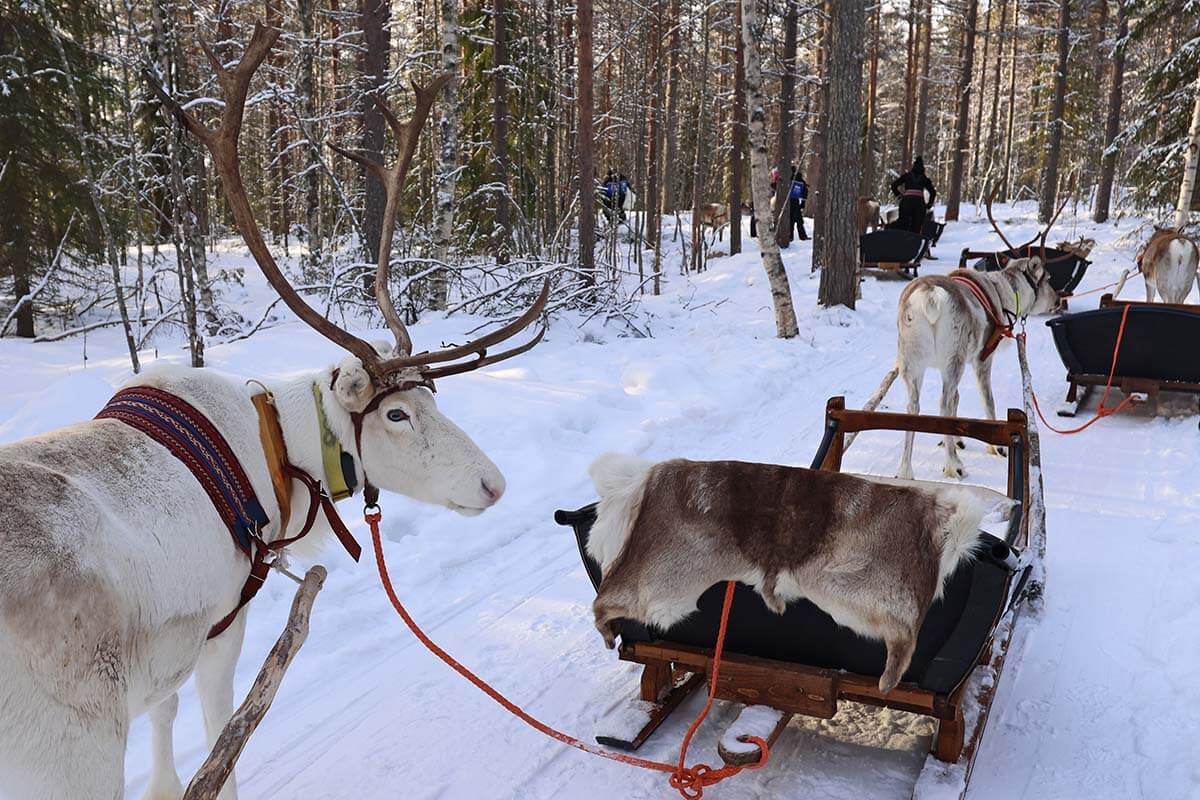
Rovaniemi in Finnish Lapland is best known as the hometown of Santa Claus, but there is much more to a winter trip here than visiting Santa. With snow-covered forests, reindeer, huskies, and a wide range of outdoor activities, it’s a great destination for a proper winter vacation.
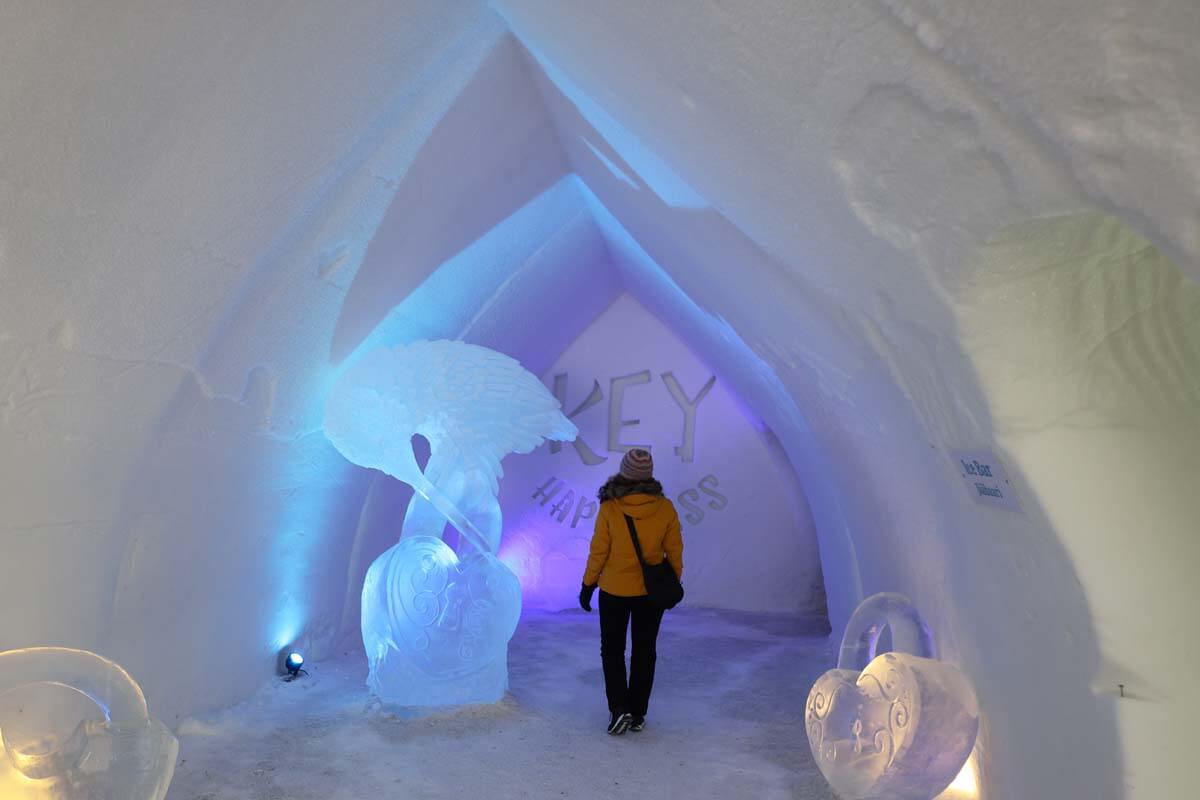
Some of the best things to do in winter include husky and reindeer sledding, snowmobiling, and watching the Northern Lights. You can also go skiing or snowshoeing, visit an ice hotel and have a drink at an ice bar, try ice fishing with a guide, or warm up in a traditional Finnish sauna. Santa Claus Village is open year-round and worth a visit, even if you’re traveling without kids.
Rovaniemi is also known for its glass igloos and cabins, where you can watch the night sky from your bed. Just remember that Northern Lights sightings require suitable conditions and are never guaranteed. Staying several nights gives you more opportunities to see them.
Weather: Expect freezing temperatures, with daytime averages roughly between -8 and -2°C (18–28°F) from midwinter into March. Cold spells can be much harsher, especially at night. December has very little daylight, January has the advantage of fewer crowds, while February and March offer progressively longer days for outdoor activities.
Planning tips: Plan for four or five days, longer if you want to explore areas in Lapland. We visited Rovaniemi in early March and found it a great time for a winter trip, with longer days and plenty of snow in the surrounding forests. December is especially busy and expensive, and snow can be unreliable early in the season. Book accommodation and activities well ahead, and check transport arrangements carefully if you stay outside town.
LEARN MORE: Lapland Winter Travel Tips & Rovaniemi Winter Itinerary
3. Tromsø, Norway
Best for: Northern Lights and Arctic winter activities.
Tromsø is one of my absolute favorite winter destinations in Europe. Surrounded by fjords and snowy mountains, this city in northern Norway makes a convenient base for an Arctic trip. You can fill your days with outdoor activities and return to a comfortable hotel and a good restaurant in the evening.
Some of the best things to do include husky sledding, a fjord cruise, and visiting a reindeer camp, where you can also learn about Sámi culture. In town, explore the waterfront, visit the Polar Museum, and take the Fjellheisen cable car for views over the city and surrounding mountains.
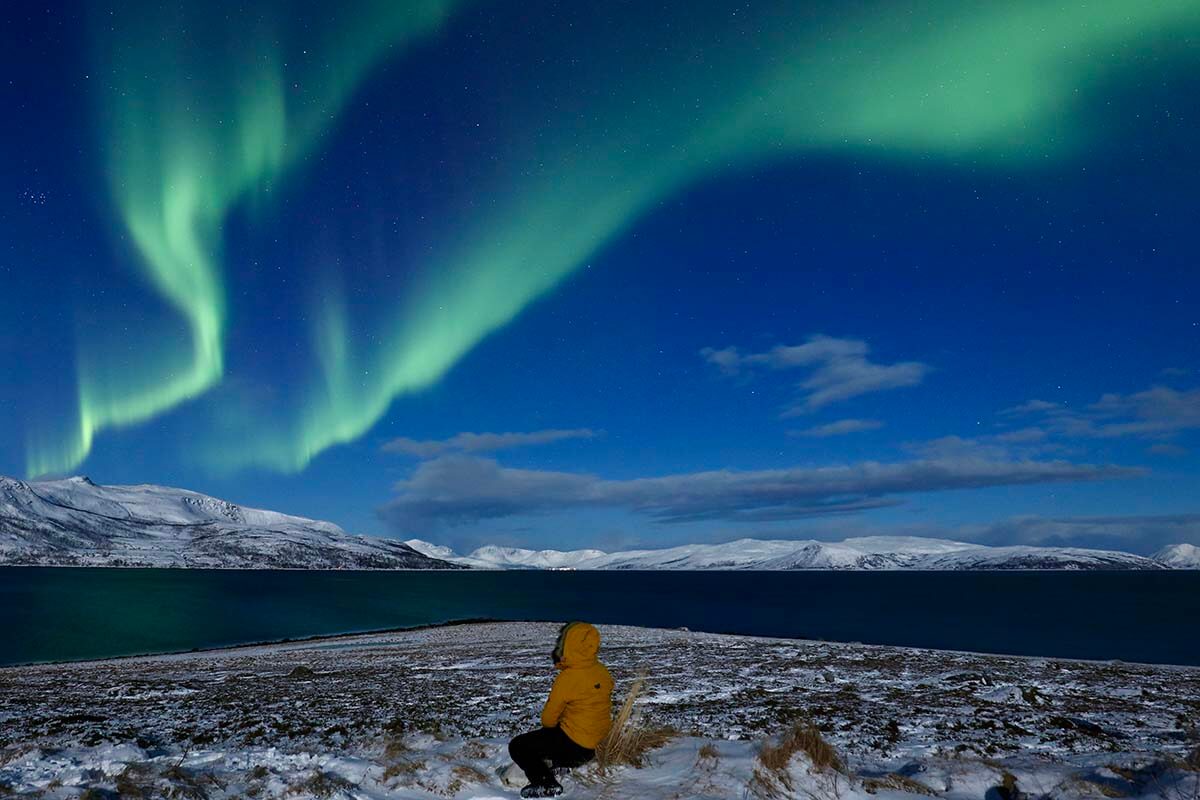
For many visitors, the main reason to come is the Northern Lights. Indeed, Tromsø is one of the best places to see auroras in the world. You can often see them in town, but booking a guided tour can increase your chances significantly. I recommend booking a tour early in your stay, leaving another evening available to try again.
Weather: Winter temperatures in Tromsø are often just a few degrees below freezing, but don’t let that fool you. Inland areas can be considerably colder, and you’ll need proper winter clothing for outdoor excursions. From late November to mid-January, the sun stays below the horizon, although there are a few hours of twilight around midday.
Planning tips: Allow at least three full days, ideally four or five. I particularly like late February and March, when you have more daylight for activities and dark nights for aurora viewing. Stay centrally, and you can easily visit without renting a car. Reserve accommodation and popular excursions well ahead.
LEARN MORE: Tromsø Winter Itinerary & Best Things to Do in Tromsø in Winter
4. Jungfrau Region, Switzerland
Best for: Alpine scenery, skiing, and winter activities for nonskiers.
The Jungfrau Region is one of our favorite winter destinations in Switzerland. We’ve been there countless times, in all seasons, and it’s where our twins learned to ski when they were just four. With snowy mountains, traditional villages, and excellent transport connections, this region is a great choice for a winter vacation in the Alps.
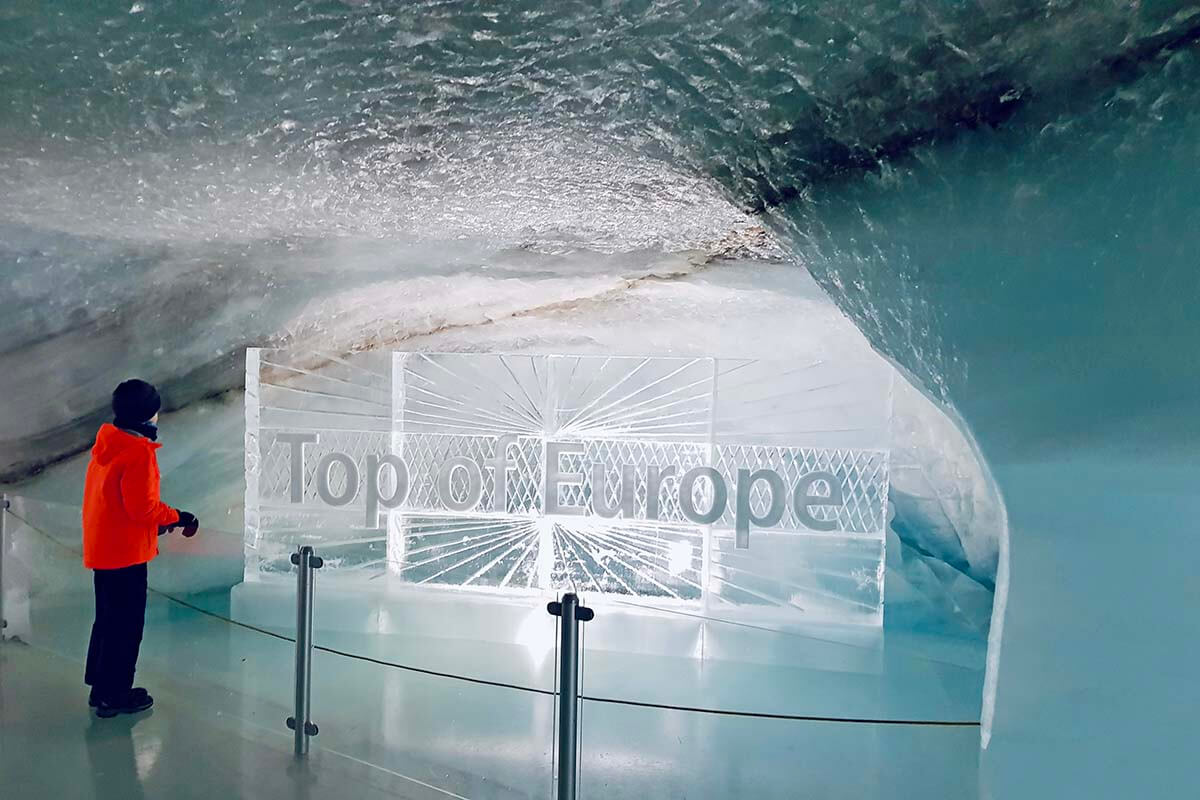
Skiing, sledding, and winter walking are among the main activities, but you don’t have to be sporty to appreciate the Jungfrau region in winter. Mountain trains and cable cars take you to impressive viewpoints and restaurants where you can have lunch overlooking the snowy peaks. Don’t miss Jungfraujoch – Top of Europe, take the train to Kleine Scheidegg, or head to Grindelwald-First for the Cliff Walk and jaw-dropping mountain views.
Plan some time for the mountain villages, too. Wengen is our personal favorite, with a car-free center and easy access to the slopes. Grindelwald is another convenient base, while Mürren offers a smaller village setting high above the Lauterbrunnen Valley.
Weather: Temperatures vary considerably with elevation. In the mountain villages, daytime temperatures are often close to freezing, while higher slopes and viewpoints can be much colder. Snow in lower-lying Interlaken isn’t guaranteed, even when the mountains above have excellent winter conditions.
Planning tips: Plan at least three or four days for sightseeing, or a week for a ski vacation. January through March is generally a better choice for winter sports than early December. Christmas, New Year, and February school vacations are busy, so book accommodation ahead.
LEARN MORE: Jungfrau Region in Winter & Interlaken in Winter
5. Svalbard, Norway
Best for: Remote Arctic landscapes and a more unusual winter adventure.
Svalbard is one of the most extraordinary winter destinations I’ve visited. Far north of mainland Norway, this Arctic archipelago offers snowy wilderness, a long polar night, and a very different setting from anywhere else on this list.
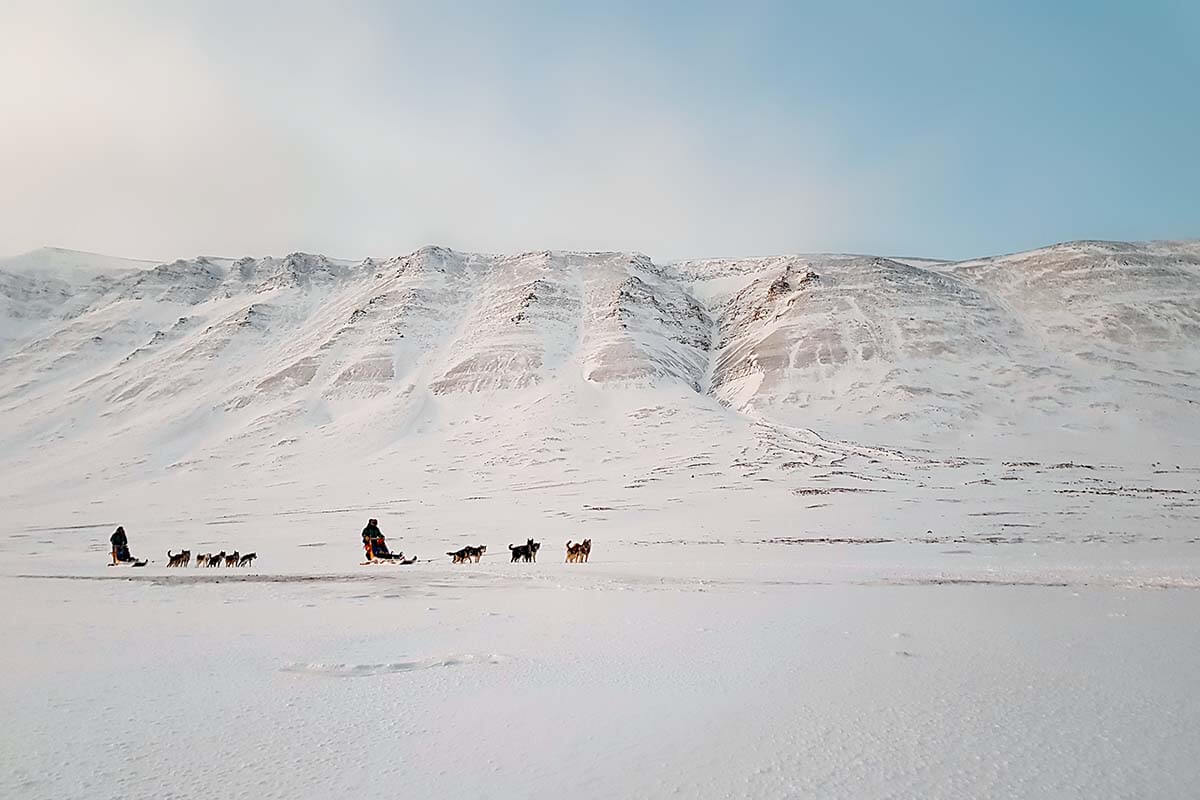
Most visitors stay in Longyearbyen, a small town that serves as the base for guided excursions. Depending on the time of year and conditions, you can go dog sledding, explore an ice cave, or take a snowmobile tour into the surrounding valleys. In town, visit the Svalbard Museum to learn about Arctic wildlife, mining, and polar expeditions, and leave time for the surprisingly good restaurants.
The exact timing of your trip matters enormously here. During polar night, darkness shapes the entire visit, with opportunities to look for the Northern Lights even during daytime hours. As daylight returns, the mountains and frozen landscapes become the main attraction. I visited Svalbard in February, when the blue twilight made the scenery especially memorable.
Weather: Expect temperatures well below freezing, often around -10°C (14°F) and colder, with wind making outdoor excursions feel considerably colder. Daylight changes dramatically through the season: December brings deep polar darkness, February sees the gradual return of light, and March offers longer days for exploring.
Planning tips: Plan four or five days, with some flexibility around flights and weather-dependent tours. Late February and March are good choices for a first visit focused on snowy landscapes and outdoor activities. To explore beyond Longyearbyen, you’ll need to join guided excursions: polar bears, remote terrain, and rapidly changing weather require local knowledge and specialist precautions. Check which activities run during your travel dates and book ahead.
LEARN MORE: Best Things to Do in Svalbard in Winter
6. Alsace, France
Best for: Christmas markets, decorated villages, and regional food.
If you’re planning a winter trip to Europe for Christmas markets, Alsace in France is one of the best regions to consider. Its charming towns and villages provide a beautiful setting for festive decorations, wooden market stalls, and streets filled with Christmas lights. That said, the region is worth visiting throughout the year, and the winter months outside the holiday season are much quieter.
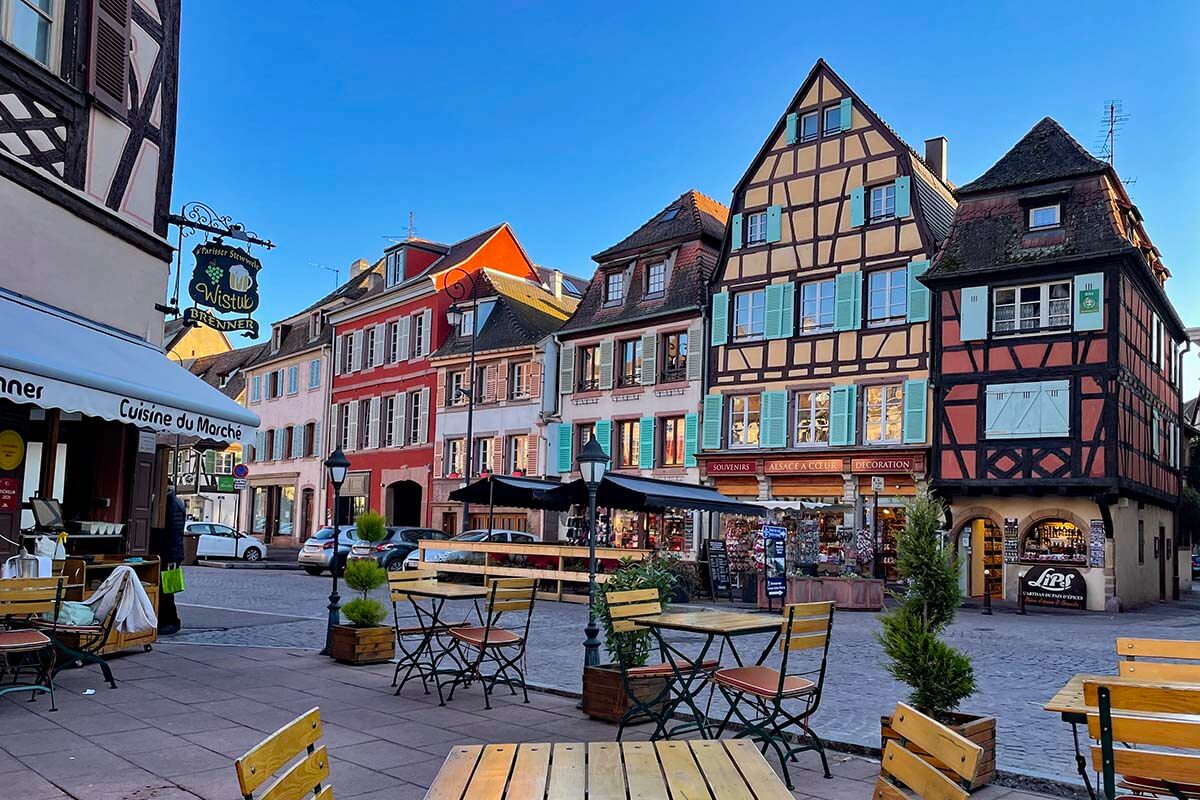
Strasbourg and Colmar are the main places to visit. In Strasbourg, combine the markets with the cathedral, Place Kléber, and a walk through Petite France. Colmar’s compact old town is easy to explore on foot, with colorful half-timbered houses, local shops, and restaurants. During the festive season, several Christmas markets are spread throughout the center.
For a longer trip, add a few smaller towns and villages, such as Eguisheim, Riquewihr, and Kaysersberg. Each has its own character, and visiting a mix of cities and villages adds variety. Leave time to try regional specialties, including tarte flambée, Alsatian wines, and bredele, the traditional Christmas cookies.
Weather: During the Christmas market season, daytime temperatures are often around 2–7°C (36–45°F), with colder evenings. Expect rain, fog, and frost. Snow is a bonus rather than something to count on, and warm shoes are essential for spending hours outdoors.
Planning tips: We recommend three or four days for Strasbourg, Colmar, and a few villages. For the Christmas atmosphere, visit from late November through December, and make sure to check the exact market dates before booking. Some village markets only operate on selected weekends, and most stop before Christmas. Strasbourg and Colmar are easy to combine by train; for smaller villages, look into seasonal shuttles, organized tours, or a rental car. Book accommodation early, especially for December weekends.
LEARN MORE: Best Things to Do in Colmar & The Prettiest Towns and Villages in Alsace
7. Belgium
Best for: Christmas markets, historic cities, and easy sightseeing trips by train.
Living in Belgium, we know that winter weather isn’t its biggest selling point. But historic city centers, Christmas lights, and plenty of opportunities to warm up over Belgian chocolate, waffles, or a local beer make it a worthwhile winter destination, especially during the festive season.
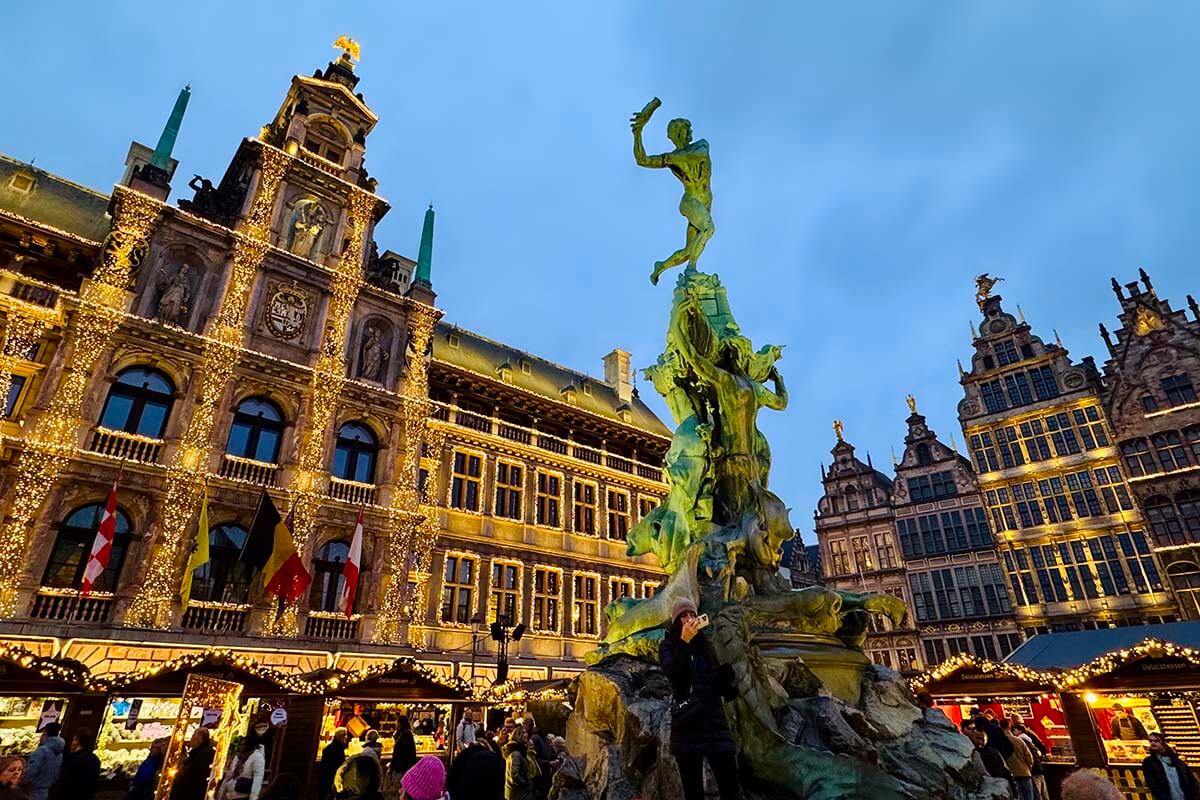
Bruges, Brussels, Ghent, and Antwerp are all good choices for a winter trip. Bruges combines canals and medieval streets with seasonal lights and Christmas markets, while Brussels is known for its Winter Wonders festivities. Ghent has an impressive historic center, canals, and a Christmas market that’s easy to combine with sightseeing. Antwerp is my personal favorite, with a great Christmas market, world-class museums, shopping, and plenty to see beyond the main tourist sights.
Belgium is small, and the main cities are close together, so you can easily combine several places in a short trip. You don’t need a rental car, and you can take day trips by train without changing hotels every night.
Weather: Winter daytime temperatures are usually around 5–8°C (41–46°F), although colder spells are possible. Expect rain and grey skies, with occasional snow that rarely lasts long. Waterproof shoes and a warm, rainproof jacket are more useful than planning for a white Christmas.
Planning tips: A weekend is enough for one or two cities, but we recommend three to five days to explore properly without rushing. December offers the most seasonal attractions, with some Christmas markets continuing into early January. Check dates for each city, and visit on weekdays if you can to avoid the busiest market crowds. For a short break, choose one or two cities rather than trying to fit in all four.
LEARN MORE: Belgium in Winter & Best Christmas Markets in Belgium
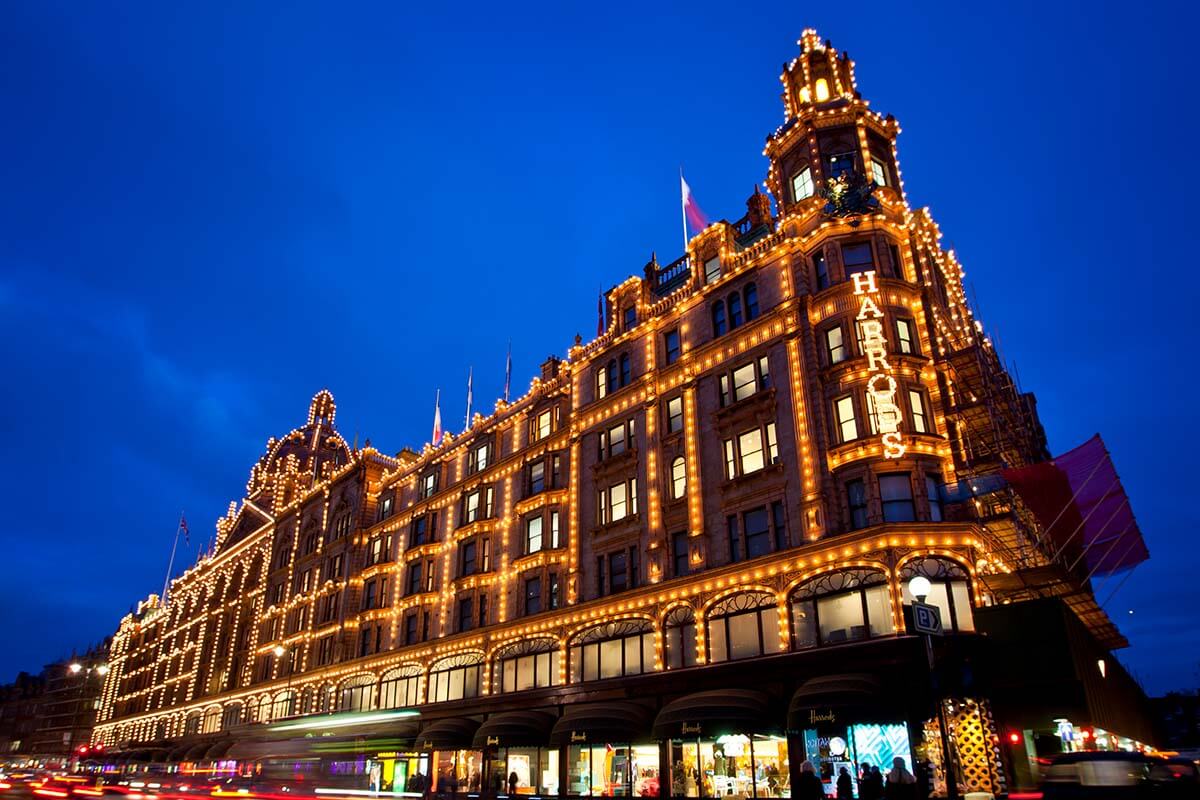
8. London, England
Best for: Christmas lights, theater, museums, and shopping.
London is a great winter destination, with plenty to do even when the weather doesn’t cooperate. The weeks before Christmas are especially festive, but museums, famous landmarks, and West End shows make it worth visiting throughout the season.
In November and December, Christmas lights and decorations are a highlight in their own right. Walk along Regent Street, explore Covent Garden, and browse the seasonal markets. You can also go ice skating or visit one of the city’s ticketed Christmas events, but simply walking through the decorated streets is already a lovely way to spend an evening.
For sightseeing, combine the Tower of London, Westminster Abbey, and a walk along the Thames with indoor stops. The British Museum, National Gallery, and Natural History Museum are good (and free) options for colder days. We also recommend leaving time for afternoon tea and a few West End musicals. We usually book a show for every evening of our stay! You can see what’s currently playing here.
Weather: Winter daytime temperatures are often around 7–10°C (45–50°F), with colder evenings and a chance of rain. Snow is unusual. December days are short, so plan outdoor sightseeing earlier and save indoor attractions and shows for later.
Planning tips: Allow four or five days for a first visit. Book popular shows, festive afternoon teas, and seasonal events ahead. Christmas Day requires extra planning: most attractions close, and lots of public transport don’t run. January and February can be good choices for a less expensive sightseeing trip, although school vacations and major events can still push up prices.
LEARN MORE: Our Practical Tips for Visiting London & Best Things to Do in London
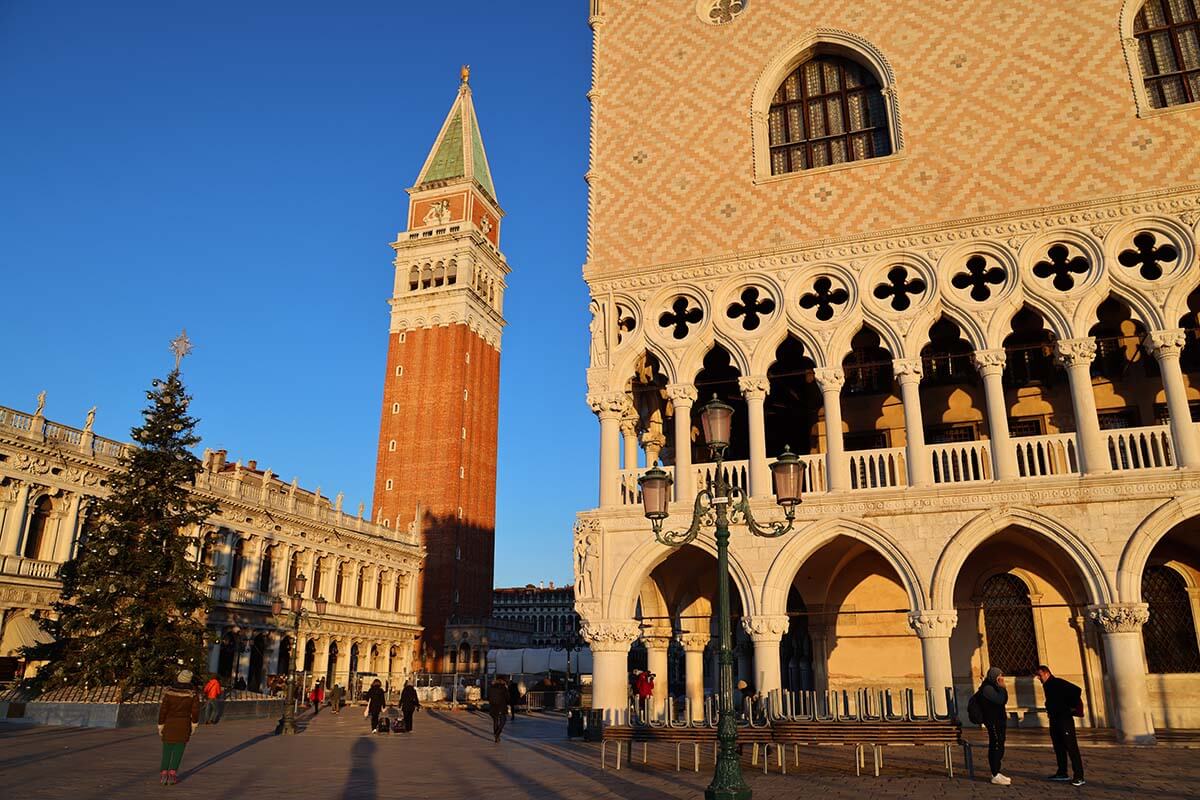
9. Venice, Italy
Best for: Quieter sightseeing, art, and a different side of a famous city.
Venice is one of my favorite European cities to visit outside the busiest travel months. Winter brings colder weather and shorter days, but also opportunities to explore with fewer crowds and find better-value accommodation. Just avoid the Christmas holidays and Carnival if you’re looking for a quieter trip.
The main attractions are just as worthwhile in winter. Visit St. Mark’s Basilica and the Doge’s Palace, take a vaporetto along the Grand Canal, and explore the streets around Rialto Bridge. Beyond the busiest areas, leave time for local neighborhoods like Cannaregio and Dorsoduro, with their smaller canals, squares, and plenty of places to stop for cicchetti, traditional Venetian snacks. With darkness arriving early, a classical concert, food tour, or cooking class is a good addition to any Venice winter itinerary.
We’ve been to Venice many times, but I absolutely loved our recent winter visit because we could explore without the usual crowds. Not having to plan and book every single thing in advance felt so refreshing. It’s so rare these days, especially in Italy!
Weather: Winter daytime temperatures are commonly around 5–10°C (41–50°F), with nighttime temperatures closer to freezing. Fog, rain, and wind off the water can make it feel colder. Bring warm layers and comfortable waterproof shoes, as you’ll spend a lot of time walking outdoors.
Planning tips: Plan two or three full days, adding another day if you want to visit the lagoon islands. Early December and January after the holidays are worth considering for fewer crowds. Carnival is a much busier and more expensive period. High tides can occasionally affect low-lying areas in the winter, so check local notices. You may need to adjust your plans a little, but it doesn’t have to spoil your visit.
TIP: If you’re considering other Italian cities for a winter break, Rome and Florence are also great options, with plenty of cultural sights, museums, and plenty of good food.
LEARN MORE: Venice in December & Best Things to Do in Venice
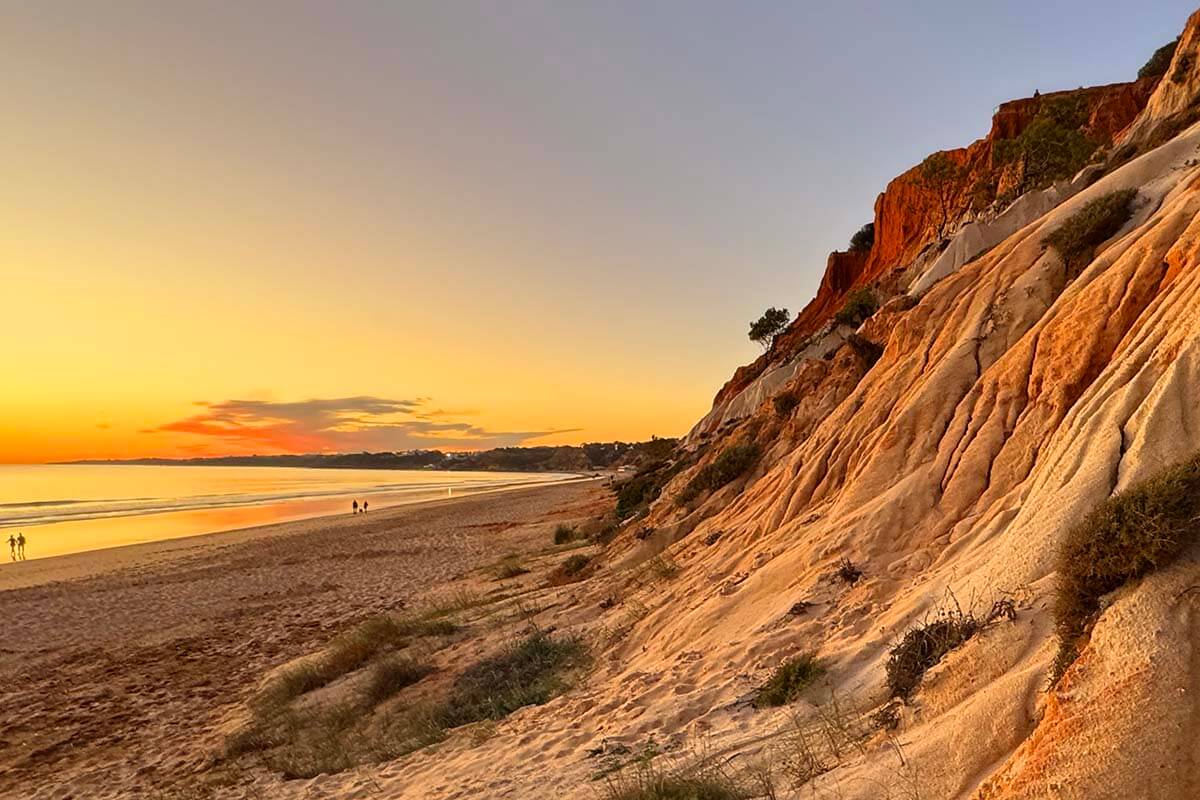
10. Algarve, Portugal
Best for: Coastal walks, sightseeing, and a milder winter escape.
The Algarve is one of our favorite places to spend time in winter. We visit regularly throughout the year and love the quieter winter months. They are ideal for exploring the coast without the summer heat or crowds. On sunny days, you can have lunch outside, take long beach walks, and almost forget it’s winter.
Some of the best things to do include exploring the charming towns, visiting the coastal viewpoints, and walking along the cliffs at Ponta da Piedade. The beaches are worth visiting in any season, even if you have no intention of swimming. With fewer people around, it’s easy to park and make spontaneous sightseeing stops, even in the most popular places.
Boat trips along the coast are usually possible in winter too, but they depend on sea conditions. Keep your plans flexible and leave time for smaller towns, seasonal events, local restaurants, and coastal walks. For us, that slower pace is a big part of the Algarve’s winter appeal.
Weather: Winter daytime temperatures are typically around 15–18°C (59–64°F), with some warmer days. Sunshine can make it feel very pleasant, and days are often warm enough for T-shirts, but temperatures drop quickly after sunset. Rain is possible, and the ocean and unheated outdoor pools are too cold for most people to swim comfortably.
Planning tips: Plan at least four to seven days, or longer for a relaxing break. Stay in a bigger town with year-round restaurants and facilities, as some seasonal businesses close for winter. A rental car is very useful for exploring beyond your base. Check that your accommodation has heating, and if you want to swim, look for a hotel with a heated indoor pool.
LEARN MORE: Algarve in December & Algarve Itinerary
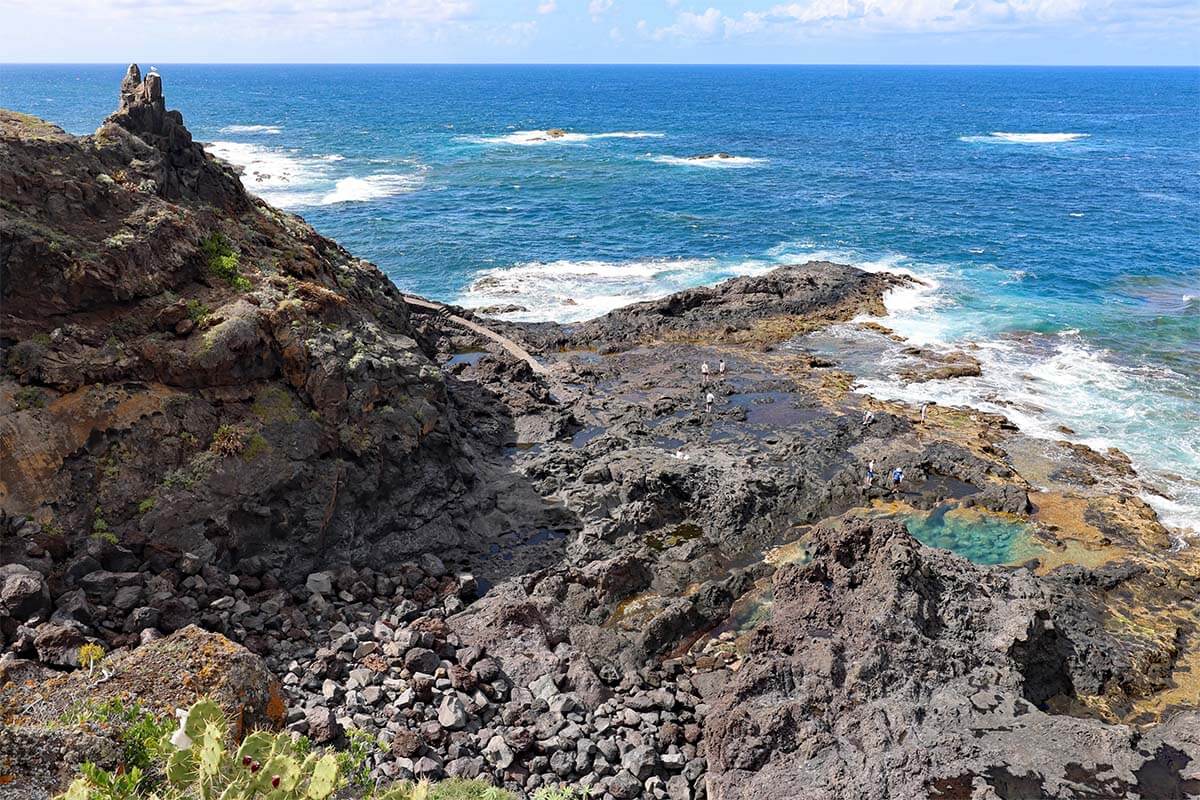
11. Tenerife, Spain
Best for: Winter sunshine, volcanic scenery, and outdoor activities.
Tenerife is one of the best winter destinations in Europe if you’re looking for warmer weather. This Spanish island in the Canaries offers more than beaches and resorts: you can combine relaxing days by the ocean with volcanic landscapes, historic towns, and mountain scenery.
Mount Teide National Park is a must, with lava fields, unusual rock formations, and viewpoints that make the drive worthwhile in any season. Other highlights include La Laguna and Santa Cruz, the Anaga Mountains, and the scenery around Masca. The contrast between the dry southern coast and the greener north is impressive, so plan some time to explore beyond your resort.
We also recommend a whale- and dolphin-watching tour. On our boat trip from Los Gigantes, we saw dozens of pilot whales, with the coastal cliffs providing an impressive backdrop. For a quieter day, walk part of the waterfront promenade connecting Los Cristianos, Playa de las Américas, and Costa Adeje, stopping at beaches and cafés along the way.
Weather: On the southern coast, winter daytime temperatures are typically around 21–23°C (70–73°F). The north tends to be wetter, and the mountains are much colder. Snow and ice can affect access around Teide even when it’s warm enough for sunbathing by the sea.
Planning tips: Plan at least a week to combine sightseeing with some downtime. Stay in the south if sunshine is your priority, and consider renting a car for exploring the island. Winter is a popular season, so book accommodation early, especially for Christmas and New Year. Bring warm layers for mountain excursions and check road and cable car conditions before heading to Teide. A hotel with a heated pool is a good choice if you want to swim.
LEARN MORE: Best Things to Do in Tenerife
12. Madeira, Portugal
Best for: Mountain scenery, hiking, and a milder island getaway.
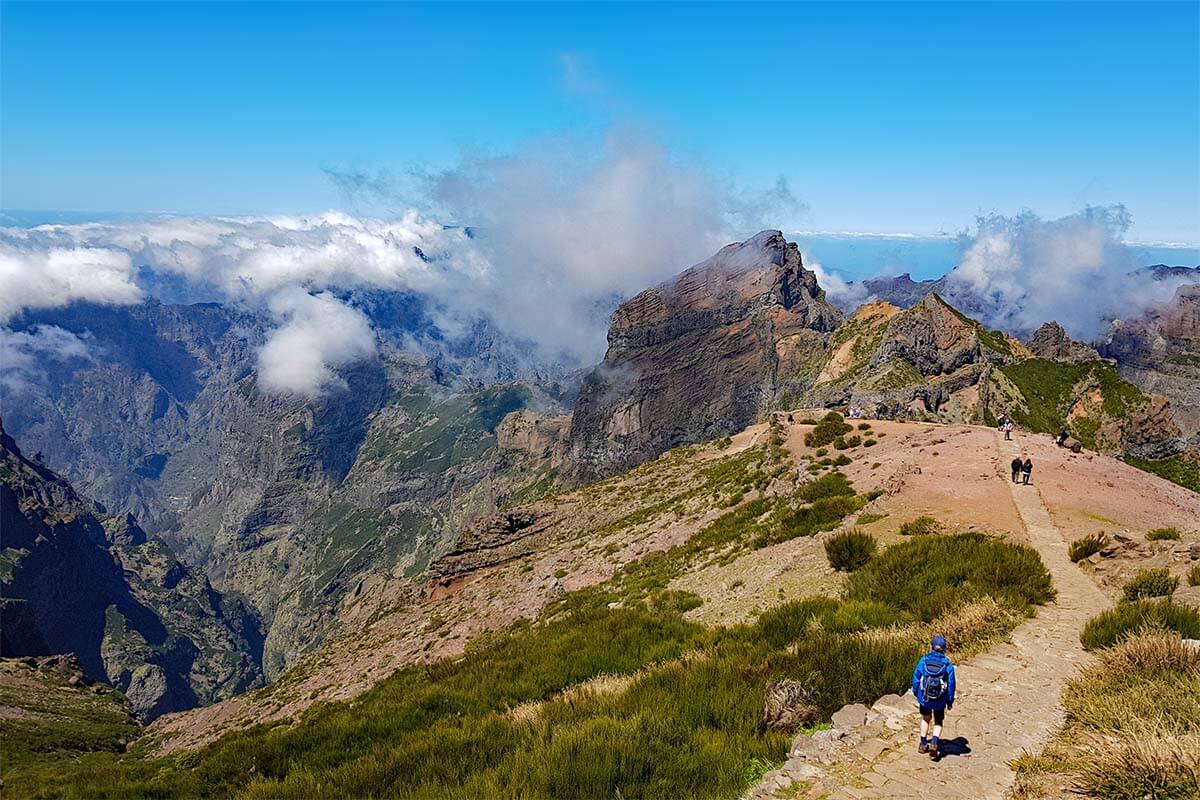
Madeira is a great winter destination if you like spending time outdoors but don’t need beach weather. This Portuguese island combines steep mountains, coastal scenery, green forests, and gardens, with plenty to see even on days when the weather isn’t suitable for hiking.
Funchal is the most convenient base, with restaurants, hotels, and organized excursions around the island. Explore the old town, visit Monte Palace Tropical Garden, and try local specialties such as bolo do caco, Madeira’s traditional bread, or Madeira wine. Beyond the city, highlights include Câmara de Lobos, the north coast around Seixal and Porto Moniz, and the viewpoints in the mountains.
Walking and hiking is one of the main reasons to visit Madeira. You can follow paths beside traditional irrigation channels, known as levadas, or choose a coastal hike for ocean views. However, winter plans need flexibility: heavy rain, strong winds, and trail closures can affect your options, especially high in the mountains.
Weather: Funchal and the lower south coast typically have winter daytime temperatures around 18–20°C (64–68°F). Rain is possible, and conditions vary considerably across the island. It can be pleasant by the sea while the mountains are cold, wet, and hidden in clouds, so pack layers, swimwear, and a waterproof jacket.
Planning tips: We recommend at least five to seven days, with some flexibility to adjust your plans according to the forecast. Stay in Funchal or on the south coast for a convenient winter base. Before hiking, check the official trail conditions and booking requirements. Christmas and New Year are particularly popular, so reserve accommodation early if traveling during the holidays.
LEARN MORE: Best Things to Do in Madeira & Best Hikes in Madeira
13. Barcelona, Spain
Best for: Architecture, food, and sightseeing without the summer heat.
Barcelona is a great choice for a winter city break, with milder weather than much of Europe and plenty to see in any season. You can explore its neighborhoods on foot, visit famous landmarks, and spend sunny afternoons by the waterfront without the heat that can make summer sightseeing tiring.
La Sagrada Família, Park Güell, Casa Batlló, and Casa Milà are among the main highlights. You don’t need to visit every Gaudí attraction, but seeing a few gives you a good introduction to the architecture that makes Barcelona so distinctive. We also love the Sant Pau Art Nouveau Site, just a short walk from La Sagrada Família.
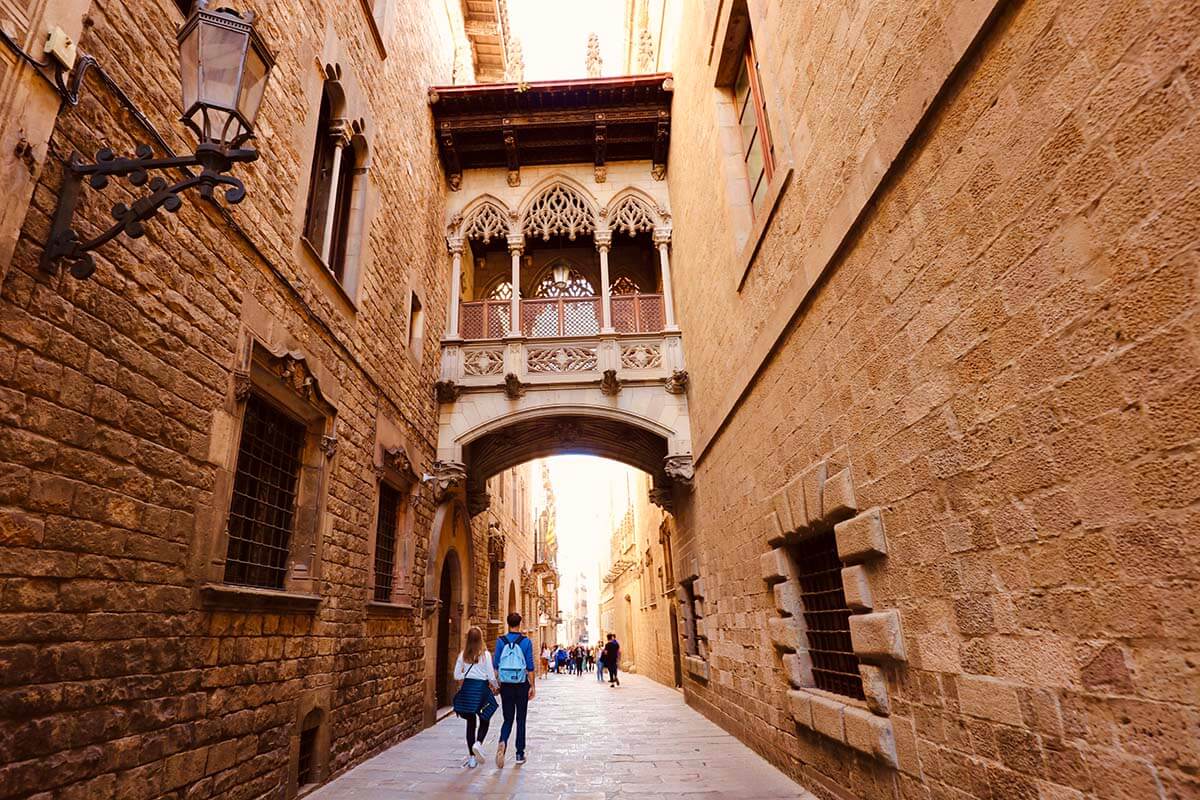
Leave time for the Gothic Quarter and El Born, a market visit, and tapas along the way. On a rainy day, head to one of the many museums, and when the weather is nice, plan a day trip to Montserrat.
Weather: Winter daytime temperatures are typically around 13–16°C (55–61°F), with cooler mornings and evenings. Sunny afternoons can be pleasant for walking or sitting outside, but you’ll still need a jacket. Rain is possible, and winter is best for sightseeing rather than a beach vacation.
Planning tips: Plan at least three to four days, adding another day for an excursion outside the city. Winter is generally quieter than the main travel season, but don’t assume you can walk into every attraction. Book La Sagrada Família ahead, especially if you want tower access. For a first visit, we recommend staying near Plaça de Catalunya; it’s the area we usually choose for its convenient location and transport connections.
LEARN MORE: Our Favorite Things to Do in Barcelona & Best Gaudi Tour in Barcelona
14. Cologne, Germany
Best for: German Christmas markets and a festive city break.
Germany is one of the most popular destinations for Christmas markets, and Cologne is a great choice for a short trip. With several markets throughout the city center, you can easily spend a couple of days browsing the stalls, trying seasonal food, and sightseeing along the way.
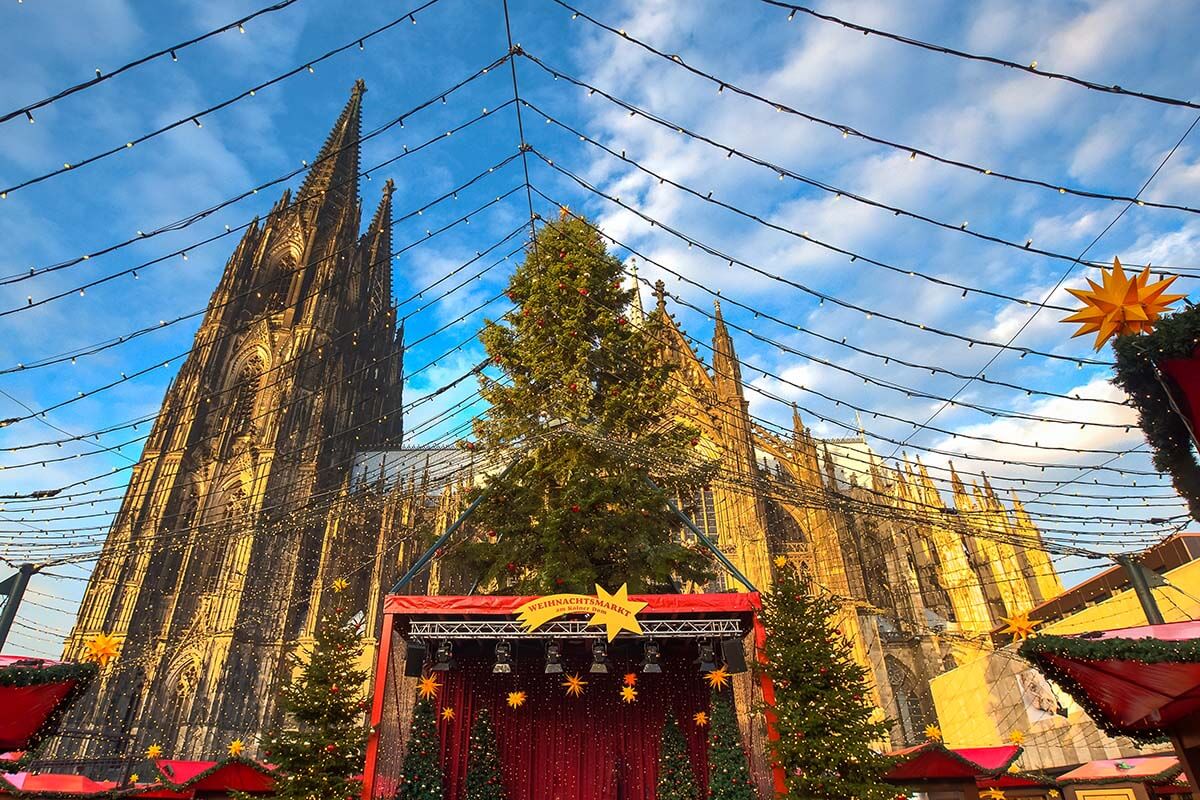
The Christmas market beside Cologne Cathedral is the best-known, with the cathedral providing an impressive backdrop. But don’t stop there. Visit the Angels’ Market at Neumarkt and the old-town markets around Alter Markt and Heumarkt, each with a different setting and decorations. Going after dark adds to the atmosphere, although the busiest evenings can be very crowded.
Between markets, visit the cathedral, walk along the Rhine, or warm up at the Chocolate Museum. A meal in a traditional brewery restaurant is another good addition, with hearty regional dishes and the local Kölsch beer.
Weather: During the Christmas-market season, daytime temperatures are often around 4–8°C (39–46°F), with colder evenings. Rain is more likely than snow, so bring warm layers and waterproof shoes. You’ll feel the cold more when standing around the stalls than when walking between sights.
Planning tips: Plan two days for Cologne, or three to four days to include nearby cities. Düsseldorf and Bonn are easy additions, while Aachen is worth considering if you’re combining Germany with Belgium. Check each market’s dates before booking since many close before Christmas. Avoid weekends and book central accommodation early. See the official Cologne Christmas guide for current market information.
So, these are some of our favorite winter destinations in Europe. From snowy adventures in the Arctic to sunny coastal walks in Portugal or Spain, there is plenty of choice for all interests.
We hope this guide has given you a few ideas for your own European winter getaway. Choose a destination that suits your interests and travel dates, and use our detailed guides linked above to help plan your visit.
Have a wonderful trip!
TIP: Save this guide for later, share it with your friends, or pin it to Pinterest so you can easily come back to it when planning your trip.