
What to Pack for Lofoten in Summer (+ What to Wear in June, July & August)
This site contains affiliate links, which means that we may earn a small commission, at no cost to you, for qualifying purchases. It supports the work that goes into keeping this content free. Thanks for reading! More info: Privacy Policy.
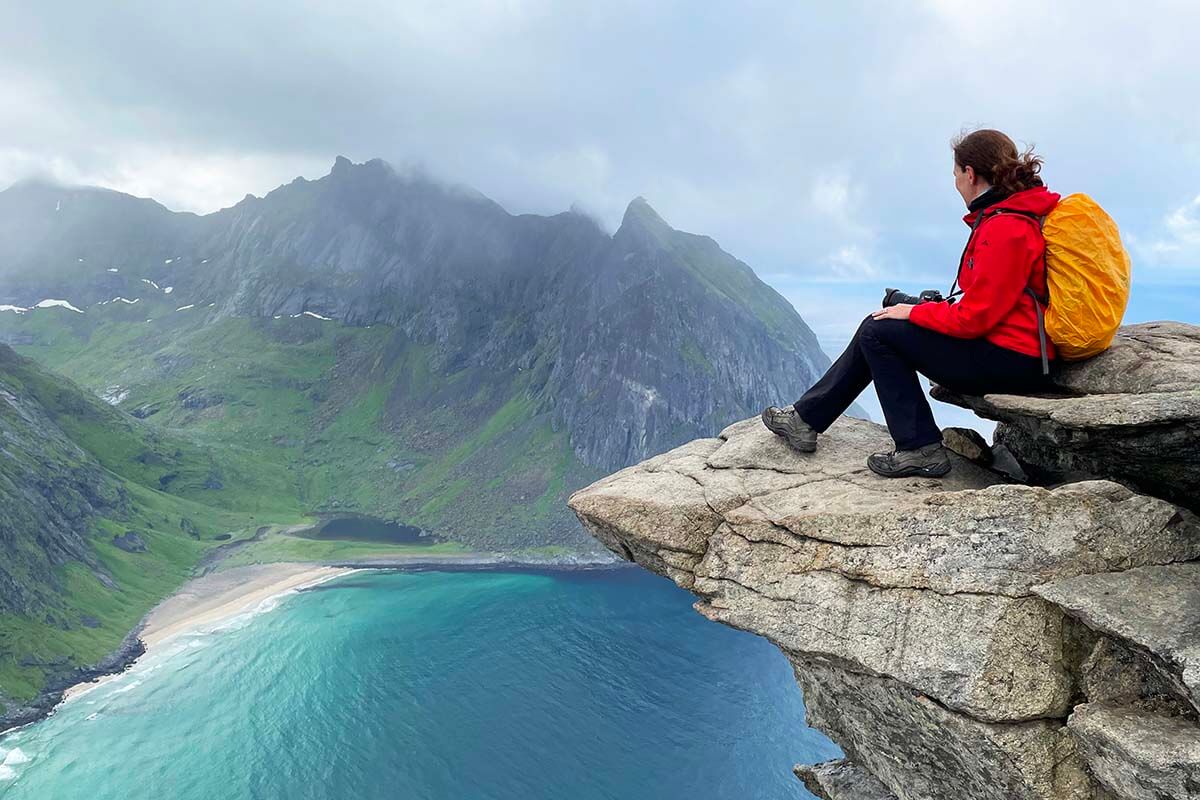
Planning a summer trip to the Lofoten Islands and wondering what to pack? This guide covers exactly what to wear and what to pack for Lofoten in June, July and August, based on our own trips to Northern Norway.
Packing for Lofoten in summer is not always straightforward. One day, we were hiking in shorts and T-shirts under a clear blue sky. The next day, we needed multiple layers, rain jackets, and even gloves.
In this guide, we share practical packing tips for Lofoten’s unpredictable summer weather, including clothing, hiking gear, rain protection, and a few travel essentials that can make your summer trip more comfortable.
Here are our recommendations for what to wear and what to pack for Lofoten in summer.
What to Wear in Lofoten in Summer
1. Layers of Clothing
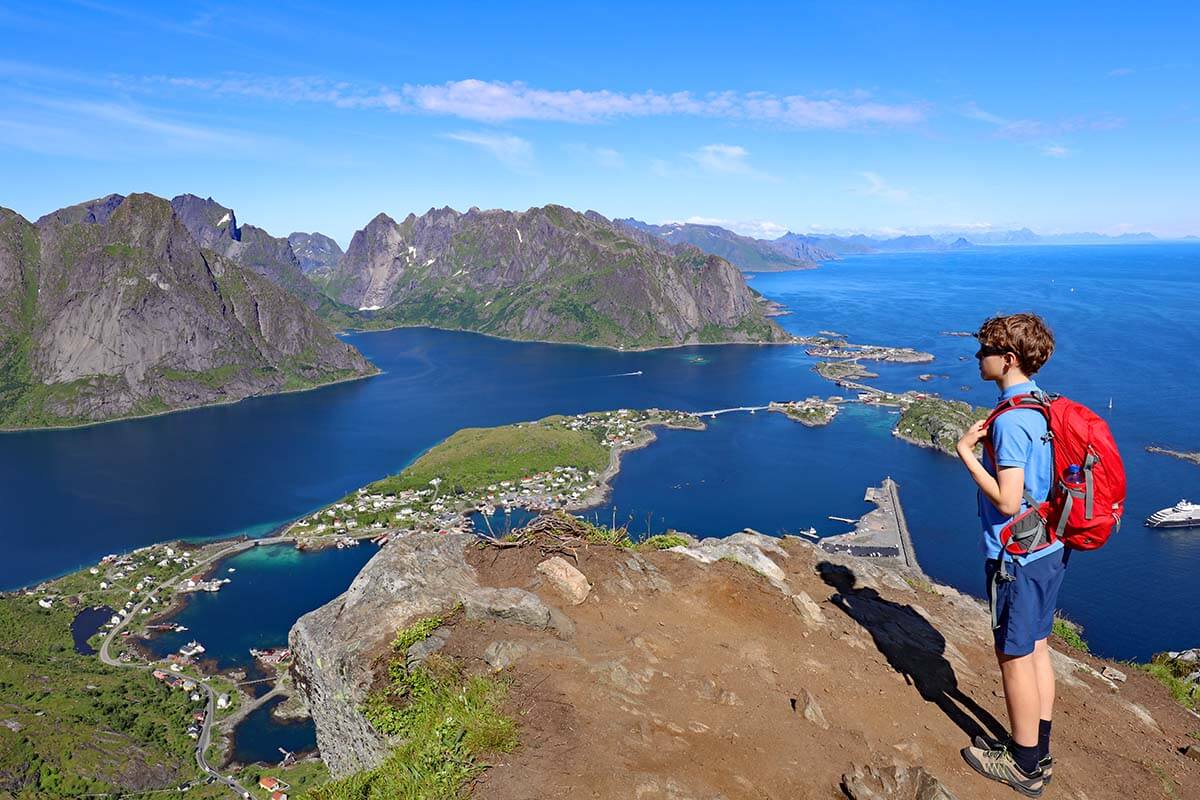
If there is one thing you should remember when packing for Lofoten in summer, it’s layers.
Lofoten’s weather can be surprisingly unpredictable. It can be sunny and 25°C (77°F) one day, followed by rain, strong winds, and temperatures around 10°C (50°F) the next. Conditions can also change several times throughout the same day. We often went from a single T-shirt to three or four layers and back again on the same day.
This is what we usually pack:
- T-shirts. Merino wool T-shirts are ideal because they regulate temperature well, don’t retain odors, and dry quickly. There are lots of nice men’s and women’s styles available nowadays, and they’re suitable for everything from hiking to sightseeing and casual dinners. Merino shirts are among the most practical travel essentials you can buy. Sports shirts are another good option and often cheaper. Cotton is less practical since it stays damp longer.
- Lightweight fleece jackets and thin sweaters for layering. We always pack at least one full-zip fleece jacket and use it almost every day.
- A lightweight insulated vest (something like this). It provides extra warmth on cooler days while remaining comfortable during active hikes.
Good to know: You generally don’t need typical summer clothes such as sundresses or sandals in Lofoten. Even on warm days, hiking shoes or sneakers are usually more practical, and evenings often require an extra layer. Dressy clothes are rarely necessary either. Lofoten is very relaxed, and even at nicer restaurants, most people wear casual clothing.
2. Rain Jacket
No matter what the forecast says, pack a good windproof and waterproof rain jacket for Lofoten and carry it in your backpack at all times.
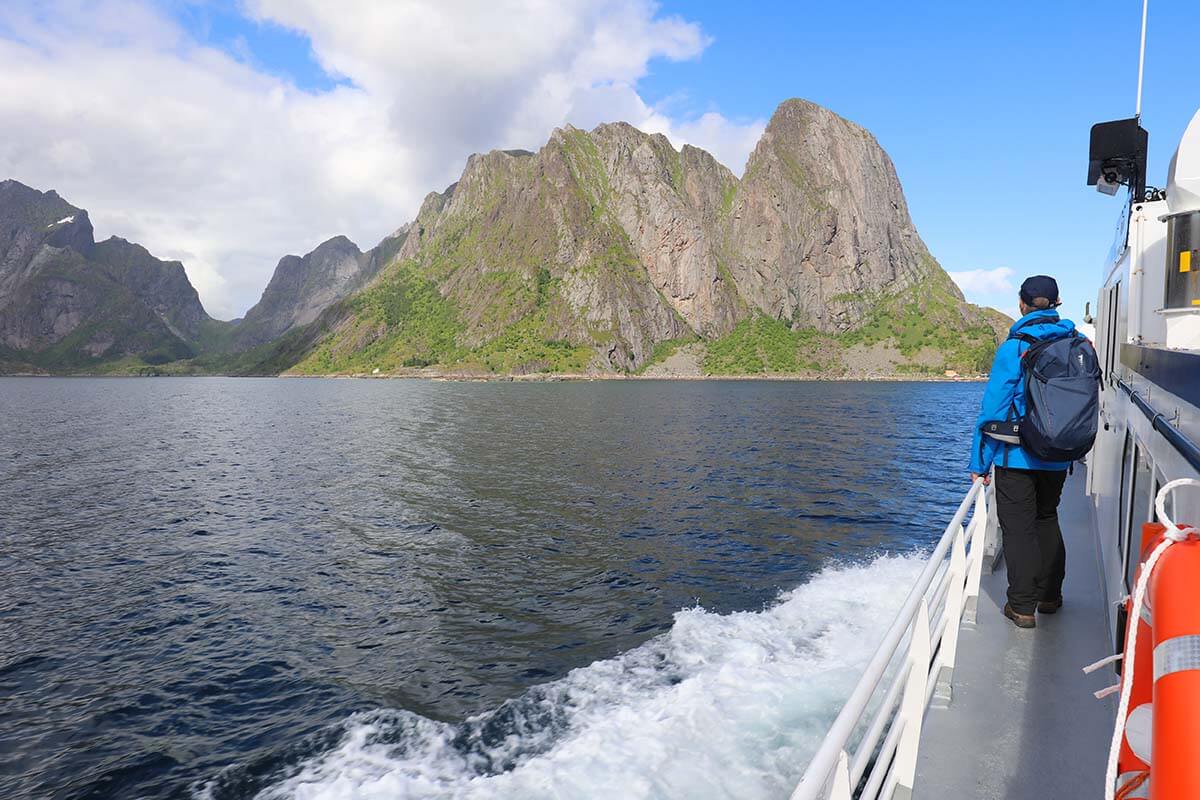
Even if it doesn’t rain, you’ll likely need it at some point. Weather conditions can change quickly, and the wind often makes it feel much colder than it is, especially on boat trips and at higher elevations.
We packed lightweight waterproof jackets that are easy to wear over other layers (similar to these Columbia rain jackets with thin lining). We wore them during heavy rain, on windy hikes, and even on sunny boat trips when the wind coming off the sea felt surprisingly cold.
3. Waterproof Hiking Boots
Good footwear is probably the most important thing you’ll pack for Lofoten, together with a good rain jacket.
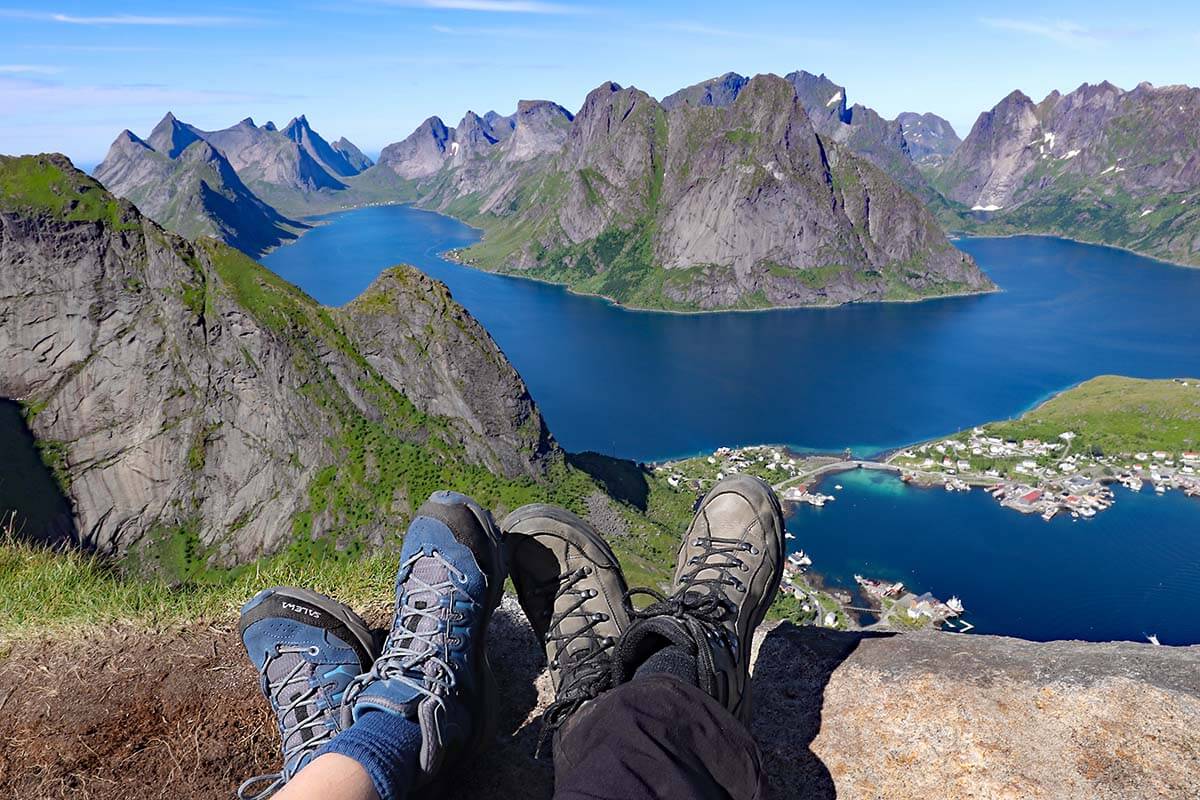
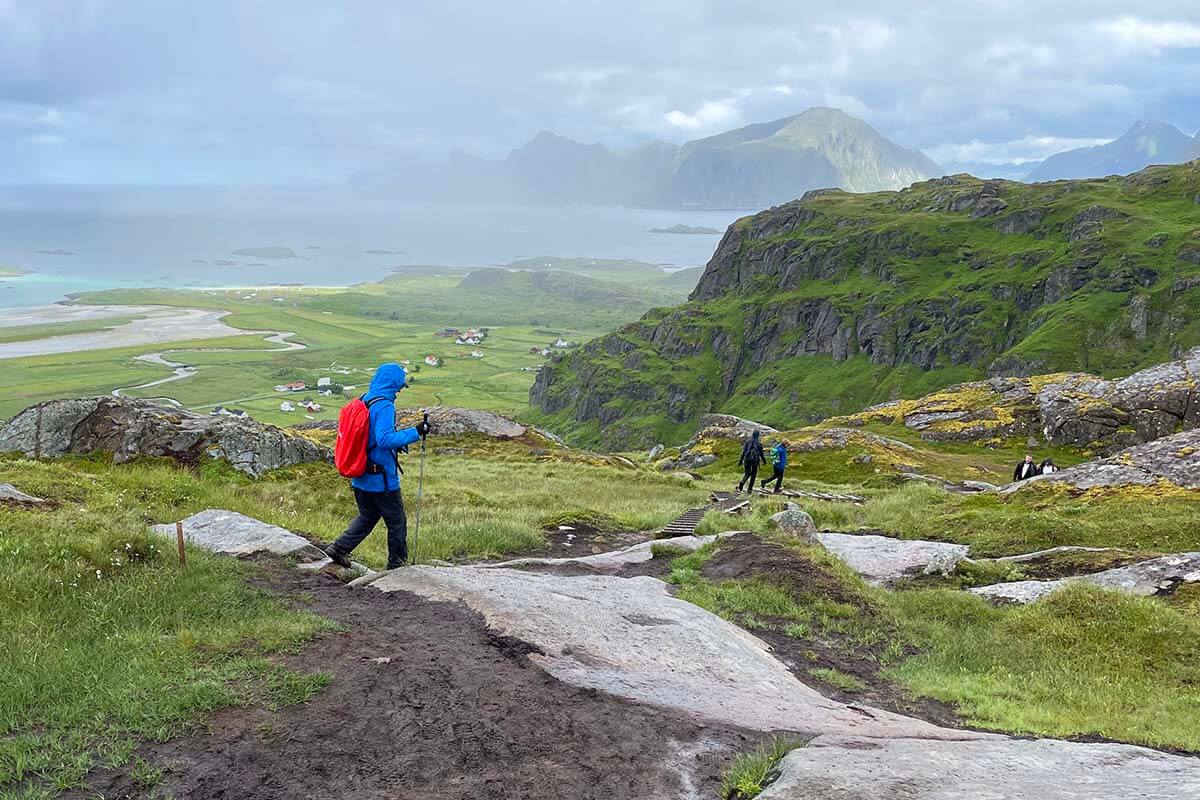
Many of the best viewpoints in Lofoten require hiking, including places like Reinebringen, Ryten, and Offersøykammen to mention just a few. Lofoten’s hiking trails are often muddy, steep, rocky, and slippery, so proper footwear makes a huge difference.
I highly recommend packing sturdy waterproof hiking boots with good grip. Quite frankly, there were several hikes in Lofoten where I wouldn’t even consider going without proper hiking footwear and hiking poles. Yes, we saw people attempting some of these trails in sneakers, even white sneakers (well, I assume they were white before the hike), but if you want to enjoy the scenery instead of constantly watching where you put your feet or worrying about falling, you really need proper hiking shoes.
For our trip to Northern Norway, we packed our Lowa Renegade GTX boots and had them on almost every day in Lofoten, Vesterålen, and Senja. We’ve owned these shoes for several years and wore them on countless trips to Iceland, Norway, European Alps, and even Alaska, and they are worth every cent.
While quality hiking boots aren’t cheap, they’re worth the investment if you plan to do any hiking. We always make sure our kids have proper footwear too. In Lofoten, the twins wore Salewa hiking shoes and our oldest wore these CMP hiking shoes. His shoes were lower than the others, and while they worked fine, I would recommend higher boots for Norway.
We also packed a pair of comfortable sneakers for travel days and to wear in towns and restaurants. But in Lofoten, our hiking boots got far more use.
READ ALSO: Northern Norway Itinerary (Lofoten, Vesteralen, Senja & Tromso)
4. Hiking Pants and Shorts
If you are wondering whether you need shorts in Lofoten in summer, I’d say yes, pack one pair. If you get lucky with the weather, you’ll be glad to have them. During our summer trips, we had several warm, sunny days when we wore shorts (in my case, skorts :)).
That said, you’ll likely wear hiking pants most of the time. Temperatures are often cooler, weather can change quickly, and hiking trails are frequently muddy and wet.
You may also want to pack a pair of jeans or casual pants for restaurants and travel days.
This is what we packed for Lofoten:
- Hiking pants. Look for lightweight, comfortable pants that dry quickly. You’ll probably wear them on most days.
- Shorts/skorts. I recommend lightweight hiking shorts rather than thick cotton shorts. They’re more comfortable for active days and dry much faster if they get wet.
- Rain pants. If you only have a few days in Lofoten and plan to hike and explore regardless of the weather, pack lightweight rain pants as well. We always bring them when traveling in the Nordics. They don’t take much space, and when the weather turns, you’ll be glad to have them. If the forecast looks uncertain, simply throw them in your backpack so you can quickly slip them over your hiking pants if needed.
- Jeans. We wore them more than I expected. Also because our hiking pants got so muddy on a few occasions that we had to wash them.
TIP: Instead of packing separate shorts, consider convertible hiking pants. They are particularly useful in places like Lofoten, where temperatures can change significantly throughout the day. You can start the hike wearing long pants and zip off the lower part if the weather warms up.
5. Buff, Thin Gloves, and a Warm Hat
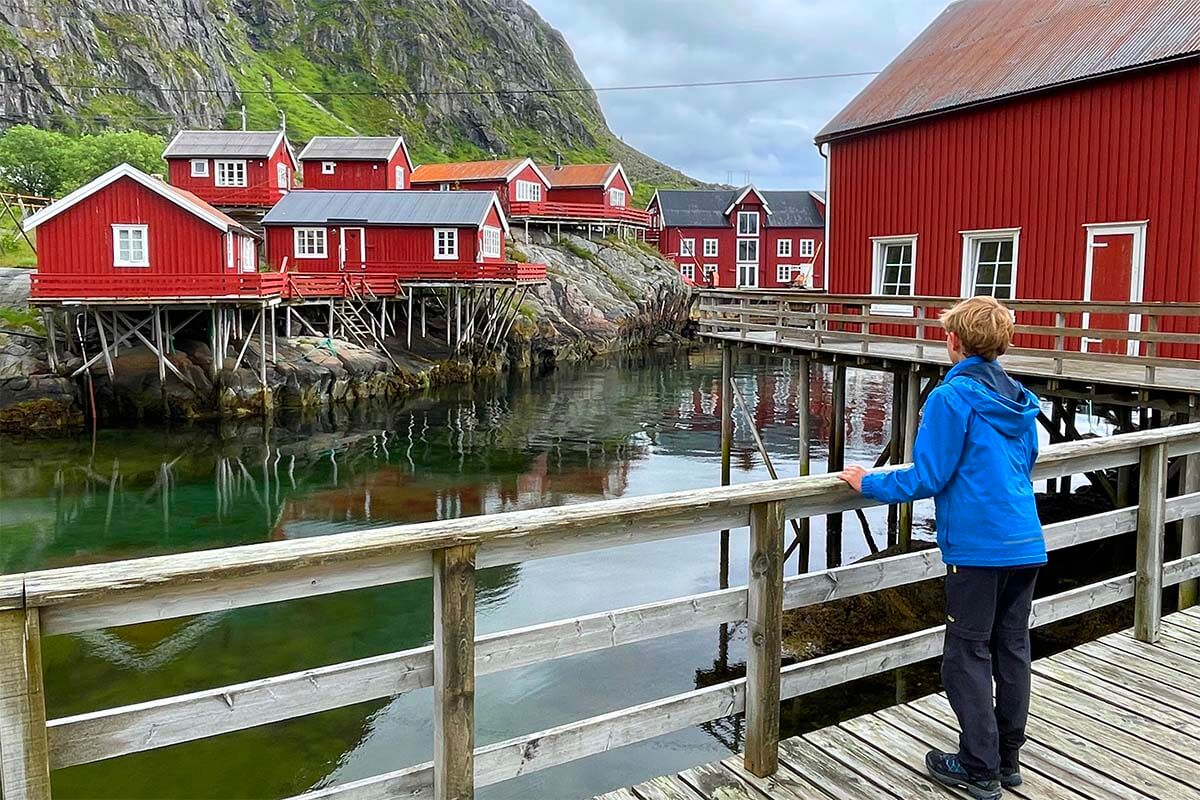
A Buff is one of those small items that we pack for almost every trip. It takes almost no space and comes in handy on boat trips, windy viewpoints, hikes, and chilly mornings and evenings.
We also packed thin gloves to Lofoten in summer and used them a few times. We have lightweight gloves that work with touch screens.
If you are camping or planning to spend a lot of time outdoors, you may want to bring a lightweight warm hat as well.
6. Sunglasses, Sun Hat, and Swimwear
When the weather is good, the sun can feel really strong in Lofoten in summer. You’ll want all the sun protection you can get, from sunglasses and a sun hat to a high-SPF sunscreen.
You may also want to pack your swimwear. Lofoten offers plenty of opportunities to go for a swim, whether at beautiful beaches, lakes, saunas, or hot tubs. Two of the hotels where we stayed had a sauna with direct access to the sea, and several other accommodations offered hot tubs with amazing views.
READ ALSO: Where to Stay in Lofoten
What to Pack for Lofoten in Summer
1. Sleep Mask
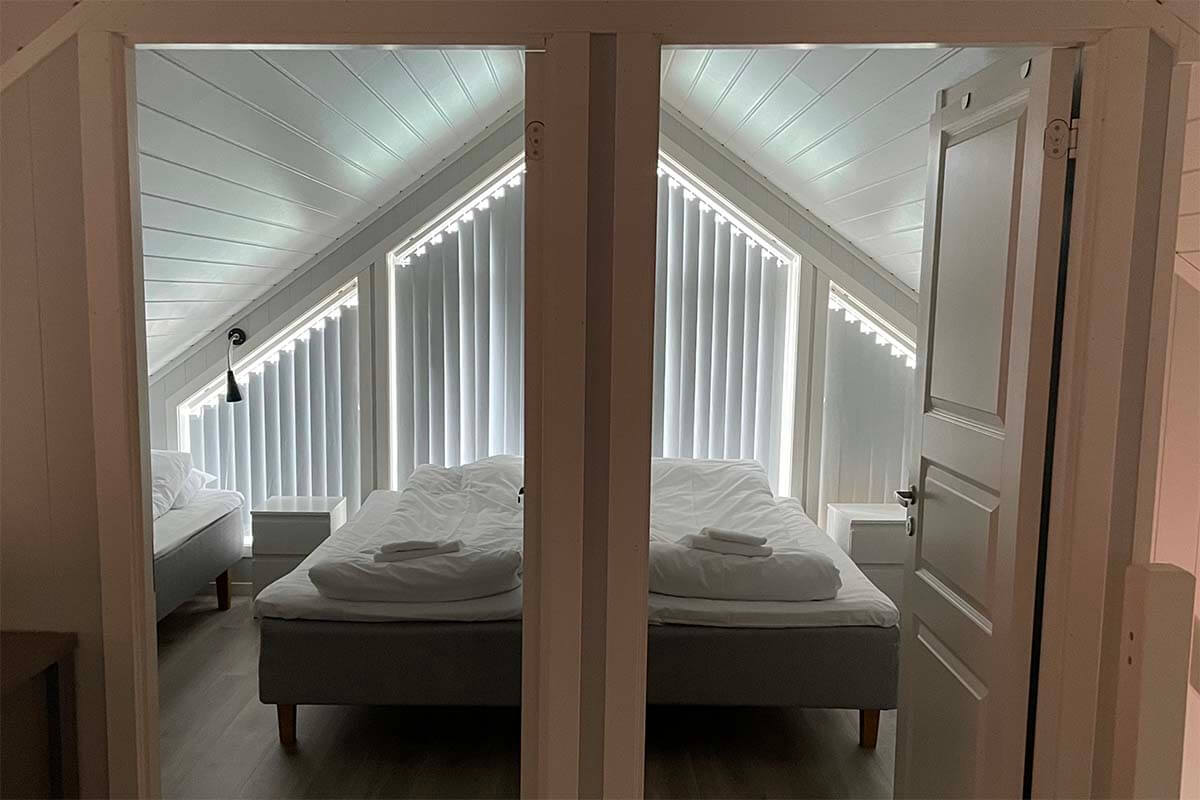
If you are visiting Lofoten in June, July, or early August, don’t underestimate the midnight sun and how bright the nights are in the Nordics.
Since many accommodations in Lofoten don’t have blackout curtains, a comfortable sleep mask can make a huge difference. We learned this the hard way after a few sleepless nights on our first summer trip to Iceland and have packed a sleep mask for every Nordic trip ever since.
TIP: Get a good-quality breathable sleep mask that offers sufficient coverage and stays comfortable all night. For example, this model offers excellent value for money. If you travel frequently or are a light sleeper, you may want to consider a premium sleep mask with adjustable eye cups.
Oh, and earplugs can be useful too. Many accommodations are located right by the water, and the seagulls can be very loud during the bright summer nights. Surprisingly, this was an even bigger issue in towns, especially Tromsø, but we heard plenty of seagulls at night in Lofoten too.
2. Day Backpack & Rain Cover
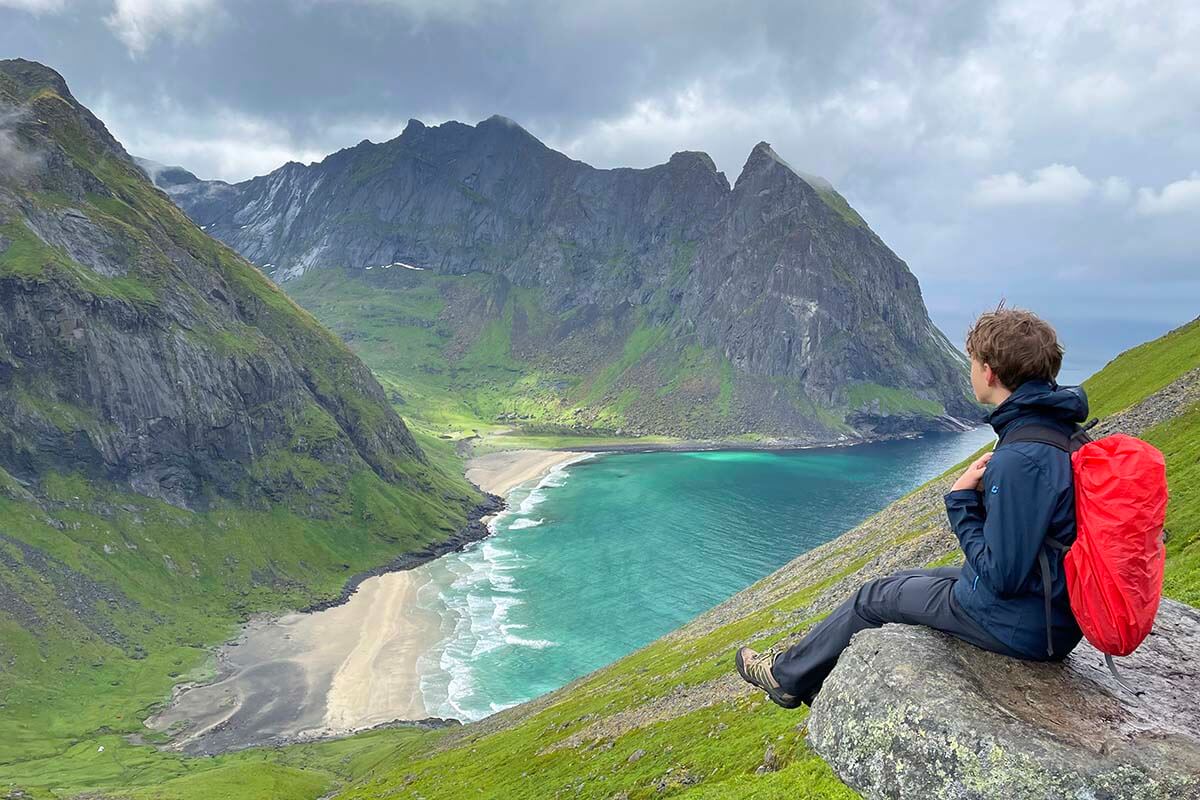
A day backpack is essential in Lofoten. You’ll constantly be taking layers on and off throughout the day, and you’ll need somewhere to store them.
We each carried our own daypack when hiking in Lofoten. Nowadays, we usually travel with Osprey Daylite daypacks and have been very happy with them, but pretty much any comfortable backpack will work.
Don’t forget to pack a rain cover. We had a few rain covers with us in Lofoten and needed them more than expected. Two of the kids’ backpacks didn’t have one and were completely soaked by the end of the Ryten hike. After that experience, we only used those backpacks on days when we were fairly certain it wouldn’t rain. Since then, we’ve always packed a rain cover for every backpack.
TIP: If you’re looking for a new backpack for Lofoten or other rainy destinations, consider a waterproof backpack. These highly-rated Earth Pak waterproof backpacks are reasonably priced and keep your gear dry without needing a separate rain cover.
3. Reusable Water Bottle
Norwegian tap water is excellent, so bring a reusable water bottle and refill it throughout your trip instead of buying bottled water. We really like these insulated water bottles from Owala.
4. Hiking Poles
If you plan to go hiking, consider trekking poles. Many trails in Lofoten are steep and can be very slippery when wet. Hiking poles help with balance and reduce strain on your knees during descents.
We packed our Black Diamond foldable trekking poles for Lofoten and used them on several occasions. They’re lightweight, compact, and easy to carry when not needed. If you only plan to use hiking poles for one or two trips, there are also some really good models that are much more affordable (for example, these aluminum hiking poles by TREKOLOGY).
5. Moisturizer, Hand Cream, and Lip Balm
One thing many people don’t think about when packing for the Nordics is how dry your skin and lips can get.
The combination of wind, sun, salt water, and cooler air can be surprisingly harsh, even in summer. A good moisturizer can make a big difference, especially if you spend long days outdoors hiking, sightseeing, or on the water.
I always pack a good day cream and night cream, a hand cream, body lotion, and recently started bringing a small container of Vaseline Healing Jelly on Nordic trips. It’s inexpensive, takes almost no space, and is incredibly versatile. We use it for dry lips, dry skin, and irritated skin around the nose.
For moisturizers, I really like Eucerin Advanced Repair Lotion and Urea Repair Hand Cream. Both have worked really well for us on trips to Northern Norway, Iceland, and Lapland. In fact, we use Eucerin products at home year-round.
Good to know: Most hotels in Lofoten provide shampoo and soap, but self-catering apartments and privately rented cabins don’t always do so. If you’re not sure what’s provided, pack a few travel-size toiletries.
6. Bug Repellent
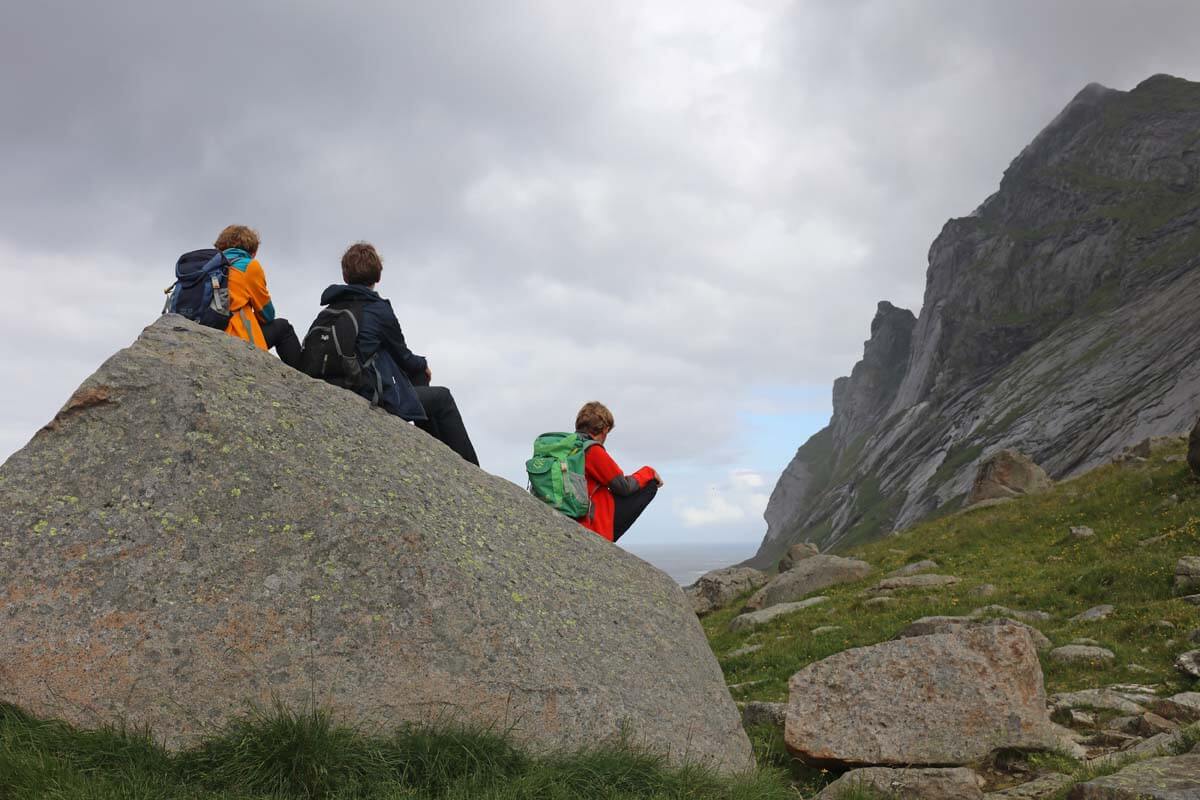
Mosquitoes are usually not a major problem in Lofoten, but you may encounter some bugs, particularly in more sheltered areas and near lakes.
Ticks can also be found in Lofoten, although the risk is relatively low compared to many other parts of Europe. If you plan to spend a lot of time hiking or walking through areas with tall grass and vegetation, it’s worth being aware of them.
For these reasons, I recommend packing a small bottle of insect repellent. You may not need it often, but it’s one of those lightweight items that’s good to have just in case. We usually pack a DEET-free bug spray like this one.
7. Kindle or Books
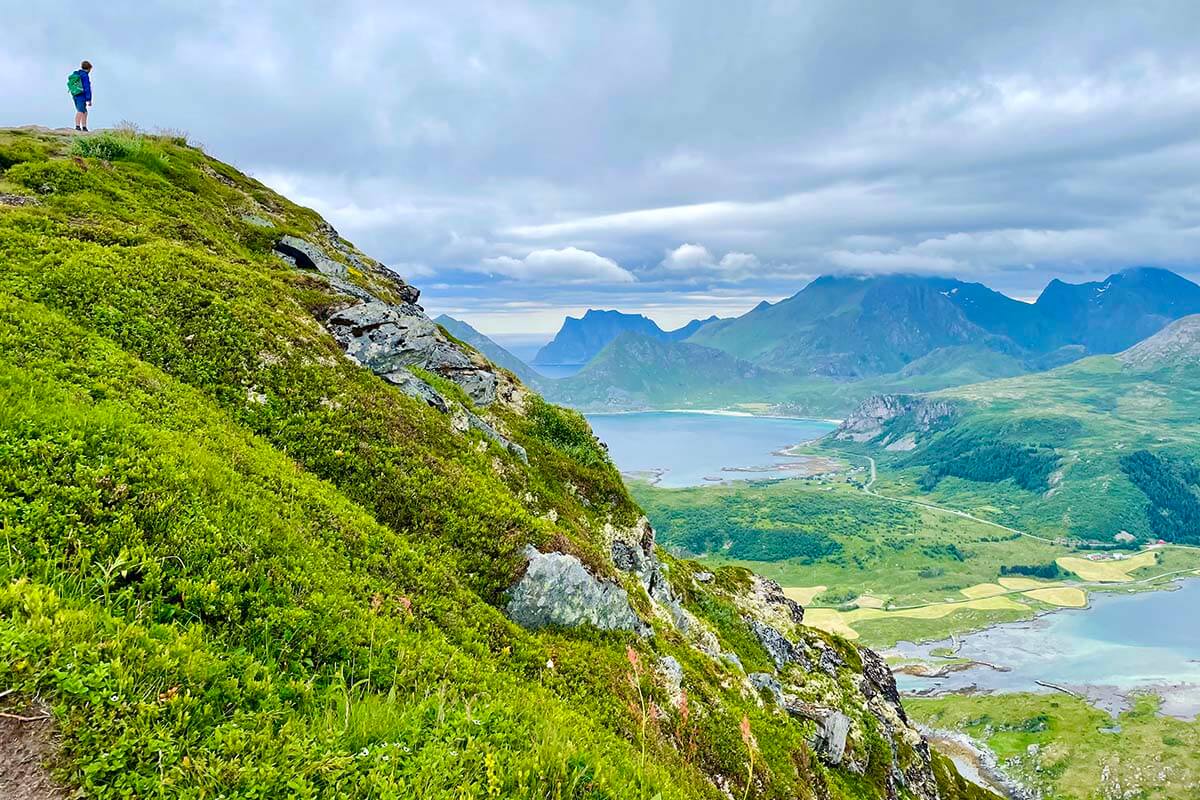
One thing we used much more than expected in Lofoten were our Kindles. While we had plenty of sunny weather, there were also rainy periods when we spent hours indoors. Having a good book made those slower days much more enjoyable. If you’re traveling with kids, a small travel game such as UNO is also worth packing.
An e-reader is especially practical because you can bring multiple books without taking up any luggage space. We each pack a Kindle for all our trips.
8. Power Adapter and Portable Charger
If you’re visiting Norway from outside Europe, don’t forget a power adapter. Norway uses the standard European Type C/F plugs.
TIP: Bring a multi-port power adapter so you can charge several devices at the same time without needing multiple outlets.
I also highly recommend packing a portable charger. Between taking photos, using maps, checking weather forecasts, and tracking hiking routes, your phone battery usually drains very quickly. We always carry a power bank that can charge multiple devices at once when traveling and use it daily. Don’t forget the right cables!
Lofoten Summer Weather (June, July & August)
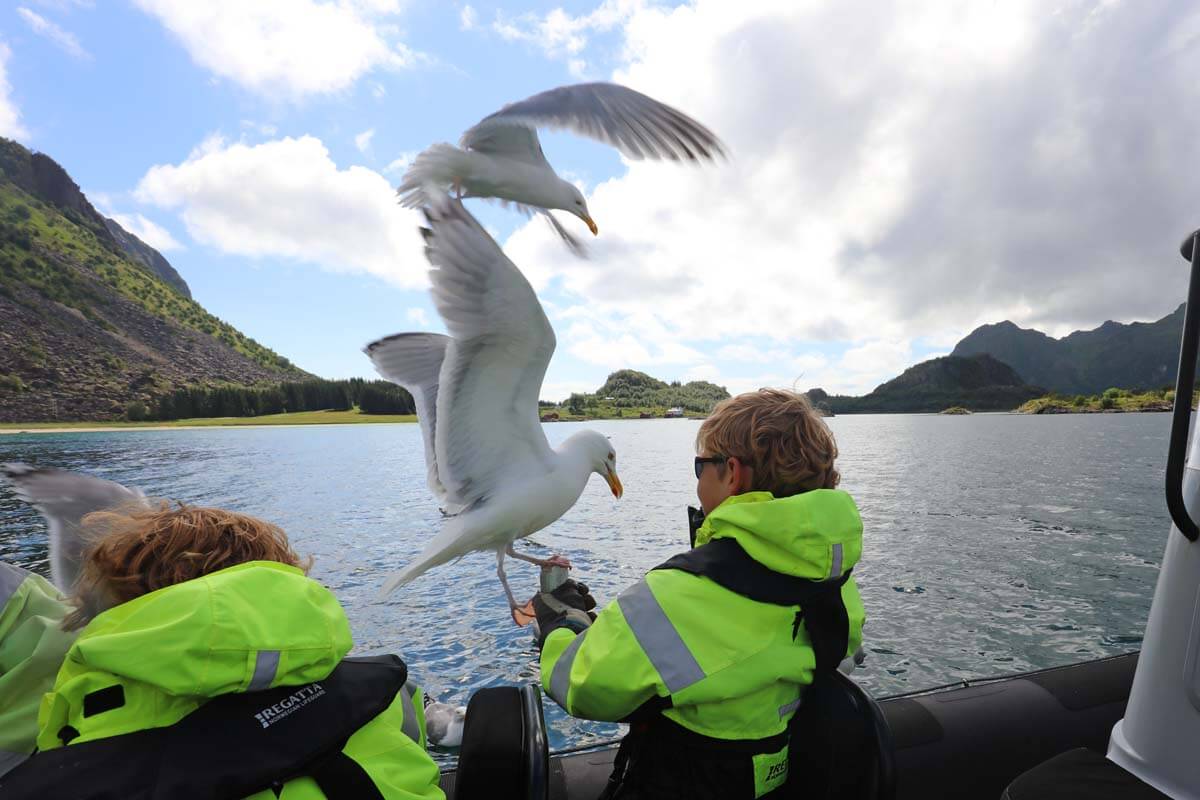
Summer in Lofoten is generally mild. Average temperatures from June through August are typically around 10-20°C (50-68°F), although warmer days are certainly possible. During warm spells, temperatures can occasionally reach 25°C (77°F) or even a bit higher.
June usually has the driest weather and the midnight sun. July is often the warmest month. August remains a great time to visit, but rain becomes more frequent, and evenings can start feeling cooler, especially toward the end of the month.
However, the biggest challenge when packing for Lofoten isn’t the temperature itself but the rapidly changing weather. Sunshine, wind, clouds, and rain can all occur on the same day. That’s why layers, waterproof gear, and good hiking shoes are the most important things to pack for Lofoten in summer.
READ ALSO: Lofoten in Summer: Weather & What to Expect
More Lofoten Travel Guides
Planning a trip to the Lofoten Islands? These guides may also help:
- Lofoten Travel Tips – Practical advice for planning your trip, getting around, and avoiding common mistakes.
- Best Things to Do in Lofoten – The top sights, hikes, beaches, viewpoints, and activities.
- Where to Stay in Lofoten – The best areas and hotels for different travel styles and budgets.
- Lofoten in Summer – Summer weather, midnight sun, what to expect, and seasonal travel tips.
- Best Lofoten Rorbuer – Our favorite traditional fishermen’s cabins and where to book them.
Final Thoughts
If you’re trying to pack light, focus on three essentials: layers, waterproof gear, and good hiking shoes. As long as you have those covered, you’ll be ready for most situations that summer weather in Lofoten can throw at you.
Looking for more travel inspiration and practical advice for Norway? Check out our Norway travel guides for destination ideas, itineraries, hiking recommendations, and travel tips from our trips across the country.
TIP: Save this guide for later, share it with your travel companions, or pin it to Pinterest so you can easily find it again when preparing for your trip.

Thanks for the packing tips. We are arriving in two days and the weather forecast looks dreadful, rain and 10-13°C every day. Do you think it will improve? Any tips?
Hi Lisa, I know how it feels to see a weather forecast like this before your trip, but there’s no point in worrying now. The best tip I can give you is to pack layers, a rain jacket and rain pants, and good shoes/hiking boots. Also, check the weather forecast in the evening or even the morning itself and then decide which part of Lofoten to visit/what to do based on that. Even if it rains in one place, it can be sunny or at least dry in another. We use the yr.no app – in our experience, it’s usually more accurate than most other weather apps.
Hope this helps. Have a great trip!