
Japan Culture Shock: 27 Customs & Things That Surprised Us Most
This site contains affiliate links, which means that we may earn a small commission, at no cost to you, for qualifying purchases. It supports the work that goes into keeping this content free. Thanks for reading! More info: Privacy Policy.
Japan is a unique destination where even the simplest everyday situations can feel strange, confusing, funny, or completely unexpected to foreigners. During our two-week trip, we constantly found ourselves surprised by little cultural differences and unusual Japanese habits.
From heated toilet seats and umbrella dryers to constant bowing, strict rules, endless vending machines, cute characters everywhere, and tiny convenience stores that somehow sell absolutely everything… Japan is full of quirky customs and odd little things that can feel completely unfamiliar to first-time visitors.
Some Japanese customs are slightly bizarre, others take some getting used to, and a few seem genuinely weird at first. After a while, many of these habits start making perfect sense. In fact, there are quite a few moments when you catch yourself wondering why we don’t have some of these things at home.
In this guide, I share the biggest Japan culture shocks, strange customs, and little peculiar details that surprised us the most. I hope you enjoy the read and get to know a little more about this fascinating and wonderfully different country.
1. Japanese Toilets Are Next Level
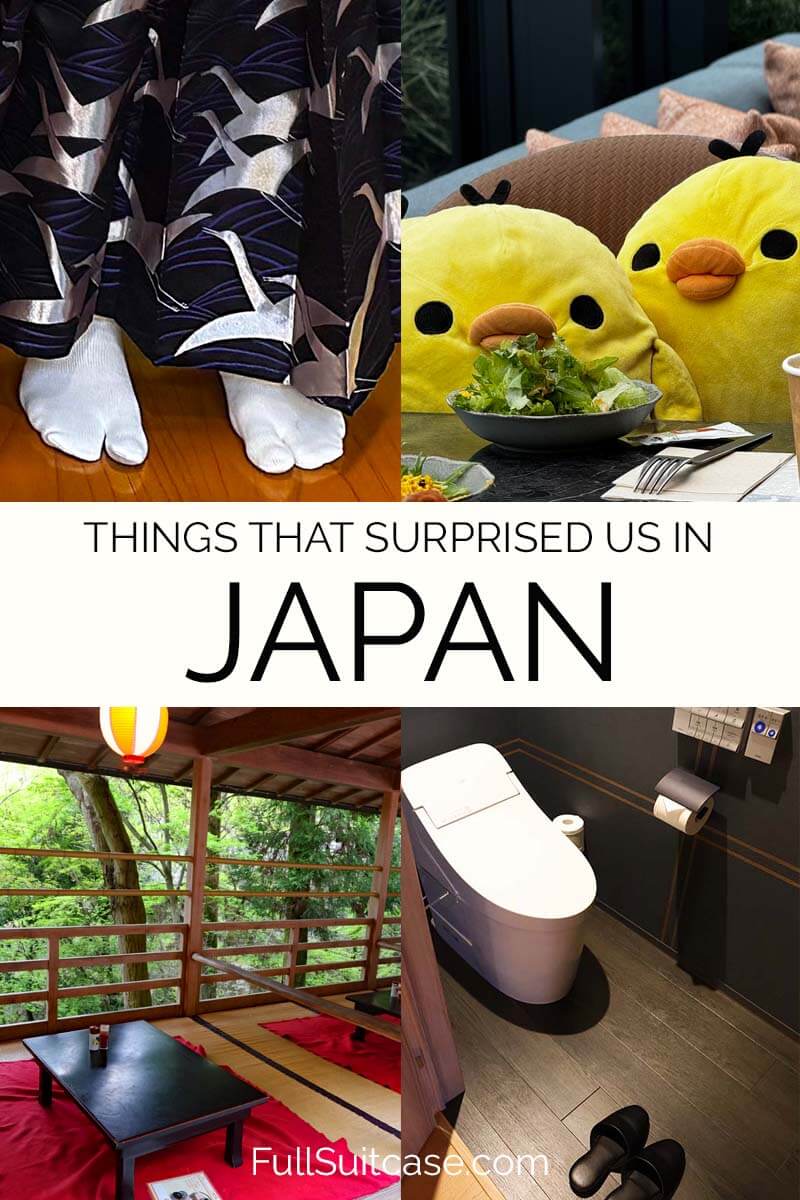
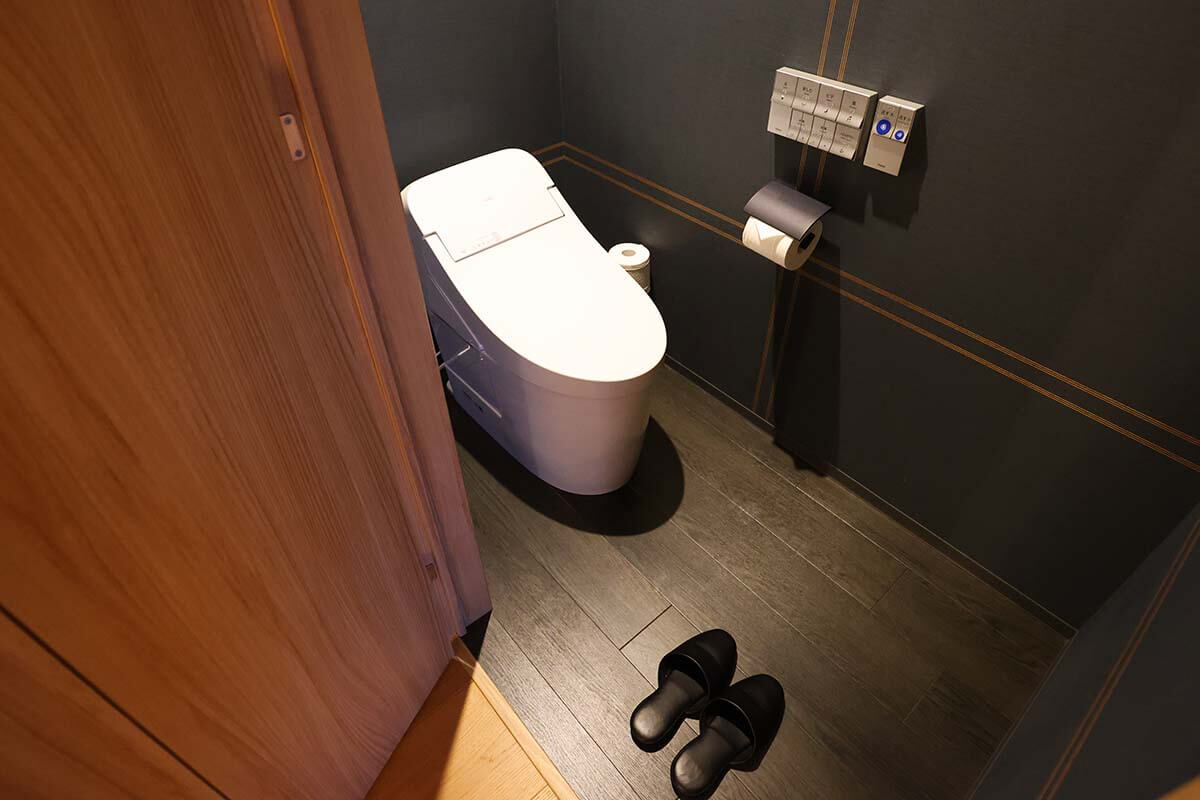
If there’s one thing that surprises most first-time visitors to Japan, it’s the toilets. Japanese toilets are truly next level, with heated seats, high-tech controls, wash and dry functions, music/noise buttons, automatic lids, and more. Honestly, you could probably write an entire book just about Japanese toilets.
Oh, and using a toilet in Japan should come with instructions. Luckily, it usually does – often, even in English. There are so many buttons that it’s overwhelming, and finding the button you need might take a while…
But what impressed us most is that these luxurious toilets are not limited to fancy hotels. You’ll find free public toilets almost everywhere in Japan, from parks and train stations to temples and shrines, and they are usually spotless too.
And just when you think you’ve seen it all, you walk into a toilet and find toilet slippers waiting for you. Yes, the Japanese often use different slippers specifically for the toilet area. Also, toilets are usually separate from the bathroom itself, which is very convenient, especially when sharing a hotel room with family or traveling in Japan with teenagers, as we did.
2. Japanese Bathrooms Are Designed to Get Wet
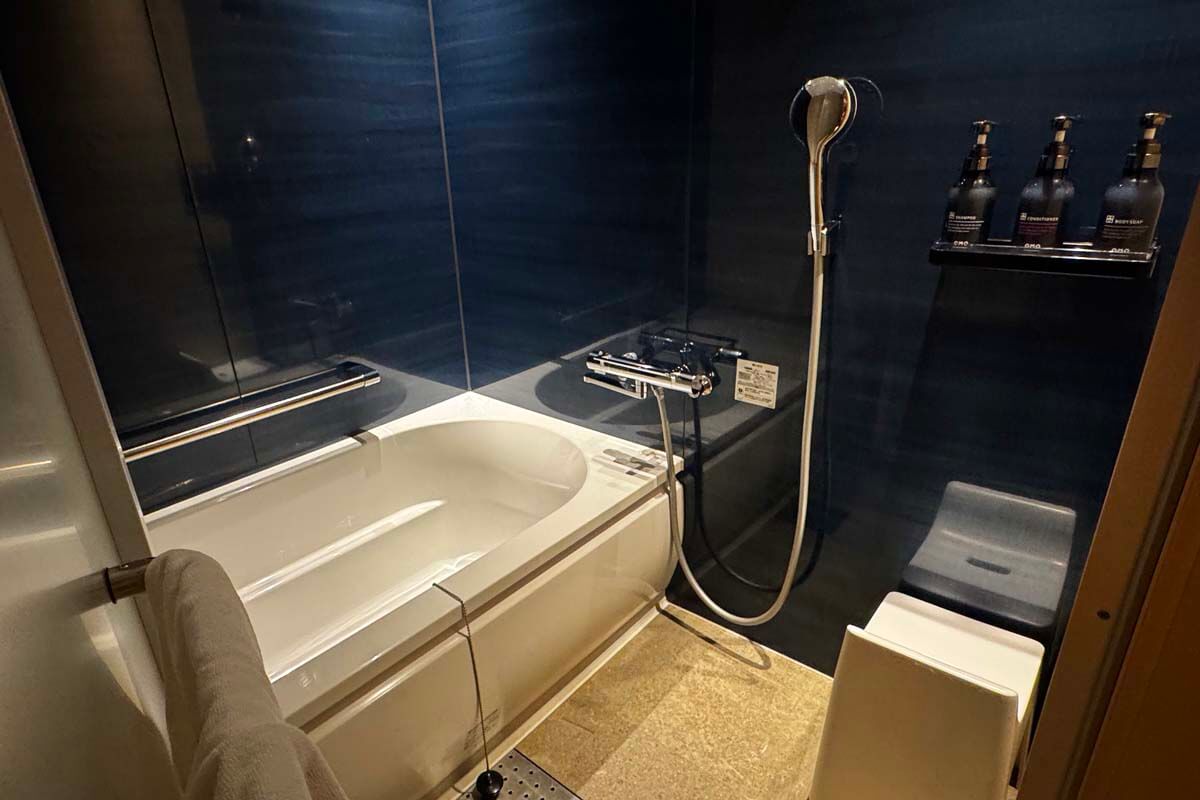
Another thing that we found really weird in Japan was the bathroom setup. In lots of places, the shower head simply hangs next to the bathtub, and the entire room is designed to get wet. Floor, walls, sink, mirror… everything.
The first time we saw this, we genuinely wondered how we were supposed to shower without accidentally turning the whole bathroom into a swimming pool. Bringing dry clothes — or even a towel — into the bathroom suddenly feels like a terrible idea.
Our solution was to shower while sitting inside the bathtub itself, which at least helped keep part of the room dry. But honestly, we still never fully understood the concept. Do people really use the entire bathroom as one giant shower cabin? And where exactly are you supposed to get dressed afterward when traveling with the whole family?
Out of all the bizarre things we saw in Japan, this may be the one thing I truly hope never makes its way to Europe.
3. No Shoes Allowed Indoors
Okay, it’s not quite as dramatic as the title makes it sound. You can still wear your shoes in most hotels, shopping centers, trains, museums, and bigger attractions in Japan. So no, you won’t be walking around barefoot all day.
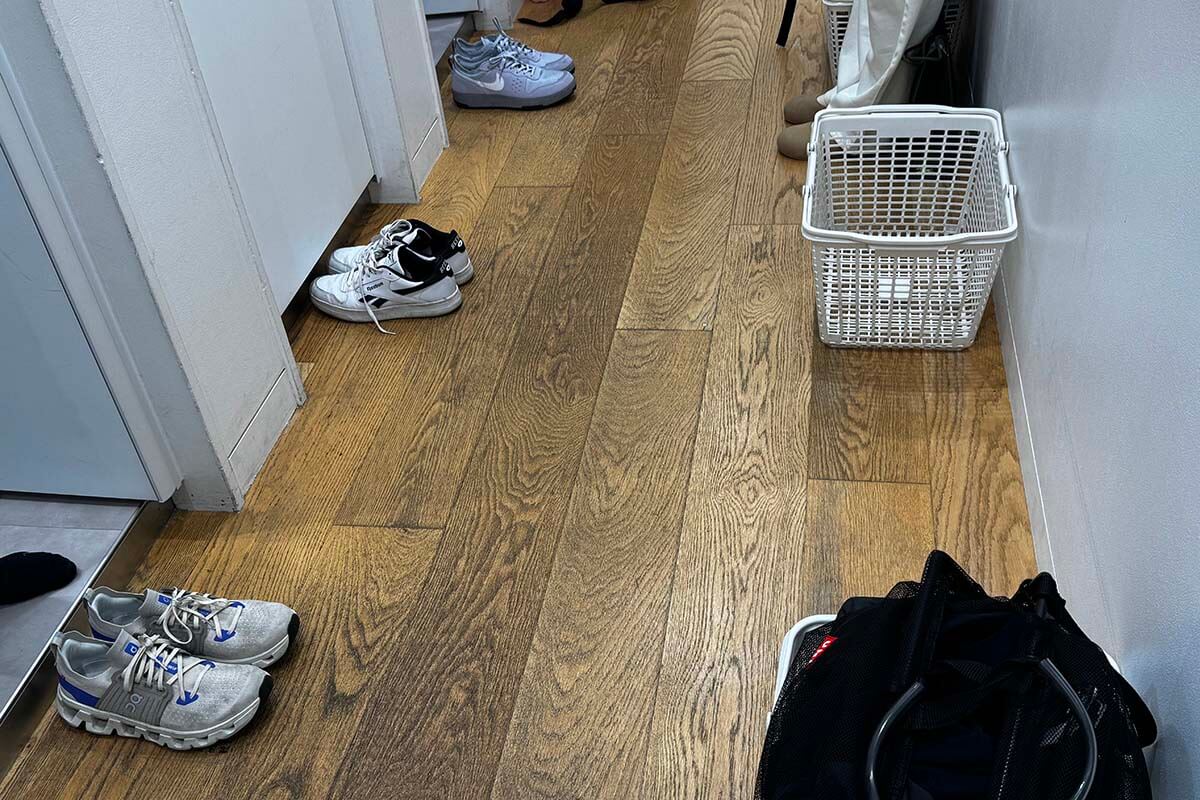
But there are so many places where shoes are not allowed. Some hotel rooms, temples, attractions, restaurants, and even dressing rooms in clothing stores often require you to take your shoes off before entering. Sometimes, you’ll get slippers, but most of the time, you’ll simply walk around in socks.
Taking your shoes off every time you enter your hotel room can feel a bit annoying at first, especially when you forgot something and just want to quickly run back inside. But then you notice how spotless the floors are, and you wish all hotel rooms were as clean…
TIP: Wear nice socks in Japan. You never know when you’ll suddenly be asked to take your shoes off.
4. One-Toe Socks
Talking about socks… Japan also takes socks to a whole new level.
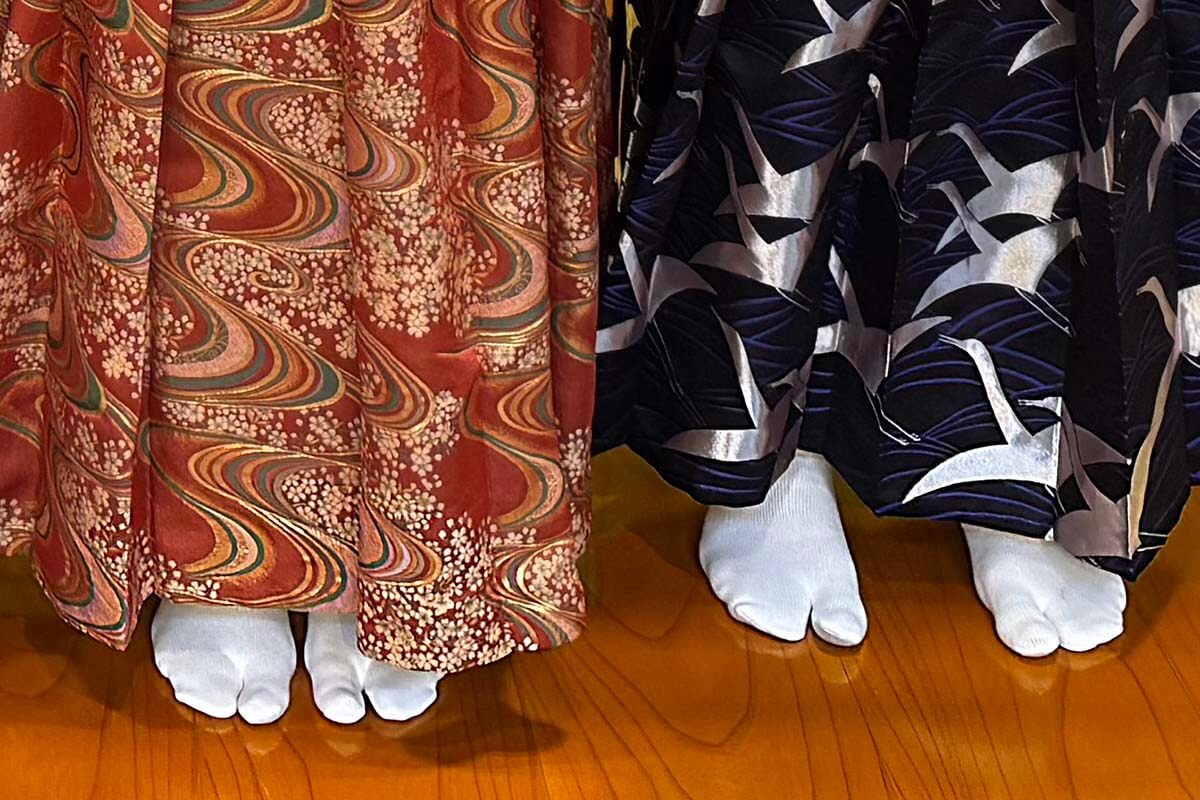
One of the strangest things we kept noticing were the traditional Japanese socks with a separate big toe, and sometimes even separate sections for every toe. They may look a bit odd to most Western visitors, but they are designed to be worn with traditional sandals and kimono outfits.
You’ll often see them worn by geishas, temple staff, or people dressed in traditional clothing. We even got a pair ourselves during our samurai sword lesson in Kyoto, which made the whole experience feel even more fun and authentic.
TIP: Separate-toe socks can make a pretty fun and practical souvenir to bring home from Japan.
5. So Many Rules (And Everyone Actually Follows Them)
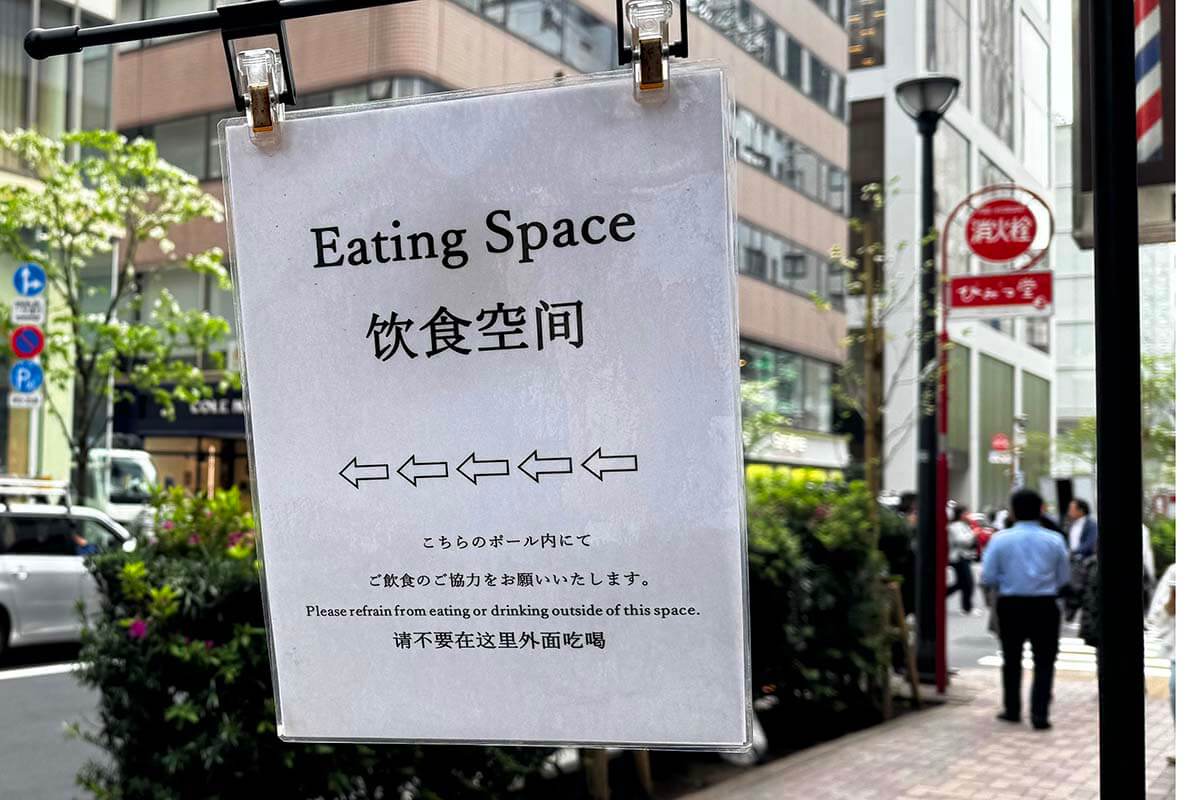
Japan can sometimes feel like a country with a rule for almost everything. No eating while walking, no eating outside designated eating zones, no smoking on the streets, standing in exact queue lines, waiting patiently for your precise entry time, following the arrows to stay on the right side of the stairs… The list goes on.
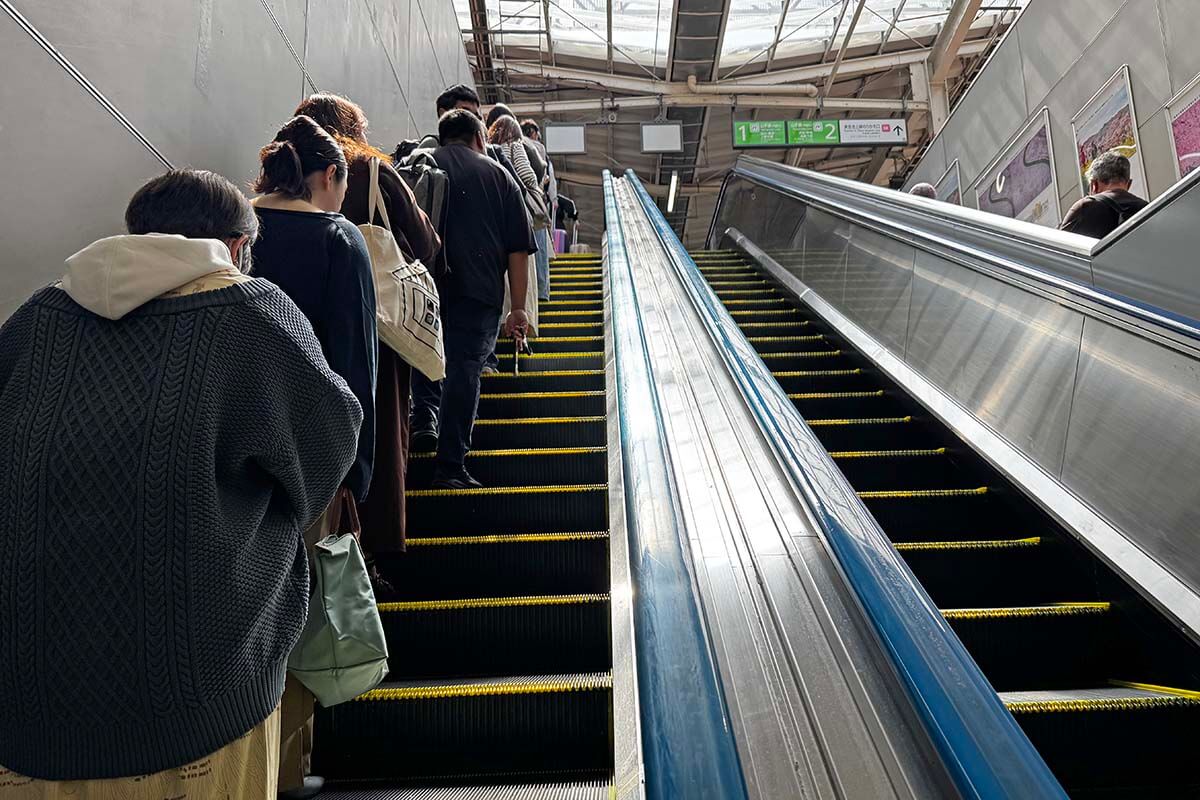
Even escalators have rules. In Tokyo, people generally stand on the left side and walk on the right, while in Osaka, it’s the opposite. But interestingly, in very touristy places, everyone — including the Japanese — often just follows whatever side the crowd happens to be using.
As Europeans, one of the strangest adjustments for us was not being able to casually eat or enjoy an ice cream while walking around, or even sitting on a bench just outside designated eating areas.
Some of these rules can feel a bit excessive, and there were so many moments when we found ourselves wondering, “Wait, are we even allowed to stand here?” Or why attractions wouldn’t let people enter even one minute before their time slot, while nobody seems to mind how long you stay once you’re inside.
But what surprised us even more than the rules themselves is how seriously everyone follows them. And after a while, it becomes hard not to appreciate it. When millions of people live so close together, all these little rules probably make everyday life much smoother for everyone.
6. Quiet Cities and Extremely Polite People
One of the unique things about Japan is how quiet everything feels despite the enormous crowds. Tokyo is one of the biggest cities in the world, yet public transport is often so quiet that you could hear a pin drop. Well, apart from the occasional cute music jingles and station announcements.
People rarely talk loudly in public, and we never saw anyone speaking on the phone on trains or metros. Everyone seems very aware of not disturbing others, and people are generally incredibly respectful and helpful.
The politeness is on another level, too. Bowing is part of everyday life, and store, restaurant, and hotel staff greet customers with bows when they enter and leave.
Some moments felt almost embarrassing to us. A small restaurant owner in Tokyo walked outside with us after dinner and kept bowing every time we looked back, until we finally turned the corner. At a luxury hotel in Osaka, the staff bowed to each guest entering the elevator, and then again when leaving. The entire elevator ride seemed to consist of nothing but people bowing to each other. Our teens found it hilarious.
READ ALSO: One Day in Osaka: Itinerary with Highlights & Local Food
7. Queuing is Normal
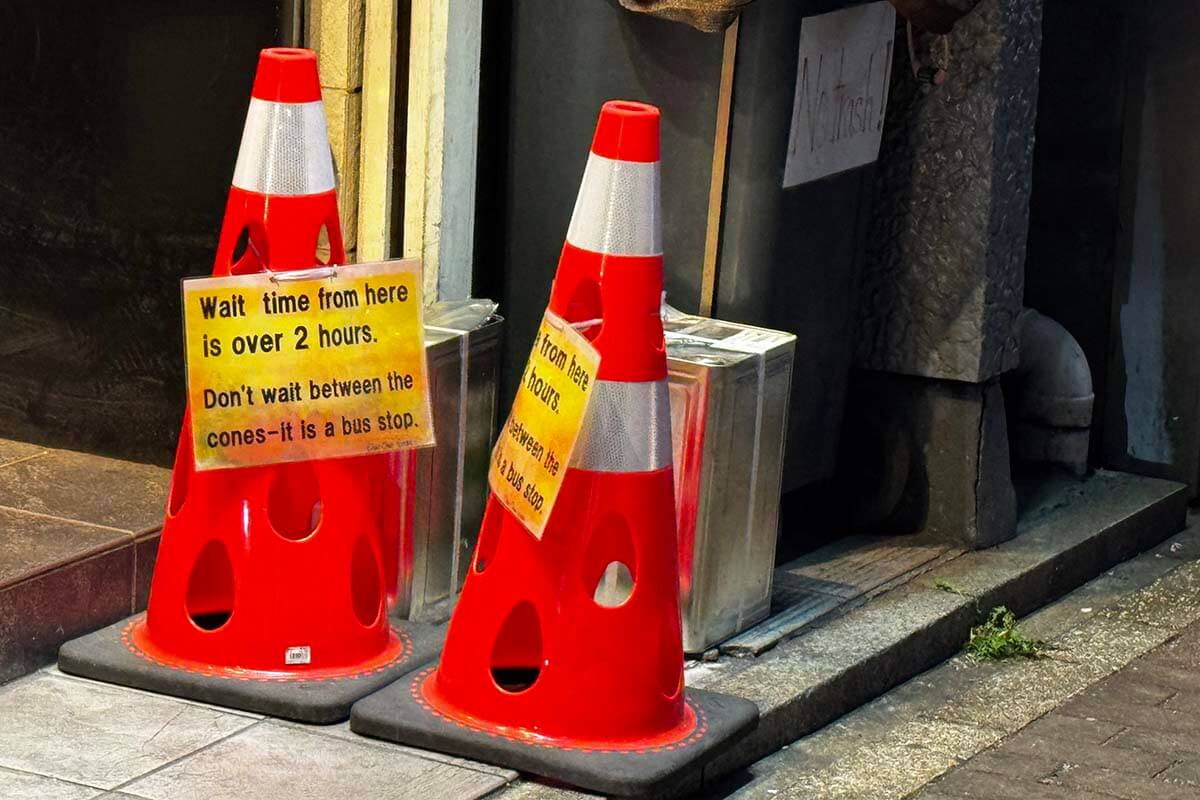
If there’s one thing Japan seems to have perfected, it’s queuing. There are lines for trains, elevators, restaurants, attractions, shops, and bakeries, and they are all perfectly organized.
What surprised us most is how completely normal they seem to everyone. People quietly stand in their exact spots, follow the painted floor markings, wait patiently for their turn, and rarely try to skip ahead. I asked a couple of local guides about all this queuing, and they just shrugged and said it’s Japan…
And the queues can get surprisingly long. People don’t mind waiting an hour for an Instagram-famous photo spot, several hours to eat at a trendy restaurant, or lining up outside designer stores and outlet shops before they even open…
8. Japan Runs on Convenience Stores
Before visiting Japan, I thought convenience stores were just places to quickly grab a drink or a snack, basically a last resort when there were no better alternatives. Japan completely changed my opinion on that.
FamilyMart, Lawson, and 7-Eleven stores are literally everywhere, they seem to be always open, and — despite being tiny — they somehow manage to sell almost everything you might possibly need. Fresh meals, surprisingly good sandwiches, hot and cold drinks, desserts, toiletries, umbrellas, chargers, socks, cosmetics, concert tickets… The list goes on.
And these are not sketchy little corner stores either. Japanese convenience stores are clean, efficient, well-organized, and genuinely useful. We often stopped there several times a day.
You can even use some convenience stores to withdraw money from an ATM or send luggage to your next hotel, which we actually did during our trip. It felt very strange at first to hand over our suitcases at a 7-Eleven, but it worked perfectly.
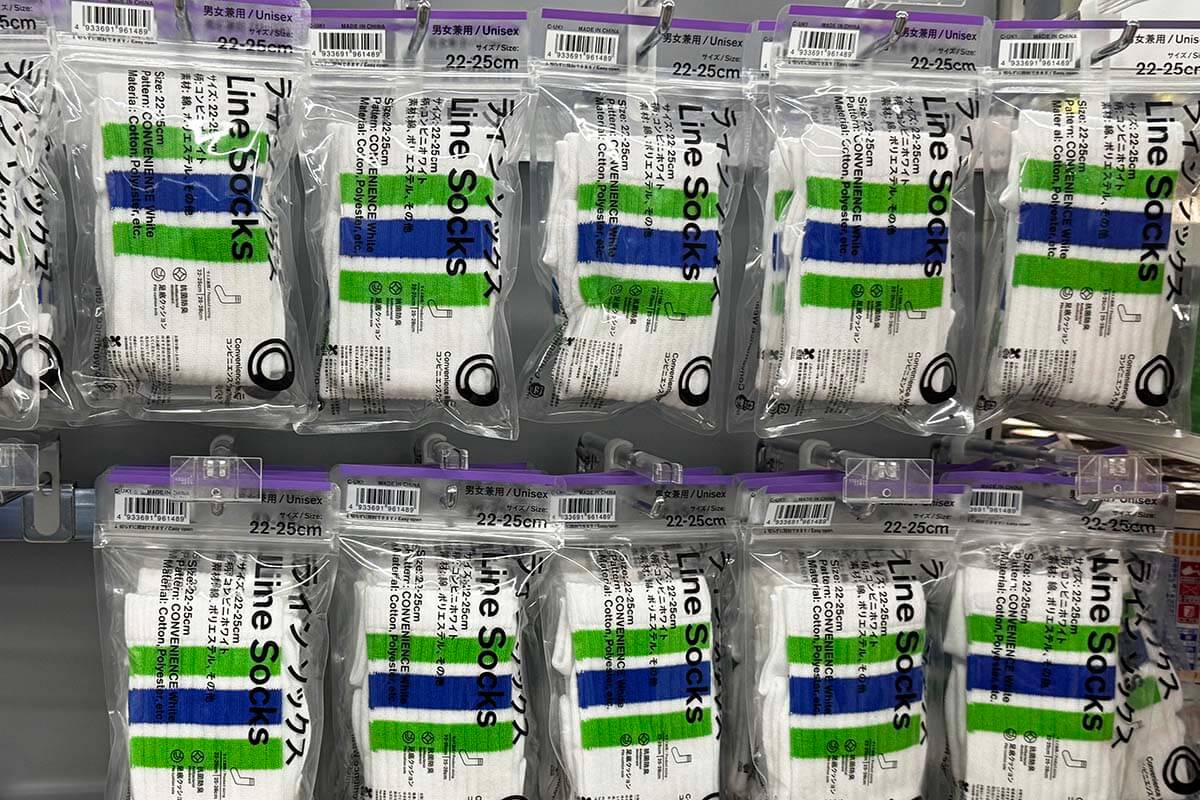
And speaking of convenience stores, the white socks with green and blue stripes from FamilyMart have somehow become one of Japan’s unexpectedly iconic souvenirs. We had read about them before our trip, and our teens stocked up on enough pairs to last for years. They definitely preferred them over the traditional one-toe Japanese socks.
9. Vending Machines Are Everywhere & They Sell Everything
What’s the big deal with vending machines, you may wonder. We have them all over the world. Well, once again, the Japanese take this to the next level.
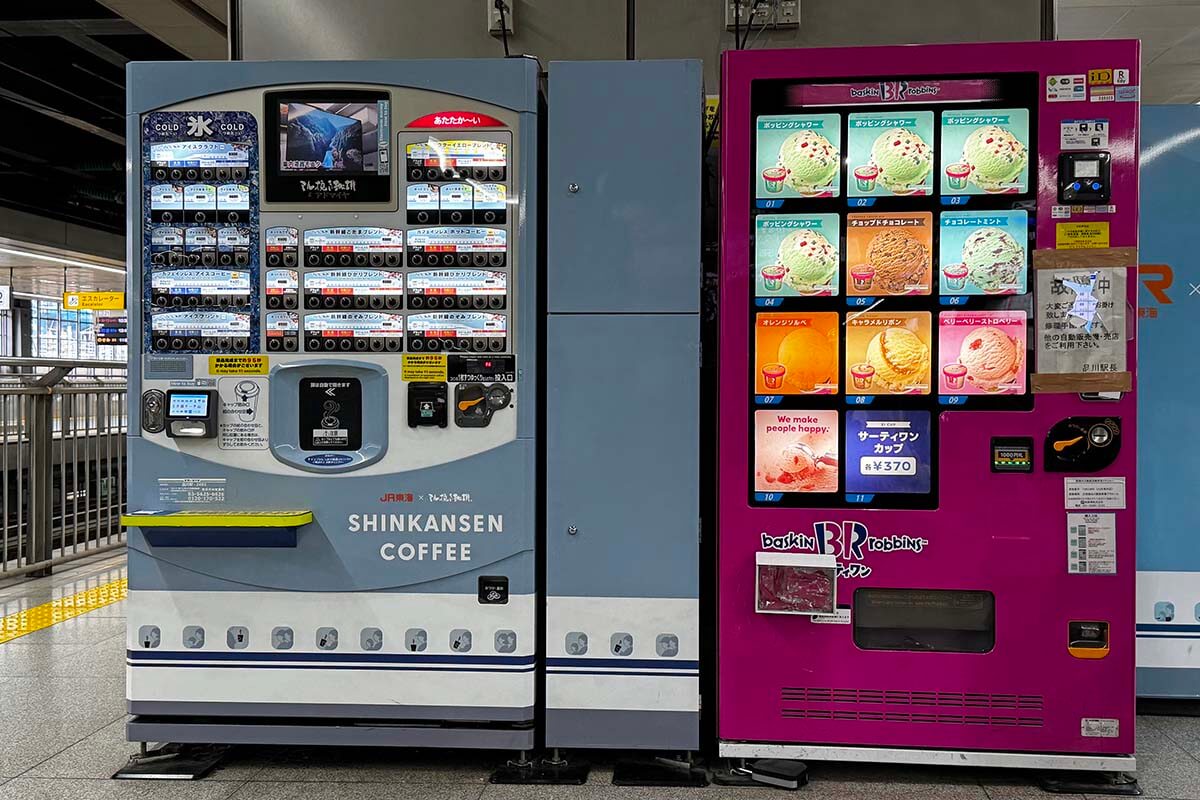
Vending machines are absolutely everywhere in Japan, including in the most random places you can imagine. We saw them at car parks, outside residential buildings, along quiet streets, next to temples, at tourist attractions, inside shops and stations, and basically on every other corner in cities. Japan wants to make sure you are never more than a minute away from a drink.
Most vending machines sell drinks, but not just cold water or soda. You’ll also find hot coffee, warm tea, flavored drinks, sports drinks, soups, and sometimes even ice cream.
And unlike in many European countries, buying a drink from a vending machine in Japan doesn’t have to cost you an arm and a leg. In Europe, you can easily pay 3-4 euros for a small bottle of water at a tourist attraction or train station. In Japan, drinks from vending machines were often closer to 0.5-1 euro, and usually for larger bottles too.
One big advantage of this is that there’s hardly any need to carry a water bottle around in Japanese cities unless you really want to. Whenever you get thirsty, there’s almost always a vending machine nearby, which is especially handy when traveling with kids and teens.
10. Hardly Any Trash Bins — Yet Everything Is Spotless
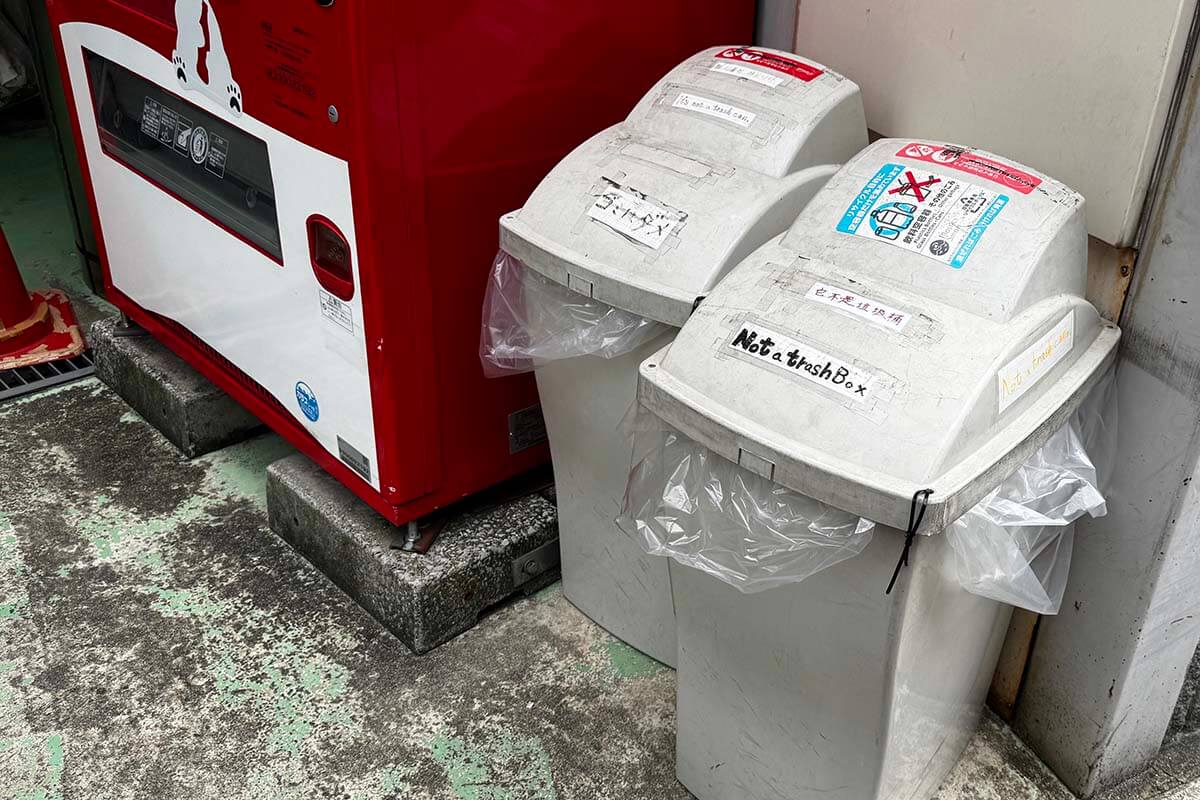
One of the biggest contradictions in Japan is that there are hardly any public trash bins, yet the streets are incredibly clean.
This can be surprisingly inconvenient for tourists. You finish a drink from a vending machine or have a dirty napkin, and then suddenly realize there’s nowhere to throw it away. We often ended up carrying empty bottles or trash around for hours.
You’ll sometimes find recycling bins next to vending machines, but regular trash bins are much rarer. And bathroom trash cans are often so tiny that they are practically useless. Apparently, many people simply take their trash home with them.
Somehow, despite all this, Japan still feels noticeably cleaner than many places in the West where trash bins are everywhere. The strict rules about eating while walking probably help too.
TIP: You may want to carry a small plastic bag for your trash while sightseeing in Japan. It often comes in handy.
11. Tiny Stuff
Talking of tiny trash cans… This is just one example of how many everyday items in Japan are designed on a much smaller scale.
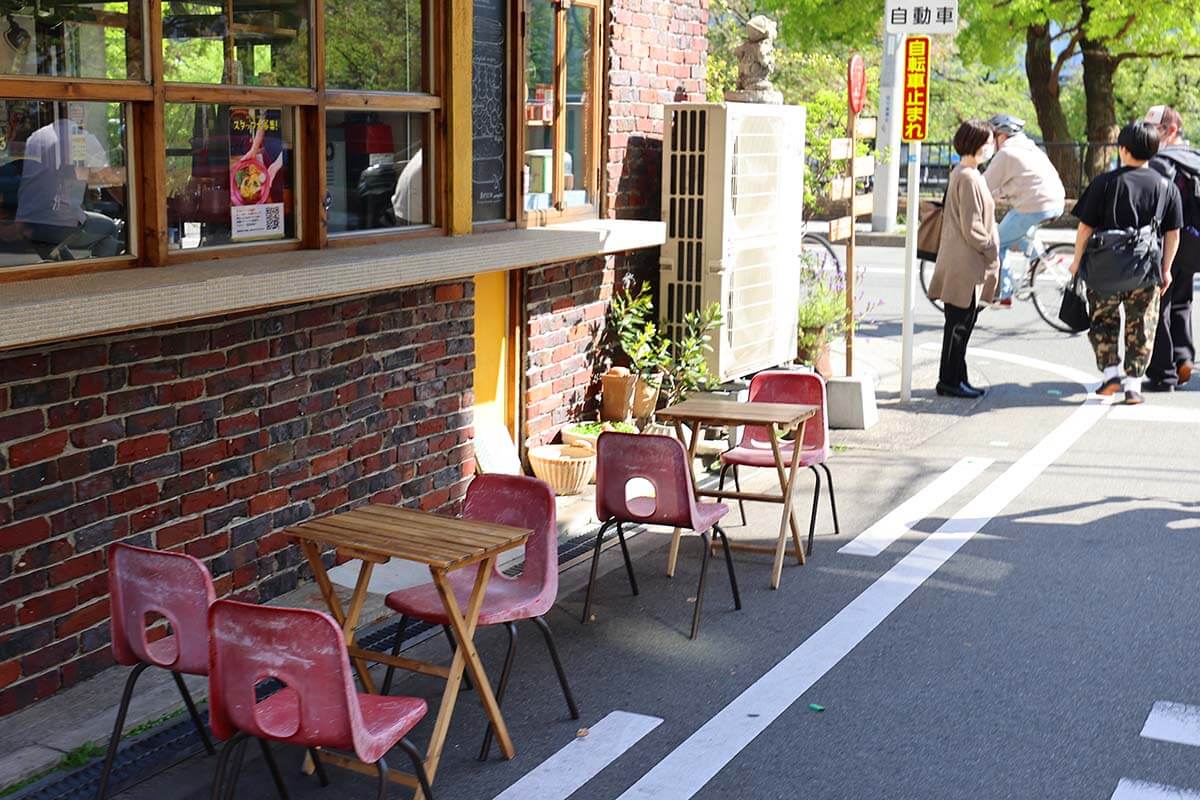
Hotel rooms, bathrooms, restaurants, tables, chairs, cars, parking spaces… Everything often feels far more compact than what most Western visitors are used to. And that’s coming from us Europeans, who already consider many things in the U.S. enormous (I actually wrote a whole article about strange American habits from a European perspective). For Americans, many things in Japan must feel even tinier.
All these compact spaces take some getting used to, especially if you are tall or traveling as a family. Finding restaurants with enough space for everyone or fitting luggage into tiny hotel rooms can sometimes feel like solving a puzzle. But at the same time, the Japanese are incredibly good at using limited space efficiently, so things usually work much better than you initially expect.
After a while, you stop noticing it altogether — until you sit down at a restaurant table that feels designed for little kids and suddenly find yourself folding your legs like Gulliver in Lilliput.
Even on the Shinkansen trains, we noticed that the legroom and footrests in the Green Cars (business class) seemed clearly designed with shorter people in mind. Our teenagers are all quite tall, and they actually preferred the regular seats without the fancy footrests.
12. Public Transport Feels Like a Different Universe
Talking of Shinkansen, we have to mention Japan’s public transport system, which is incredibly impressive. Trains arrive exactly on time, metros are extremely efficient, and despite the enormous crowds, everything somehow keeps moving smoothly.
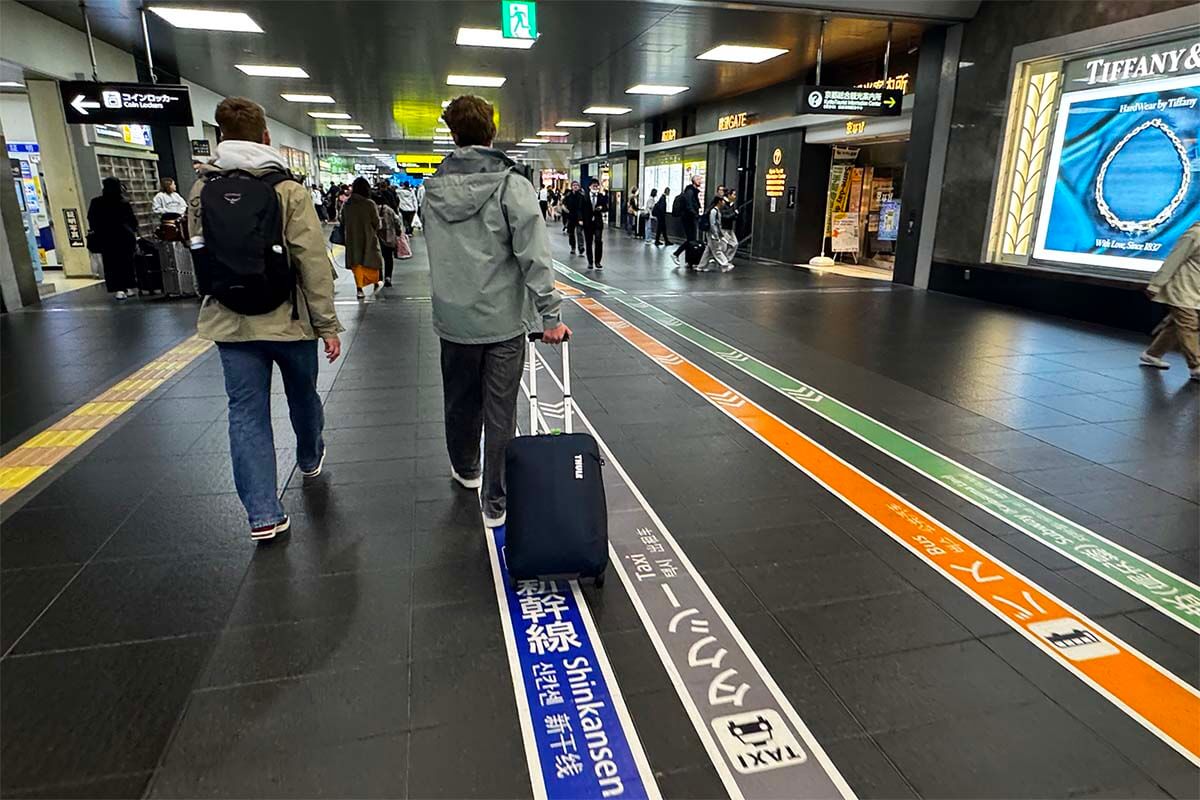
What surprised us most is how easy the system becomes once you understand the logic (and have Google Maps telling you exactly which train to take, which platform to use, how much the ticket costs, and precisely when the next connection leaves 🙂 ). You can use one IC card on almost all trains, metros, and buses, despite the many different operators. Metro stations are identified not just by names, but also by letters and numbers, and there are colored lines and floor markings guiding people to the correct platforms and train doors.
Still, some stations feel like massive underground cities. Shinjuku Station alone handles millions of passengers per day and is considered the busiest train station in the world. Shibuya Station is similarly enormous, with endless exits, tunnels, underground shopping areas, restaurants, and connections between different train and metro lines.
TIP: If you feel lost inside a station, it’s often easier to get above ground first and figure out where to go from there. Otherwise, you can waste a very long time wandering through underground corridors trying to find the correct exit. Search YouTube or TikTok, and you’ll find plenty of funny videos and memes about getting lost in Shinjuku Station.
PRO TIP: When choosing where to stay in Tokyo, we highly recommend booking a hotel close to a smaller metro station rather than near huge hubs. We stayed at OMO5 near Gotanda Station, and it made the daily commute so much easier and less overwhelming. My first instinct was to look for a hotel close to the main train stations or most popular areas, and I’m so glad we reconsidered.
13. You Can Send Your Luggage Across Japan
Talking of things that make life easier… One of the most ingenious inventions in Japan is the luggage delivery system. Instead of dragging heavy suitcases through giant train stations and crowded metros, you can simply send your luggage directly to your next hotel.
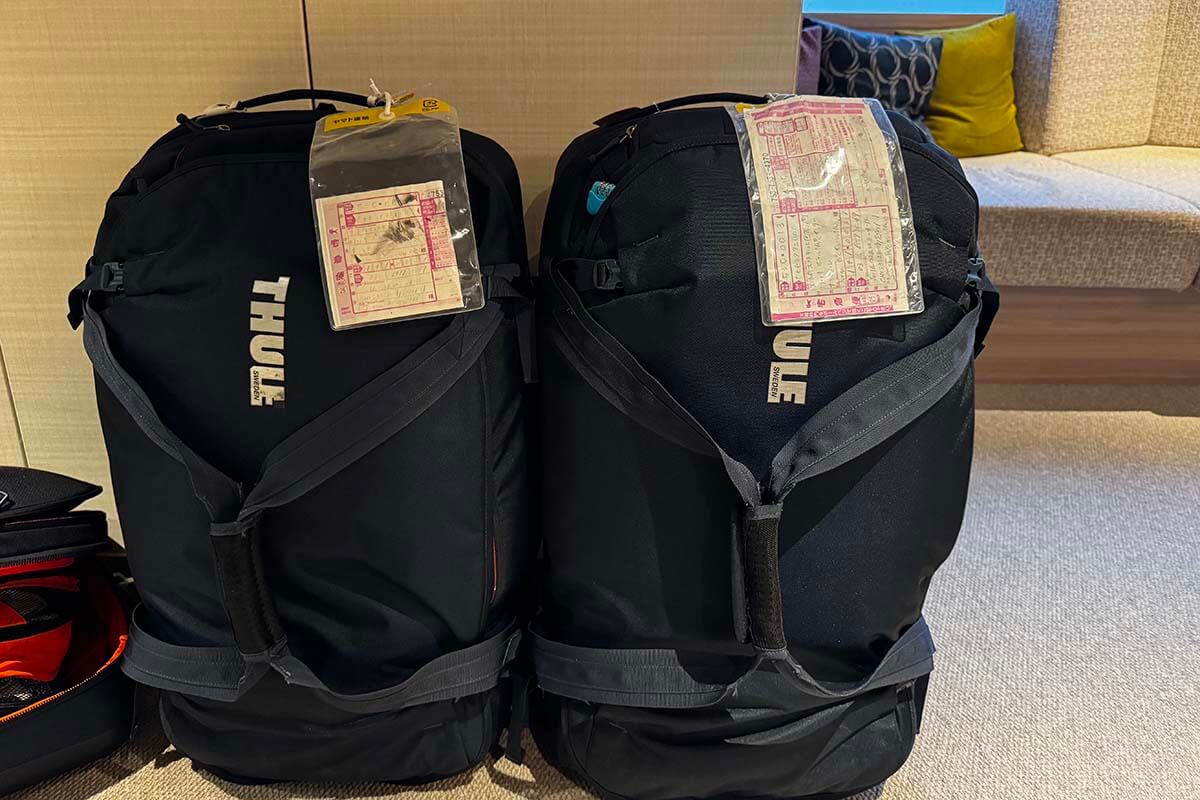
We used this service twice during our trip — once from a 7-Eleven in Kyoto (our hotel itself didn’t offer luggage shipping), and another time directly from our hotel in Tokyo to our hotel in Osaka.
I have to admit, handing over all our suitcases at a convenience store initially felt a bit stressful, so naturally, I hid AirTags inside. But tracking the bags quickly showed just how efficient the system is. We sent them the day before leaving, and they arrived at our next hotel before we did.
14. Japanese Hotels Think of Everything
One thing that really surprised us about Japan was how incredibly well-equipped the hotels are. From slippers and bathrobes to toothbrushes, hair brushes, cotton buds, skincare products, shampoos, razors, shoe cleaners, sponges, earplugs, and all sorts of other little extras… Japanese hotels really seem to think of everything you might possibly need.
Some hotels provide so many amenities that it almost feels unnecessary to unpack your own toiletries at all. In fact, if you are staying at a really nice hotel, you could probably leave most of that stuff at home. And unlike in many Western countries, these items are usually included free of charge.
One of our hotels even had an emergency supplies box inside the room, presumably in case of earthquakes or other emergencies. It was one of those moments that made us stop and think, “Of course, Japan would prepare for this too.”
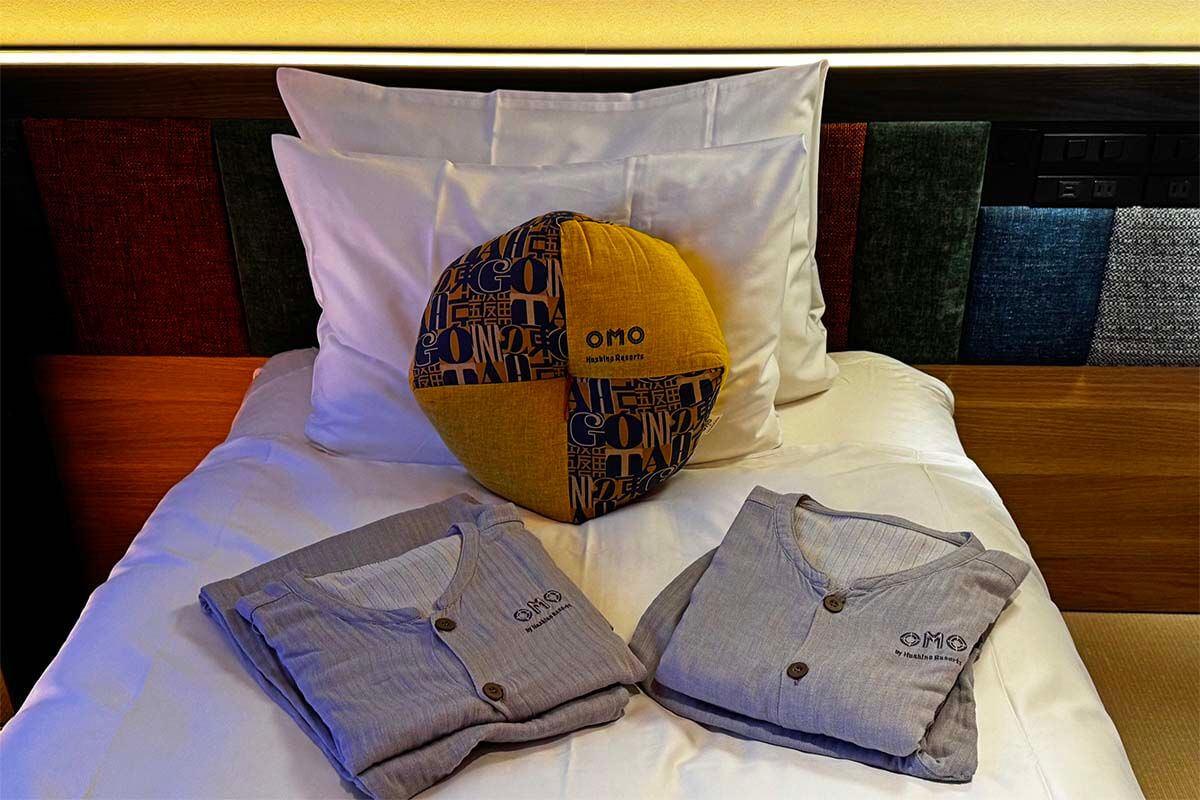
And then there are the famous Japanese hotel pajamas. We fell in love! They are super soft, comfortable, and somehow seem to fit almost everyone. Our teens were genuinely disappointed they couldn’t take them home.
15. Japan Loves Cute Things
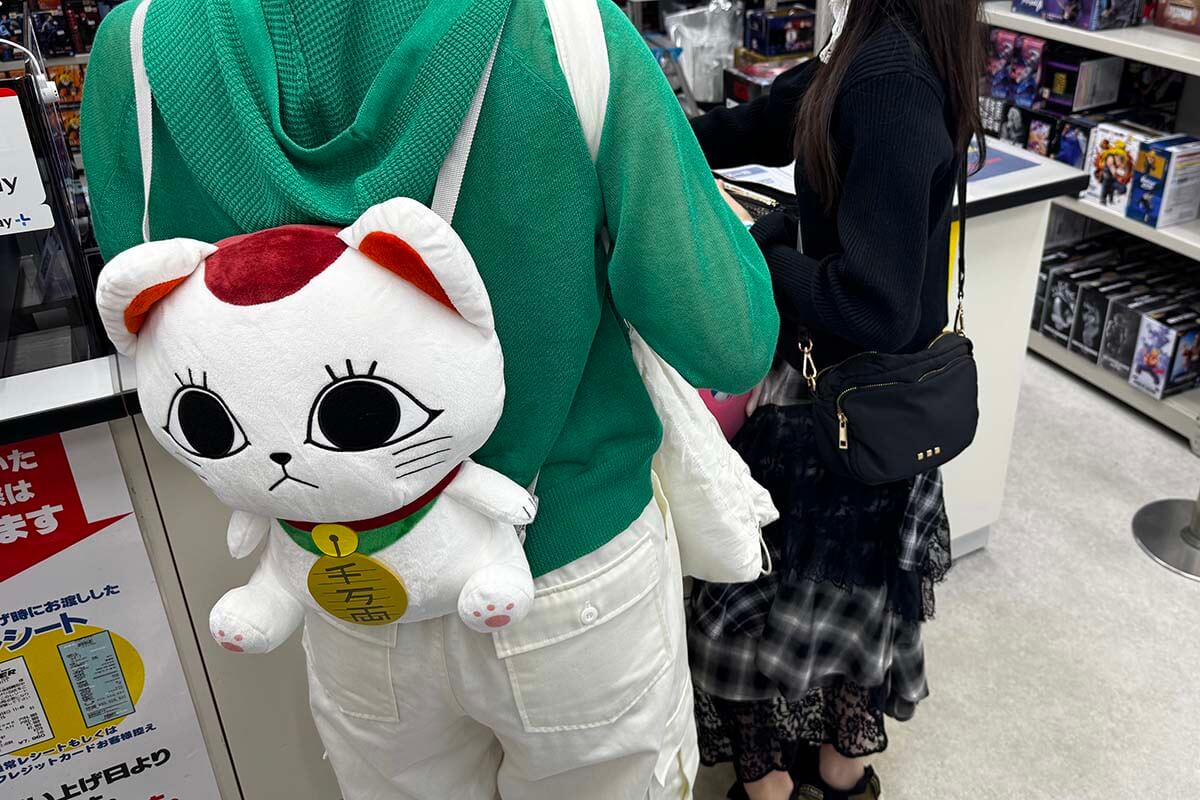
One thing we really loved about Japan is how normal “cute culture” is. And it’s definitely not just for kids. You see businessmen wearing cute socks, grown men with cartoon characters attached to their handbags (yes, handbags for men — why not), girls dressed in the most adorable skirts and dresses, and middle-aged women bringing yellow plush birds to breakfast and ‘feeding’ them salad.
Cute mascots, cartoon characters, colorful packaging, themed cafés, anime figures, and funny jingles are everywhere. And not in a childish way either. In Japan, even serious companies, police warnings, construction signs, and public transport notices often use cute characters. Some metro stations even play the cutest little melodies before announcements.
Anime and manga culture is also impossible to miss, especially in big cities. Adults shop for figurines, play arcade games, try claw machines, collect gachapon capsule toys, and quietly read manga or play games on their phones on the metro.
The whole country sometimes feels designed to be visually pleasing. Cherry blossoms, wisteria tunnels, colorful flower parks, beautifully presented seasonal foods, limited-edition snacks, themed drinks… Japan fully embraces every season and somehow manages to make even simple everyday things feel adorable.
At first, all this cuteness overload can feel a bit unusual to Western visitors, especially because adults embrace it just as much as kids do. But it makes everyday life feel more cheerful, playful, and a lot less serious. This is one of our favorite aspects of Japanese culture.
16. Japanese Take Photo Shoots Very Seriously
One thing we kept noticing all over Japan is how many professional-looking photo shoots are happening everywhere.
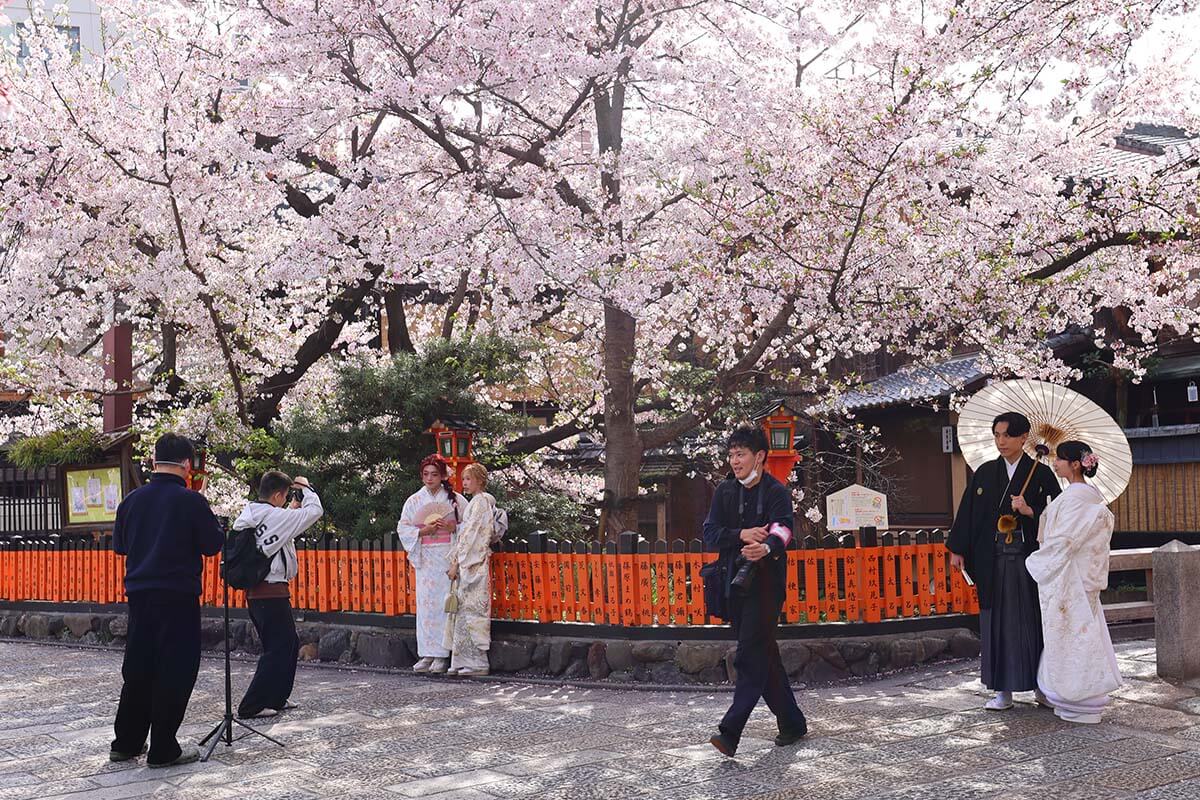
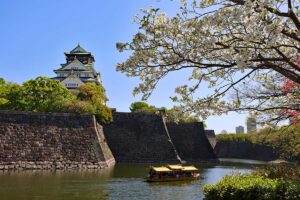
We visited during cherry blossom season, so that probably made it even more extreme, but the scale of it was honestly impressive. In parks, temples, gardens, and even under a random sakura tree on ordinary streets, there are constantly people posing for photos. Many of them are dressed in beautiful traditional kimonos and accompanied by photographers carrying serious camera equipment.
And it’s not just couples taking engagement or wedding pictures. We saw families, young women doing solo shoots, and friends carefully photographing each other under the cherry blossoms for what felt like hours.
What makes it especially remarkable is how seriously everyone approaches these photo shoots, completely ignoring the chaos around them. Perfect poses, carefully arranged hair, umbrellas tilted just right, endless retakes, photographers lying flat on the ground for the perfect shot… Even the children patiently pose exactly as instructed.
Meanwhile, we were just trying to take one reasonably decent family picture before our teens rolled their eyes and walked away.
17. Small Everyday Things That Make Sense
Every day in Japan, we noticed another tiny detail that made us think: that’s actually really smart.
Restaurants often give you a hot towel or wet wipe before meals, convenience stores will heat up your food, and many restaurants provide little baskets under the table so you can store your bag instead of putting it on the floor. Menus with pictures are also very common, not just in touristy places, and they can be a real lifesaver.
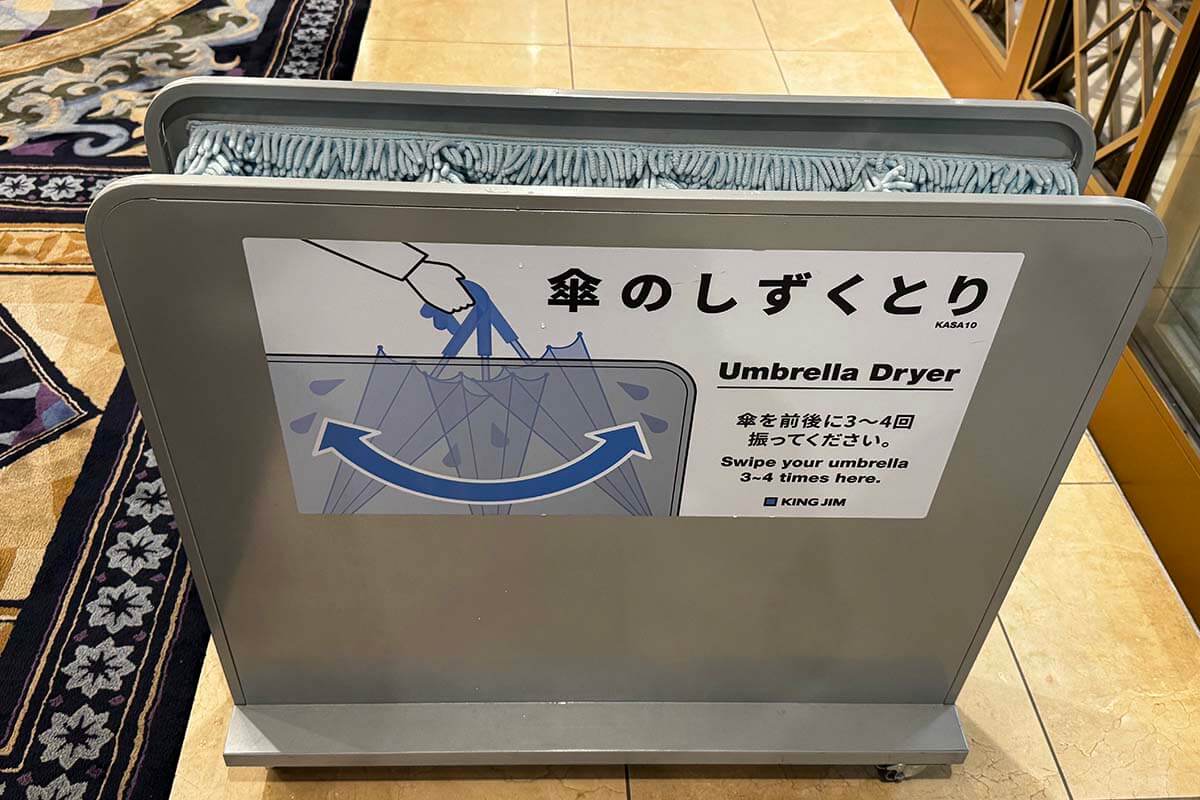
On rainy days, stores place plastic covers over your shopping bags. They also have special covers for wet umbrellas or umbrella dryers at the entrance so customers don’t drip water everywhere. We even saw umbrella rental systems where you can borrow one when it suddenly starts raining.
Even paying is different. Instead of handing money directly to the cashier, you usually place it into a machine or on a small tray, which somehow makes the whole interaction feel more organized, especially when dealing with unfamiliar coins and banknotes.
And then there are all the other practical little details like coin lockers at train stations, paid bike parking systems, incredibly detailed signage, and those famous high-tech toilets that somehow turn every bathroom visit into an experience.
All these tiny things make everyday life in Japan feel incredibly thoughtful and practical.
18. Cash Is Still Surprisingly Important
For a country that feels so futuristic in many ways, Japan can also feel surprisingly old-school when it comes to payments.
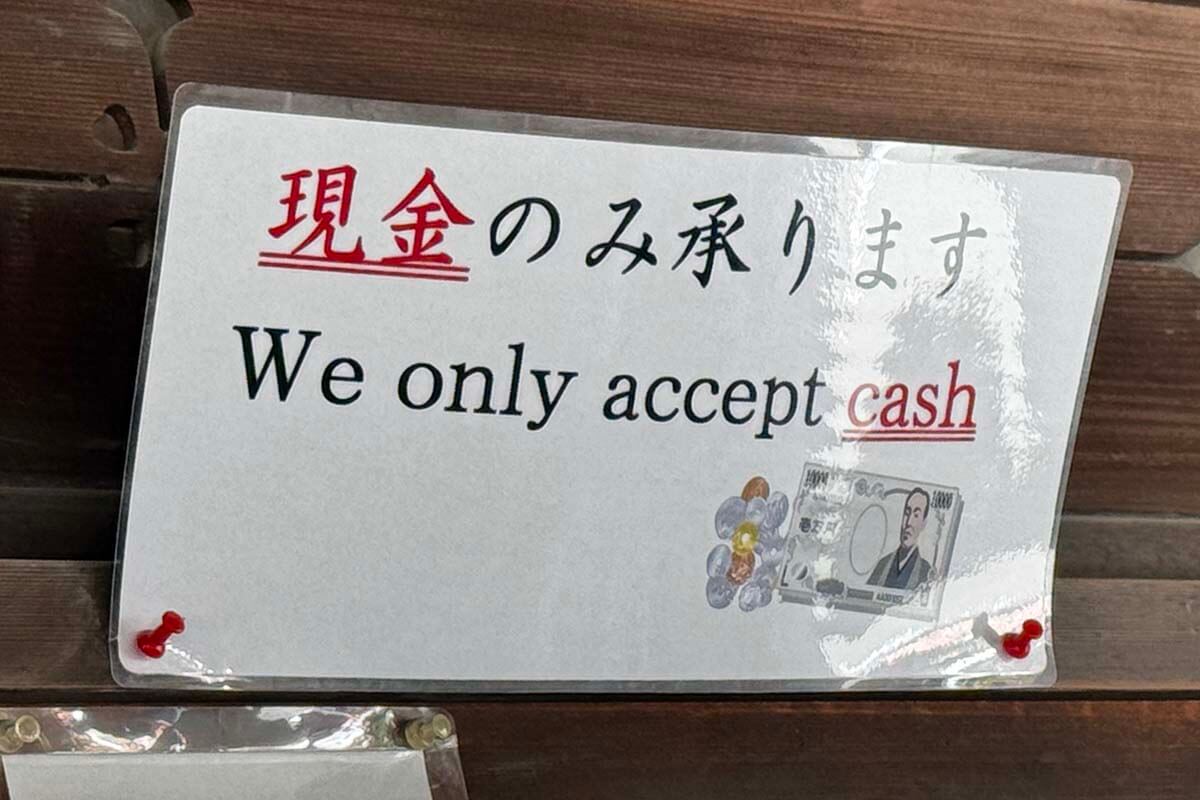
While credit cards and cashless payments work in most places, you should always carry some cash. Quite a few smaller restaurants, temples, shops, and ticket machines still prefer cash. Some places only accept cash altogether.
What felt especially strange was that we couldn’t even use a credit card to top up our Suica cards (which can be used to pay for public transport, vending machines, convenience stores, and all sorts of other things across Japan). Using cash to load a cashless payment system feels oddly modern and old-fashioned at the same time.
TIP: Get some cash from an ATM early in your trip, ideally a larger amount at once to minimize withdrawal fees. We withdrew money once at a 7-Eleven ATM, and the fees were surprisingly low. We took out 100,000 yen (roughly $600), and it was more than enough to cover all the cash-only payments for the four of us during our two-week trip. We even had some left to spend on the last day.
19. Restaurant Culture Is Completely Different
Eating out in Japan feels quite different from what most Western visitors are used to. One of the biggest surprises for us was how specialized many restaurants are. Instead of serving a bit of everything, places often focus on just one type of dish — ramen, sushi, tempura, okonomiyaki… This can make deciding where to eat really challenging, especially when traveling with a bigger family where everyone wants something different.
Many restaurants are also incredibly small, sometimes seating only a handful of people, which partly explains all those queues outside. Luckily, despite the tiny kitchens and limited space, the food often arrives surprisingly fast. Oh, and water is usually free, although in some places, you have to get it yourself.
Ordering food in Japan can often feel a bit stressful too. Some restaurants use vending machines where you buy your meal before sitting down, while others give you a tablet that may or may not make much sense in English. More than once, we weren’t entirely sure what we had actually ordered until the food arrived. And yes, it’s quite easy to accidentally add extra items somewhere along the way and suddenly get a mysterious additional dish delivered to your table… by a robot.
Another adjustment — especially for American visitors — is that customization is often quite limited. Asking to remove ingredients, substitute sides, or heavily modify dishes is not really common. The general feeling is more: this is the dish exactly as the chef intended it to be. And talking about things Americans might find strange in Japan, tipping is generally not expected either.
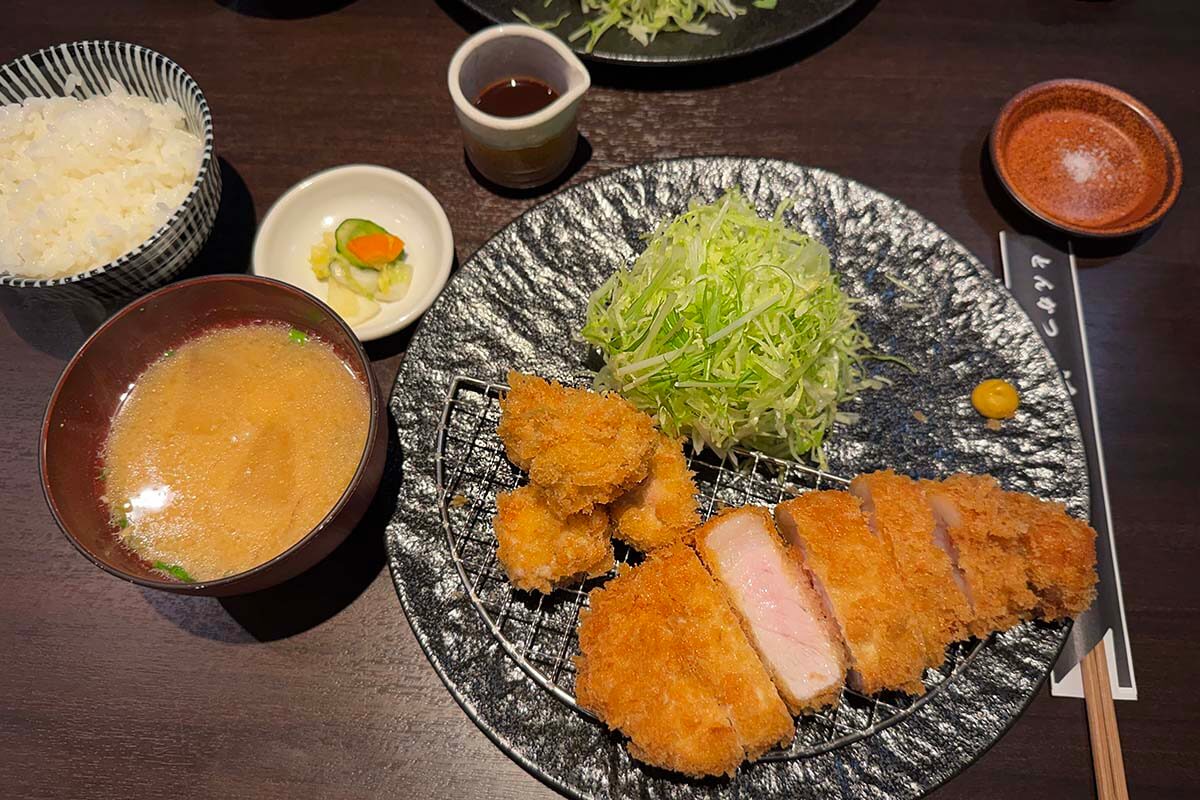
And then there are the chopsticks. Oh, the chopsticks. Overall, I think we handled them reasonably well. But nobody prepared us for the challenge of eating a large piece of meat without a knife. Because yes, knives are basically nonexistent. Occasionally, you might get a fork (you’ll have to ask), but we never once got a knife.
At some point, you simply accept that you either manage to bite through the meat somehow or awkwardly wrestle with it using chopsticks while trying not to launch food across the restaurant. And don’t even get me started on trying to pick up the last few grains of rice.
20. “Lost in Translation” Moments Are Very Real
Before visiting Japan, we had heard that English can sometimes be limited. But we still weren’t fully prepared for how often we would find ourselves in small “Lost in Translation” situations.
To be fair, Japan makes a huge effort to help foreign visitors. There are English signs almost everywhere, metro systems are incredibly foreigner-friendly, restaurant menus often have pictures, and many people genuinely try very hard to communicate, often using Google Translate.
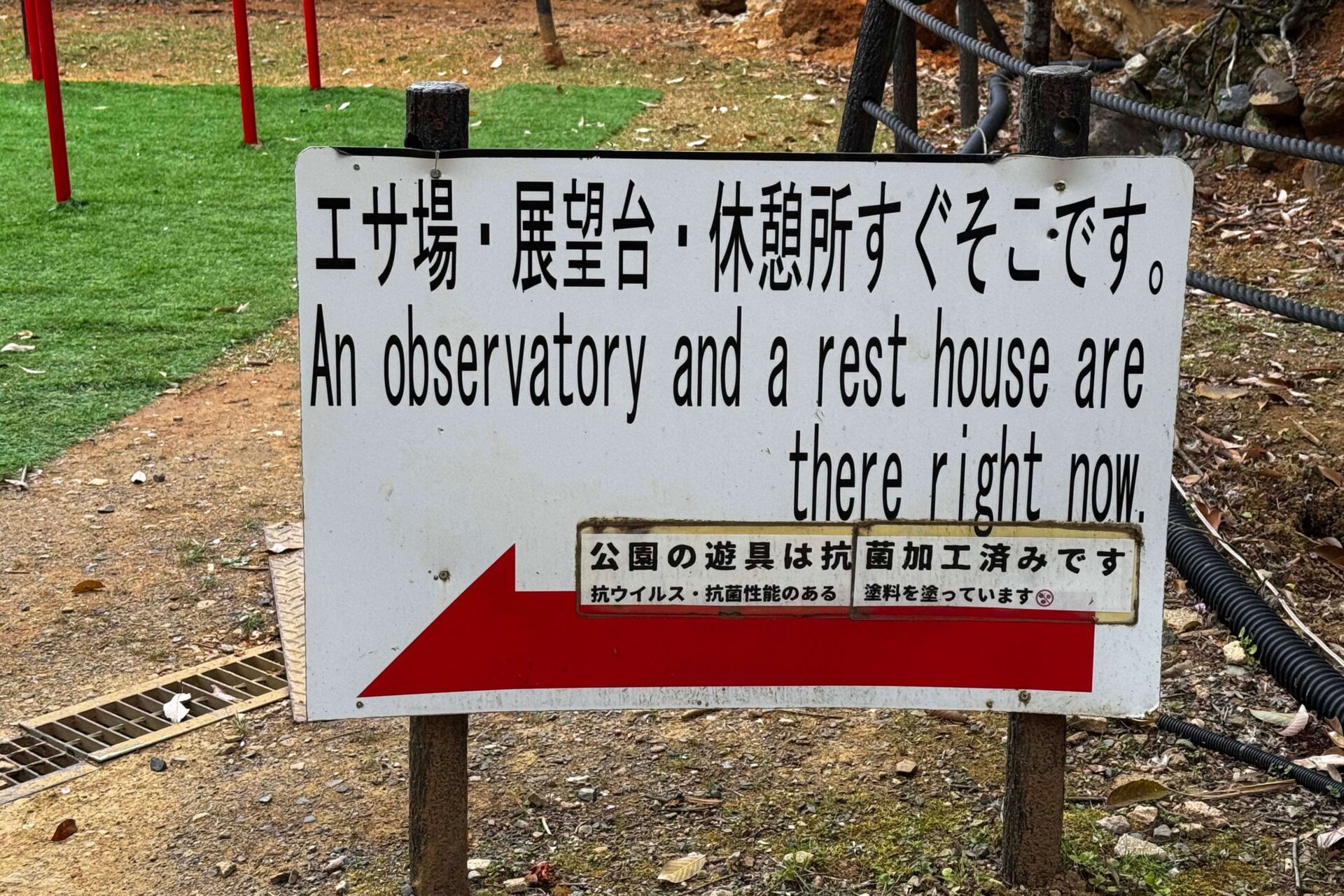
But that doesn’t mean the translations always make perfect sense. Sometimes, you honestly wonder how so much effort went into printing huge signs without anyone double-checking the English.
We saw buses proudly labeled “Non-Step Bus,” “Close” signs, and all kinds of slightly mysterious wording that left us scratching our heads. At the monkey park in Arashiyama, we spent several minutes trying to understand the sign explaining which facial expressions meant curiosity, friendliness, or aggression. Luckily, the monkeys never showed their teeth, so we assumed everything was good.
Outside the biggest tourist areas, English can still be really limited. We knew that, but we were still surprised when the staff at our hotel in Kyoto spoke only a handful of English words, despite the city being such a major international destination. One of our local guides even told us that her daughter was starting college without speaking any English at all. Apparently, learning foreign languages is not always considered essential in everyday life there.
Meanwhile, our kids in Belgium are learning four different languages at school. And yet, none of us could say much more in Japanese beyond “konnichiwa” (hello) and “arigatou” (thank you). So we really couldn’t complain.
Luckily, with smiles, gestures, translation apps, and a lot of patience and politeness on both sides, everything always worked out in the end. These little language mix-ups became part of the fun of traveling in Japan.
21. Everything is Packed in Plastic
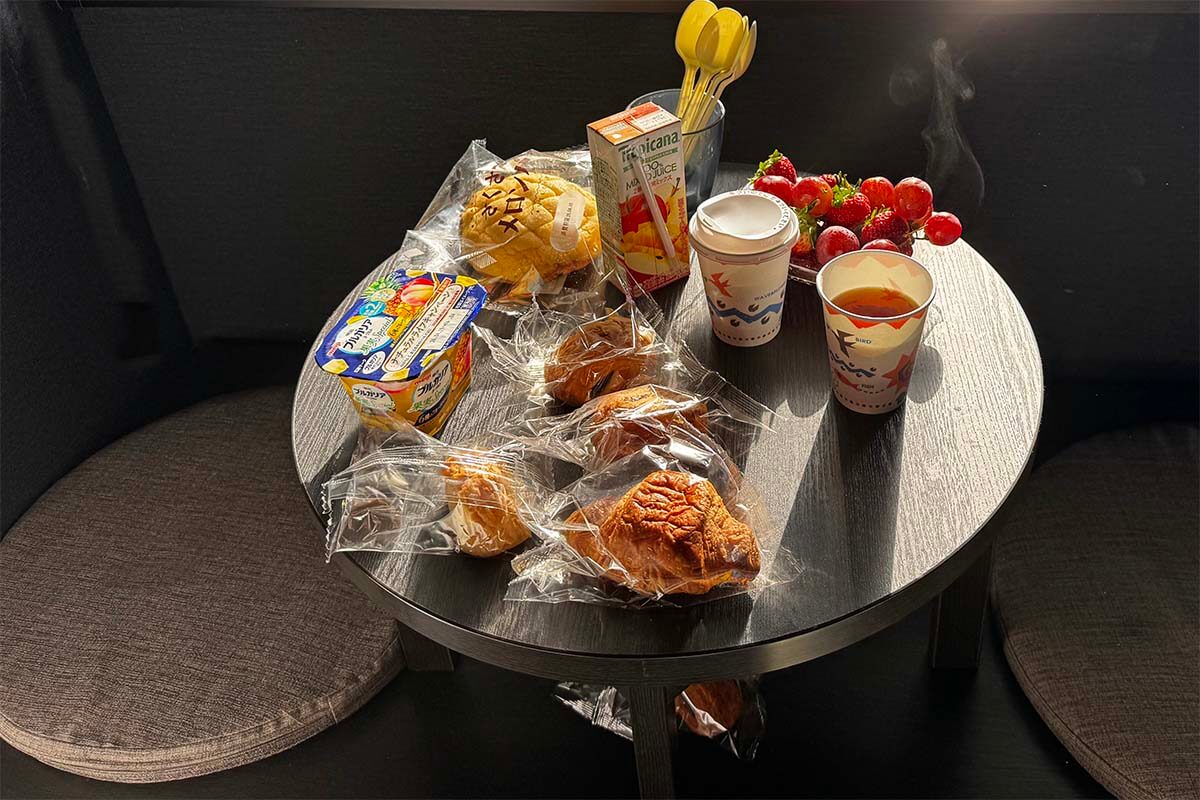
Japan is incredibly clean and organized, but one thing that genuinely surprised us was the amount of plastic packaging. Almost everything seems to be individually wrapped — pastries, snacks, toys, umbrellas, a single pair of socks… you name it.
Sometimes it feels ridiculously excessive, and other times you catch yourself thinking it’s actually pretty practical — like stores using plastic covers for wet umbrellas and plastic bags to protect paper shopping bags from the rain.
Still, coming from Europe, where plastic straws have been banned for years, plastic bags are no longer free, and everyone carries reusable shopping bags, seeing so much unnecessary plastic was a real culture shock for us.
22. Japanese Breakfasts Can Be a Culture Shock
If you are used to Western breakfasts with bread, cheese, fruit, yogurt, cereal, pancakes, eggs, or bacon, breakfast in Japan will be a real culture shock.
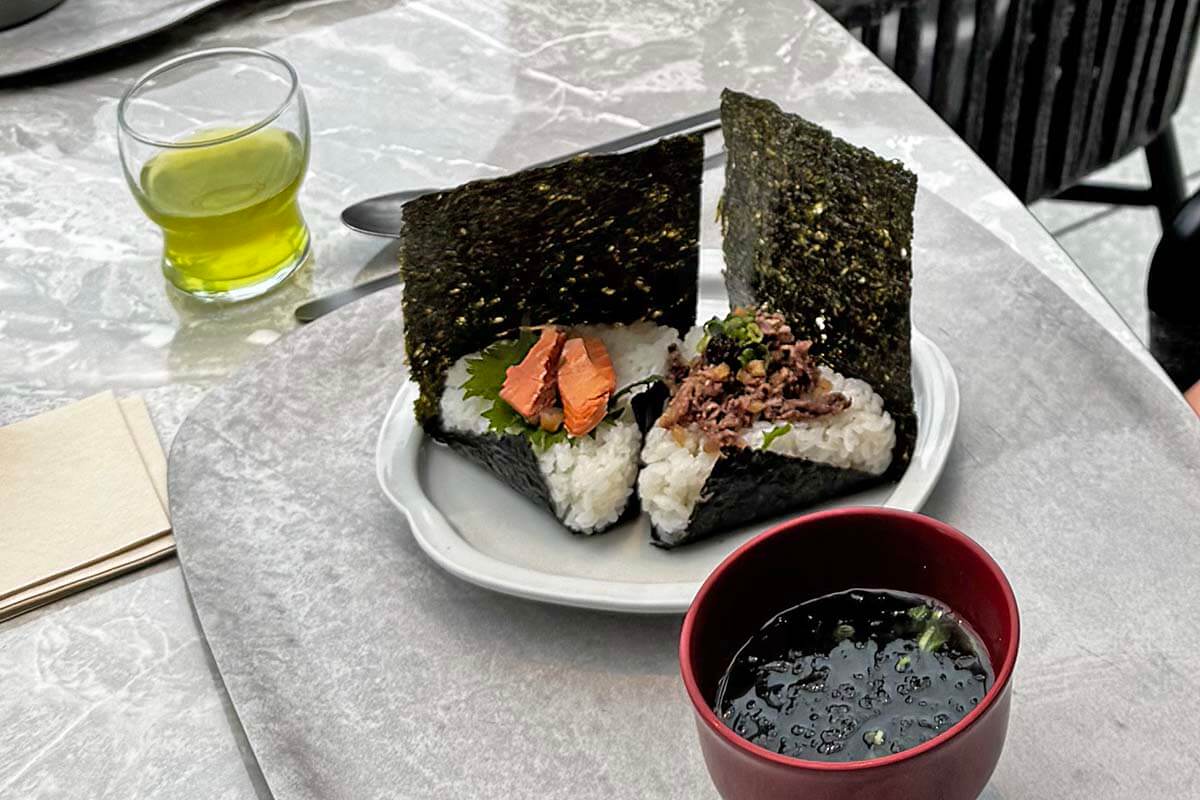
Traditional Japanese breakfasts often include fish, rice, miso soup, seaweed, pickled vegetables, and various savory side dishes. We are quite open-minded when it comes to trying new food, but fish and seaweed soup first thing in the morning was a bit too much for us.
Luckily, most hotels catering to international tourists usually offer Western breakfast options too, although even those can sometimes feel surprisingly limited. We absolutely loved our stay at OMO5 Tokyo Gotanda, but their “American breakfast” was the exact same tray every morning: three types of bread, two mini sausages, scrambled eggs, and a mysterious soup that none of us could identify. At least it tasted better than the seaweed soup on the Japanese breakfast tray.
There was also some yogurt and jam available on the side, but no cheese or fruit whatsoever. As for drinks, they offered coffee, water, and sweet lemonade-like drinks in bright red, green, and yellow colors. Tea, however, was nowhere to be found — in Japan of all places.
After a few days, the repetition started getting to us. One of our teens became so desperate for variety that he finally decided to try the Japanese breakfast instead. The next morning, he quietly returned to the American one.
TIP: If you are staying at simpler hotels where Western breakfast options are limited or completely non-existent, save your money and skip the hotel breakfast altogether. Convenience stores sell everything from yogurt and pastries to pancakes and sandwiches, and they are literally everywhere.
23. Fruit in Japan Can Cost a Small Fortune
One thing we were absolutely not prepared for in Japan was the lack of fruit and vegetables, and the price of them.
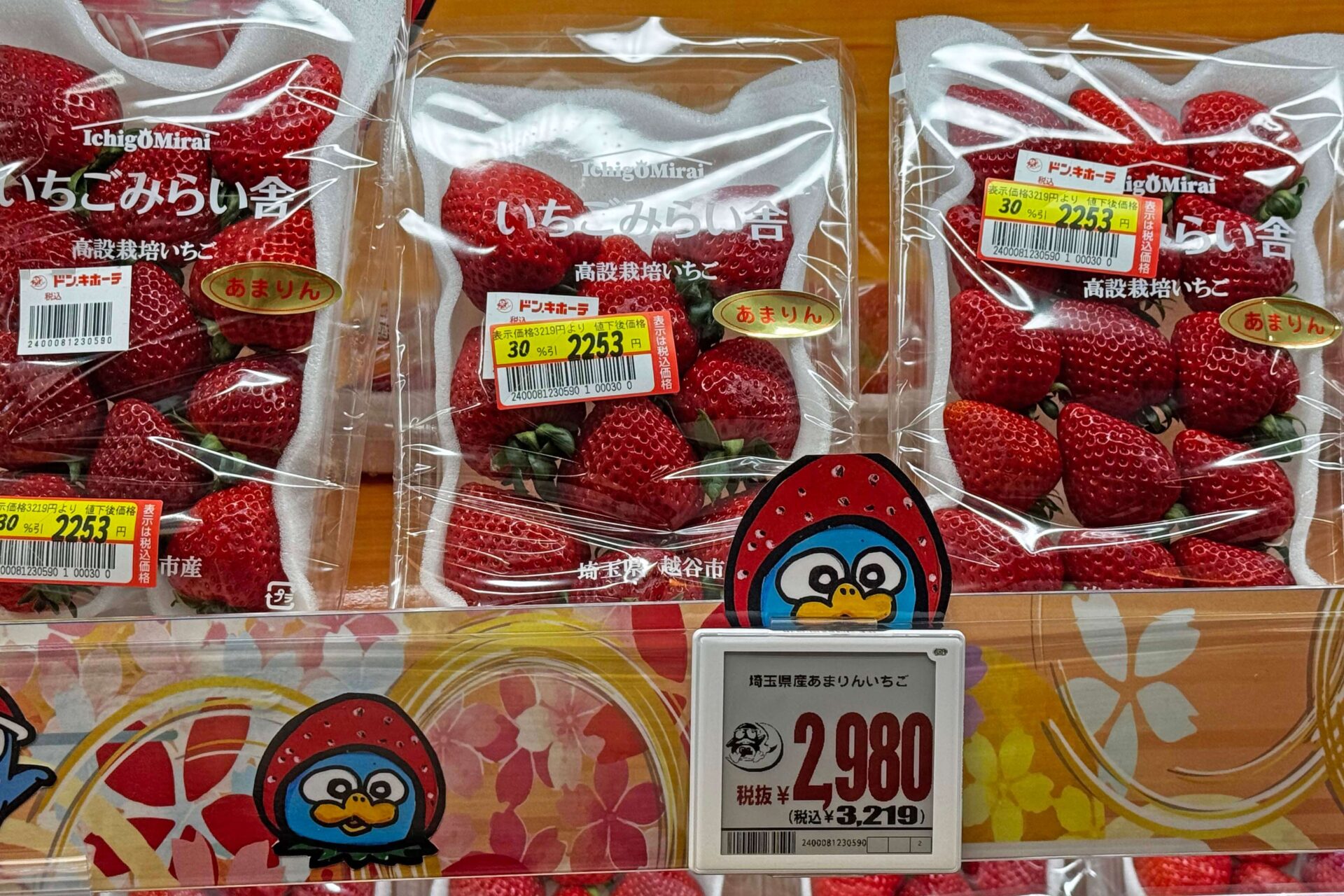
Coming from Europe, where fruit and vegetables are relatively affordable and usually part of almost every meal, seeing tiny boxes of strawberries selling for the price of a restaurant meal was a real shock. To be fair, it’s not always that expensive, but affordable fresh fruit was much harder to find than we expected. In fact, I could probably count the number of times we found reasonably priced fruit in supermarkets on one hand.
It also surprised us how little fresh fruit and vegetables we saw in everyday meals. You can easily get entire breakfasts, lunches, or dinners without seeing a single fresh vegetable on the plate. By the end of our trip, I could get really excited about spotting some grapes at a convenience store.
We later learned that fruit in Japan is often treated more like a luxury product or even a gift item, with lots of attention paid to appearance and quality. But what’s the point of having perfectly shaped and sized fruit if people can’t afford it…
24. Temples and Shrines Play a Big Role in Everyday Life
Temples and shrines are such a normal part of everyday life in Japan that after a while, you almost stop noticing them. Just like convenience stores and vending machines, they seem to appear on every corner — sometimes huge and impressive, other times tiny and squeezed between modern buildings.
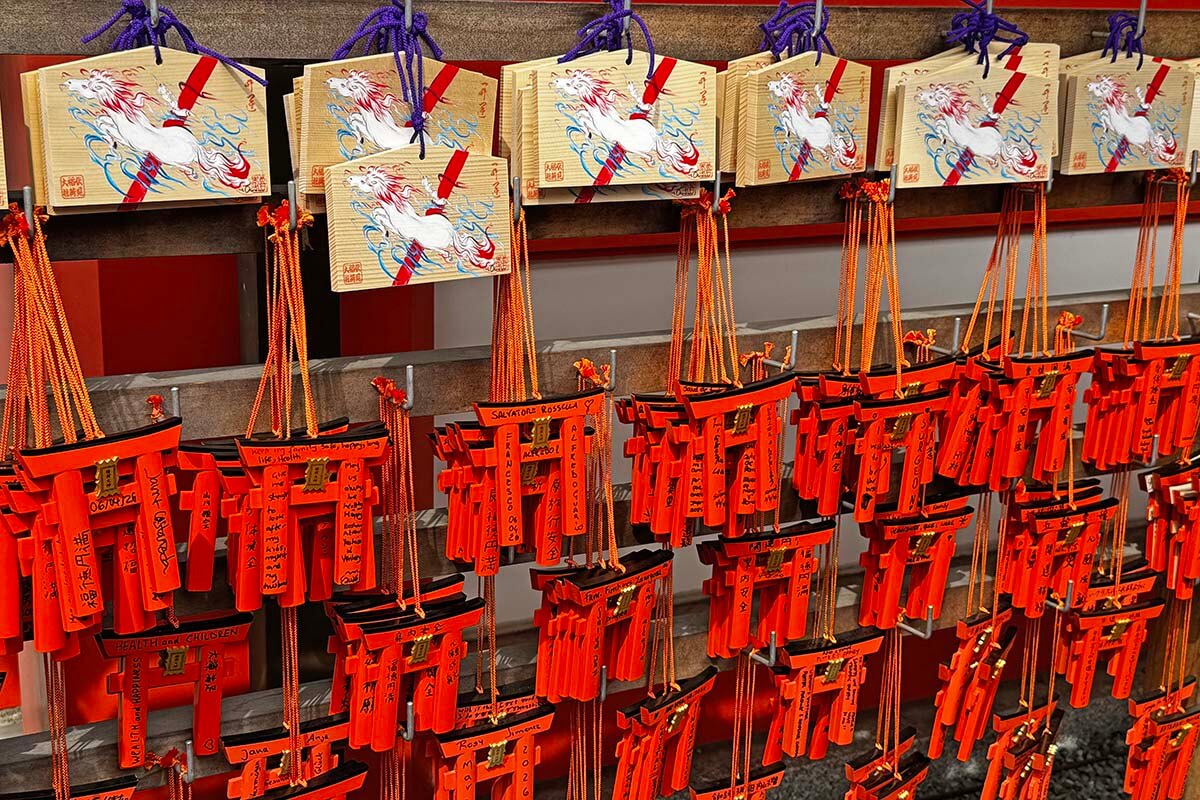
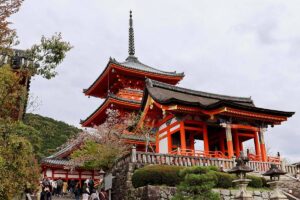
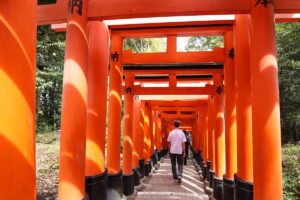
Shrines are usually easy to recognize by their famous red torii gates, while temples often have incense, Buddha statues, and larger wooden buildings.
What surprised us most is that Japan’s two main religions — Shintoism and Buddhism — coexist very naturally side by side, and most people seem quite pragmatic about using both depending on the situation. Shrines are often connected to life events and celebrations, while temples are more associated with funerals and remembrance.
And people really do use them. We constantly saw locals stopping briefly to pray on their way to work, buying lucky charms for exams, health, love, or success, clapping their hands before praying at shrines, ringing bells, making offerings, and writing wishes on little wooden plaques called ema. Many shrines have their own special-shaped plaques depending on the ‘theme’ of the shrine.
It’s also quite interesting to read some of the wishes people leave behind. You expect something deep and spiritual, but many are very practical and relatable: “Please help me pass my math exam,” or “I hope I get this programming job.”
25. Animal Cafés Aren’t Really Cafés
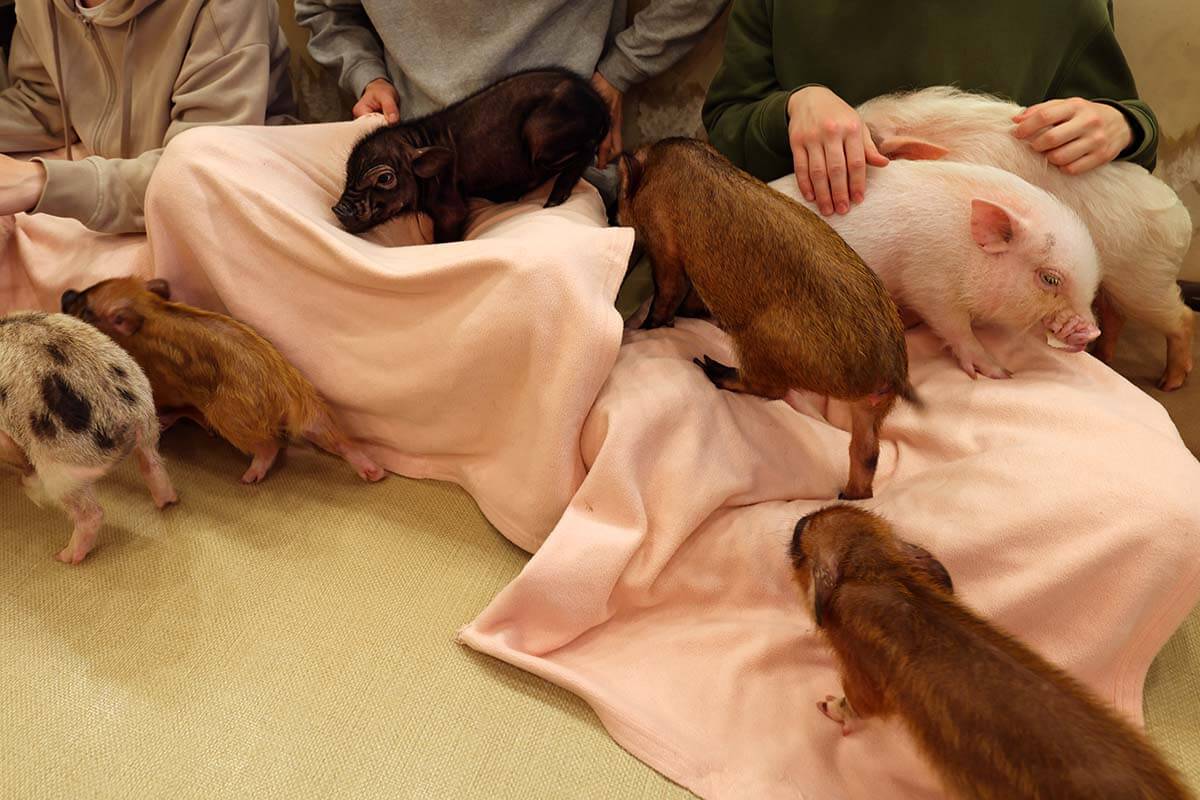
Animal cafés are surprisingly common in Japan. Cat cafés are probably the most famous, but you’ll also find places with dogs, pigs, capybaras, owls, hedgehogs, and various other animals.
What surprised us most is that many of them are not really cafés in the way most Europeans would imagine. Sometimes you get a drink included with your ticket, but the entire experience revolves around interacting with the animals rather than eating or drinking.
For us Europeans, the whole concept feels quite unusual because it’s simply not something you normally see at home. Sure, there are cat cafés in Europe too, but usually the cats just wander around while people eat lunch or work on their laptops. In Japan, the interaction itself is the main attraction.
Some places feel cozy and well cared for, while others can feel a bit more questionable depending on the animals involved, so opinions about these cafés vary quite a lot.
Still, they remain incredibly popular in Japan, especially in big cities where many people cannot easily keep pets at home. Our teens absolutely loved them. After all, it’s not every day you get to cuddle tiny pigs or sit quietly while several owls stare directly into your soul. Well… when in Japan, do as the Japanese.
26. Japanese Hot Springs Are… an Experience
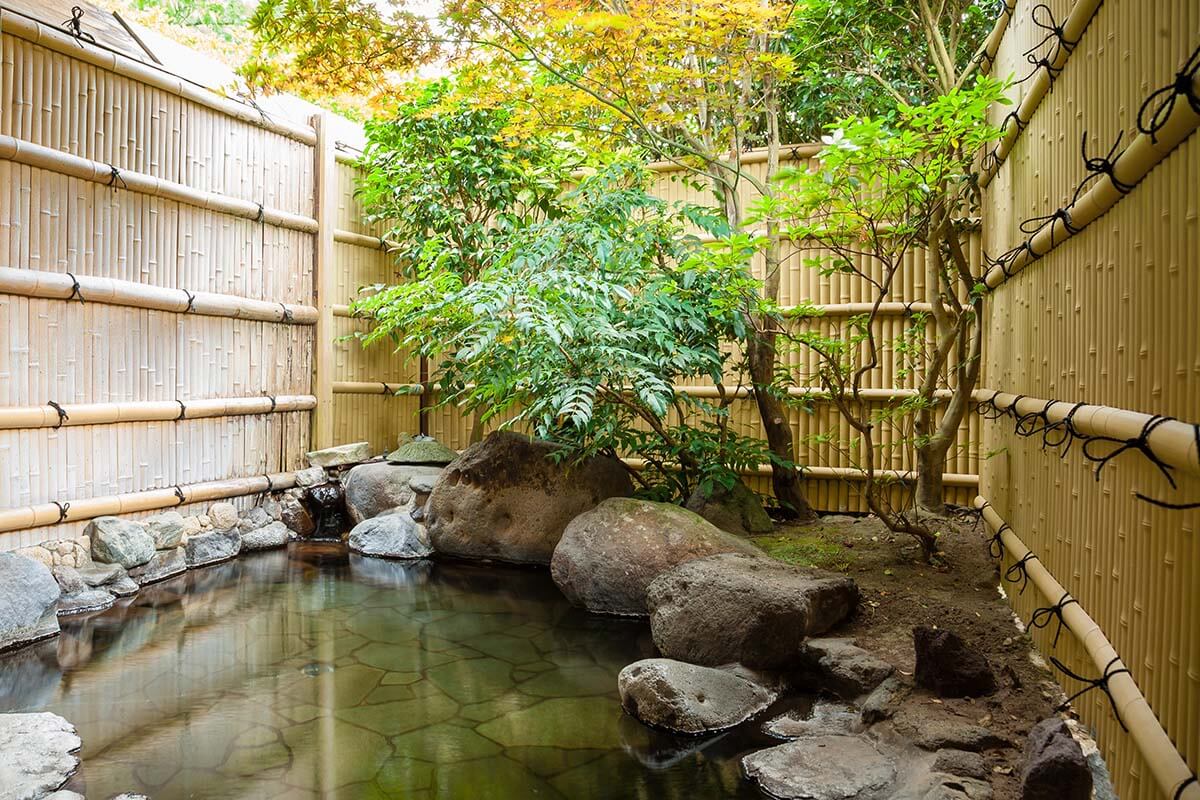
Visiting an onsen — a traditional Japanese hot spring bath — is considered one of the classic Japanese experiences. But for many Western visitors, it can also feel a bit intimidating.
First of all, men and women usually bathe separately, and you bathe completely naked. No swimsuits allowed. Then there are all the rules and etiquette: washing thoroughly before entering the baths, keeping towels out of the water, speaking quietly, and respecting the calm atmosphere. Oh, you may want to know that the water is usually super hot.
Tattoo restrictions can also surprise foreign visitors. Many onsens still do not allow visible tattoos because of their historical association with organized crime in Japan.
Luckily, we had researched all this in advance. Traveling with teens, the whole “everyone gets naked” part was simply not going to happen. That wasn’t even open for discussion.
But most adults I talked to said they really enjoyed the experience, especially outdoor onsens surrounded by nature. So even if it initially feels outside your comfort zone, it may be worth trying at least once.
27. Japan Feels Incredibly Safe
One of the things we noticed almost immediately in Japan is how safe everything feels.
People seem very relaxed about their belongings. Phones sit openly on restaurant tables, bags are left unattended, and nobody appears particularly worried about theft.
Even late at night, cities felt calm and safe to walk around. Another thing that positively surprised us is that you hardly see any visible homelessness, which probably also contributes to that overall feeling of safety and order.
Of course, common sense still applies like anywhere else in the world, but Japan genuinely felt like one of the safest countries we have ever visited.
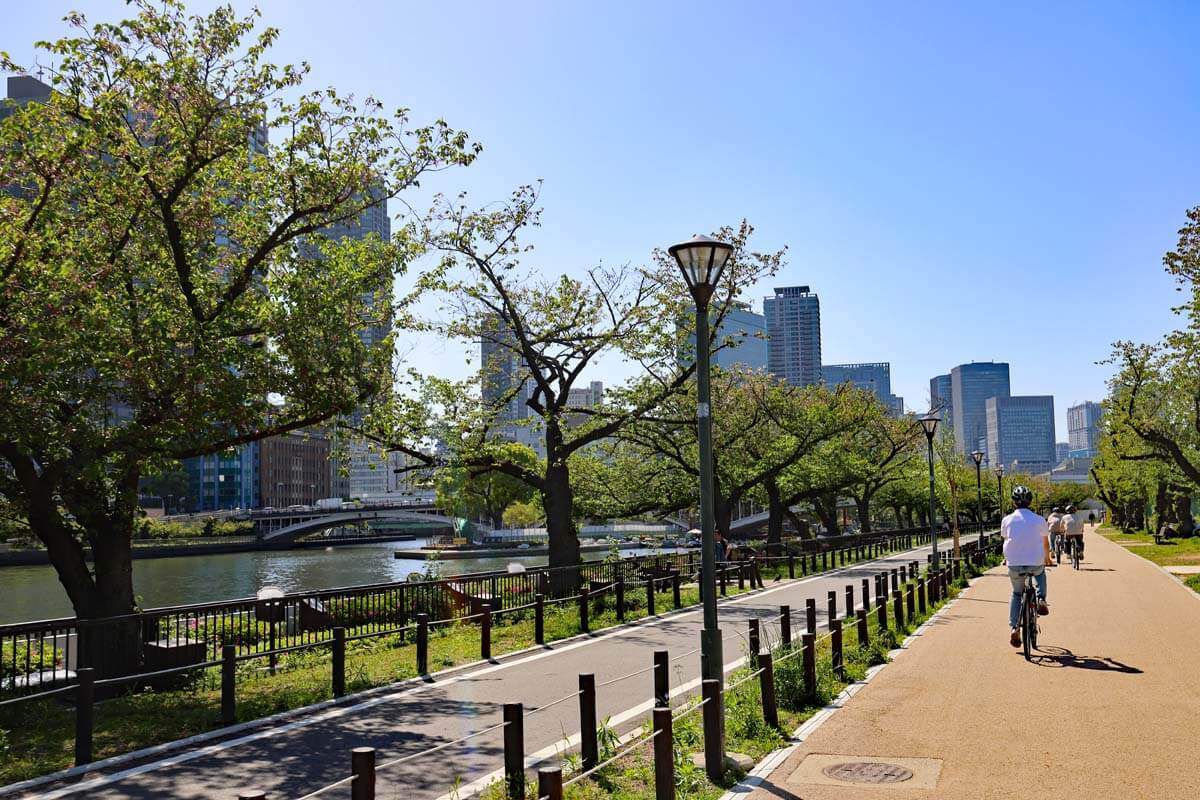
Some things in Japan felt strange, some confusing, some hilarious, and a few genuinely made us wonder how the rest of the world still hasn’t copied them yet.
That’s also what makes traveling so interesting. Even the smallest everyday situations like ordering food, taking the metro, using a toilet, or buying socks can be completely different from what you are used to at home.
For us, these cultural differences were among the most memorable parts of our Japan trip. It’s one of the best reasons to travel far in the first place!
And you? Which of these Japanese habits surprised you most? Or did you notice something completely different during your trip? Feel free to share your experience in the comments below!
TIP: Fascinated by Japan? Save this guide for later, share it with your travel buddies, or pin it to Pinterest so you can easily come back to all these surprising Japan culture shocks and travel tips when planning your trip.



While reading your article, I found myself nodding and smiling to so many things you wrote. Our family of 4 visited Japan for 2 weeks also during cherry blossom season. I was amazed by how many blossom trees there were – literally everywhere we went! What also surprised us was how many westerners were dressing up in kimonos for their holiday snaps – we found this super weird, but when we chatted to a couple of Japanese, they said they don’t find it disrespectful but actually the opposite – which is why the kimono rental shops seem to be everywhere. Japan is a fantastic holiday destination – especially for teens and we found the Japanese people so friendly!
Hi Julie, thanks so much for sharing your experience. Glad to hear your family had such a great trip as well!
My son’s washroom has a heated toilet seat.
Haha, once you get used to heated toilet seats, it’s hard to go back 😄
Fascinating. We go next year. . Love your articles
Thanks so much for reading and have an amazing trip next year! Japan really is unlike anywhere else.
Excellent blog. I have travelled to Japan many times and it still intrigues me as to how different and efficient Japan is. It is a different world! Once visitors get a hang of these nuances, the appreciation goes up a lot.
One thing that you mentioned in the blog is “service culture.” It is unmatched anywhere in the world. The quality of service, personal engagement, and the pride that comes with that culture is amazing.
Hi Pankaj, thanks for sharing your thoughts. We felt exactly the same. The level of care, attention to detail, and pride people take in their work is really impressive.
Hi Jurga,
Love your blog!
Anyway, I wanted to say that you can use credit card to top up for Suica. Download the Suica app, key your Suica card number and then link your Apple Pay to it. Then everytime you want to top up, just open the Apple Wallet and add money to the Suica card. You can ditch the Suica card after that. I think it is also possible to just download the Suica app directly without purchasing the Suica card.
Hi Jing, thanks for sharing. I’m sure this will be helpful for some travelers!
I also saw that you can use Suica on an iPhone and top it up via Apple Wallet. But since most people in our family use Android phones, that wasn’t really an option for us because the digital solutions currently only work on Android devices made for the Japanese market. For short-term visitors, especially families, we still found it easiest to just get regular Suica cards and top them up at the stations, even if that meant having to use cash.
Yes – Suica works very well with Apple Card and Wallet. With Wallet you can use any other Visa (like Costco Visa). We would literally load up on Suica as and when we needed “cash” in Japan.