Visiting Switzerland and looking for reliable, first-hand travel advice? This page features all our Switzerland travel guides, including the nicest cities, top mountain destinations, the best hikes, and transport tips to help you plan your trip.
All articles are based on personal experience from multiple trips to Switzerland in both summer and winter.
Start here if this is your first trip to Switzerland:

*This page contains affiliate links, which means that we may receive a small commission, at no cost to you, for qualifying purchases. More info: Disclosure.
Switzerland Travel Guides
Browse our Switzerland guides by region:
BERN & BERNESE OBERLAND
- Bern:
- Interlaken area:
- Jungfrau Region:
- Kandersteg:
LUCERNE & CENTRAL SWITZERLAND
- Lucerne area:
- Best Things to Do in Lucerne
- Best Day Trips from Lucerne
- Mt Pilatus from Lucerne
- Pilatus Golden Day Trip (the BEST way to visit Mt Pilatus)
- Stoos Ridge Hike
- Engelberg:
VALAIS REGION
- Zermatt:
- Hiking in & near Zermatt:
- Leukerbad:
LAKE GENEVA
- Geneva: Best Things to Do in Geneva
- Best day trip: Chamonix Day Trip Itinerary
ITINERARY
WINTER TRAVEL
- Affordable Skiing in Switzerland
- Skiing in Engelberg
- Skiing in Wengen-Grindelwald
- Jungfrau Region in Winter
- Things to Do in Interlaken in Winter
Best Time to Visit
The best time to visit Switzerland depends on what you plan to do — city sightseeing, hiking, or winter sports. Cities can be visited year-round, and several famous mountain peaks, such as Mt Titlis, Jungfraujoch, Klein Matterhorn, and Gornergrat, are accessible throughout the year.
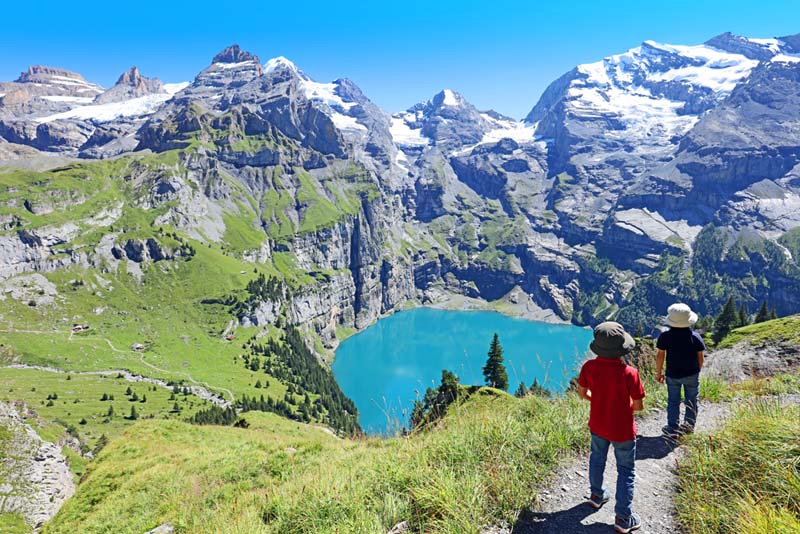
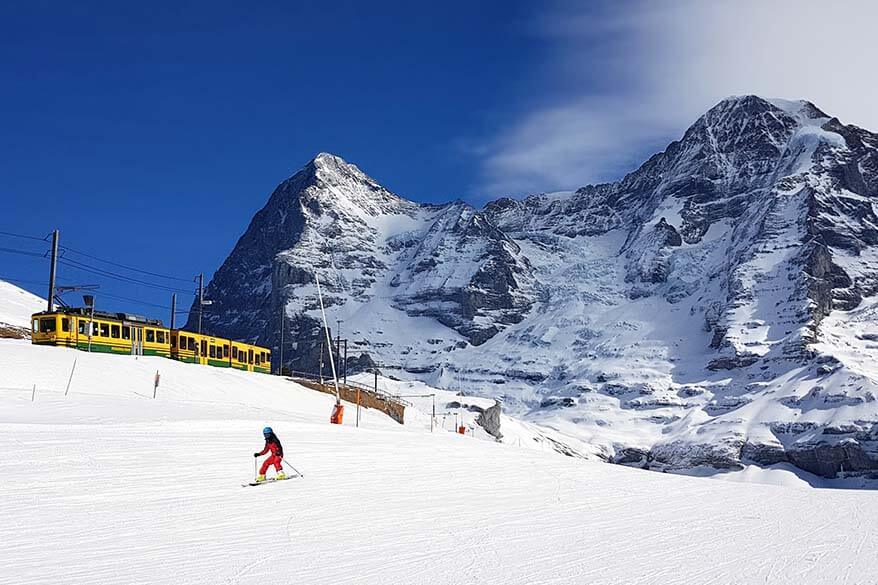
For winter activities, the best period is from late December to late March. For hiking and other outdoor activities in the mountains, plan your trip between late May and September, or early October.
Spring can also be a nice time to visit, especially for cities and lower-lying areas. In the mountains, however, conditions are often still wet and muddy, and many hiking trails may not yet be fully accessible.
READ ALSO: Best Time to Visit Europe
Getting Around
If you’re mainly visiting Swiss cities and the most popular mountain destinations, you don’t need a car. Switzerland has one of the best public transport networks in Europe, and you can easily travel almost everywhere by train, bus, and boat. The most convenient option is the Swiss Travel Pass, which includes unlimited travel on trains, public transport, and boats.
If you plan to explore more remote mountain areas or want more flexibility, renting a car can be useful. In some regions, a car is the easiest way to reach scenic spots and trailheads. You can also rent a car for just part of your trip.
Driving in Switzerland is generally easy, but traffic can be heavy around cities, speed limits are strictly enforced, and fines are high. You’ll also spend a lot of time in tunnels on the main highways. That said, once you leave the highways and head into the mountains, the scenery is spectacular.
If you are visiting Switzerland by car, the Swiss Half Fare Card is still very useful for mountain trains, cable cars, and boat trips.
Good to know: You need a motorway vignette to use Swiss highways, which you can buy at most border crossings. Rental cars already include it. In winter, winter tires are mandatory, and snow chains are often required in the mountains.
TIP: If you prefer not to deal with train connections or driving, organized day tours are a good alternative from most major cities.
TIP: Did you find this guide helpful? Bookmark this post for later, share it with your friends, and save it to Pinterest to inspire your next trip.