
First Time in the Algarve? 19 Essential Travel Tips
This site contains affiliate links, which means that we may earn a small commission, at no cost to you, for qualifying purchases. It supports the work that goes into keeping this content free. Thanks for reading! More info: Privacy Policy.
Planning your first trip to the Algarve? This guide covers everything you should know before you go, from the best time to visit and where to stay to getting around, renting a car, and practical travel tips.
We visit the Algarve several times a year and regularly update our guides with the latest information to help you avoid common mistakes and make the most of your trip.
Looking for more detailed information? Check out the guides below. Otherwise, scroll down for our essential Algarve travel tips.
More Algarve travel guides:
- Where to stay in the Algarve – best towns and hotels for every type of trip.
- Best things to do in the Algarve – top attractions and experiences.
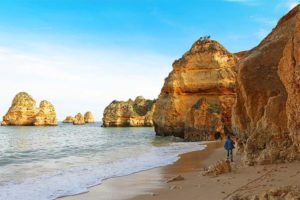
- Best beaches in the Algarve – from famous spots to quieter beaches.
- Algarve road trip itinerary – perfect for first-time visitors.
- Algarve in summer – what to expect in the peak season.
Here are our top tips for visiting the Algarve:
1. Choose the Best Time to Visit the Algarve
The Algarve is a fantastic year-round destination, and every season has something to offer. However, the experience is very different depending on when you visit.
If you can, plan your trip for the shoulder season (April-June or September-October). The weather is usually warm and sunny, there are fewer crowds, and accommodations and rental cars are often more affordable. It’s an excellent time for sightseeing, hiking, and exploring the region.
Summer is the best time for beach days, swimming, boat trips, and water parks. However, July and August are also the busiest months, with bigger crowds, higher prices, and the warmest weather.
Winter is much quieter. While some seasonal businesses close between November and March, the weather is generally mild, making it a great time for sightseeing, golfing, and long coastal walks without the crowds. Just keep in mind that evenings can be chilly and rain is always possible.
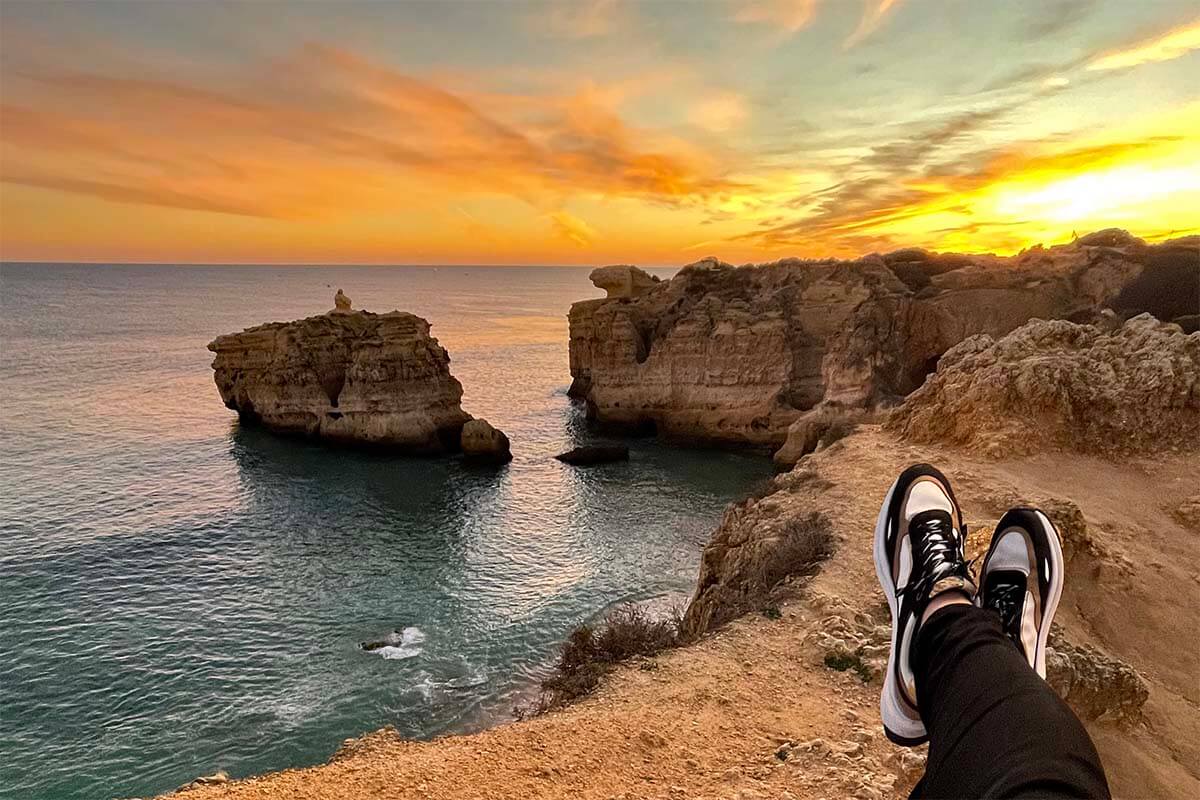
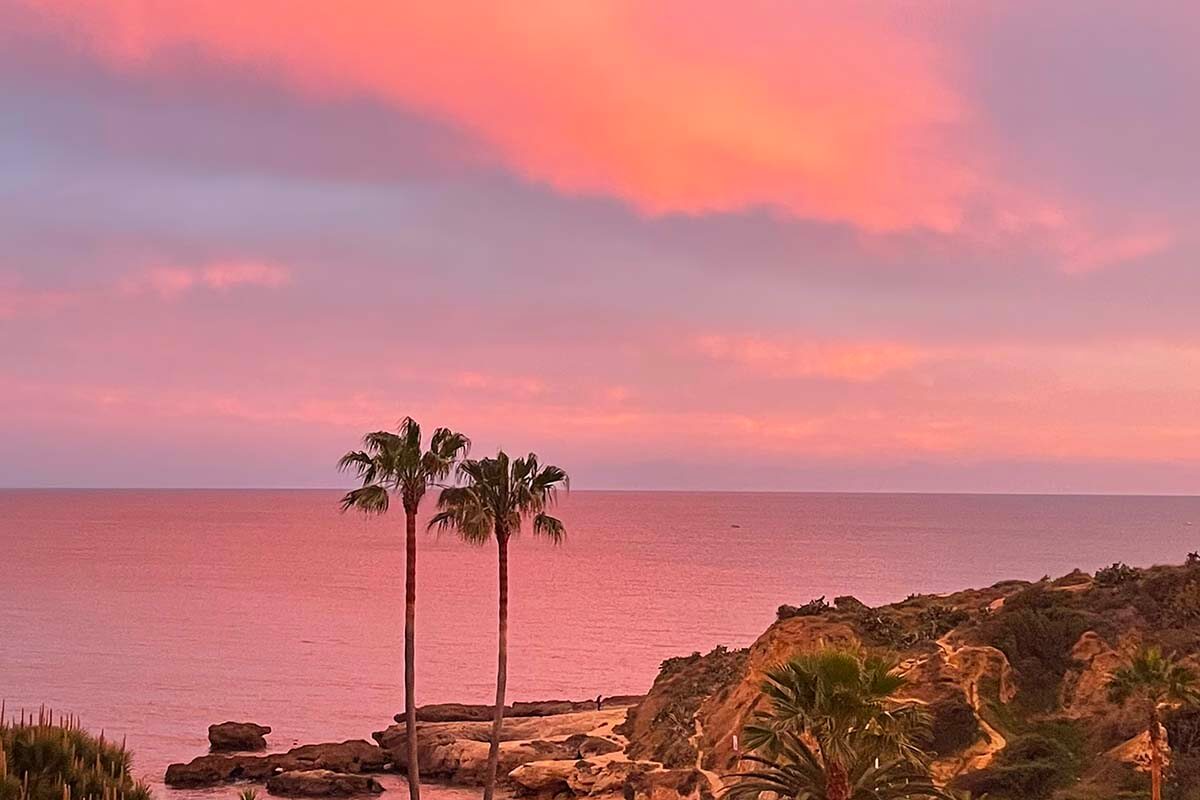
TIP: Some of our favorite times to visit the Algarve are April and late October to early November. The weather is usually pleasant for sightseeing and long walks, most attractions and restaurants are still open, and the region feels lively without being overcrowded. The sea is often too cold for swimming, although you may get lucky with that too. We also love this time of year for the beautiful sunsets.
LEARN MORE:
Algarve in April
Algarve in Summer
Algarve in November
Algarve in December
2. Decide What You Want to See and Do
The Algarve is much bigger and more diverse than many people expect. While most visitors come for the beaches, there’s plenty more to see and do.
The region’s best attractions are spread along the coastline, but you’ll also find historic towns, scenic mountain villages, water parks, wineries, and other interesting places inland.
Before your trip, take some time to decide what you’d like to see and do. This will help you determine how many days you need, where to stay, and whether it’s worth renting a car.
TIP: Even if you’re visiting mainly for the beaches, make time for at least one or two excursions. A boat trip along the coast, a visit to Benagil Cave or Ponta da Piedade, or a day exploring one of the historic towns will give you a completely different perspective of the Algarve.
Also, don’t limit yourself to the busiest coastal resorts. If you want to experience a more authentic side of the region, visit places like Monchique, Silves, Alte, or some of the charming towns in the eastern Algarve.
LEARN MORE: Top Places to See & Best Things to Do in Algarve
3. Book in Advance
This is the most important tip that we give our readers nowadays. No matter where or when you travel, booking ahead is the best way to guarantee that you get the best rates and – when it comes to experiences – that you can actually visit certain places.
For the Algarve, you just need to book your flights, accommodations, and potentially a rental car. There are also a few tours – like boat trips to Benagil Cave or kayaking at Ponta da Piedade – that are best booked at least a few days ahead.
How long in advance to book also depends on when you travel. If you are visiting Algarve between May and October, we advise booking your accommodations and rental car as soon as you know your travel dates. The prices soar in the peak season. Plus, the later you book, the less choice you’ll have.
As far as activities go, we recommend booking them at least a few days in advance. But if you’re not flexible with your schedule, just reserve them when preparing your itinerary.
In July – August, you may want to make reservations for the most popular restaurants as well (usually a day or two in advance is enough).
PRO TIP: We use and recommend Booking for accommodations and car hire and GetYourGuide for tours and excursions. They have all the best offers in one place and offer the best cancellation options (often even up to 24-48 hours before the trip), so you keep all flexibility.
Also, book everything yourself if you can. It’s really not difficult these days. This way, you know exactly what you’re getting, can read customer reviews, compare prices, and choose the options that suit you best. I’m always surprised by how often I see people in Facebook groups complaining about the location or quality of their hotel, tour, or airport transfer after booking a package holiday. The ironic part is that they often paid more than they would have by booking everything themselves.
READ ALSO: Algarve Itinerary for First Trip
4. Stay Close to the Beach
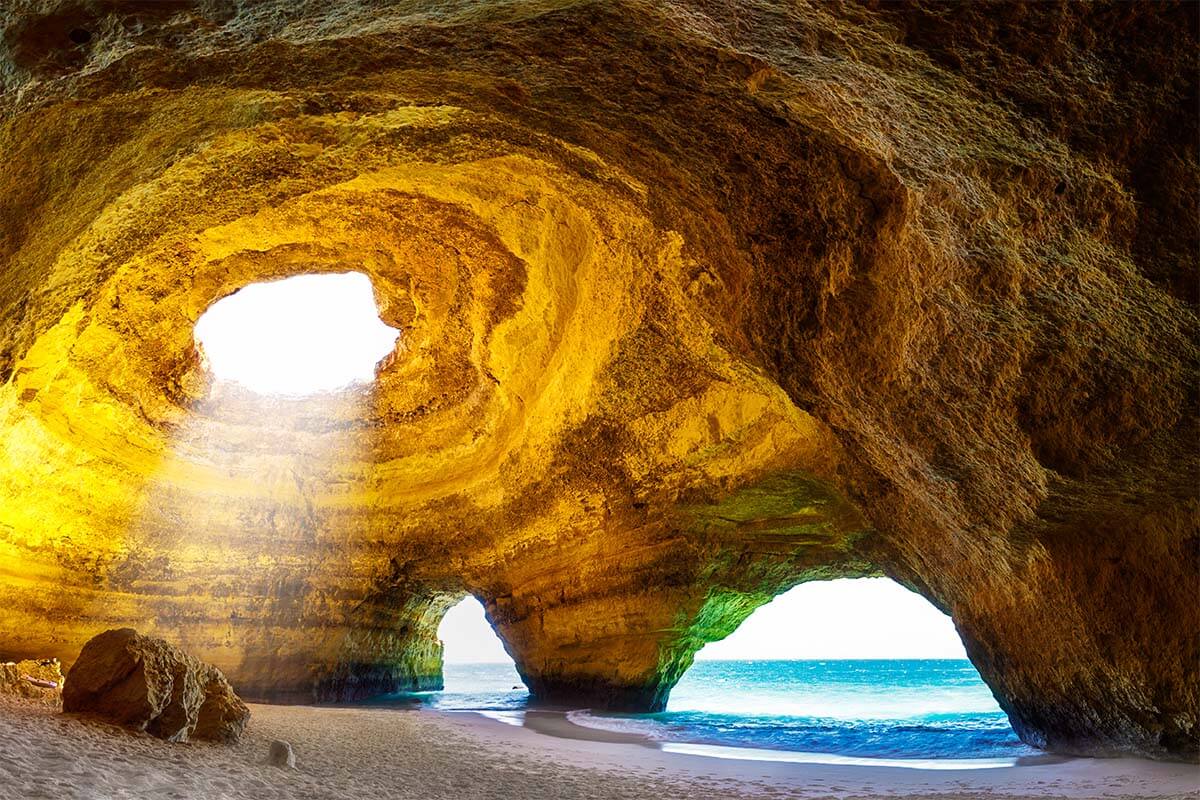
No matter when you visit the Algarve, I highly recommend staying within walking distance of the beach. The closer, the better. It makes your trip much more enjoyable, whether you’re planning to spend your days at the beach or simply want to enjoy the coastal scenery.
If you’re visiting for a beach vacation, staying nearby means you can easily go back to your room whenever you need to, without carrying all your beach gear or worrying about finding a parking space. It’s also wonderful to start or end the day with a walk along the beach.
Even if you’re planning a road trip and will be exploring different parts of the Algarve, a seafront hotel is still worth considering. Waking up to ocean views and relaxing by the coast after a day of sightseeing makes the trip even more memorable.
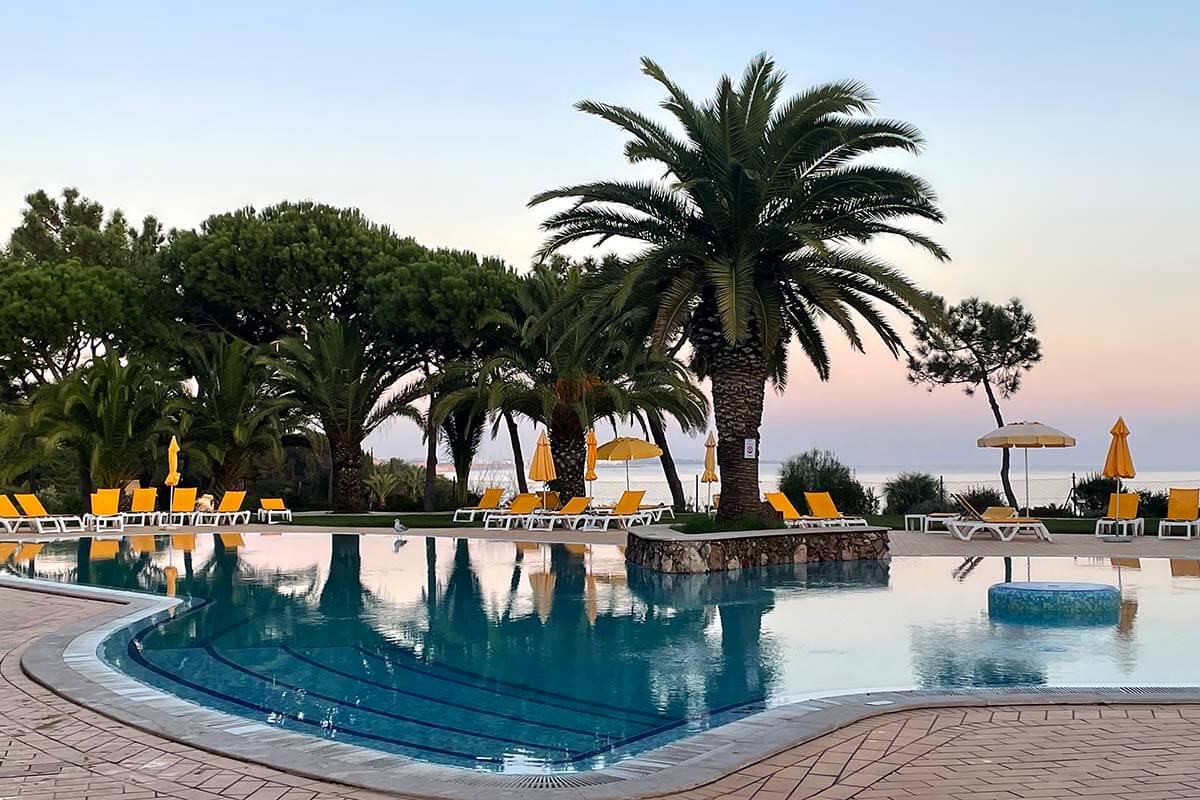
TIP: If you’re traveling between April and October, choose accommodations with air conditioning and an outdoor pool. If you’re visiting in winter, an indoor pool is a nice bonus since most outdoor pools in the Algarve are unheated and usually too cold for swimming.
Not sure where to stay? Check out our detailed guide to the best places to stay in the Algarve, with hotel recommendations for every budget and travel style. If you’re looking for a beachfront hotel, these are some of our personal favorites:
- PortoBay Falesia (Albufeira) – our top pick for most visitors.
- Grande Real Santa Eulalia (Albufeira) – excellent for families and beach vacations.
- Tivoli Carvoeiro – one of the Algarve’s most scenic clifftop hotels.
- Cascade Wellness Resort (Lagos) – perfect for combining sightseeing with beach time.
- Memmo Baleeira (Sagres) – ideal if you prefer quieter beaches and dramatic coastal scenery.
Good to know: One of the best things about visiting the Algarve outside the peak summer season is that you can often stay at excellent 4-5* hotels for a fraction of the summer price. We’ve stayed at some wonderful resorts in fall and winter for around €100-150 per night, while those same hotels often cost €300-500 per night in July and August.
Even so, it’s worth comparing prices and booking ahead, especially if you have a specific hotel in mind. Which brings us to the next tip…
5. Pick the Right Base
Where you stay in the Algarve will have a big impact on your trip. The best location depends on what you want to see and do.
For example, don’t book a hotel in Faro just because it’s close to the airport if most of the places you want to visit are in the western Algarve. You’ll end up spending at least an hour driving each way every day.
Also, keep in mind that many towns, especially in the western Algarve, are quite hilly. If you’re traveling with a stroller or have mobility issues, check the exact location of your accommodations and how easy it is to get around on foot.
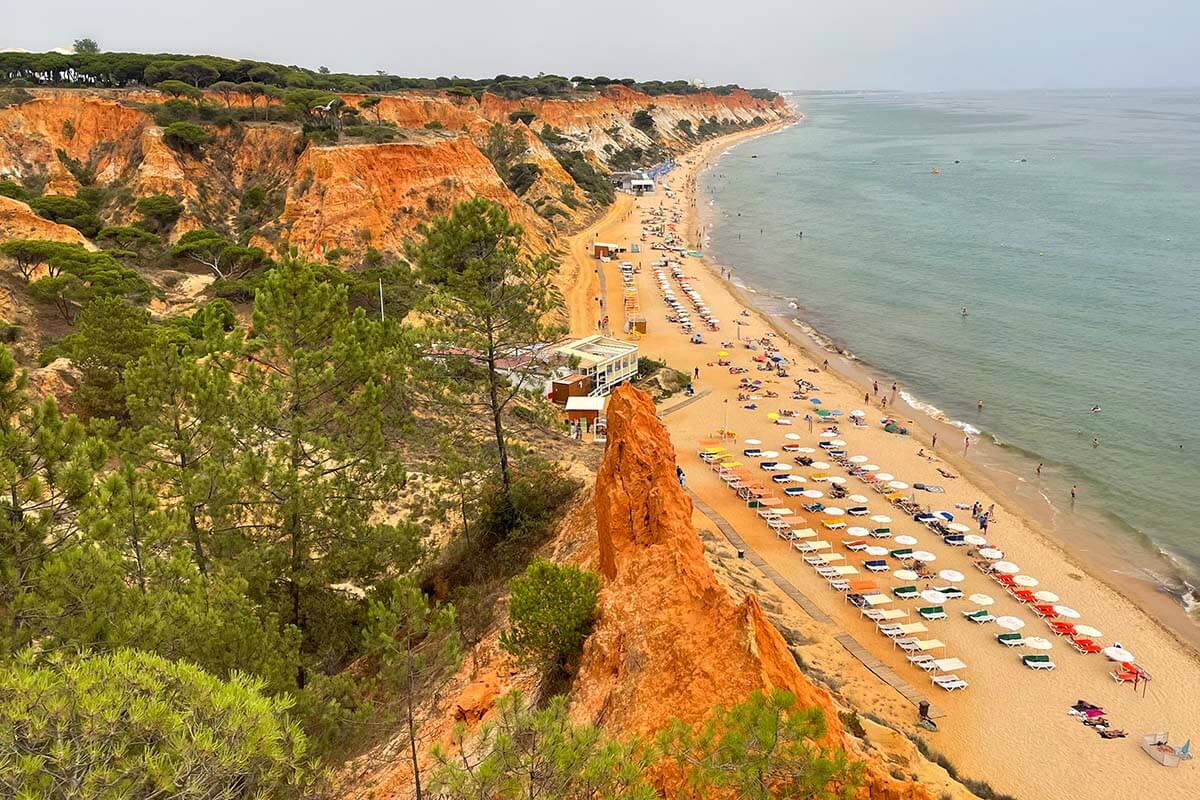
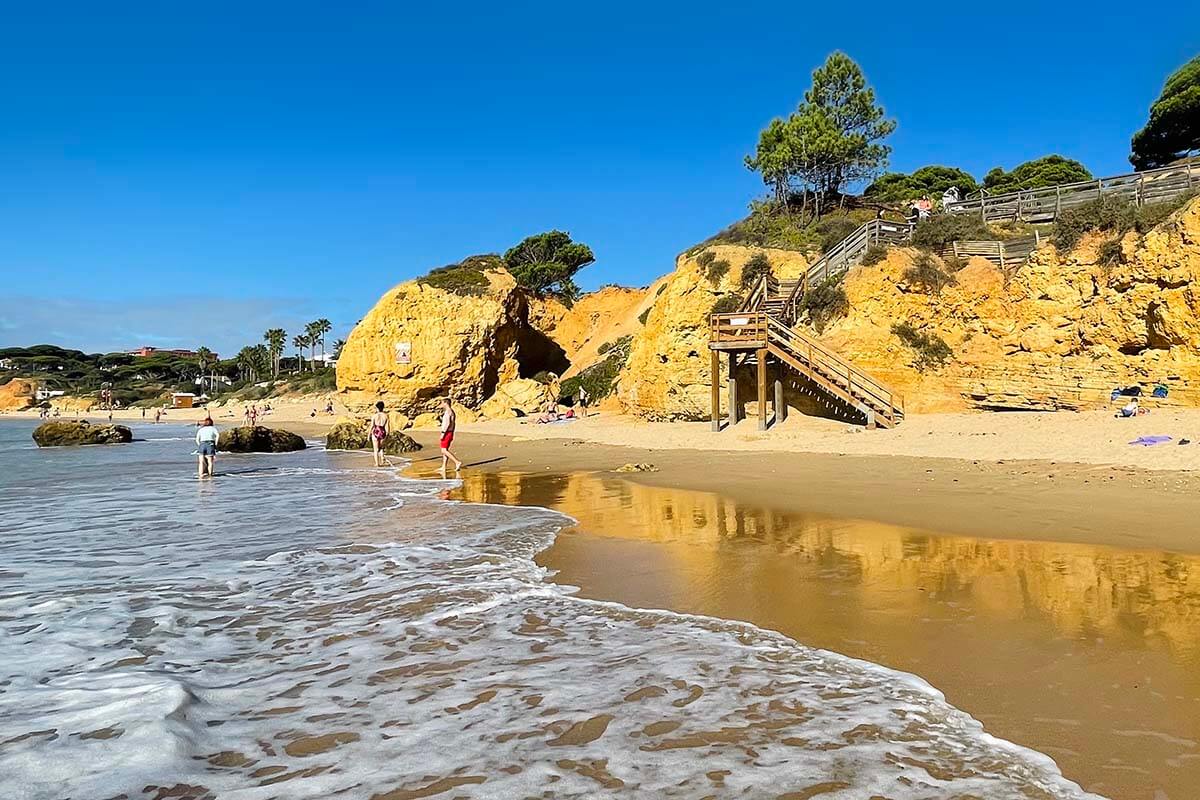
The same applies to the beaches. Many of the Algarve’s most scenic hotels sit on top of cliffs, and reaching some of the best beaches involves walking down (and back up) long staircases.
TIP: If you’re staying in just one place, the area between Albufeira and Lagos is the best base for most first-time visitors. It offers easy access to many of the Algarve’s top attractions. (See our guides to the best places to stay in Albufeira and the best places to stay in Lagos for hotel recommendations.)
If you have a week or more, consider splitting your stay between two or three locations. This lets you explore much more of the region without spending so much time driving.
The best base also depends on whether you plan to rent a car or rely on public transportation, which brings us to the next tip.
READ ALSO: Where to Stay in Algarve
6. Decide Whether to Rent a Car
Whether you need a rental car depends on the type of trip you’re planning.
If you’re staying in one beach resort and mainly want to relax by the pool or the sea, you can easily get by without a car. Parking can be limited in summer, and for short trips, taxis and ride-hailing apps like Uber and Bolt are affordable and widely available. There are also plenty of organized tours if you only want to visit a few attractions.
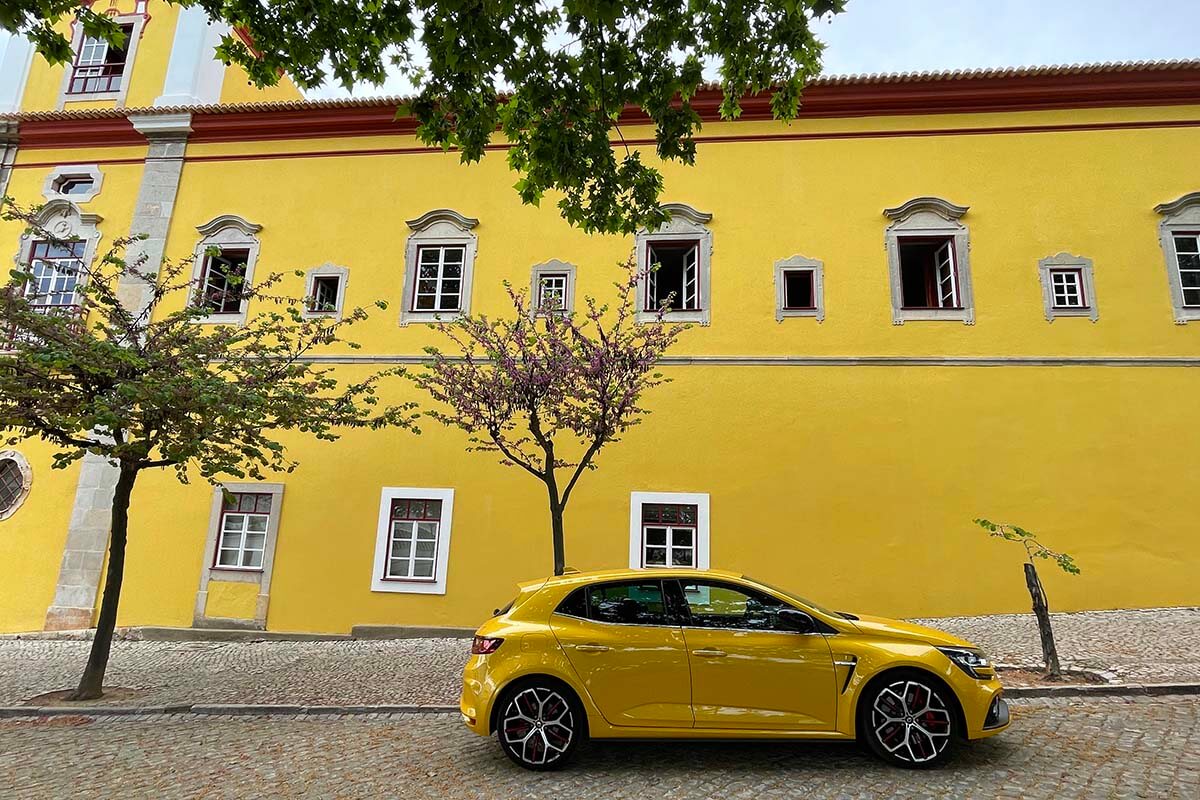
However, if you want to explore the Algarve beyond your resort, renting a car is by far the most convenient option. Many of the region’s most beautiful beaches, viewpoints, hiking trails, and smaller towns are difficult or time-consuming to reach by public transportation.
Buses and trains connect the main towns, but services can be infrequent, and some of the most scenic places aren’t accessible by public transport at all.
We always book our rental cars through Booking.com’s car rental website and choose the full insurance option for extra peace of mind. We normally rent a car at Faro Airport, but if you’re combining the Algarve with other destinations in Portugal, you can also fly into Lisbon and drive south in about 2.5-3 hours.
PRO TIP: Take photos and a video of the car when you pick it up, paying special attention to any existing scratches or dents. Even better, choose full insurance when booking. It costs a little more but can save you a lot of stress if something happens.
Good to know: The A22 motorway in the Algarve no longer has tolls, making it much easier and cheaper to drive around the region. If you’re planning to take your rental car into Spain, let the rental company know in advance. Most companies charge an additional cross-border fee, and your insurance or roadside assistance may not be valid outside Portugal unless it’s been arranged beforehand.
7. Read the Fine Print
When booking accommodations or a rental car, take a minute to read the booking conditions. It can save you from unpleasant surprises later.
For example, some hotels require a security deposit at check-in, especially for larger groups or during the peak season. In most cases, they’ll simply pre-authorize your credit card, but some properties may ask for a larger deposit. We’ve never had any issues ourselves, but it’s worth checking the booking conditions in advance.
The same applies to rental cars. Most companies require a credit card and place a security hold on it, which can range from a few hundred euros to well over €1,000, depending on the provider and the insurance you’ve chosen.
As already mentioned, we always book full insurance through Booking. It’s usually much cheaper than buying insurance at the rental counter. Even then, we always check the rental conditions and try to choose companies that keep the security deposit as low as possible. That way, most of our credit limit remains available for the rest of the trip.
8. Stay Longer
There’s a lot more to do in Algarve than just the main sights that everyone goes to. Even for the main sights, you really need at least 4-5 days, but you can also stay for a few weeks and still just scratch the surface of what the Algarve has to offer.
So if you can, plan a longer stay! It’s always nice to have some extra time to enjoy the beaches and other sights rather than just take a picture and move on.
Staying longer, you will be able to visit a few lesser-known villages (don’t miss Alte and Monchique!) and explore the rugged Atlantic coastline in the west and not just the famous sights in the south… You will also have more opportunities to try local food and enjoy all kinds of fun activities (such as parasailing, kayaking, or hiking – just a few of our favorites).
Good to know: Many Algarve hotels have a minimum stay requirement, and not just during the summer season. While it’s often only 2-3 nights, staying in one place for a few days will give you many more accommodation options to choose from.
READ ALSO: Best Things to Do in Algarve with Kids
9. Plan Your Road Trip Itinerary
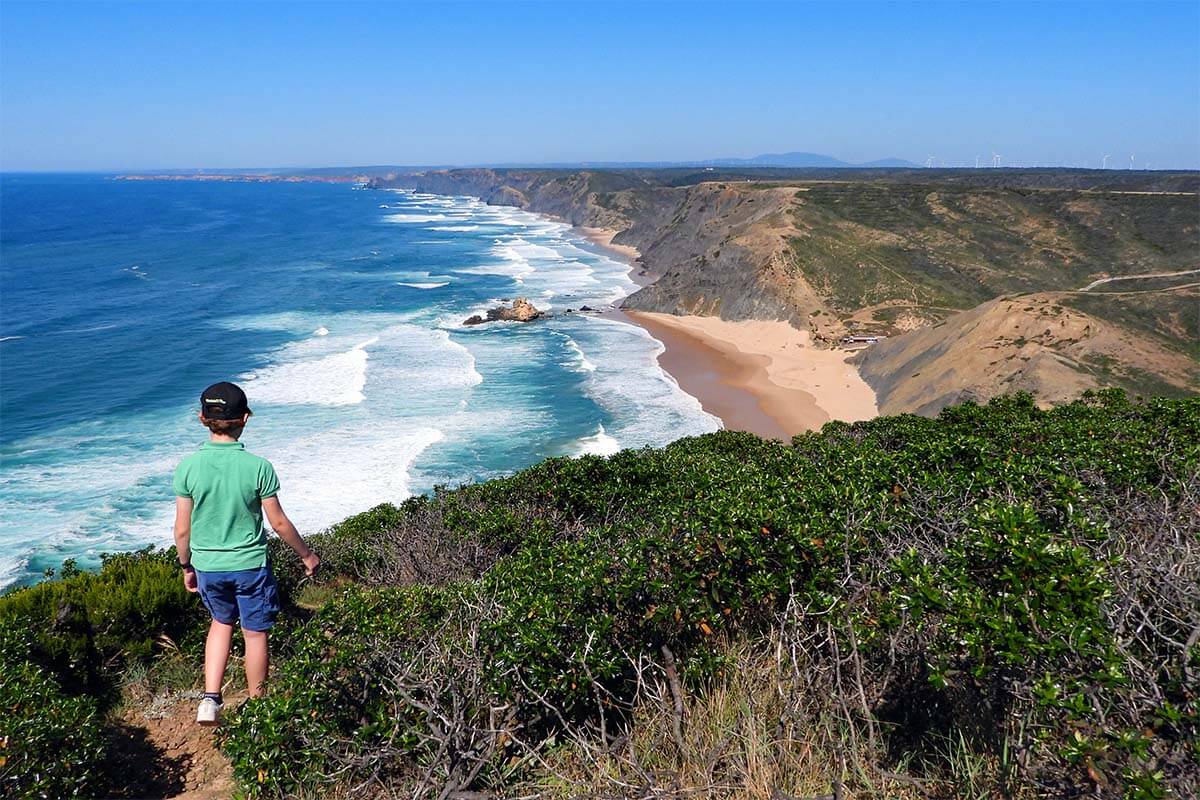
If you’re visiting the Algarve to explore the region, it’s worth planning your itinerary in advance. The best beaches, viewpoints, towns, and attractions are spread along the coast, so a little planning will help you make the most of your time.
Even if you’re only visiting for a few days, you can see many of the Algarve’s highlights with a well-planned route. Prioritize the places and activities that interest you most and group nearby sights together to minimize driving.
TIP: If you’re traveling in the summer, don’t try to squeeze too much into one day. The weather is hot, traffic is heavier, parking takes longer, and popular attractions, restaurants, and boat tours often require advance reservations. Leave some flexibility in your schedule and allow extra time between stops. A more relaxed itinerary will usually be much more enjoyable.
READ ALSO: Algarve Itinerary for First Visit
10. Start Your Days Early
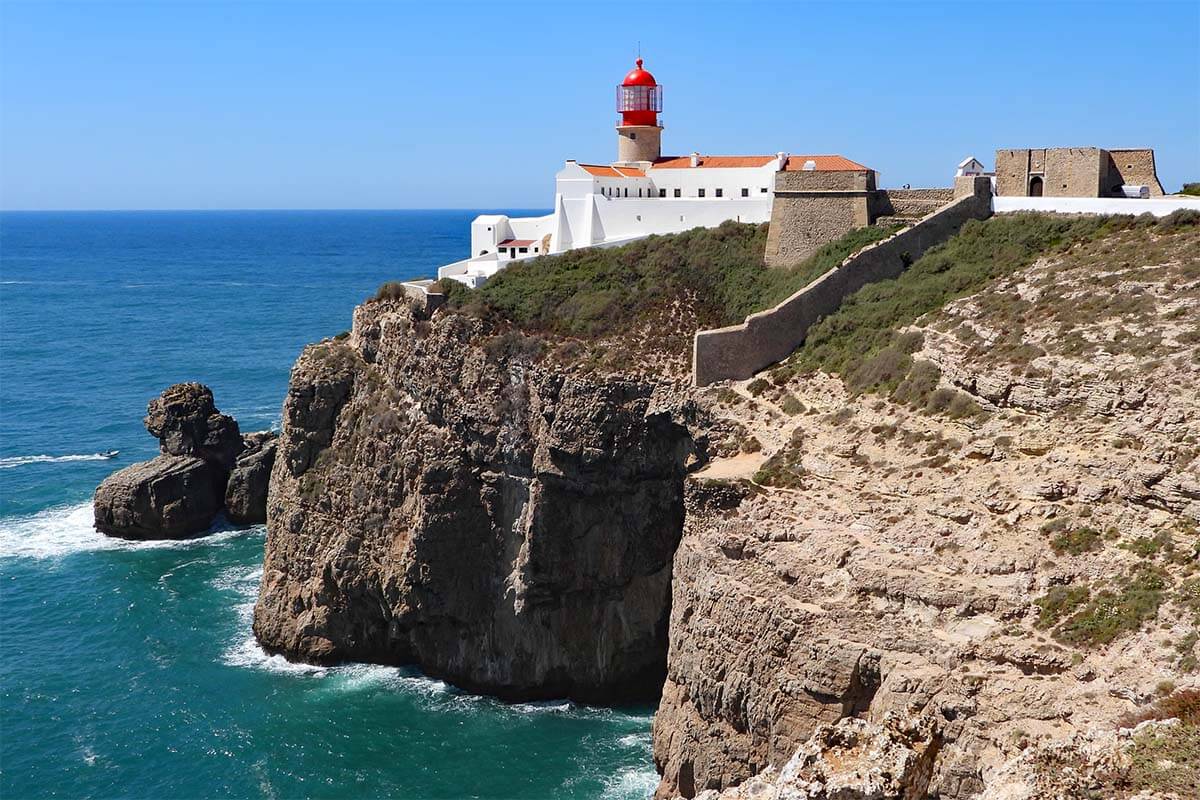
No matter what time of year you visit the Algarve, an early start is one of the best ways to make the most of your day.
You’ll avoid the worst traffic, have a much better chance of finding parking, enjoy cooler temperatures, and experience popular attractions before they get crowded.
Here are a few examples:
Beaches: Arrive early if you’re visiting one of the Algarve’s most popular beaches. Parking fills up quickly in summer, and you’ll have a better chance of finding a good spot or renting sunbeds and umbrellas.
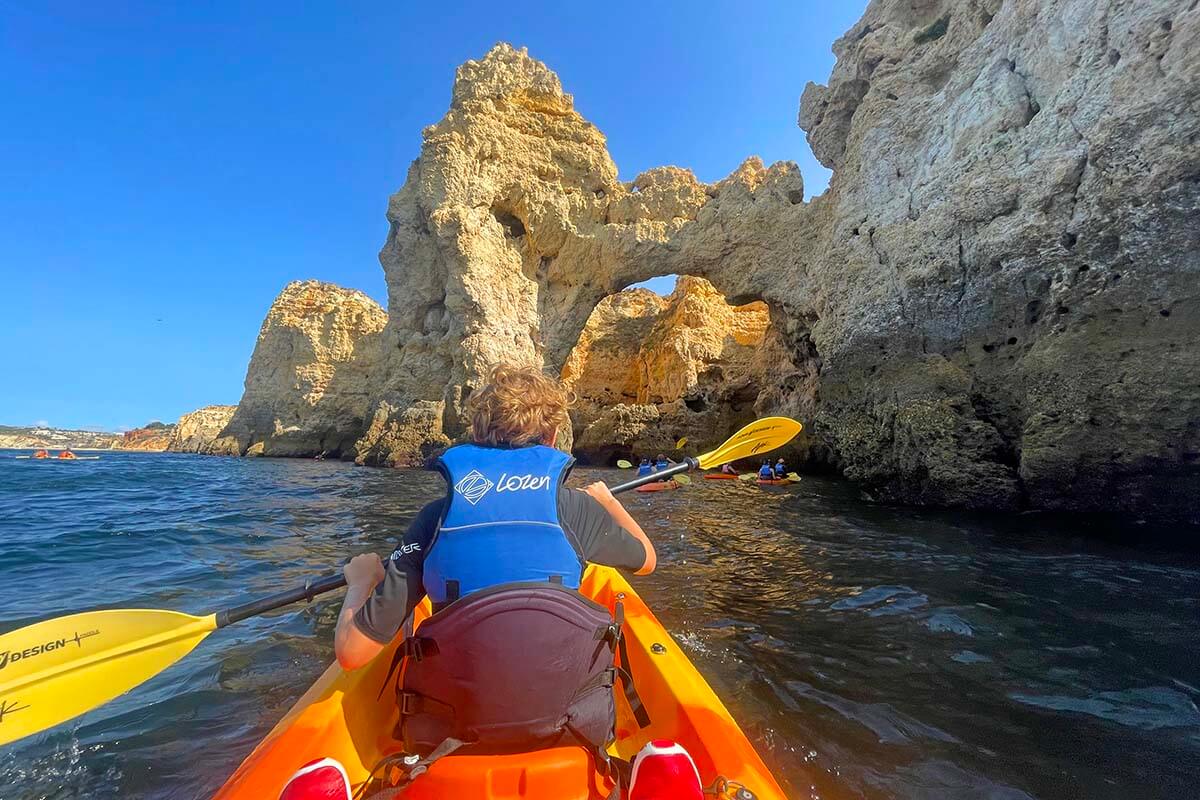
Boat and kayak tours: Book the earliest departure, usually around 8-9 am, in the peak season even earlier. The sea is often calmer in the morning, and famous places like Benagil Cave are much quieter before the crowds arrive. See the best selection of boat tours here.
Hiking: If you’re planning to walk the Seven Hanging Valleys Trail or any other exposed coastal trail, start as early as possible, especially in summer. The midday heat can make hiking much less enjoyable.
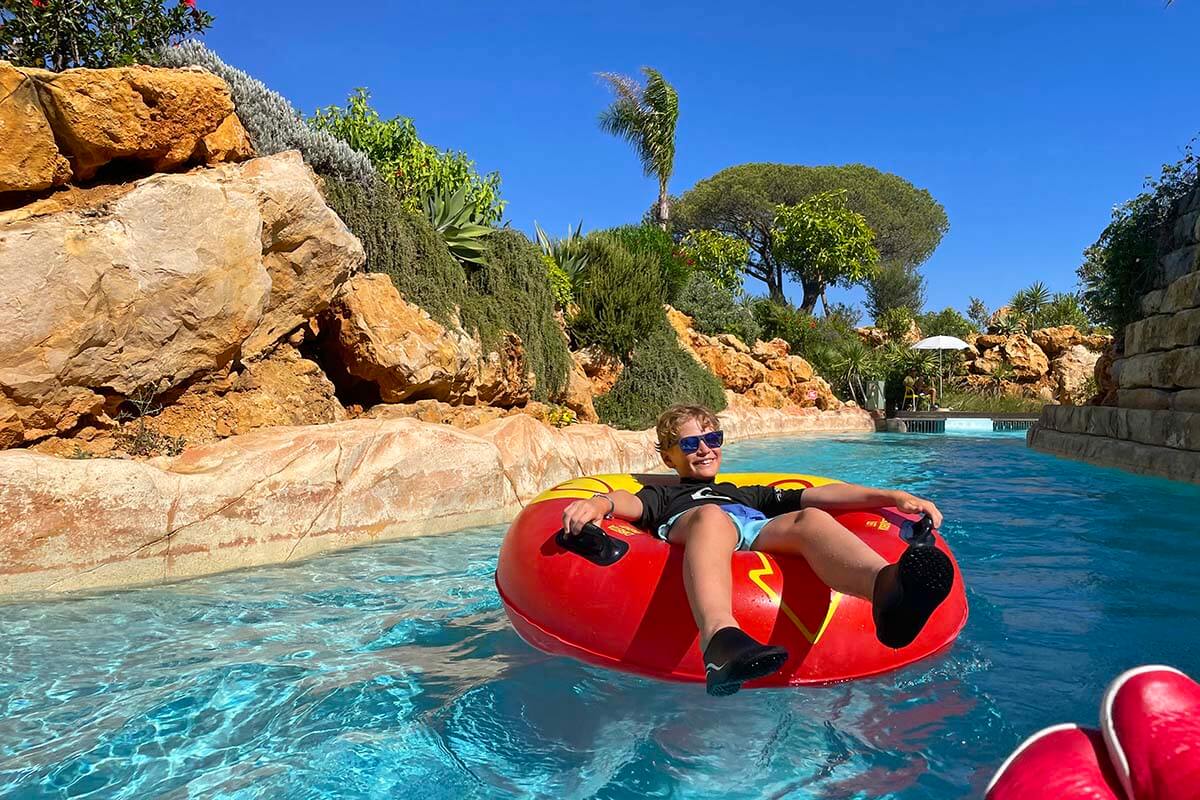
Water parks: Most water parks open around 10 am. Arriving at opening time lets you enjoy the most popular slides before the queues build up. We’ve often done more rides in the first hour than many people manage all afternoon.
READ ALSO: Best Beaches in Algarve & Best Water Parks in Algarve
11. Carry Some Cash
While most hotels, restaurants, shops, and attractions in the Algarve now accept credit cards, it’s still a good idea to carry some cash. Smaller cafés, beach bars, markets, or local businesses may prefer or only accept cash.
PRO TIP: If you need to withdraw money, use Multibanco ATMs operated by local banks rather than standalone Euronet machines, which often charge higher fees and offer less favorable exchange rates.
If your bank account is in a currency other than euros, always choose to be charged in euros when using an ATM or paying by card. This lets your own bank handle the currency conversion, which usually gives you a better exchange rate than accepting the conversion offered by the ATM or card terminal.

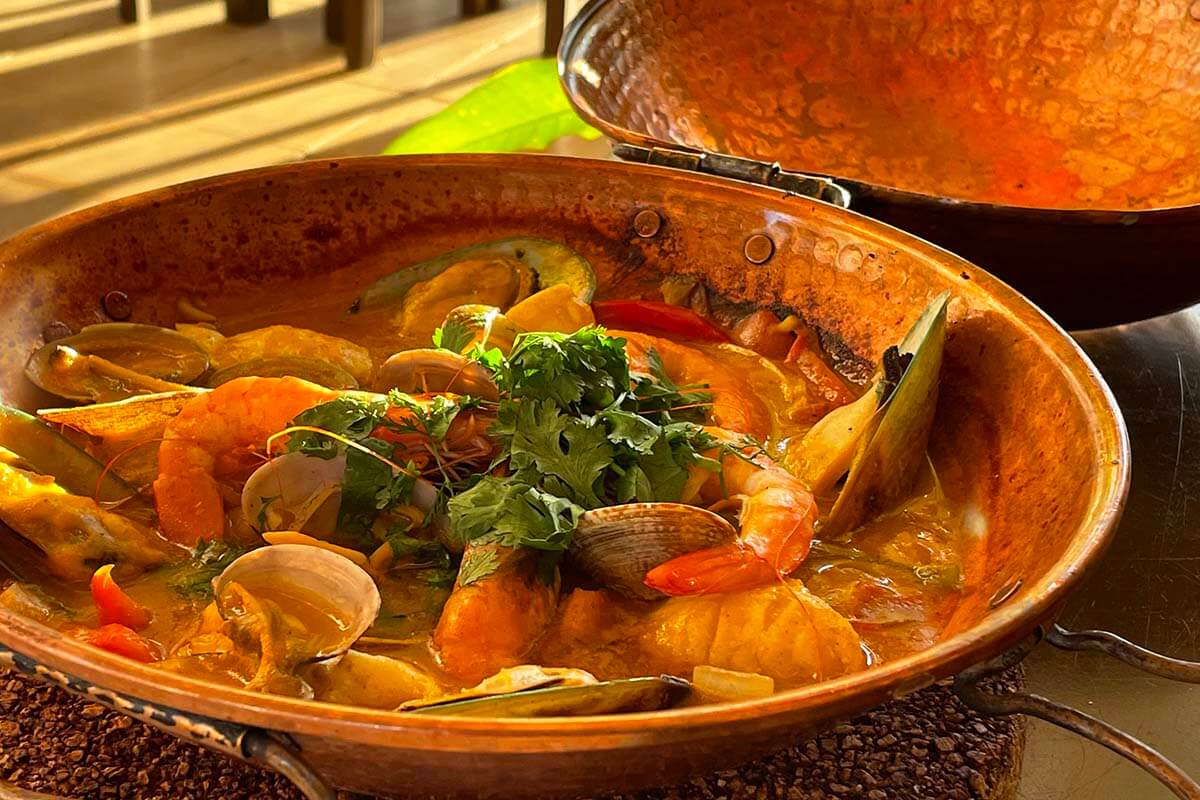
12. Eat at Local Restaurants
The Algarve has some excellent restaurants, so don’t limit yourself to your hotel buffet or all-inclusive meals. Even if your hotel includes breakfast or dinner, try eating out at least a few times during your trip. It’s one of the best ways to experience the local culture and cuisine.
You’ll find everything from simple family-run seafood restaurants to excellent fine dining. And don’t assume that the busiest waterfront restaurant is the best. Sometimes you’ll pay mainly for the view.
TIP: Check recent Google Maps reviews before choosing a restaurant. We’ve found some fantastic local places that way, often with better food and better prices than the most touristy spots.
READ ALSO: Our Favorite Restaurants in Albufeira
13. Don’t Stress About the Weather
The Algarve enjoys over 300 days of sunshine a year, so the weather is one of the last things you should worry about when planning your trip.
Even if rain is in the forecast, it usually doesn’t last long and is often very local. It’s not unusual to see a chance of rain on a weather app and still have a mostly sunny day.
Weather forecasts are also much less reliable more than a few days in advance, so don’t let a long-range forecast spoil your excitement.
Good to know: Most rain falls between November and February, but even then, you’ll often get plenty of sunshine between the showers.
Just to give you an idea, we’ve spent three weeks in the Algarve in April without any rain, even though spring is often one of the wetter seasons. On another trip in September, we had several rainy days despite it usually being one of the driest months. That’s why it’s best not to worry too much about the forecast until a day or two before your trip.
One final tip: The Algarve regularly experiences drought, so please be mindful of your water use during your visit. Every drop counts.
14. Pack Wisely
What you should pack for the Algarve depends on the season and the type of trip you’re planning.
In summer, you’ll mostly need lightweight clothing, swimwear, sandals, and comfortable walking shoes. Even then, pack a light sweater or jacket for air-conditioned flights, boat trips, or cooler evenings.
In spring and fall, bring layers. Days are often warm enough for shorts and T-shirts, but mornings, evenings, and boat trips can be surprisingly cool. A light rain jacket or windbreaker is also a good idea.
In winter, pack long pants, sweaters, and a light jacket. Daytime temperatures are usually pleasant, but it cools down quickly after sunset.
A few items we always pack for the Algarve:
- Comfortable walking shoes for sightseeing and coastal walks.
- A lightweight UV shirt and a sun hat, especially for boat trips, kayaking, or long beach days.
- Water shoes if you’re visiting water parks or rocky beaches (most beaches are sandy).
- A reusable water bottle.
- A waterproof phone pouch for boat trips and water activities.
- Quick-drying travel towels if you’re staying somewhere that doesn’t provide beach or pool towels.
Good to know: If your hotel has an indoor pool, check whether swim caps are required. Many hotels provide or sell them, but bringing your own is usually cheaper.
READ ALSO: What It’s Really Like to Visit Algarve in Summer
15. Don’t Forget Sun Protection
The Algarve sun is much stronger than many people expect, and it’s surprisingly easy to get sunburned. Every day, we see visitors who are bright red after spending just a few hours outside.
And it’s not just a summer or beach problem. Even if you’re sightseeing, walking around town, hiking, or taking a boat trip, you’ll be exposed to the sun for much of the day.
Be sure to apply plenty of sunscreen, wear sunglasses, and protect yourself with a wide-brimmed UV hat or at least a cap. A lightweight UV-protection shirt like this is also well worth packing, especially for boat trips, kayaking, hiking, or simply walking around. Try to stay in the shade during the hottest part of the day whenever possible.
Most importantly, don’t wait until you feel your skin burning. Protect yourself from day one, as that’s when many people end up getting badly sunburned.
16. Embrace the Slower Pace
Like in many southern European countries, life in Portugal tends to move at a more relaxed pace. It’s part of the local culture, so don’t expect everything to happen in a rush.
For example, you may wait a little longer for a menu or for your food to arrive at a restaurant. Rather than seeing it as slow service, think of it as an invitation to slow down and enjoy the moment.
That said, we’ve found that things generally run very smoothly in the Algarve, especially in the main tourist areas. Most of the time, the service is friendly and efficient; it’s simply a little less rushed than in some other countries.
TIP: If you’re in a hurry, avoid sitting down for a leisurely meal. Otherwise, relax, enjoy the atmosphere, and embrace the slower pace of life.
17. Be Respectful
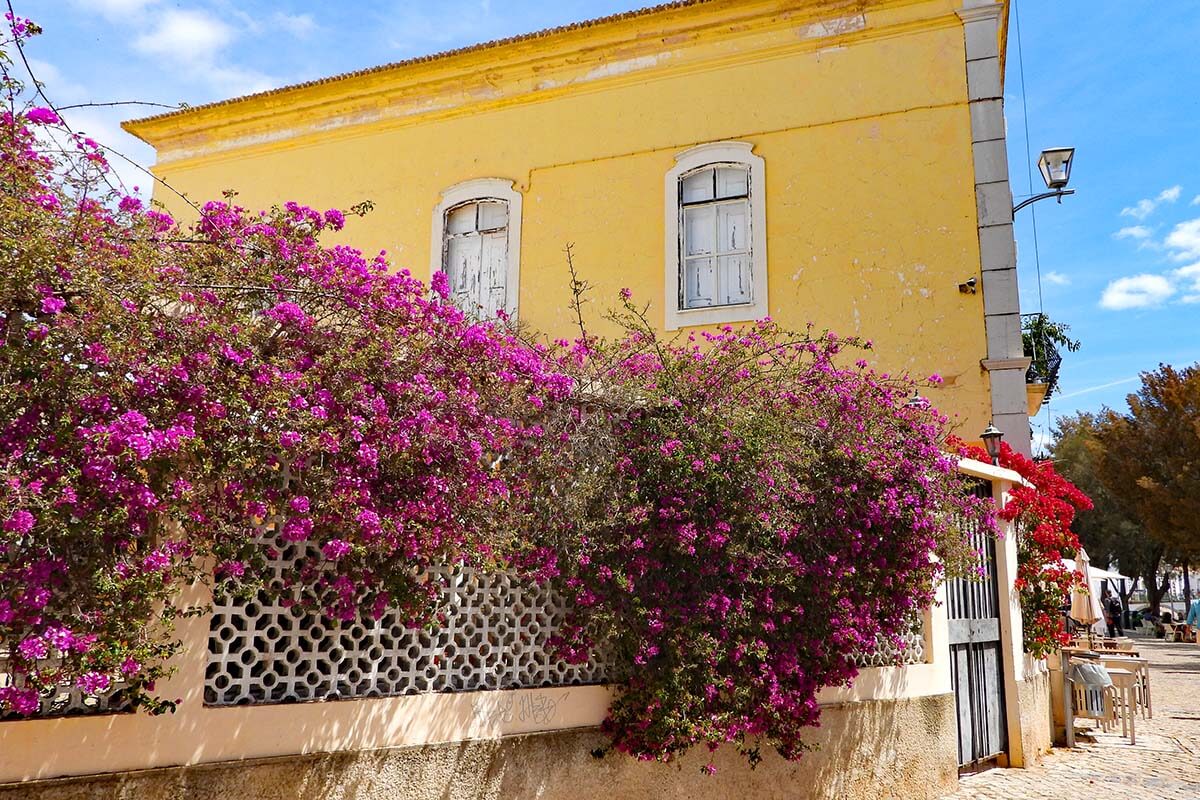
The Algarve may be your vacation destination, but it’s home to the people who live here. A little courtesy goes a long way and helps keep the region enjoyable for everyone.
Here are a few simple things to keep in mind:
- Dress appropriately away from the beach. Swimwear is fine on the beach, but shops, restaurants, and cafés expect guests to wear a T-shirt, shorts, or a cover-up.
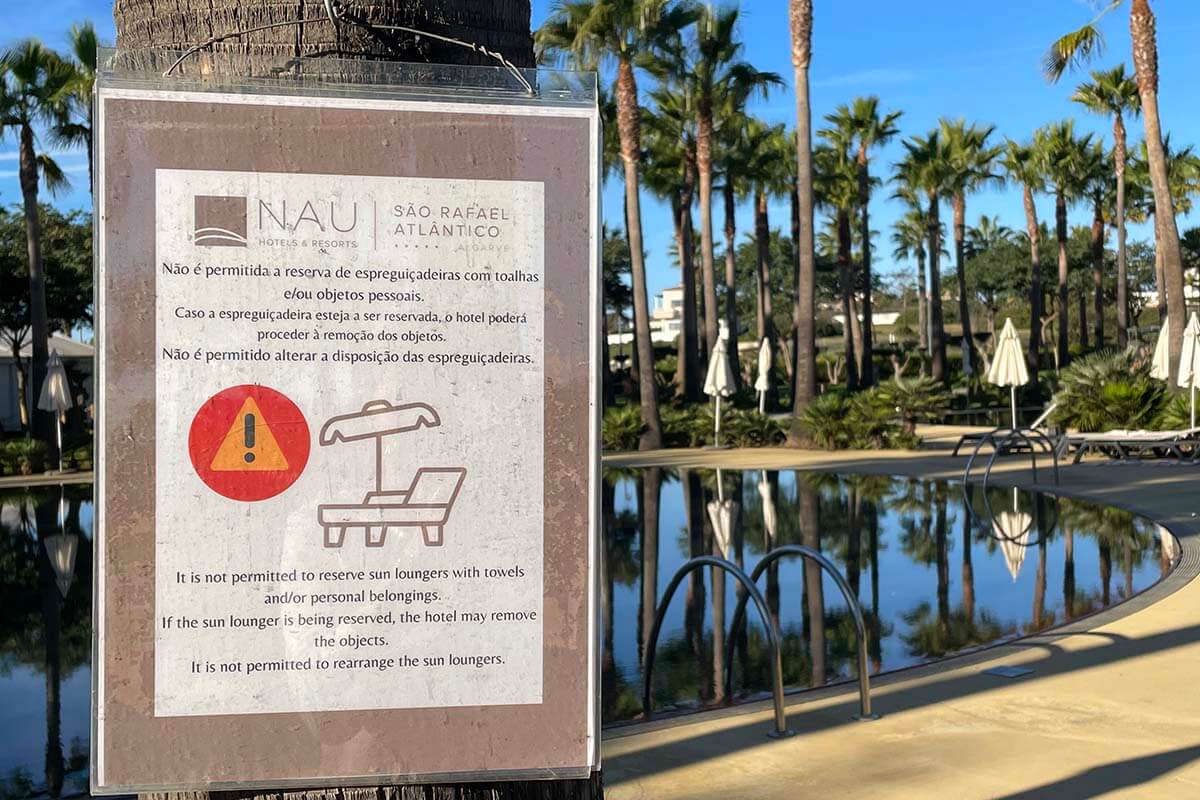
- Don’t reserve pool loungers if you’re not using them. Many hotels no longer allow this and may remove unattended towels. If everyone uses loungers only when they need them, there are usually enough for everyone.
- Be considerate of others. Keep noise to a minimum late at night, dispose of your rubbish properly, and avoid wasting water. The Algarve experiences frequent droughts, so using water responsibly is especially important.
Following a few simple rules of common courtesy helps preserve what makes the Algarve such a wonderful place to visit—for both locals and fellow travelers.
18. Learn a Few Words of Portuguese
While many people in the Algarve speak excellent English, locals always appreciate it when visitors make an effort to use a few Portuguese words.
If you don’t know any Portuguese, it’s perfectly fine to speak English. Just avoid assuming that everyone speaks Spanish. Portuguese and Spanish are different languages, and many Portuguese people don’t appreciate the comparison.
A simple greeting, a smile, and a “thank you” go a long way.
Here are a few useful words:
- Hello – Olá!
- Good morning – Bom dia (used until noon).
- Good afternoon – Boa tarde (used after lunch).
- Good evening – Boa noite (used after dark).
- Please – Por favor.
- Thank you – Obrigado (if you are a man) or Obrigada (if you are a woman).
19. Relax & Enjoy
There is just something about the Algarve that instantly puts us in vacation mode. Maybe it’s the sunshine, the ocean, the laid-back atmosphere, or simply the slower pace of life.
The moment you step off the plane in Faro and see the palm trees, blue skies, and people enjoying the outdoors, it’s easy to leave everyday worries behind.
We’ve visited the Algarve many times over the years, and it keeps drawing us back. Whether you come for the beaches, the coastal scenery, the charming towns, the food, or simply to unwind, it’s a destination that’s easy to fall in love with.
So slow down, relax, and enjoy every moment of your trip.
So, those are our top travel tips for visiting the Algarve. I hope they give you a better idea of what to expect and help you plan an amazing trip.
Have a wonderful time in the Algarve!
TIP: We have dozens of detailed travel guides covering the Algarve, the rest of Portugal, and the Portuguese islands. If you’re planning a longer trip or looking for more inspiration, check out the guides below or visit our Algarve travel page and Portugal travel page for the complete overview.
More travel inspiration for Portugal:
- Best Things to Do in Lisbon
- Best Things to Do in Sintra
- Best Towns and Cities in Portugal
- Best Day Trips & Tours from Lisbon
- Best Things to Do in Madeira
- Best Things to Do in São Miguel (Azores)
TIP: Save this guide for later, share it with your friends, or pin it to Pinterest so you can easily come back to it when planning your trip.



Hello.
First of all I want to thank for your amazing blog-last several years I plan according to it all our family vacations and hikes around Europe.
Question- we would like to dedicate about 3 weeks to Algarve+Madeira, between mid Sept – mid Oct, with 2 kids (5.5 and 11.5 y.o., well trained in mountain hiking).
How is better to divide the time between these destinations and to which come first? It is not too much time? We have been on central Portugal and loved it, if 3 weeks is too much-can spend several days or a week in Lisbon and the area.
Thank you in advance
Hi Anna, thanks a lot for your kind feedback – I really appreciate it.
Madeira and Algarve are both fantastic destinations, and September – October is a wonderful time to visit. I am hesitant to say which one you should do first because if the weather acts up, it will be on me :). In general, the weather should be great at that time of the year, and even if it rains in one place, it can be sunny nearby.
If you like hiking, Madeira has a lot more to offer than Algarve, with some truly spectacular trails. Take a look at our guide to the best hikes in Madeira for some inspiration. In Algarve, there is just one hike that you absolutely have to do, and that’s the Seven Hanging Valleys trail. There are many others, but some quite long and not that easy to do without arranging extra transportation, or not that spectacular. In addition, if you like coastal walks, I highly recommend walking the entire length of Falesia Beach – from Vilamoura to Olhos d’Agua. It’s not really a hike, rather a walk and you can choose between walking on top of the cliffs or down on the beach, or both – first on top and then at the bottom). Take a look also at our guide to the best beaches of Algarve – there is some hiking that you can do at many of them too. The beaches in Madeira are totally different and not nearly as nice as the ones in Algarve. Whale/dolphin watching is better in Madeira. In Algarve, I highly recommend a kayak tour at Ponta da Piedade. Benagil Cave is considered a must too. You may also want to check this guide: best things to do in Algarve with kids. If you want to get a bit more off the beaten path, spend some time on the western coast of Algarve and Alentejo. The scenery is amazing!
As for how much time to spend, you can easily do 1.5 weeks each, but this also depends on your interests. If you want to spend even more time hiking, then stay in Madeira a bit longer (although, I find that 7-10 days is plenty). If you want to do some extra activities like visiting smaller towns, water parks, all kinds of water sports, etc., then you can easily fill a few weeks in Algarve as well. And yes, you can easily combine Algarve with Lisbon and/or Alentejo.
Hope I’m not overloading you with too much information :). All this is just to say that we love both destinations, that there’s plenty to see and do at both, and that the rest really depends on your interests and a bit on the weather as well. You could see Madeira as more of a hiking destination and Algarve as a more relaxing beach vacation with lots of sightseeing possibilities, but also plenty of opportunities to relax. We have only been to Madeira twice, whereas we visit Algarve several times per year, so I have many more articles about the Algarve region than about Madeira. Take a look here for an overview.
Good luck with the planning and have a great trip!
Thank you very much! I