
27 Interesting & Fun Facts About Belgium (That You Probably Didn’t Know)
This site contains affiliate links, which means that we may earn a small commission, at no cost to you, for qualifying purchases. It supports the work that goes into keeping this content free. Thanks for reading! More info: Privacy Policy.
Belgium is an interesting country that’s been shaped by many different influences. Best known in the world for its waffles, chocolate, and beer, Belgium is as fascinating and diverse as its food and drinks.
In this article, I want to show you a lighter, fun side of this beautiful country that I now call home. Some interesting facts and fun things that you probably didn’t know about Belgium.
So here are some of the typical things that make Belgium unique. Things that Belgium is famous for, but also some quirky facts that you probably never heard of. Some of these habits might seem very strange at first sight, but once you get to know and love this country, you cannot imagine it any other way.
Read on to learn more about Belgium and the Belgians!
READ ALSO: Belgium Travel Guide
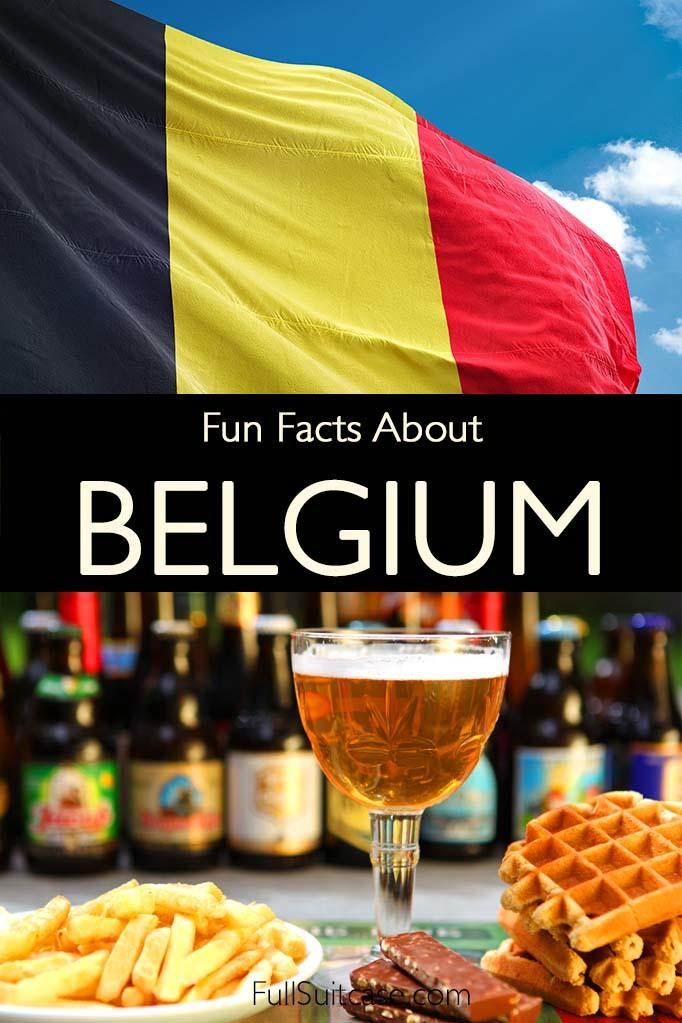
In random order, here are all kinds of fun and interesting facts about Belgium:
1. Belgium can function without a government
Belgium is a constitutional monarchy. We have a King and no fewer than six governments: one federal government and five regional ones. Over the years, Belgium has repeatedly proven that the country can keep running just fine even when the federal government is… temporarily missing.
In 2010–2011, it took 589 days to form a federal government, setting a world record at the time. Not to be outdone, Belgium broke its own record in 2019–2020, when government formation lasted 652 days.
Most Belgians shrug this off as perfectly normal. “Some things take time,” they’ll say. Others even argue it has its advantages, since no new taxes can be introduced while politicians are still negotiating.
The main reason for these marathon talks is that political views in Flanders and Wallonia differ widely, and there are many small political parties. Parties that win big in one region often have no natural partner in the other, which makes forming a federal coalition a long and delicate puzzle.
2. There is no Belgian language
Belgium has three official languages, and none of them is called Belgian. Depending on where you are, people speak Dutch, French, or German.
In Dutch-speaking schools, kids start learning French by fifth grade at the latest, which means most Flemish people speak at least some French. In Wallonia, however, Dutch isn’t mandatory at school, so very few French-speaking Walloons can communicate in Dutch.
Most Flemish people also speak English. Many kids pick it up from TV long before they ever see it in a classroom. That’s less common in the French-speaking part of the country, where foreign TV shows are usually dubbed instead of subtitled.
So how do you say “hello” in Belgium? That depends on where you are. You’ll hear “salut” or “bonjour” in French-speaking areas, and “hallo” or “goedendag” in Flanders. And “thank you”? That’s either “merci” (French) or “dank u” or “dank u wel” (Dutch).
3. Belgians are crazy about football
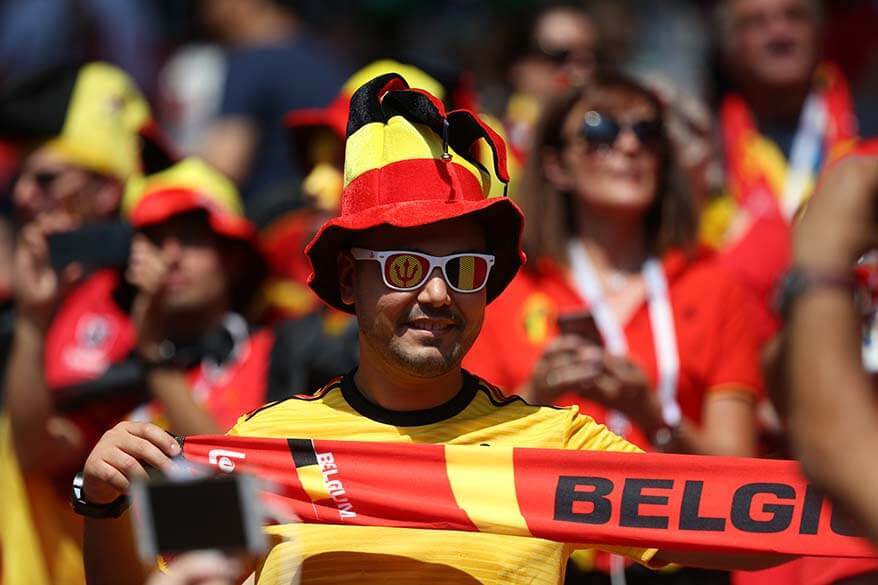
Belgium’s national football team is called the Red Devils, and whenever there’s a major tournament, the whole country turns red. When this article was first published, Belgium was ranked number one in the FIFA world rankings, and the country felt more united than ever.
Football (soccer) is pretty much the only thing that can bring all Belgians together and make them forget their differences, at least temporarily.
During big tournaments, you’ll see people wearing every possible football accessory, cars covered in flags and devil horns, and Belgian flags hanging from windows everywhere. Even people who normally don’t follow football suddenly know the match schedule and the starting lineup.
4. There are tens of different types of Belgian waffles
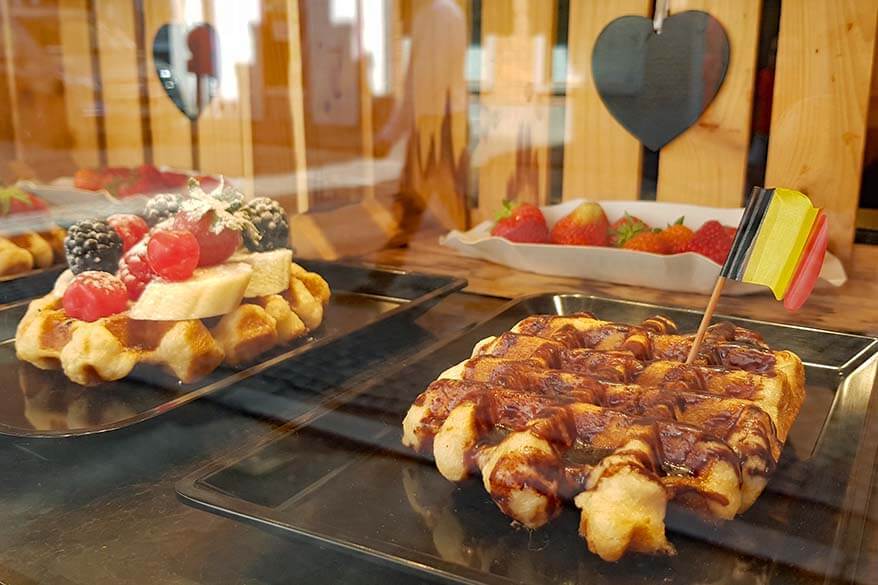
You can find more than 30 different types of waffles in an average Belgian supermarket (yes, I actually counted). But here’s the surprise: most waffles eaten in Belgium taste nothing like the “Belgian waffles” you’ll find in the U.S.
At tourist spots, you’ll usually see two classics. Brussels waffles are light and airy and not very sweet, which is why they’re often served with all kinds of toppings. Liège waffles, on the other hand, are thick, rich, and packed with pearl sugar that caramelizes as they bake. They’re already sweet enough on their own, but tourist shops often add toppings anyway, which, in my opinion, is completely unnecessary.
The “Belgian waffles” served abroad tend to be closer to Brussels waffles, though often with a lot more toppings than you’d ever see on a waffle stand in Belgium.
5. Belgians are a bit snobbish about chocolate
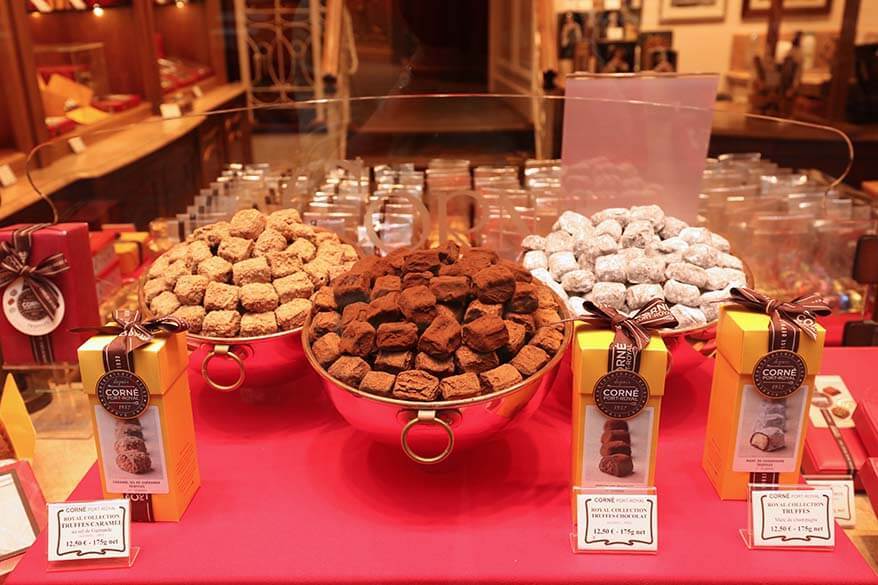
According to Belgians, Belgium produces the best chocolate in the world. And even though I’m only an “adopted” Belgian, I have to admit they might be right.
Giving foreign chocolate as a gift can be risky. It will be politely accepted, but don’t be surprised if it’s met with a raised eyebrow or a quiet “thank you.” After all, why bring chocolate from abroad when Belgium already has so many excellent options?
The truth is that Belgian chocolate really is that good. Possibly too good. And yes, Belgians are absolutely right in being proud of it.
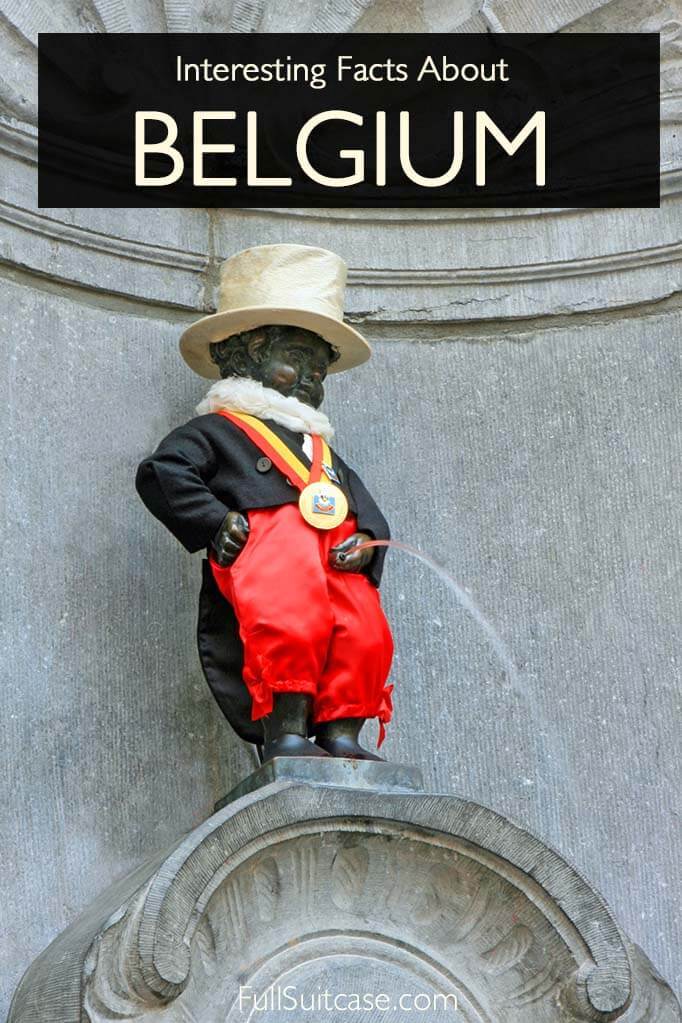
6. Belgian national symbol is a peeing boy
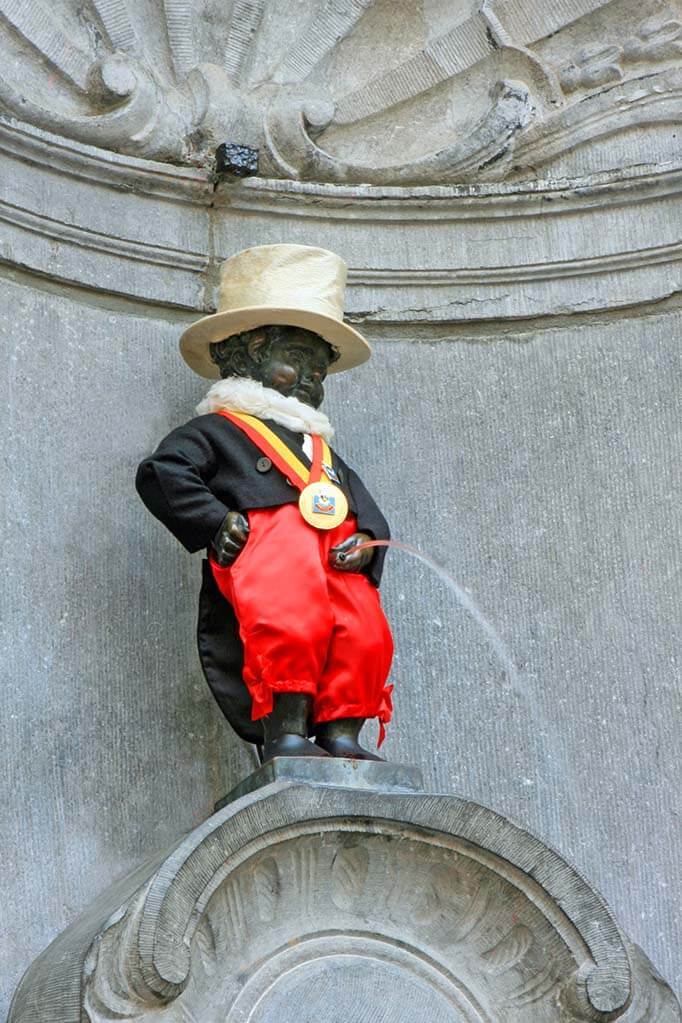
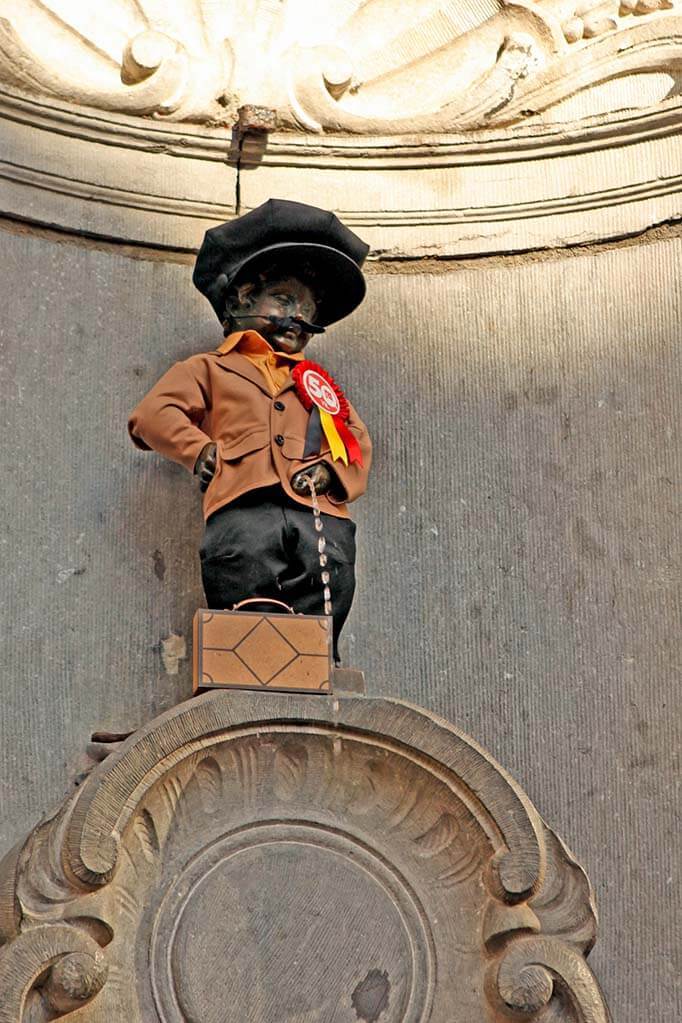
Belgium’s national symbol is a peeing boy called Manneken Pis. Or maybe he’s just the symbol of Brussels. At this point, nobody is entirely sure anymore, because the little guy has become an inseparable part of the country.
The original bronze statue dates back to the 17th century, but records suggest there was already a similar fountain here in the 14th century.
Most of the time, Manneken Pis isn’t dressed, which many visitors find entertaining. That said, he owns hundreds of costumes for special occasions, and the city takes the job of changing his outfit multiple times a week very seriously.
If you’re curious, you can see part of his impressive wardrobe at the GardeRobe MannekenPis Museum in Brussels.
Interesting to know: One popular legend says that a young boy once saved Brussels by putting out a fire with his pee, earning eternal fame. However, this is just one of the many legends, and the reality is probably quite different. You can read all about it in the Story of Manneken Pis.
7. Belgium is the land of music festivals and parades
Belgium has some of the best music festivals in the world. Tomorrowland, Rock Werchter, I Love Techno – these are just a few examples of music festivals attracting thousands of people from all over the world.
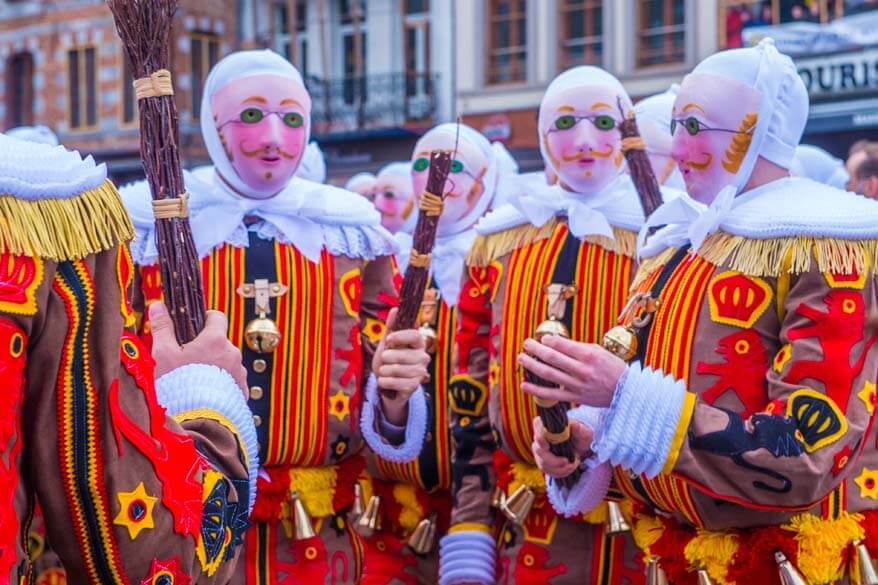
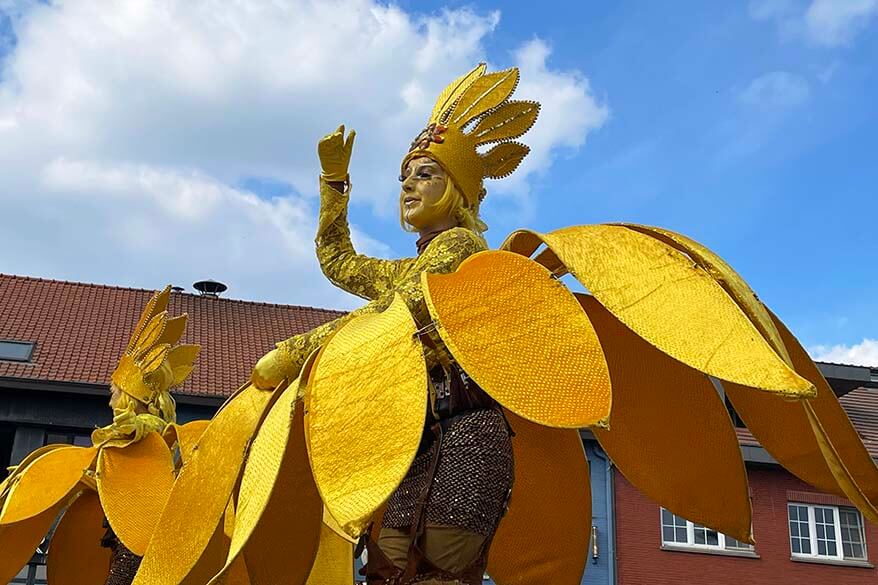
Belgians also love a good parade. And by “a good parade,” we mean a lot of them. There are traditional parades happening all across the country, some every year and others only once every few years (or even once a decade).
There’s the annual Aalst Carnival, the triennial Cat Parade in Ypres, the septennial Virga Jesse procession in Hasselt, and the Horse Bayard parade in Dendermonde, which only takes place every ten years. Miss it, and you’ll have to be patient.
In summer especially, Belgium feels like one big festival site. Wherever you go, there’s music, a parade, or some kind of celebration happening just around the corner.
8. Belgians invented the “French” fries
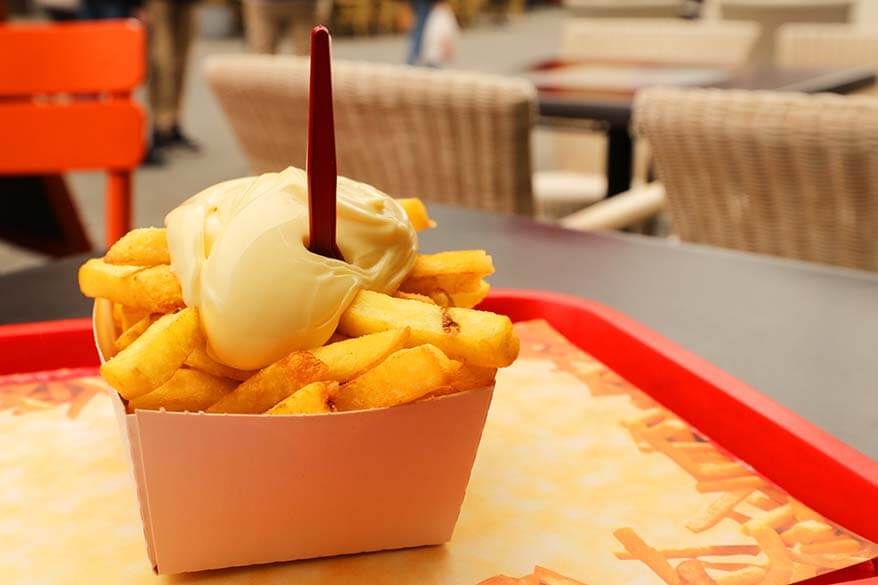
Belgians will confidently tell you that they invented French fries. And to be fair, the fries in Belgium really are better than in France (and, frankly, pretty much anywhere else).
You’re never far from great fries here. Within about five minutes of almost anywhere in the country, you’ll find a fritkot, a small kiosk or van serving proper Belgian fries. Even the smallest village usually has at least one.
You may have heard that Belgians eat their fries with mayonnaise. It might sound strange at first, but it’s actually delicious (also because mayonnaise here is very different from what you’ll find in most other countries). Fries with mayo have become my favorite Belgian comfort food, and it honestly wouldn’t occur to me to eat fries with ketchup ever again. That said, if you really need ketchup, go for curry ketchup instead. It’s another very Belgian option and a much better compromise.
9. There are over 1000 different types of beer brewed in Belgium
You could drink a different Belgian beer every day for about four years and never have the same beer twice. Not that this is a recommendation – just a fun fact.
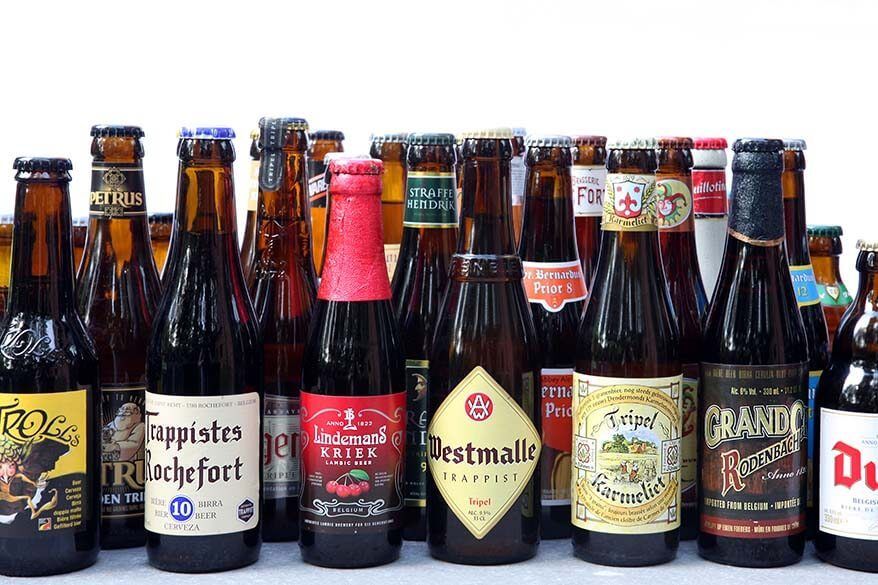
No one seems to agree on the exact number, but most sources estimate there are around 1,000 to 1,200 original Belgian beers brewed in the country.
And that’s before you count the many variations under the same beer name. That explains why you can find a café that serves more than 1,700 different Belgian beers in Brussels (look for Café Délirium). Choosing one can easily take longer than drinking it.
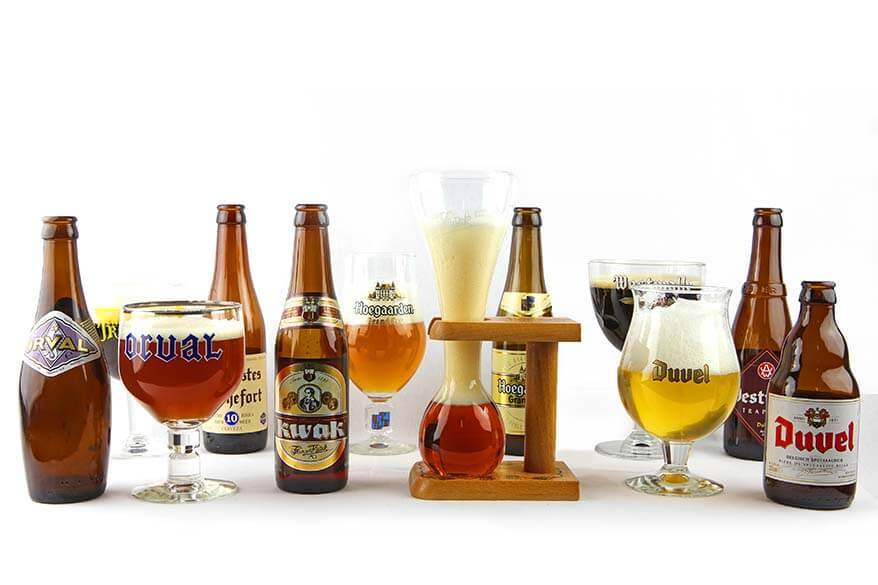
10. Every Belgian beer has a matching glass
In Belgium, every single beer comes with its own specific glass. How cafés manage to stock hundreds of different beers and the correct glasses to go with them is a mystery, but somehow it works.
We’re just an average half-Belgian family, yet our basement is full of beer glasses. We hardly ever use most of them, but to my Belgian husband, it would be unthinkable to serve a beer in the wrong glass.
So yes, we own an impressive collection of very specific beer glasses, each one carefully matched to his favorite beers. They’ve already survived a few international moves, and if we ever move again, I’m pretty sure I’ll be packing box after box of nothing but beer glasses.
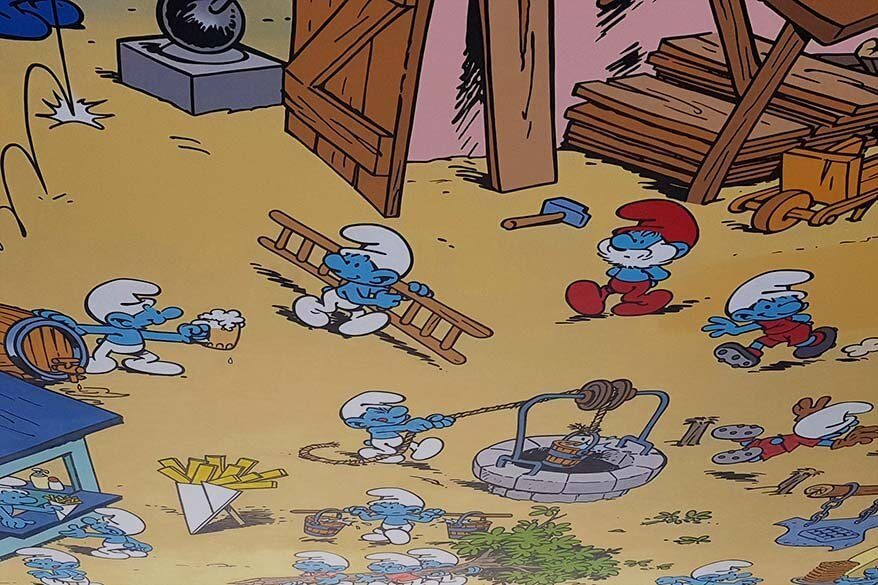
11. Smurfs come from Belgium
Belgium is famous for its comic strips. The best-known ones internationally are probably the Smurfs, Tintin, and Lucky Luke.
There are more than 800 registered Belgian comic series, which helps explain why comics are taken very seriously here.
Pretty much everyone I know in Belgium owns shelves full of comic books. They’re often among the first books kids learn to read, and they’re usually the first thing children look for in a school library – long before anything that looks even remotely educational.
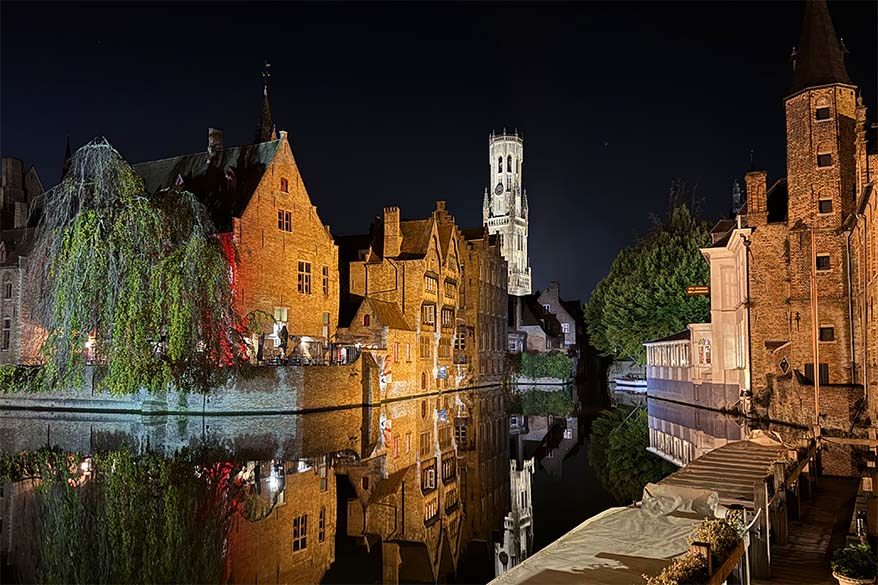
12. Belgian highways are lit at night
Belgium’s highways are (mostly) lit at night. I’ve gotten so used to it that I only realize how spoiled we are when the lights are turned off, or when we drive in other countries and suddenly it’s pitch dark.
To be fair, as I’m updating this article, some highway sections are now left unlit during the quietest hours of the night to save energy. Still, many Belgians aren’t fans of this idea and consider it unsafe. Once you’re used to driving on brightly lit highways, it’s hard to go back.
READ ALSO: Is Belgium Safe?
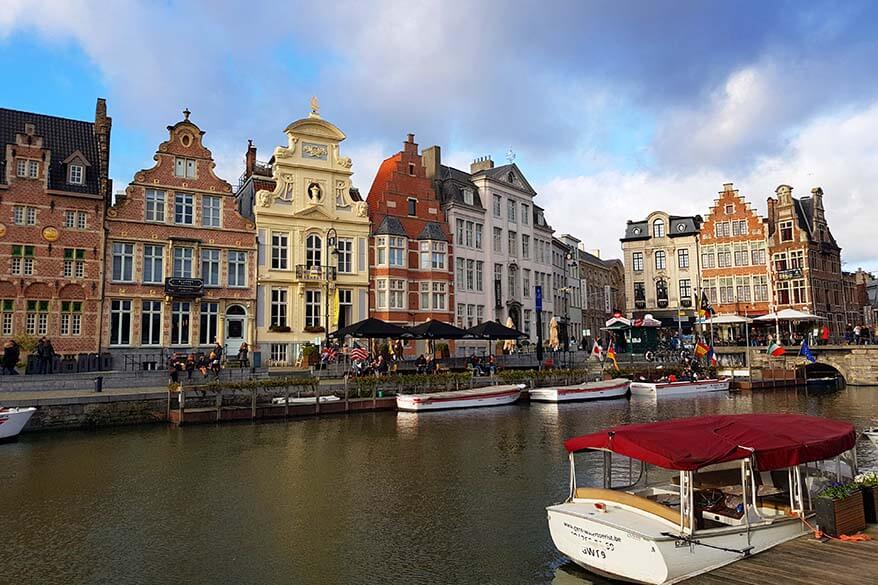
13. Belgians love to talk about the weather
You can make friends in Belgium simply by talking about the weather. Seriously. Belgians are obsessed with the weather, so you always have an easy conversation topic available.
Contrary to popular belief, it doesn’t rain all the time in Belgium, but we do get a fair bit of rain. In any case, enough to give us something to talk about. And if we get an exceptionally dry year – as has been happening more often lately – there’s just so much more to discuss…
So if you ever meet a Belgian and don’t know how to start a conversation, just comment on the weather. It works every time.
READ ALSO: What It’s Like to Visit Belgium in Winter
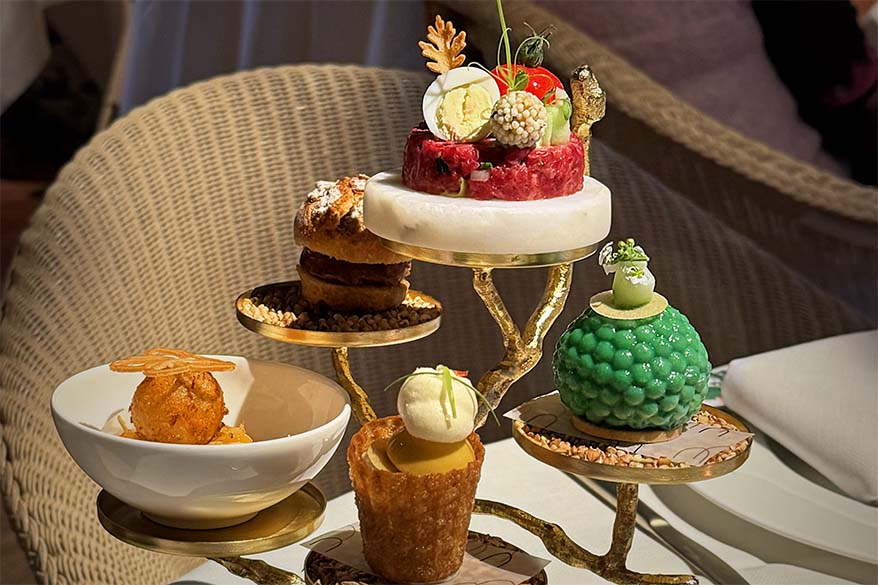
14. Belgians love to cook (and to eat)
Cookbooks regularly top bestseller lists in Belgium, which already says a lot. Belgians genuinely enjoy cooking. And eating. Ideally both, and preferably not in a hurry.
Food is taken seriously here, and many people embrace what’s often called a Burgundian lifestyle: good ingredients, generous portions, and something nice to drink alongside the meal. Home cooking is big, and so is spending time at the table.
If you’re going out for dinner in Belgium, plan for at least two to three hours. Nobody rushes through a meal, and restaurants don’t expect to turn tables multiple times in one evening. Dining out is a slow affair here, meant for long conversations rather than quick meals.
15. An ideal weekend is spent shopping or at the coast
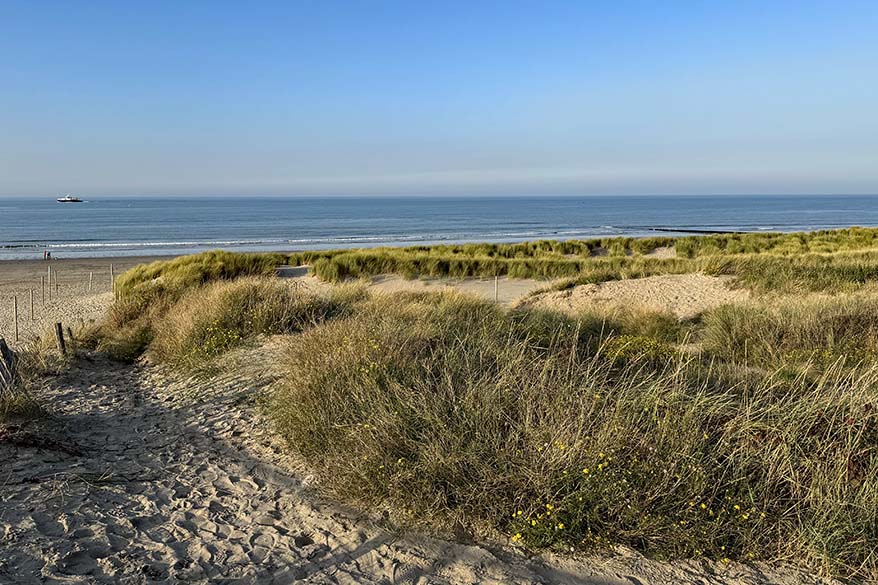
One of Belgium’s favorite pastimes is shopping. Another is going to the seaside. Ideally, both. A dream weekend plan involves a shopping trip to Knokke, the upscale resort on the Belgian coast.
In all seriousness, once the weekend starts, Belgians head en masse to major shopping areas and – if the weather is nice – to coastal towns.
If crowds aren’t your thing, it’s best to avoid major shopping areas and main coastal towns on weekends and public holidays. And if you can’t avoid it, do yourself a favor and go early in the morning – that way, you beat the worst traffic and get a head start before everyone else shows up.
16. Every Belgian wants to own a house
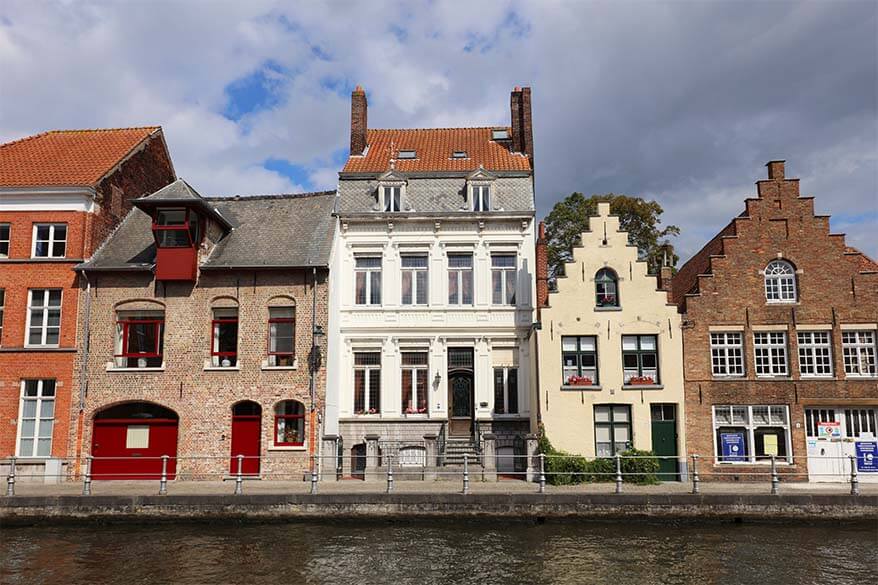
Belgians like to say they’re “born with a brick in their stomach.” In other words, owning a home is deeply ingrained in the culture. Most Belgians aim to buy or build a house as soon as they possibly can. Even if that means signing up for a 35- or 40-year mortgage, it’s generally seen as a perfectly normal life decision at a rather young age.
Renting is often viewed as temporary, something you do in your early twenties until you’re ready to settle down. Many Belgians are convinced that renting is simply “throwing money away,” which is why some parents even buy an apartment for their college-age children rather than pay rent for a few years.
On top of that, there’s a strong do-it-yourself mindset. Many people spend years renovating, upgrading, and constantly tweaking their homes.
17. Belgians dream of a B&B in Southern Europe
For many Belgians, the ultimate dream is to retire early and run a small B&B somewhere in Southern Europe. Provence in southern France and various parts of Spain are especially popular choices.
The plan is usually simple: buy a house, turn it into a cozy B&B, enjoy the sunshine, and only return to Belgium when it’s time for serious medical care. In practice, that often means coming back much later in life, usually around their 80s.
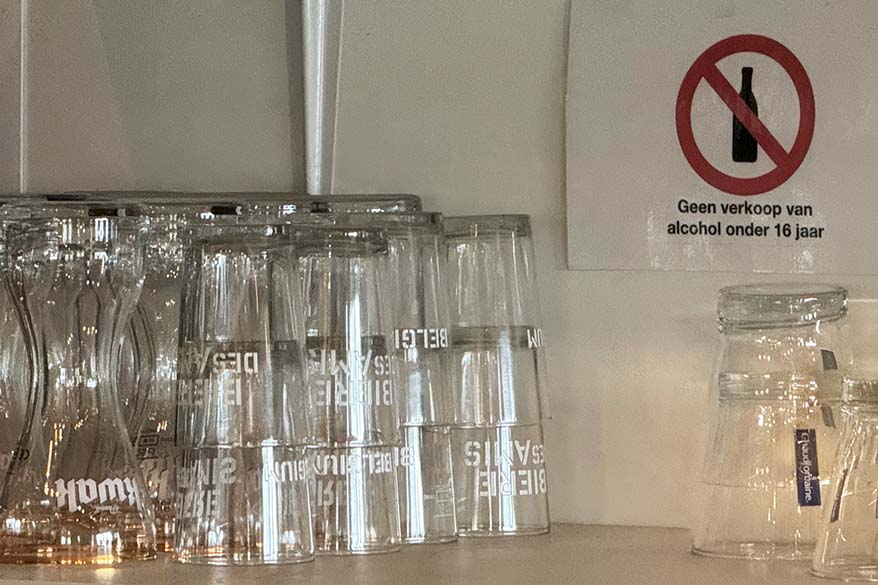
18. Legal drinking age in Belgium is 16
Yes, you read this right. In Belgium, you are allowed to drink alcoholic beverages from the age of 16.
There is a catch, though. This only applies to “lighter” drinks such as beer, wine, and champagne. For spirits and stronger drinks, you still have to be at least 18.
This often comes as a shock to visitors. Americans, in particular, tend to be completely stunned when they hear this – especially when they see a group of teenagers enjoying beer at a local café without anyone batting an eye.
19. Money topics are taboo
Belgians are generally quite open and happy to talk about almost anything, except money.
How much you earn, what you paid for your house, or what’s in your bank account are topics best avoided, even with close friends. Most kids usually have no clue what their parents earn, and that’s considered completely normal. In fact, many “kids” in their 40s or 60s still have no real idea about their parents’ overall financial situation or total wealth.
There is one money-related subject Belgians do like to talk about (and complain about): taxes. And there’s a very good reason for that – which brings us to the next point.
20. Belgium has some of the highest tax rates in the world
Belgium has one of the highest personal income tax rates in the world. Once you earn more than about €13,250 per year, your income is taxed at 40%. From roughly €40,000 onward, the top income tax rate of 50% applies.
On top of income tax, employees also pay social security contributions of 13.07%, plus local municipal taxes that can add another 5–10%, depending on where you live. When everything is added together, it’s not unusual for Belgians to see 60–65% of their gross salary disappear before it reaches their bank account (that’s without even looking at the additional contributions paid by employers).
And that’s just the tip of the iceberg. There are additional taxes on investments and stock transactions, various car-related taxes (both when you buy a car and every year you own one), property taxes, inheritance and gift taxes, and VAT on almost everything you buy. Add a few local levies on top, and it becomes clear why taxes are such a popular topic of conversation in Belgium (and why nobody minds if we don’t have a government to introduce new taxes).
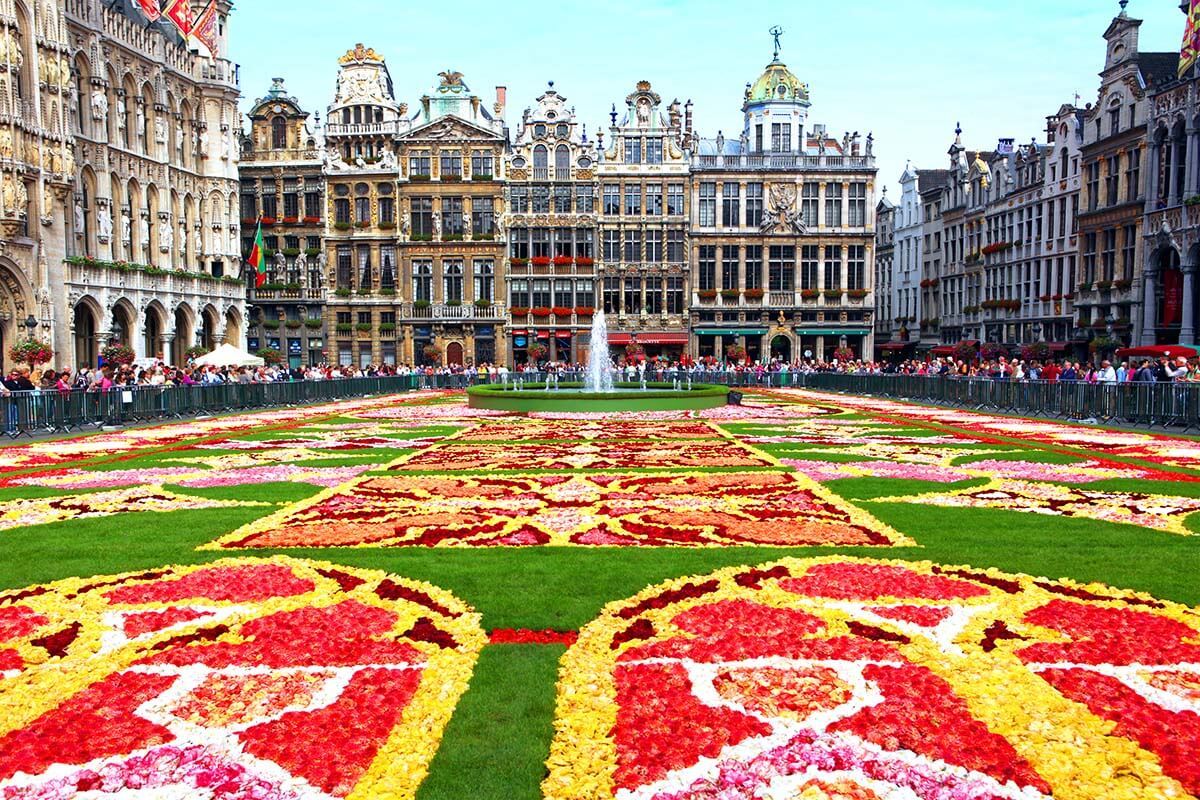
21. Belgians make flower carpets
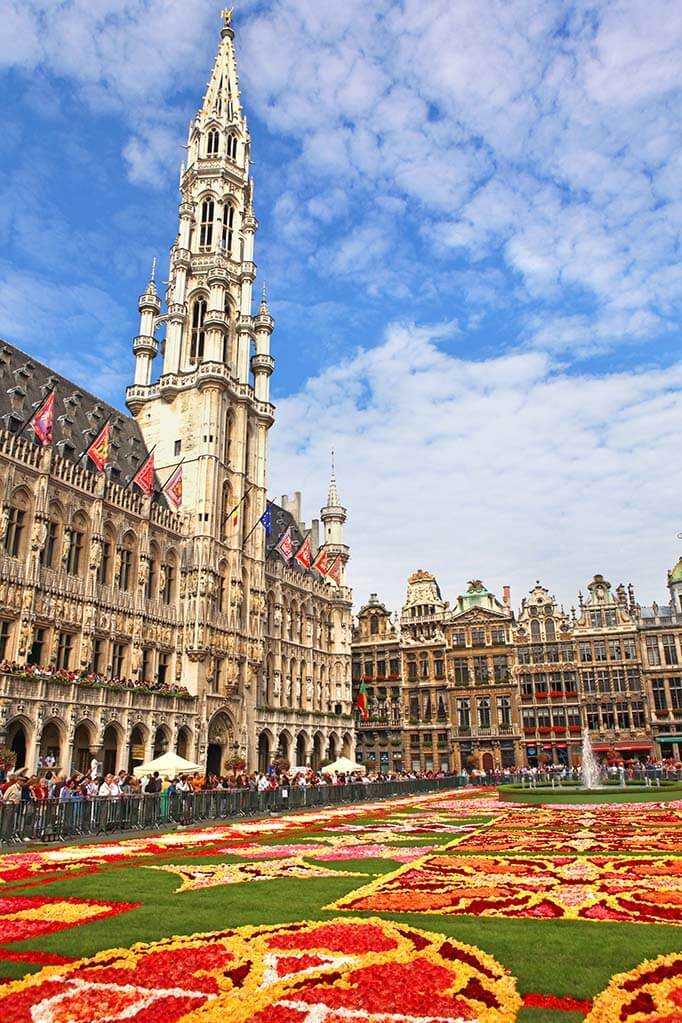
Belgians make carpets out of flowers, and they’re very good at it. These large-scale designs are created using thousands of fresh flowers, carefully placed by hand to form detailed patterns.
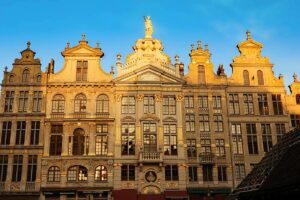
The most famous one is the Brussels Flower Carpet on the Grand Place. It takes place every two years, in mid-August of even-numbered years, and covers the entire square. The carpet looks different every time and is on display for just a few days, so you have to time your visit right, but it’s absolutely worth it.
22. Santa Claus doesn’t come to Belgium
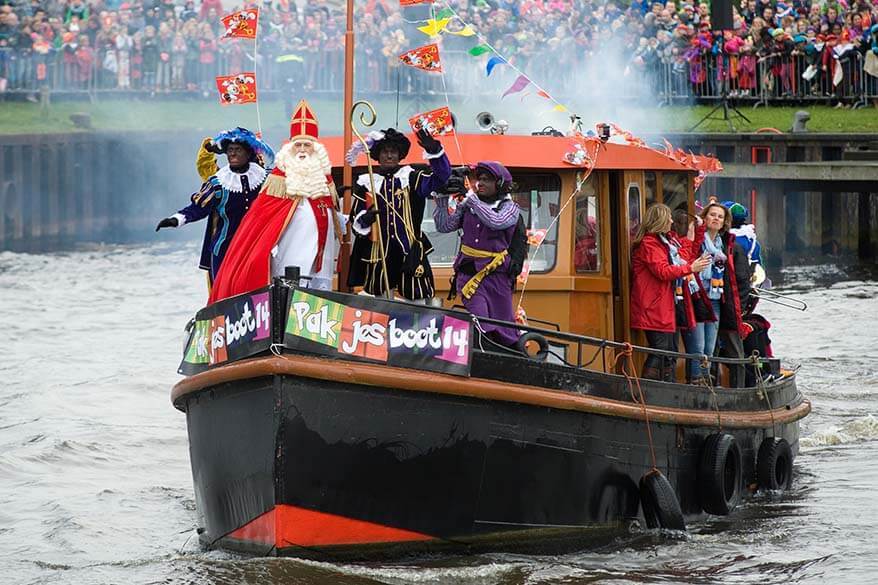
Belgian children don’t get their presents from Santa Claus, but from Sinterklaas, also known as St. Nicholas.
He arrives by boat from Spain around mid-November, then spends the following weeks visiting schools and shopping malls before bringing gifts to all the “good” children on December 6. He also carries a very important big book with all the children’s names, and every year he solemnly reads from it to announce that – once again – there were no bad kids at all this year. This is a major event, broadcast on national television.
Sinterklaas rides a white horse and, with the help of his assistants, enters houses through the chimney. On the evening of December 5, kids place their shoes by the fireplace. They usually leave drawings for Sinterklaas, carrots and sugar for the horse, and just to be on the safe side, they’ll sing a few Sinterklaas songs as well.
If you’re curious about how this tradition works, here you can read more about the Sinterklaas celebration in Belgium.
23. Belgium has the world’s smallest city
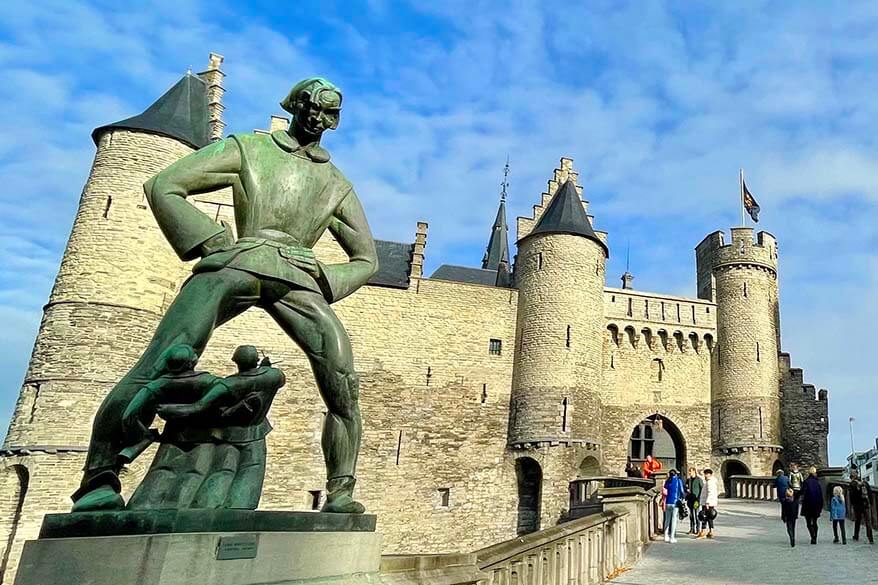
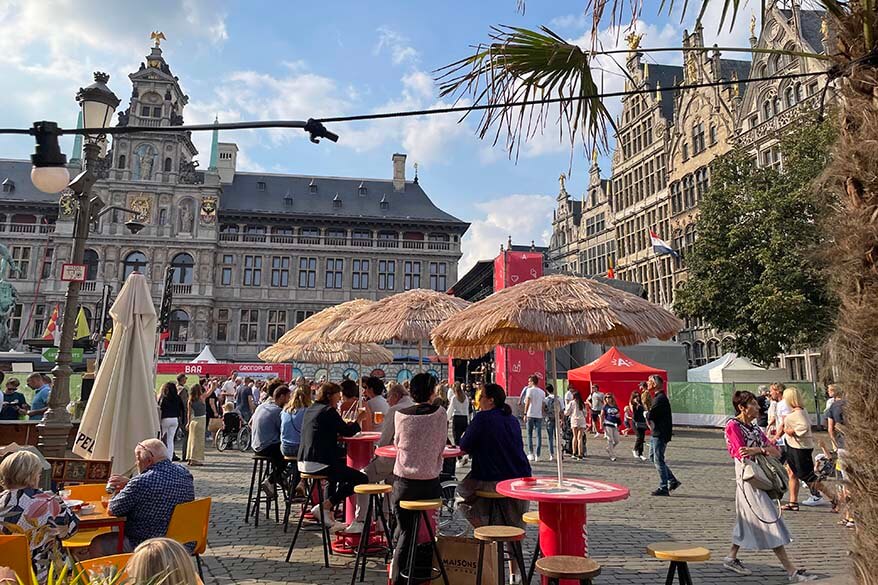
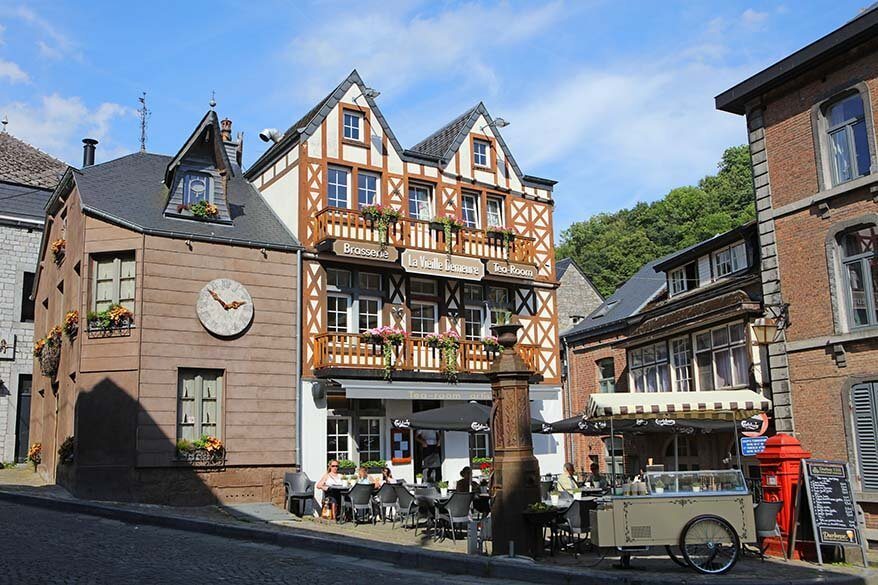
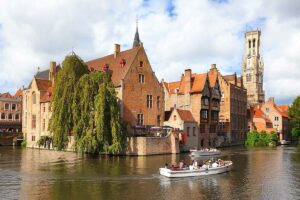
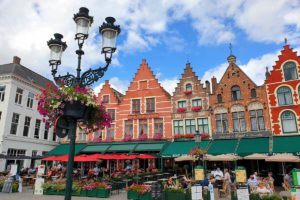
Belgium has plenty of beautiful historic cities like Bruges, Ghent, Antwerp, Namur, Dinant, Mechelen, and Leuven, just to name a few. It also has many smaller towns, but there’s one place Belgians are particularly proud of: Durbuy.
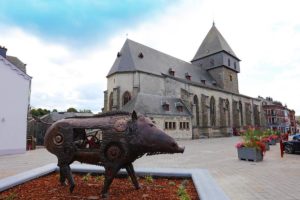
Durbuy proudly calls itself “the smallest city in the world.” In reality, it feels more like a very small town, with a population of around 500 people. You can walk from one end to the other in a few minutes.
That said, Durbuy’s status isn’t just marketing. Its location was strategically important in the past, and in the early 14th century, the Count of Luxembourg officially granted it city rights. Once a city, always a city – no matter the size.
24. Belgians co-invented the World Wide Web
When listing things Belgium is famous for, people often forget that the country also has strong universities and plenty of scientists. One of the best examples is the invention of the World Wide Web.
Belgian computer scientist Robert Cailliau worked together with his British colleague Tim Berners-Lee on developing the hypertext system used to access and share information. That work eventually led to what we now know as the World Wide Web.
So yes – no waffles, fries, or internet without Belgium. Let that sink in for a moment. 🙂
25. You have to pay to use a bathroom in Belgium
One thing I still haven’t fully gotten used to in Belgium is paying to use the bathroom. In many places, like shopping centers, gas stations, cinemas, etc., you’ll be charged €0.50 to €1 per visit.
In busy city centers, even restaurants sometimes charge for bathroom use, although they usually make an exception for paying customers.
So, when traveling around Belgium, it’s always smart to keep some small change in your pocket. It might come in handy at the most inconvenient moment.

26. Saxophone was invented by a Belgian
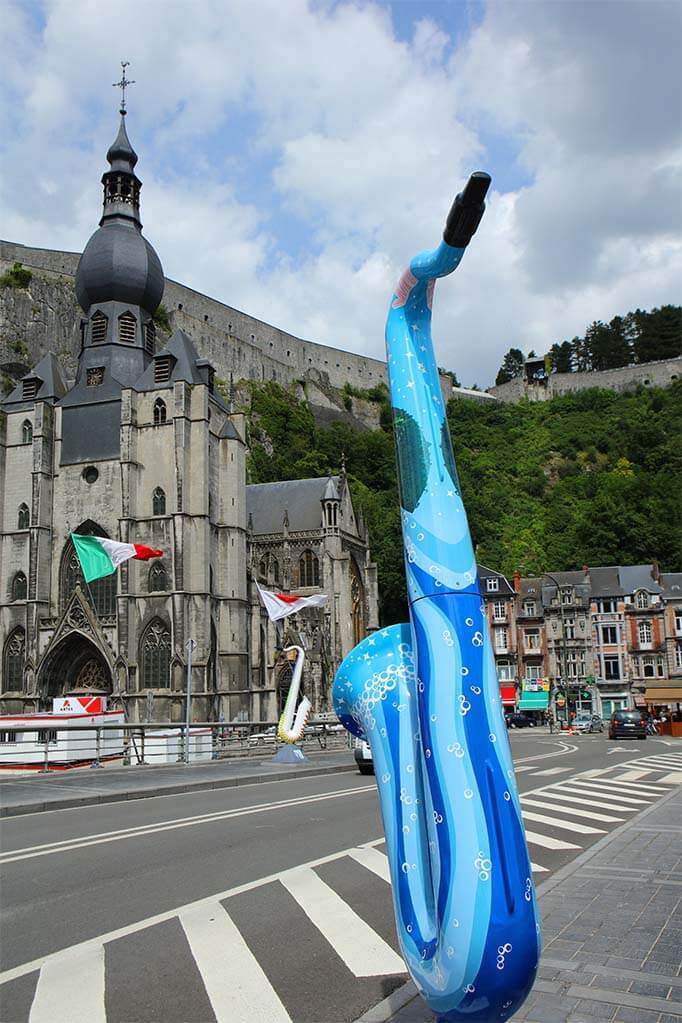
The saxophone was invented by a Belgian, Adolphe Sax. He was born in the small town of Dinant, and the city hasn’t forgotten it. If you visit today, you’ll see saxophones all over town, from colorful statues along the river to references in shops and museums.
And it’s not just music. Belgium has also produced an impressive number of famous artists. Painters like Rubens, Ensor, Magritte, Delvaux, and Van Eyck all came from here, which explains why art plays such a visible role in Belgian culture.
27. Belgian cities often have several different names
Belgium is multicultural and multilingual to its core, and you’ll notice it in everyday life. This isn’t even about the many nationalities living here – it’s about Belgium itself.
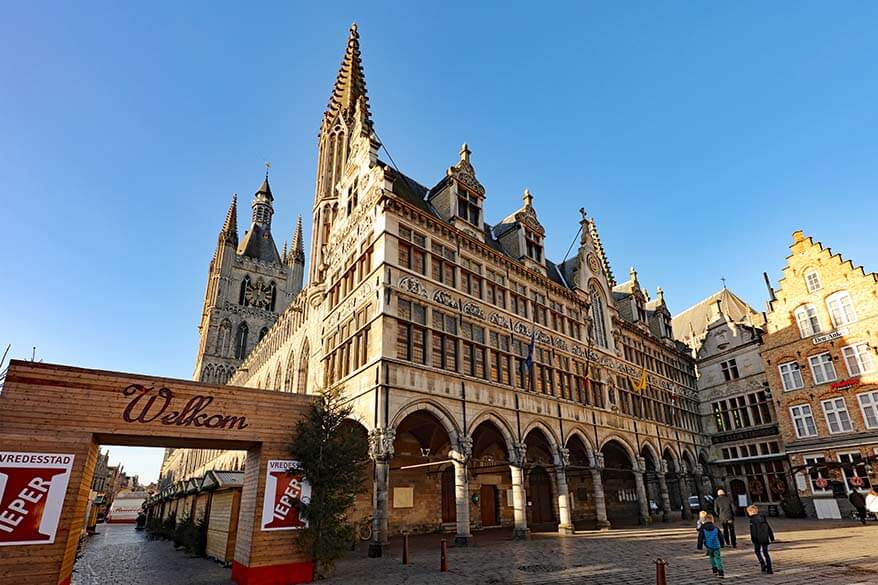
One of the best (and most confusing) examples is that the same city often has completely different names depending on the language. Flemish, French, and sometimes German names all coexist, and road signs stick strictly to the local language.
This makes it surprisingly easy to get lost while driving. If you’re on a highway near Antwerp, don’t look for signs saying “Liège” – you’ll only see “Luik.” And once you finally reach Liège, you’ll need to follow the signs for “Anvers” to get back to Antwerp.
I still remember getting lost in Belgium before GPS was a thing. I had a paper map, but the road signs pointed to places that didn’t seem to exist – at least not under those names – so I ended up driving around for hours. At one point, I asked for directions to Mons, which was less than 30 minutes away. People looked at me blankly because in Flanders it’s called Bergen. It also took me weeks to realize that Gent and Gand are the same city.
Here are just a few examples of Belgian town names. Some are fairly similar, others look like they have nothing in common at all:
- Bruxelles = Brussel = Brussels
- Antwerpen = Anvers = Antwerp
- Gent = Gand = Ghent
- Mons = Bergen
- Tournai = Doornik
- Mechelen = Malines
- Kortrijk = Courtrai
- Namur = Namen
- Ieper = Ypres
- De Haan = Le Coq
- Braine-l’Alleud = Eigenbrakel
- Jezus Eik = Notre-Dame-au-Bois
- …
And if you’re wondering – yes, even the country’s name changes depending on the language: België in Dutch, Belgique in French, and Belgien in German.
Belgium FAQ
Here are some additional facts that you may want to know about Belgium:
Belgium is best known for its chocolate, waffles, fries, and beer, as well as its national football team, the Red Devils. The country also plays an important international role, as Brussels hosts the headquarters of NATO and major EU institutions, including the European Commission and the European Parliament.
Yes, especially in Flanders, where most people speak English very well. In Wallonia, English is less widespread, but as a visitor, you should have no trouble finding someone who can help you in English.
Yes. Belgium has a high standard of living, strong infrastructure, and a well-developed social system. While incomes are generally high, this also comes with higher taxes compared to many other countries.
Belgium’s high taxes help fund public services such as healthcare, education, social security, and infrastructure. Healthcare is widely accessible and affordable, school costs are relatively low, and university tuition is heavily subsidized.
The cost of living in Belgium is relatively high, but it’s still reasonable compared to other Western European countries. Housing, for example, is a lot more affordable than in cities like Amsterdam, Paris, or London.
YOU MAY ALSO LIKE TO READ: Best Places to See & Things to Do in Brussels
So there you have it – some fun facts about Belgium. As you can see, it’s a unique country: multicultural, a little complicated at times, but very much its own place. It’s a great place to live and a wonderful destination to visit.
If you’re planning a trip, have a look at our suggested Belgium itinerary for 3 or 4 days to help you plan your time. And if you’re choosing just one city to visit, Antwerp is our personal favorite.
More travel inspiration for Benelux:
- Netherlands: Best Day Trips in the Netherlands
- Luxembourg: Best Day Trips in and Near Luxembourg
- Brussels:
- Antwerp:
- Bruges:
- Amsterdam:
- Winter trip:
- With kids:
TIP: Did you find this guide helpful? Bookmark this post for later, share it with your friends, and save it to Pinterest to inspire your next trip.
Hi Jurga thank you for providing us information about Belgium it’s very interesting & informative i really enjoyed reading about the fun fact as i had been experienced pay toilet at the mall and another at train station 😊
Also never experienced such weather like this before !
Ha ha, what’s wrong with the weather? The sun is shining and it’s the warmest February we ever had. The rain, well, we have plenty of that too… 🙂
I am a Belgian myself, and I have to admit that i actually don’t like mayo on my fries at all.
Most of us do, but I think its disgusting!
Ketchup is way better 🙂
Ha ha, you could be friends with one of my kids – he’s on the ‘ketchup camp’ too :).
@Jurga, yeh me too x
Is there much discrimination in Belgium, inasmuch as the boy urinator appears to be black skinned?
Hi Ed, I’m not sure I understand your question or what it has to do with the color of a bronze sculpture. Following this reasoning, all the famous people whose sculptures are made of bronze were brown/grey. 🙂 Plus, Manneken Pis is a positive character – you can read his story here.
As for discrimination, things are evolving and we have a very multicultural society so that helps a lot. In fact, Belgium has one of the most open societies I know of, together with the Netherlands. To answer your question in short, yes, there is some discrimination (where not?). But things are also rapidly changing and younger generations already have a totally different attitude toward people of different backgrounds than their grandparents did.
Hi! This article really helped me for my school project. I don’t think I trust you with the mayo bit, though.
Ha ha, you’ll just have to come over to Belgium and give it a try ;).
A peeing boy is weird but facinating. LOL
When you think of it, there’s nothing weird or fascinating about it. It’s the most natural thing, isn’t it? 🙂
This is a lifesaver! i had to use this for a country thing in school, and it’s really helping! thanks again lol
Ha ha, glad to help, Luke.
Seeing that Belgium has a peeing boy at its national thingy it makes me feel a bit weird about my geography task. lol
Belgium has a lot more than that, so you can easily focus on something else instead, like chocolate, football, or beer for example ;).
The word ‘french’ in french fries is actually a description of the way the potato is cut into strips (julienne or french cut). It is not named after the country.
en.wikipedia.org/wiki/julienning
That could be well possible, especially knowing how the French feel about potatoes, lol. But to an average person anywhere in the world ‘French’ means coming from France, no matter the story behind it. 🙂
why would national symbol a peeing boy?
Ha ha, it’s because of an old legend. According to it, a small boy stopped a fire from spreading in Brussels by peeing on it. The city was saved and the little peeing boy became its symbol.
why would you have to pay to go to the bathroom?
Because it costs money too, I suppose. For the water, electricity, and also the staff who has to clean it.
EPIC!!
Excellent information ,now have a good picture of Belgium
Thank you
Glad to hear that!
I want to visit this lovely country
Hope you get to visit Belgium one day!
we do have santa, we just also have sinterklaas. We just get twice the presents, its pretty amazing. and our whether does suck 99% of the time
What do you mean our weather sucks? :))) Did you even go outside in the last few months? Where we live, we haven’t seen rain in forever… This spring has been the driest/warmest I can remember. Belgian climate is becoming as good as in southern Europe, just a bit cooler. We are actually hoping for some rain for the garden…
The reverse of the euro-coin (the side that shows the denomination) has been designed by Luc Luycks, a Belgian.
Barbed wire was invented by an (hitherto) unknown farmer in the West country: the original barbed wire consisted of twisted strands of metal wire with nails inside to keep the herds within the field.
Plastics the way we know them have their origins in bakelite, which was invented by a Belgian, Leon Bakelandt who was at that time working in the States. Bakelite was a hard plastic. Adding substances to make it softer (and less brittle) gave rise to modern day plastics.
Belgium (and the Netherlands) have the most interesting enclave/exclave called Baarle. When in Belgium, you should go and visit this quant Belgian-Dutch community, close to the town of Turnhout. You can see the border running through streets and even through some houses.
Until 1919 Belgium had a small enclave close to the German and Dutch border. It was about 3.5 km² and it was owned by Germany (Prussia) and the Netherlands. It’s flag was horizontal blue-white-black, a combination of the Prussian red-white black and the Dutch blue-white-red). After the war Belgium annexed it. The Dutch – as far as I know – never complained. Until a few years back it had an (unofficial) representative office (consulate) in Aachen (Germany). Maybe it’s still there.
There are three points where the borders of 3 countries meet: close to Gemmenich (Belgium, the Netherlands and Germany); one near Ouren (Belgium, Germany, Luxemburg) and one near Aubange (Belgium, France, Luxembourg).
Belgium is not restricted to the 30.689 km² it is. It also has extra territory in Germany, called the Vennbahn. It is a disused railway line in Germany. Either side of the track is German. The track itself is Belgian property. It’s now a popular hiking and cycling route.
Talking about territory. Earlier on in 2021 a Wallonian farmer enlarged Belgium by a few m² because he had moved the Napoleontic border post in order to make it easier for him to work the farmland. Immediately the French village, which all of a sudden found its area having been shrunk, was in an uproar and the mayor contacted his counterpart across the border in Belgium. The two had an amicable talk and the farmer was ordered to put the border post back where it originally stood. He complied avoiding a full diplomatic row.
At Epiphany, families with children will buy a round cake. In it, there is a bean (hidden, out of site). The person who finds the bean in his slice of cake, is then the king or queen for the day and can for example ask his/her brothers and sisters to do things and can also tell mum what there will be for dinner at night. This goes back to the story of the three wise men (called “The three kings, in Dutch) who went to visit Jesus.
Every country has a mother’s day of some sort (and I assume also a father’s day). If you are a mum and living in the city of Antwerp, you’re in luck because Antwerp celebrates Mother’s day twice (2x!) in a year: once on the second Sunday in May and once on August 15th, which is a national holiday in the whole country. If you are a mum not living in Antwerp, too bad.
In the olden days (i.e. the generation that is now in its sixties) every boy had one girl’s name and every girl one boy’s name, because babies would be named after their godmother and godfather as their second and third name. The first name of course complied with the baby’s gender.
Belgium, together with France, are the only two European countries (together with some francophone African countries) to use AZERTY keyboards. The rest of the world uses QWERTY.
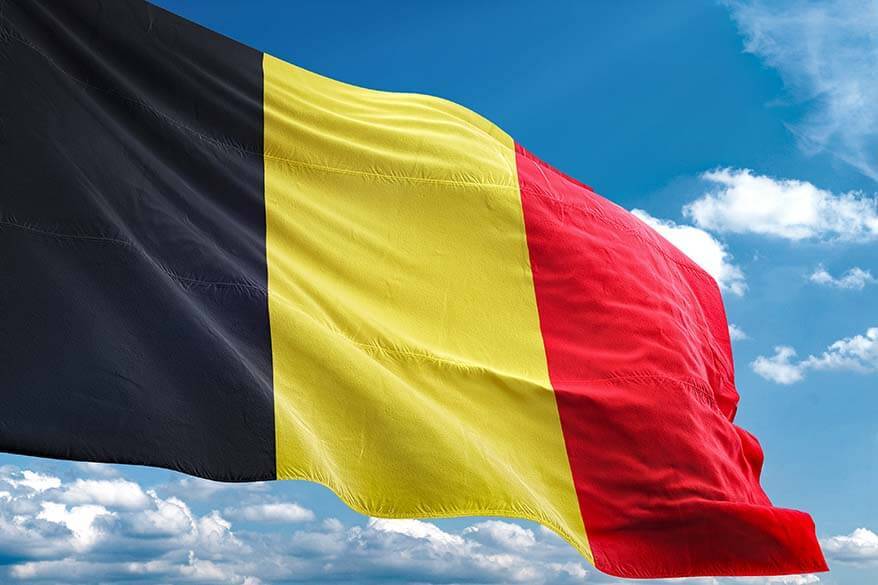
The Belgian tricolour flag is the only flag that is almost a square (the Swiss flag being the only square flag in the world). Its dimensions are 13×15. Most Belgian flags displayed, especially by private citizens, have the wrong proportions.
When you are in prison, you can try to break out. If you succeed, you won’t be punished for it, since it is reasoned that mankind is not made to live in isolation. However, you can be punished for damaging state property.
Also, if you are without any means to exist, you are allowed to steal food from shops. You may be arrested and told off, but legally, you cannot be brought before a judge for having stolen food. The idea is that if you’re too poor to buy food, you have to undertake something to still your hunger. Stealing other items is of course punishable.
Every Belgian is supposed to know “the law”. He or she is not supposed to know every law. That’s what is stated in the constitution.
The head of state is called King/Queen of the Belgians, not King/Queen of Belgium. The head of state does not own Belgium (though he/she has substantial properties). And Belgians are not subjects to the king or queen (like in the UK) but compatriots. The King/Queen is also not a crowned head, since Belgium does not have crown jewels. He/she is proclamated and there is no crown whatsoever involved.
Paris has its Eiffel tower. Brussels has its Atomium, 165 billion times the size of a real iron-unit cell. Like the Eiffel tower, it was built for a world exhibition (in 1958) and was supposed to have been demolished thereafter. But because of its unique shape and landmark quality, it has been preserved and recently overhauled. Once you’ve seen it, you can’t forget it.
When you talk fashion, you talk Paris, Rome, Milan, New York, … Don’t forget Belgium. Antwerp and Brussels fashion designers work for Hollywood stars and plenty of royalty. Edouard Vermeulen is one of them.
The late Queen Fabiola wrote a book of children’s fairy tales, simply called: The Fairy Tales of Fabiola. One of her fairy tales has been reconstructed in the Netherlands in the Efteling theme park.
On November 1st, it is customary to put flowers (chrysanthemums) on the graves of the deceased. Walk around cemeteries the day after and you will find a sea of yellows, whites, browns and pinks.
In West-Flemish dialects, not only are verbs conjugated but also “yes” and “no” are fully conjugated. “Joik” is used when you reply “yes” to a question in the first person, and “Joij” when the reply is in the third person singular (he). There are forms for each person, both singular and plural. “Are you coming tomorrow?” Joik (= yes, I’m coming). “Is he coming tomorrow?” Joij (= yes, he’s coming).
Hi Leo, WOW – you could have written a whole additional article about Belgium with all this info. 🙂
I have compiled all your comments in one – to make it easier to read for people who are interested to learn even more about Belgium and the Belgians.
Thanks for sharing.
Smiles! I found this site while looking up info about Belgium and Professor T. Thank you for the delightful sharing of such a wonderful country. Looking forward to checking out the rest of the site.
Glad you enjoyed it and hope you learned a thing or two about Belgium you didn’t know before. 🙂
Super interesting article! It was interesting to read “try fries with mayo”… I thought it was normal around the world ^^
🙂 Well, there are fries and there’s mayo and there are BELGIAN fries and a really good mayo 😉 Give it a try!
And if you are looking for something different, every good fritkot in Belgium has about 20 different sauces, so plenty of choices for those looking for something different. Many Belgians also like samurai sauce. It’s not my thing, but if you’re looking for a unique taste (it can be quite spicy), it’s definitely more special than mayo.
Top article – honest and accurate ! However, I believe the information you shared on the point 21. is not accurate. We celebrate both St Nicolas and Santa Klaus.
Christmas still being one the biggest holidays while St Nicolas is more about chocolate and having a small holiday.
Hi Elisa, thanks for your comment, but I went back and reread my article and I haven’t said anywhere that we don’t celebrate Christmas in Belgium. We sure don’t ‘celebrate’ Santa Claus, however. I haven’t seen any Belgian family where Santa Claus would bring presents. All the presents we share at Christmas are from family/ friends and not from Santa Claus. The only time I’ve seen Santa Claus here in Belgium is at the shopping malls where they do anything to attract customers, so the moment St Nicholas leaves, he’s replaced by Santa. But I don’t consider this as part of Belgian tradition and I don’t know anyone among our family or friends who does… But maybe times are changing and some families now associate Santa Claus with Christmas here as well? Not that I know, in any case.
@Jurga, Hi Jurga, thanks for your reply. I see the point you are making and find it difficult to compare as I’ve mainly celebrated Christmas here in Belgium.
I understand what you mean when you say celebrate Christmas rather than Santa Claus. And I think we do outgrow quite quickly the Santa Claus belief and see Christmas as a family gathering.
Can’t wait to read other posts!
Yes, for us here Christmas is a family celebration, nothing to do with Santa. But in Lithuania where I originally come from, Santa brings presents at Christmas, so when our kids were younger, we had to explain to them that Santa Claus and Sinterklaas had to ‘split’ their territories since it’s too much for one guy to visit all the kids all over the world… They kept on asking if there was a way to get presents from both since the parents are from two different countries and all… 🙂
Anyway, thanks for reading and if you are interested in staying up-to-date with what we do, you can subscribe to our FREE newsletter. We usually send out an email or two per month, so it’ll never get overwhelming.
@Jurga, kids get presents from Saint Nicholas AND Father Christmas (Santa). Usually, the bigger presents are brought by Father Xmas (whom Anglo-Saxons erroneously call Santa Claus – an american version of Sinterklaas or Saint Nicholas). When I was a kid, I would get presents on december 6 and on december 24. I’m really surprised that you’ve never met anyone who gave presents for Xmas, since I’m sure my family is no exception (and I am 39 – Frenchspeaking family from Brussels). If parents need to skip one of the two occasions for financial reasons (or because the kids haven’t been good that year…), it will be december 6 rather than Xmas. Everyone gets presents on Xmas day, but sometimes you only get chocolate and oranges (and marzipan… this one is fundamental) on december 6 (and usually form your boss, who would run the risk of losing his/her employees if they ever forgot the chocolate coins). PS: Saint Nicholas (Sinterklaas) is dressed as a bishop and Santa (Father Xmas) is dressed as… well… Santa (as in Coca Cola Santa). Nice page full of fun facts, though. And I get this “See? I told you…” feeling whenever someone realises that chips are meant to be eaten with mayonnaise and not with ketchup (which is fine, nevertheless), or with vinegar (like in that strange country where fries are called chips)..
Hi David, thanks for sharing your experience. I never imagined this Santa Claus vs. Sinterklaas story would become such a hot discussion :))).
I just really wish everyone would read what I actually said. I never said that we don’t celebrate Christmas in Belgium – of course, we do, it’s one of the biggest holidays! And I never said we don’t give presents for Christmas – we do and everyone I know does. LOTS of presents.
What I said is that presents at Christmas are given by parents, family, friends, but not by Santa Claus. At least not here in Flanders and also our French-speaking friends give Christmas presents, but they don’t come ‘from Santa’.
As for fries with vinegar – no way I’m trying that! :)))
Great article Jurga, lots of super information in there, you forgot to tell us how good your trains are for getting around too! After reading your previous Belgium article we were keen to visit, and followed some of the wonderful information you shared. We parked our car at the hotel in the millionaires quarter in Ghent, and took the train to all the cities you recommended. The tunnel and Art Deco lifts were amazing and we wouldn’t have known about them without your tip. Thankyou so much.
P.s. thank you for all the tips you gave us for Norway
So happy to hear that you used so many of our recommendations for your (various) trips, June! It’s always nice to hear from our loyal readers!
As for the trains… Every Belgian has a love/hate relationship with the railway, I think. Belgium has a great railway system indeed, but it’s not always on time, so many locals aren’t happy with it because even a small delay often causes missed connections. And if you live further away from the major cities, a missed train often means you have to wait an hour for the next one… I’ve had my fair share of train delays and missed connections and once I almost missed the flight because the trains just didn’t run for hours, but all the info we were given said that they would be arriving soon… Luckily, my husband could bring me to the airport by car, and despite initially having 3 hours of spare time at the airport, I arrived less than 10 minutes before the check-in closed. So yes, I can’t say that they are always great. 🙂 But for tourists who aren’t in a hurry, don’t have to change trains, and are just visiting the main cities, it’s definitely the best way to get around Belgium! I’m glad that it worked out well for you.
Is it easy for someone who is in Belgium to take a family member if yes is it expensive? i’d love to travel there through a family member
Hi, this is a travel blog and we really cannot help you with any immigration questions. All the best!
As a Belgian myself its quite funny to read all your points. Those translations of cities is indeed very funny, but we are so used to it since childhood that its not really that difficult. The only thing I dislike is the political parties who try to break our beautiful country. You should make such an article about Lithuania too!!
Thank you, Benedikt, and as for politics – it’s the same everywhere. The only difference here in Belgium is that they speak different languages, so it looks as if the differences are irreconcilable.
As for Lithuania, I’ll give it some more thought. But every time I tried to come up with a similar article, I got stuck. When you grow up with certain things done in a certain way, you consider them totally normal and not that interesting. You need to look at your own country through the eyes of a foreigner in order to write an article like this one. I’ll have to talk to some foreigners and see what they find special in my home country. 🙂
Also this article about Belgium is one of the first ones I’ve ever written on the blog. At that time, we were just back in Belgium after having lived in the far Luxembourg for a few years, so I could look at Belgium with the ‘foreign’ eyes. It would be more difficult to write it now as I’m so used to all of this.
I want to be a Belgian citizen with my wife and son. What should i do?
Hi, I really don’t feel like it’s something I can help you with. Every situation is different and you’d have to enquire with the official sources.
Fun article thanks, look forward to the day I can explore Belgium.
Meanwhile now that I have had my two shots I am on the road in my camper exploring Arizona, Big Bend Texas and the gulf coast.
Thanks for your articles on the national parks.
Oh, so jealous that you can travel freely already, Yvonne! There are so many stunning places to visit in that part of the U.S. Have a wonderful time on your road trip!
Wow honestly I must say am most grateful for this information actually next year 2019 am really planning on coming to spend sometime actually in Belgium cause have been searching for a nice place to travel too for my vacation so I think have found the place to be I love belgium as a country so I hope I will enjoy myself when I come over for vacation..
I’m sure you’ll love Belgium, Oscar. Have a great trip!
As a Belgian myself I found it very interesting and amusing to read your article. I even laughed about the signs, it’s so normal for me it never stood out until now.
Thank you for putting Belgium in a nice spotlight!
As a Belgian now as well and after almost 20 years here, I can also laugh about most things. But I can tell you, I think back of that time I got lost EVERY SINGLE TIME I see a sign showing a city in another language. Just recently I was in Brussels and trying to take a train back to Antwerp I heard them talking about Anvers and Malines… It’s like I boarded the wrong train… I still don’t understand how foreigners get around here without getting lost. 🙂
Thank you for this article. We are exploring the possibility of coming to work in Brussels with our three kids and we were concerned about safety. I laughed when I looked at the Global Peace Index to find the country I am currently living in at spot number 125!
You made me smile, Enrico. I really wouldn’t worry about safety in Belgium. Of course, there is some crime and you have to be careful just as anywhere else, but I never feel unsafe here. Not in the cities and not in the rural areas. Bad things happen anywhere, but just yesterday I read about the huge number of people that get shot (and even killed) in Chicago every day and was thinking how happy we are to be living in such a safe place as Belgium.
I would worry more about the traffic jams, so if you decide to come and live here, make sure you live close to work/ school or can easily get there by public transport.