Algarve in Summer: What It’s Really Like (Weather, Crowds & Insider Tips)
This site contains affiliate links, which means that we may earn a small commission, at no cost to you, for qualifying purchases. It supports the work that goes into keeping this content free. Thanks for reading! More info: Privacy Policy.
Thinking of visiting the Algarve in southern Portugal in the summer and wondering what to expect? Before our first summer trip, we were worried about the heat. Instead, we quickly realized that while inland areas can get scorching, much of the Algarve coast stays surprisingly comfortable thanks to the Atlantic Ocean. In fact, if you choose the right place to stay, it can feel a lot cooler than many other popular summer destinations in southern Europe.
That first summer vacation completely changed our perception of the Algarve. Even though we aren’t really beach people, we’ve been coming back every summer ever since.
But what is it really like to visit the Algarve in June, July, August, or early September? Which areas are the warmest and coolest? Is the ocean warm enough for swimming? How crowded are the beaches? Can you still enjoy sightseeing and outdoor activities in the middle of summer?
In this guide, we share what Algarve summers are really like and answer the most frequently asked questions, so you can decide if summer is the right time for your trip and choose the best area for your vacation.
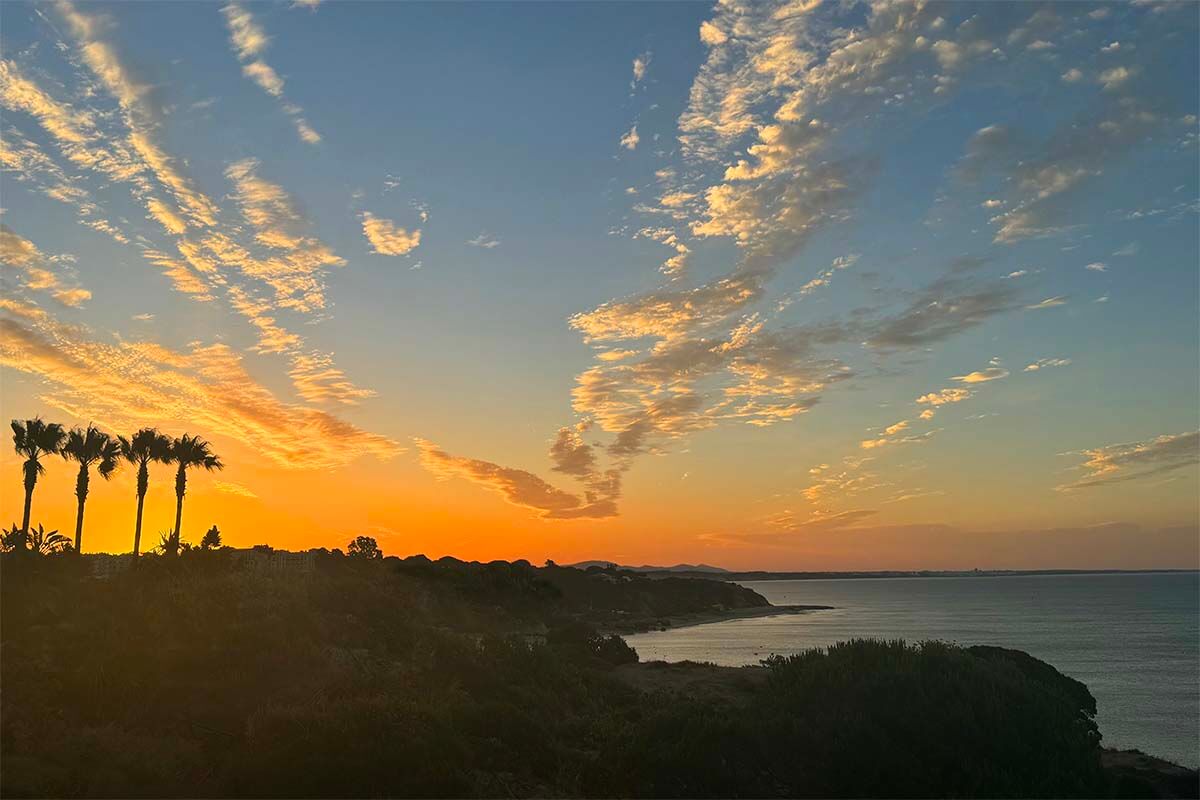
Summer in the Algarve at a Glance
| Best for | Beach vacations, families, swimming, water sports, scenic road trips, and evenings outdoors. |
| Biggest advantages | Sunny, reliable weather, long daylight hours, lively atmosphere, warm days, and lots of activities. |
| Biggest drawbacks | Peak-season crowds, higher accommodation prices, busy roads, and hot inland temperatures. |
| Average daytime temperatures | June: 25-28°C (77-82°F) July: 28-31°C (82-88°F) August: 29-32°C (84-90°F) Early September: 27-30°C (81-86°F) |
| Ocean temperature | June: 19-20°C (66-68°F) July: 20-22°C (68-72°F) August – early September: 21-23°C (70-73°F) Warmest on the south coast; noticeably cooler on the west coast. |
| Crowds | Moderate in June, busy in July, busiest mid-July to mid-August, easing from late August. |
| Would we recommend it? | Yes, absolutely. Summer is one of the best times to visit the Algarve if you choose the right area and don’t mind sharing the most popular beaches with other visitors. For fewer crowds and slightly milder weather, June and early September offer all the advantages of the summer without the biggest drawbacks of the peak season. |
Algarve Weather in Summer
Summer in the Algarve is long, sunny, and very reliable. Rain is very rare, and you can expect blue skies on most days.
Average daytime temperatures in the Algarve are usually around 25-28°C (77-82°F) in June, 28-31°C (82-88°F) in July, 29-32°C (84-90°F) in August, and 27-30°C (81-86°F) in early September. Nights are generally pleasant too, with temperatures around 18-21°C (64-70°F).
That said, not all parts of the Algarve feel the same. Inland areas are usually much hotter than the coast, and there can also be surprisingly big temperature differences between the eastern, central, and western Algarve.
So the biggest weather-related decision you’ll have to make isn’t whether to visit the Algarve in summer, but where to stay. Choosing the right base can make a big difference to your trip – see below for more information about different parts of the region.
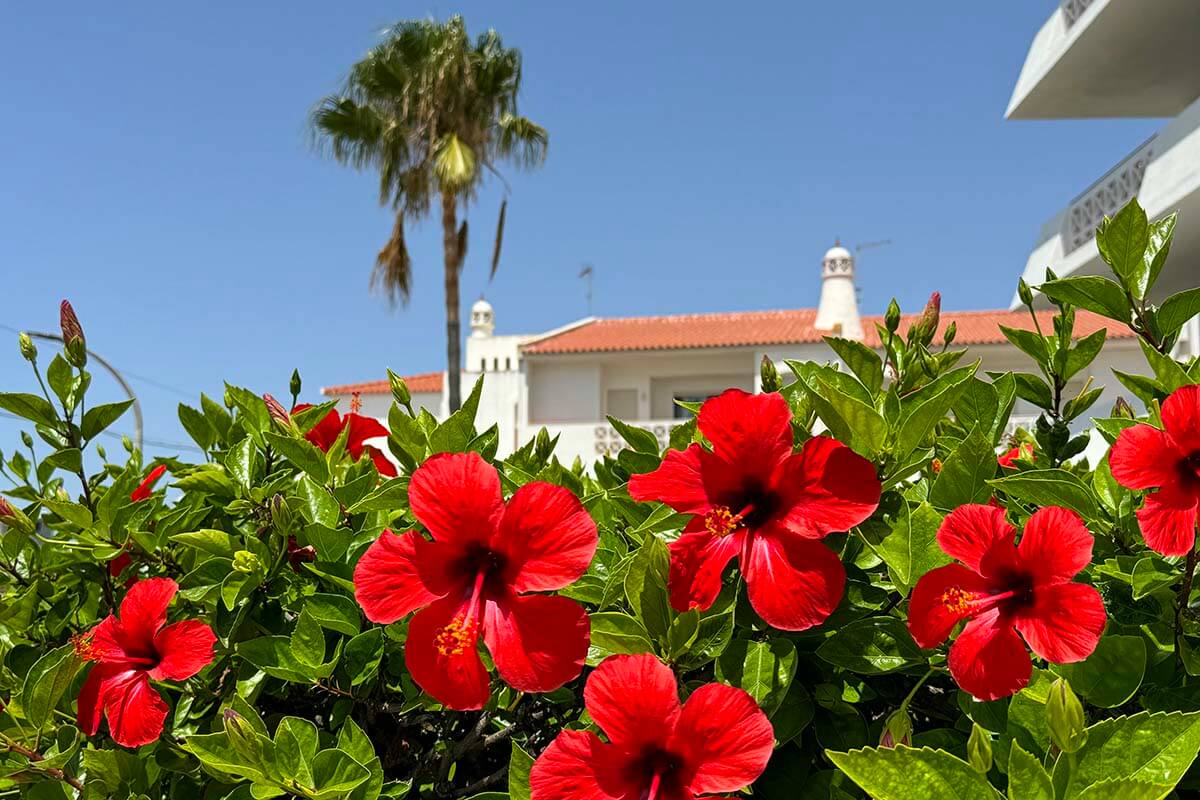
Hottest & Coolest Areas of the Algarve
One thing many first-time visitors don’t realize is that the Atlantic Ocean has a huge influence on the Algarve’s climate. It keeps much of the coastline noticeably cooler in summer and milder in winter. As a result, the Algarve coast often feels cooler than many people expect for southern Europe in the summer.
Coastal Algarve
The temperature isn’t the same all along the coast. Thanks to the Atlantic Ocean and the prevailing winds, there are surprisingly big differences between the western, central, and eastern Algarve.
The western Algarve, especially around Sagres and the Vicentine Coast, is the coolest part of the region. It’s often breezy, and daytime temperatures can be several degrees lower than elsewhere in the Algarve.
The central Algarve, including Albufeira, Vilamoura, and Lagos, offers what we think is the best balance: warm, sunny beach weather without the stronger winds of the west or the higher temperatures typical of the east. That said, even within this area, you’ll notice big differences. Lagos is often 2-3°C (4-5°F) cooler than Albufeira.
The eastern Algarve, around Tavira, Faro, and Monte Gordo, is generally the warmest part of the coast. There is often less wind here, so hot summer days can feel noticeably warmer than in the west.
To give you an idea, on a typical July afternoon, it might be around 31°C (88°F) in Faro, 28°C (82°F) in Albufeira, 26°C (79°F) in Lagos, and just 22°C (72°F) in Sagres. If you’re planning to watch the sunset at Cape St. Vincent in Sagres, you’ll usually need a sweater or a windbreaker, even in the warmest months.
READ ALSO:
Best Things to Do in Albufeira
Best Things to Do in Faro
Best Things to Do in Lagos
Best Things to Do in Sagres
Best Things to Do in Tavira
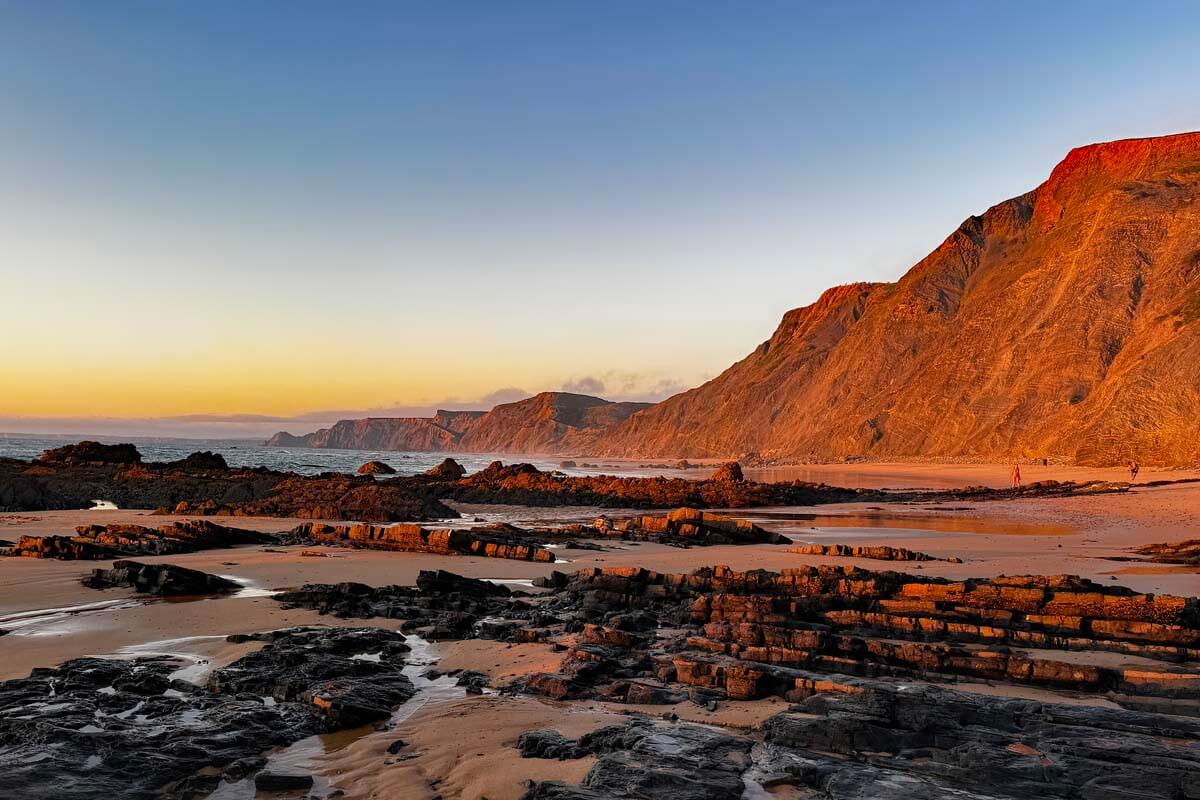
Inland Algarve
Once you leave the coast, temperatures rise quickly. Towns such as Silves, Monchique, Loulé, Alte, and the countryside are often much hotter than the beach resorts. On the hottest summer days, the difference can easily reach 5-10°C (9-18°F).
If you’re planning sightseeing inland, start early in the morning and leave the afternoons for the beach or the pool.
TIP: If you’re worried about the summer heat, we recommend staying somewhere along the central or western Algarve coast. We always stay on the coast in Albufeira, where it’s usually not too hot and not too windy – perfect for a summer beach holiday.
READ ALSO: Where to Stay in Algarve: Best Areas & Hotels
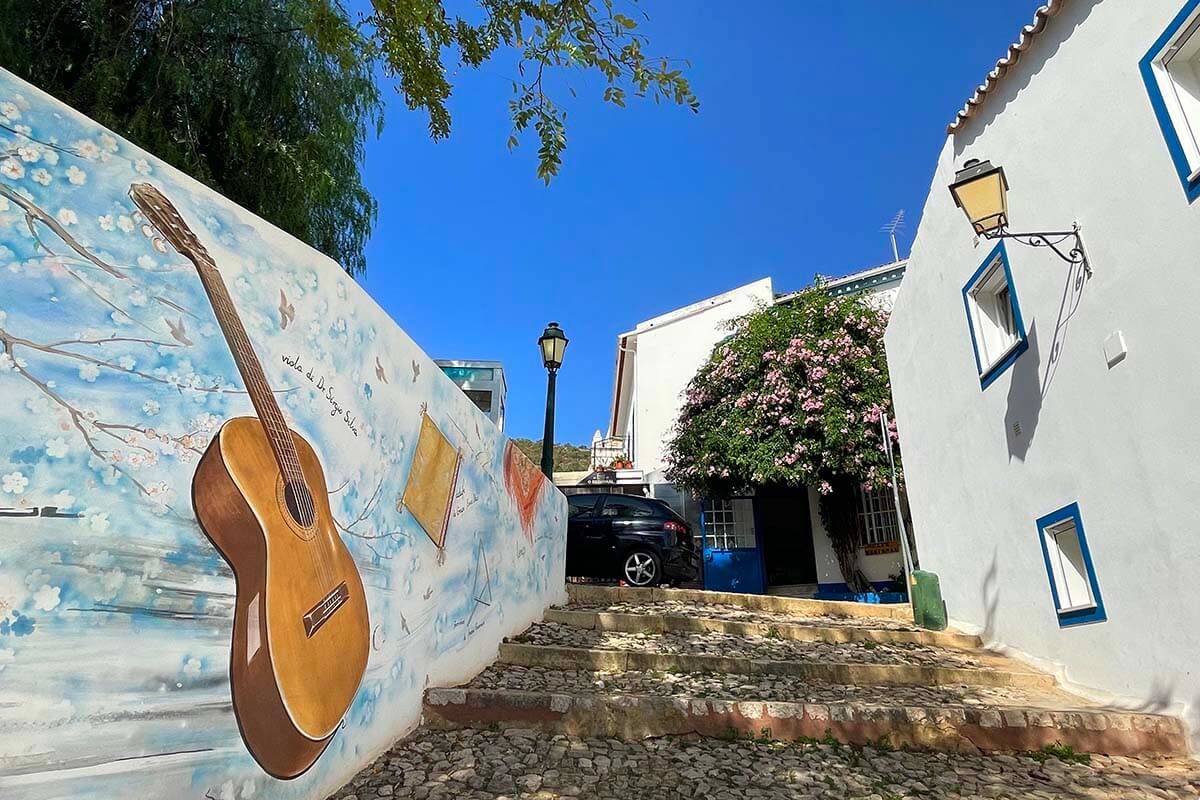
Heatwaves & Wildfires
Like much of southern Europe, the Algarve occasionally experiences summer heatwaves. During these periods, temperatures can rise well above the seasonal average, especially inland where they can exceed 40°C (104°F). Along the coast, the Atlantic breeze usually keeps conditions more comfortable, although it can still get very hot.
Prolonged hot, dry weather also increases the risk of wildfires, particularly in inland areas. If you’re planning to hike or explore away from the coast, it’s always a good idea to check local conditions during your trip.
Our experience: We’ve spent many summers in the Algarve and have only heard of one major wildfire a few years back. It affected a windy inland area in the western Algarve, and we wouldn’t have even known about it if we hadn’t seen it on social media.
Heatwaves are more common and usually occur a few times each summer. However, since we always stay on the coast, they rarely have much impact on our vacation. Most summer days are simply warm, sunny, and ideal for enjoying the beach, sightseeing, or outdoor dining. On the warmest days, we just stay close to the water and plan outdoor activities for the cooler mornings and evenings.
Can You Swim in the Algarve in Summer?
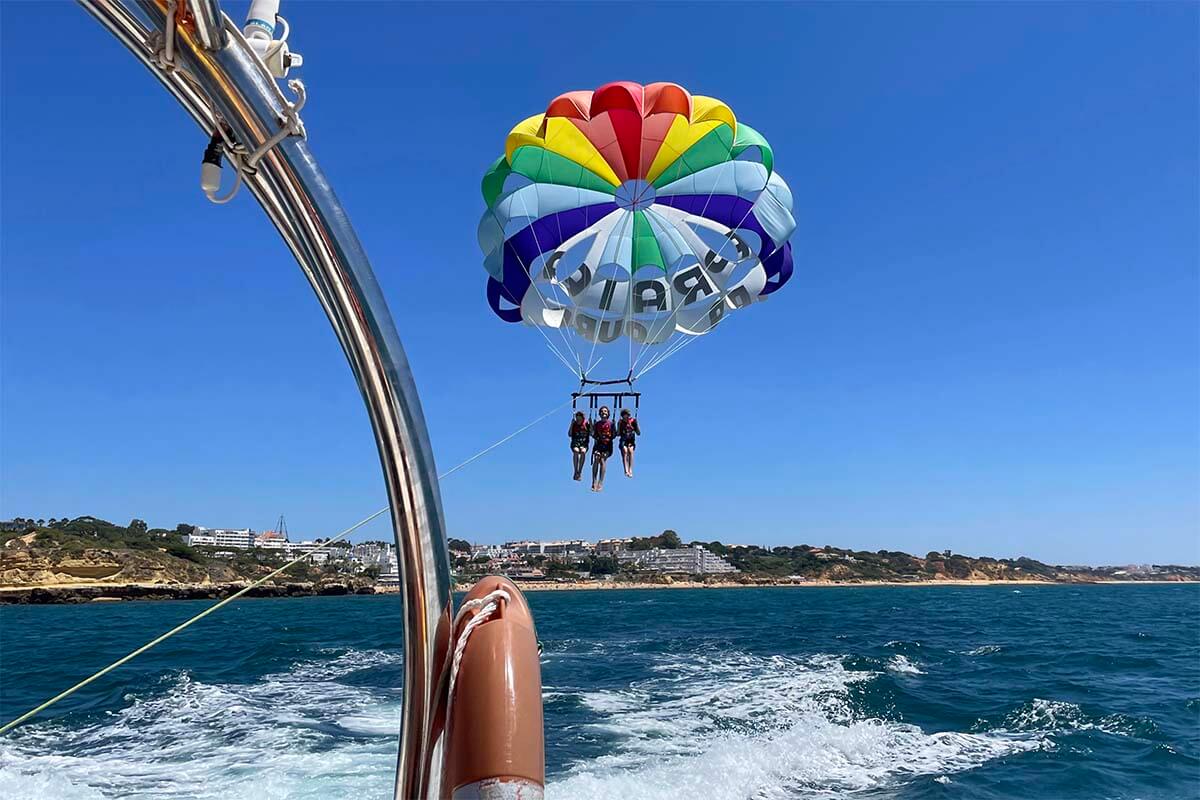
Yes, you can definitely swim in the Algarve in the summer. That said, don’t expect bathwater temperatures like in many Mediterranean destinations. Even in the middle of summer, the Atlantic Ocean feels refreshing rather than warm. That’s actually one of the reasons many people love visiting the Algarve in summer – cooling off in the sea feels wonderful after spending time in the sun.
Along the south coast, where most of the Algarve’s popular beach resorts are located, summer sea temperatures typically range from 19-23°C (66-73°F). The water gradually warms throughout the season and is usually at its warmest in late August and September.
The west coast is influenced by colder Atlantic currents, so the water is often a few degrees cooler. Even in midsummer, sea temperatures typically range from 17-20°C (63-68°F). The waves are also generally bigger, making this coast especially popular with surfers. However, the best surfing conditions are usually in September-November, when the swells are bigger.
Good to know: Sea temperatures can vary quite a bit from one week to the next, especially on the west coast. This depends on the winds and ocean currents. So even if you find the water too cold one day, it may suddenly feel several degrees warmer just a few days later.
Our experience: When we go to the beach, we usually go for a walk rather than spend the whole day there. Still, we swim in the ocean in the Algarve every summer. After a long walk in the sun, the cool Atlantic water feels incredibly refreshing. We’ve also swum in the ocean here as early as April and as late as November. Even in the middle of winter, you’ll usually spot a few hardy swimmers enjoying the sea.
READ ALSO:
Algarve in April
Algarve in November
Algarve in December
Is It Crowded?
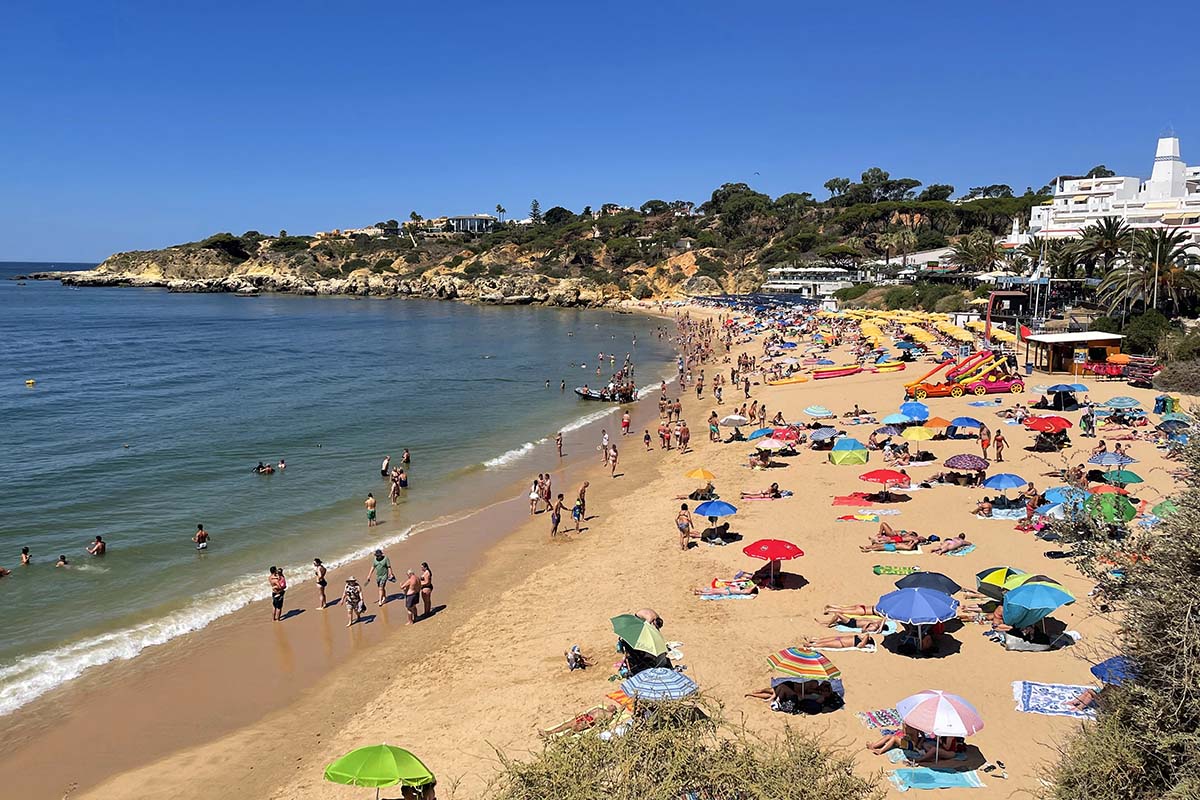
Summer is the busiest time of the year in the Algarve, especially in July to mid-August. That said, this is exactly when we usually come here, and we never felt that the crowds ruined our vacation.
The Algarve has a long coastline with dozens of charming towns and hundreds of beautiful beaches, so it’s usually easy to find a quieter spot if you’re willing to walk a bit farther or venture beyond the most popular places.
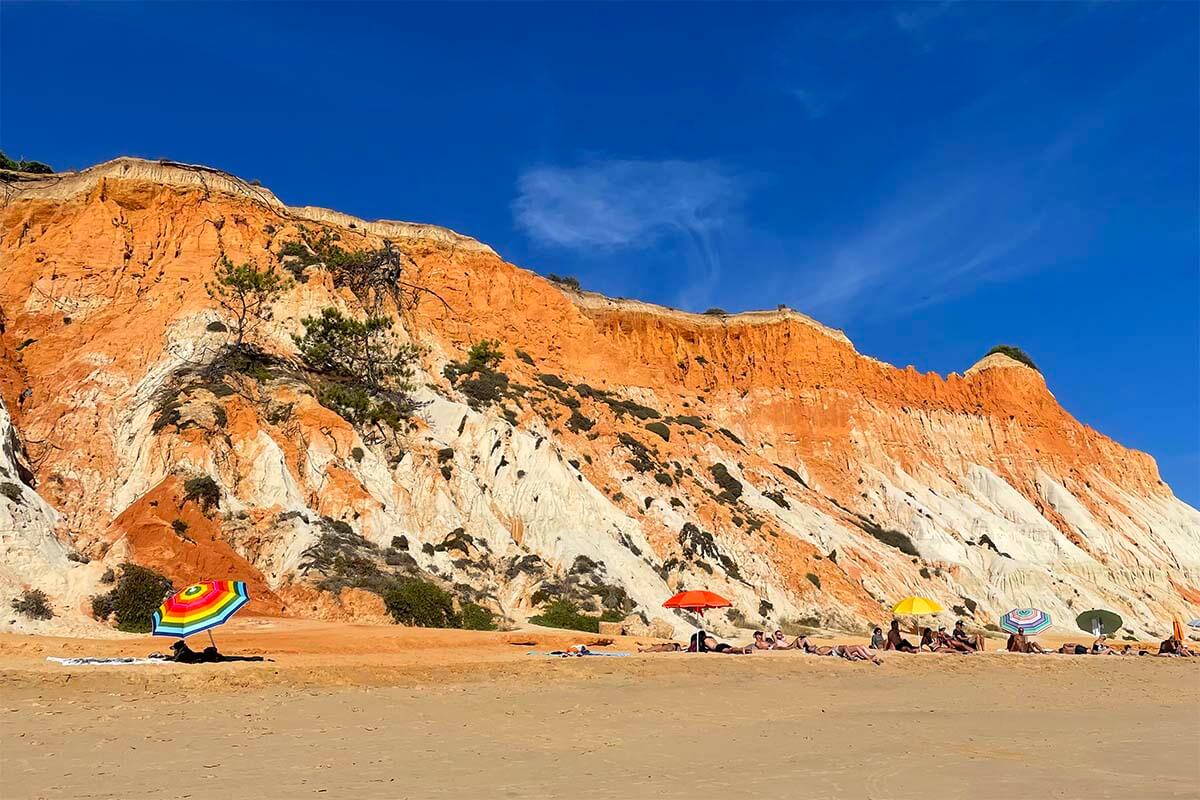
While many smaller beaches can get very busy, there are also plenty of long sandy beaches where the crowds are mostly concentrated near the main access points. Even one of the Algarve’s most famous beaches, Praia da Falésia, has long stretches that remain relatively quiet, even in summer. Other great options include Meia Praia in Lagos, Praia da Galé and Praia dos Salgados west of Albufeira, the beaches between Faro and Quarteira, and many beaches in the eastern and western Algarve.
Good to know: Parking near most beaches fills up quickly, so if you’re driving, it’s best to arrive early in the morning or later in the afternoon. Alternatively, take a taxi or Uber – it’s affordable and very convenient.
READ ALSO: Most Beautiful Beaches in Algarve
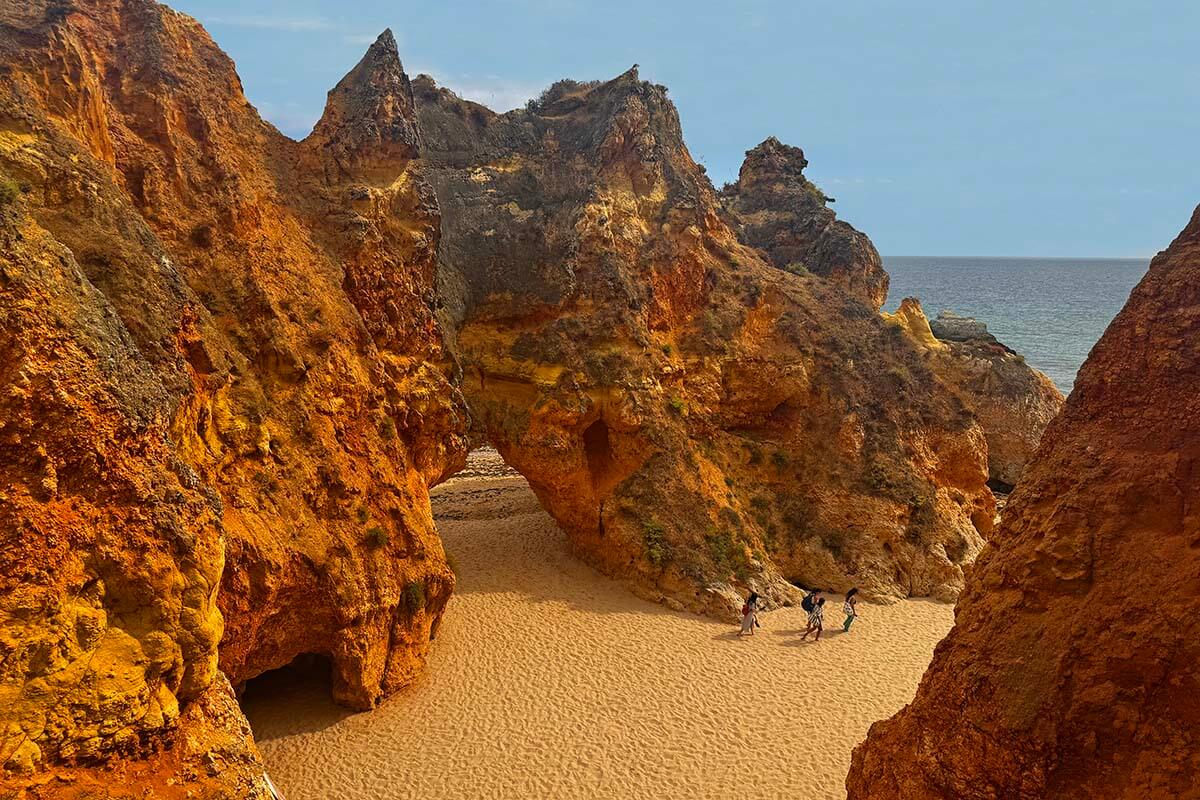
Our experience: We’ve spent many summer vacations in the Algarve and have never felt that the crowds spoiled our trip. While the most popular beaches and attractions can get very busy, it’s easy to escape the crowds if you’re willing to explore a bit.
The exact timing of your vacation also makes a big difference. June and the first week of July are much quieter than late July to mid-August, which is the absolute peak of the summer season. After the weekend around August 15, visitor numbers start to drop again.
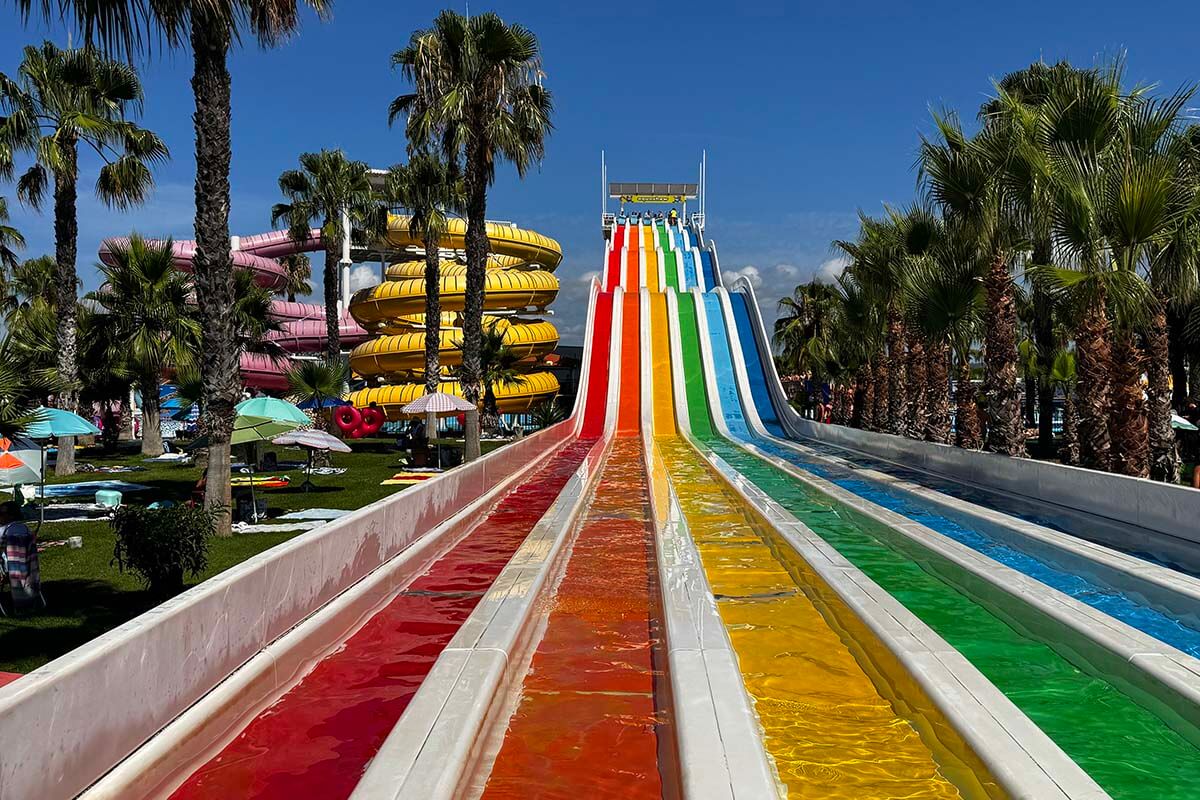
PRO TIP: If you’re planning to visit a water park or join a popular tour, such as kayaking or a boat trip to Benagil Cave or Ponta da Piedade, weekends are often quieter than weekdays. Many tourists arrive or leave on Saturdays and Sundays, while locals are more likely to spend the weekend at the beach.
READ ALSO: Best Water Parks in Algarve
Can You Go Hiking in the Algarve in Summer?
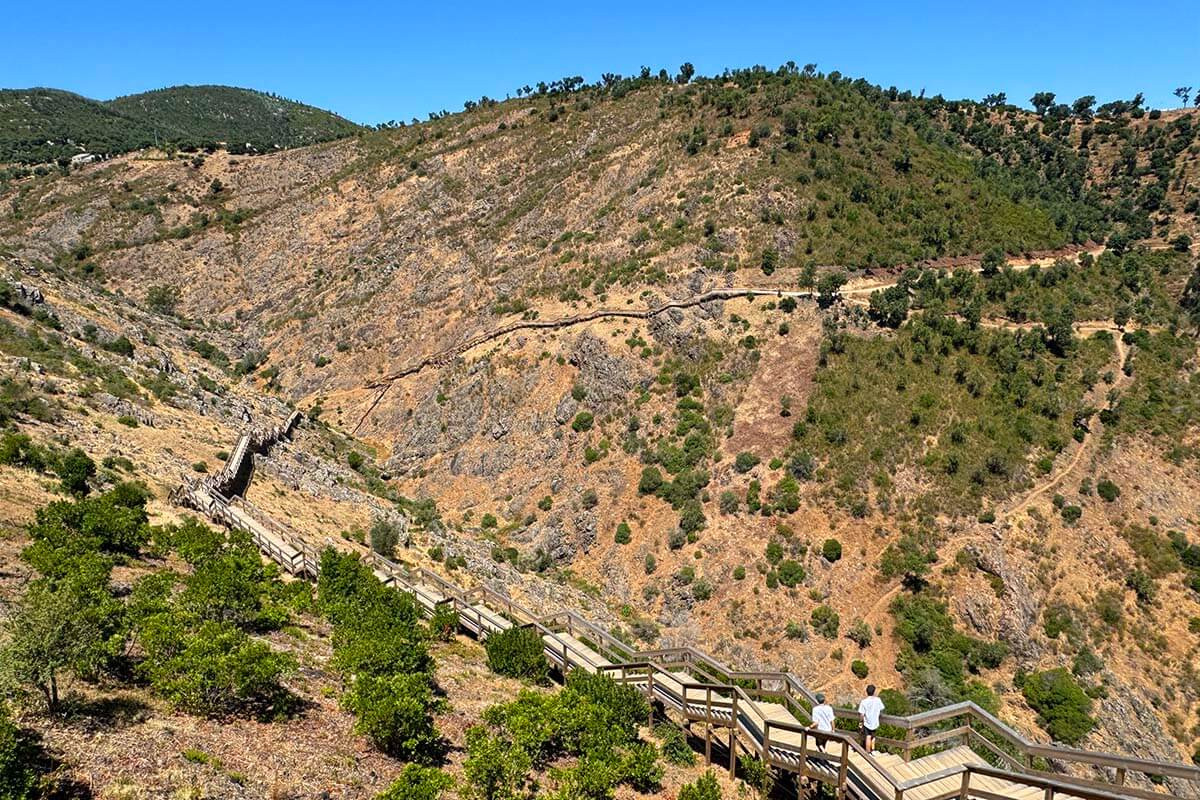
Yes, you can go hiking in the Algarve in summer, but choose your trails and timing carefully. Coastal walks are usually much more comfortable than inland hikes thanks to the Atlantic breeze, but even at the coast, it can become very hot in the middle of the day.
If you’re planning to hike, choose a cooler day/area and start early in the morning or go in the evening. Also, bring plenty of water, wear a hat and sunscreen, and plan a few swimming breaks if possible.
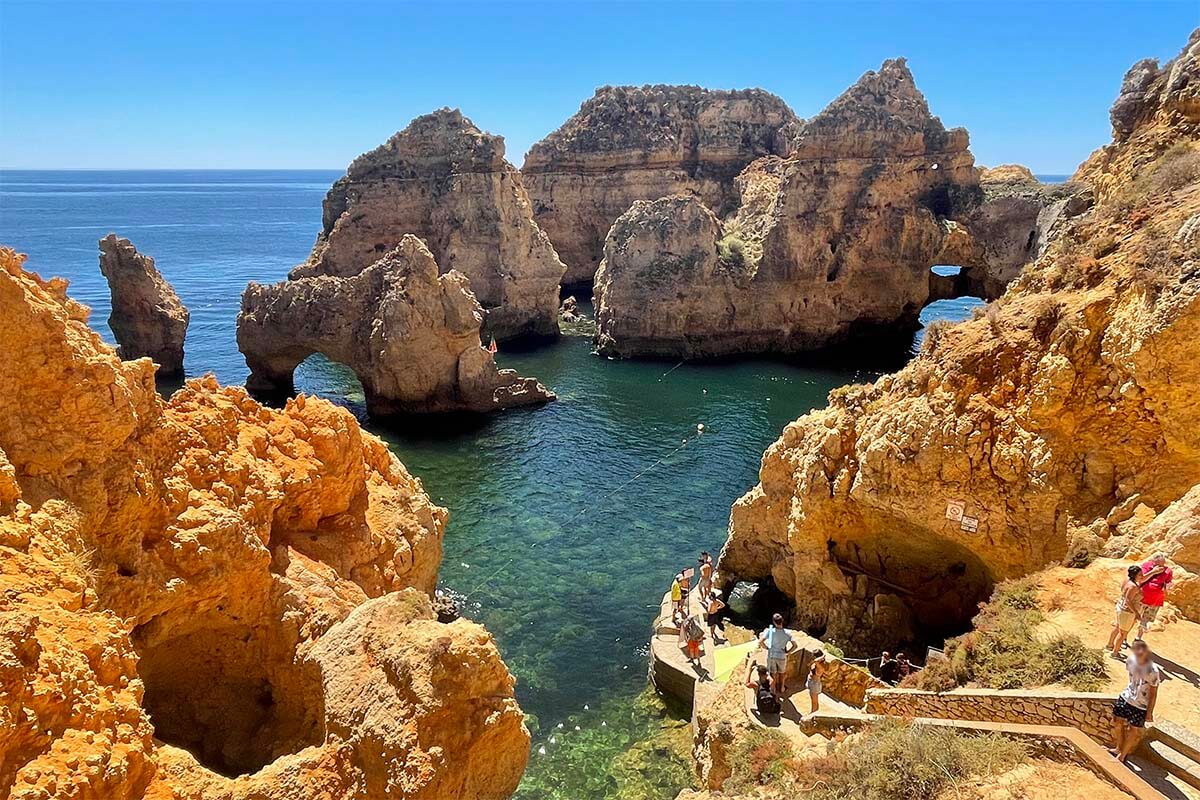
Our experience: We enjoy hiking, but we don’t often go on long inland hikes in the Algarve during the summer months. In all honesty, I even find the popular Seven Hanging Valleys Trail too hot in July or August unless you start very early and take plenty of swimming breaks along the way. Instead, we usually opt for long beach walks at places like Praia da Falésia or Praia dos Salgados, stroll along the boardwalk at Ponta da Piedade, or take shorter coastal walks around Sagres and the beaches of the western Algarve.
That said, a lot really depends on the weather during your visit. In some summers, we have explored and hiked inland in July – August as well.
Best Things to Do
Summer is the perfect time to enjoy everything the Algarve is known for. Long sunny days, warm evenings, and calm seas make it easy to spend time outdoors from early morning until late at night.
Some of the best things to do in the Algarve in summer include:
- Relax at one of the Algarve’s beautiful beaches or take a refreshing swim in the Atlantic Ocean.
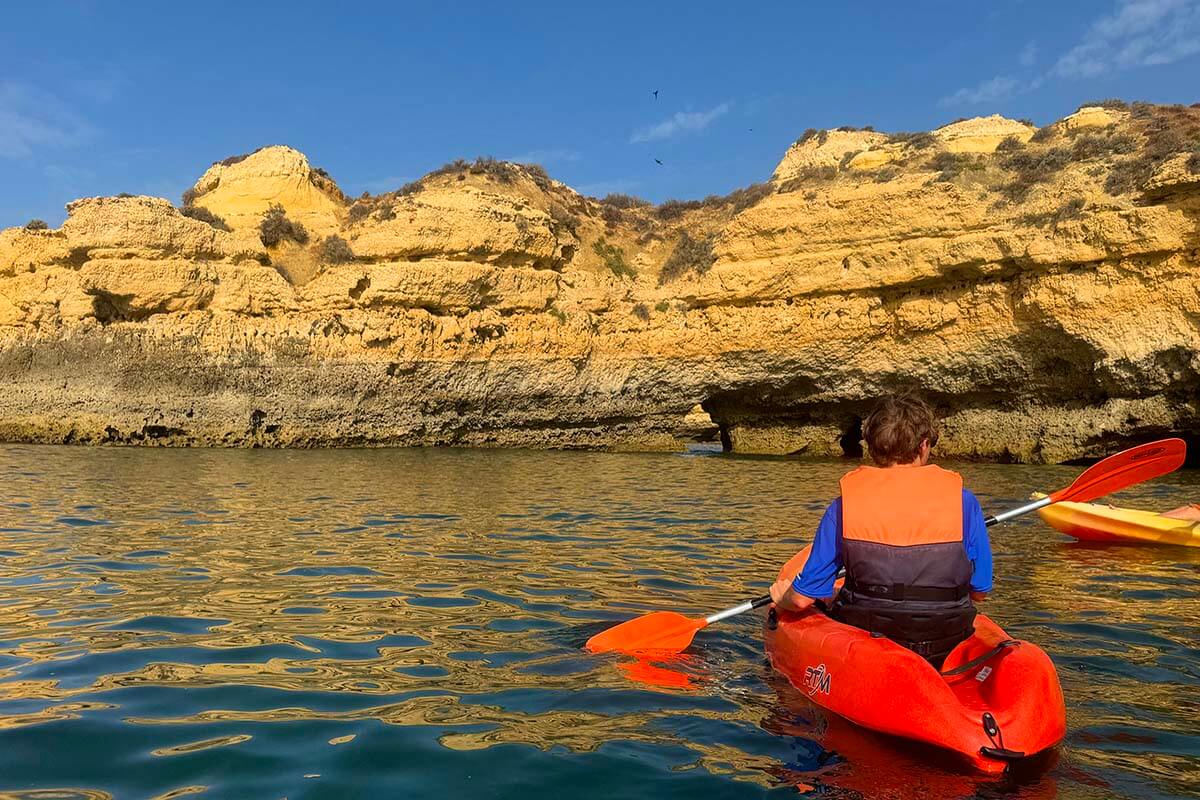
- Explore the spectacular coastline on a Benagil Cave boat tour, dolphin-watching cruise, or kayaking or stand-up paddleboarding tour.
- Visit scenic coastal towns and villages such as Lagos, Tavira, or Carvoeiro. See our guide to the best towns in Algarve for more inspiration.
- Enjoy a long walk at Falésia Beach or Ponta da Piedade in the late afternoon or around sunset.
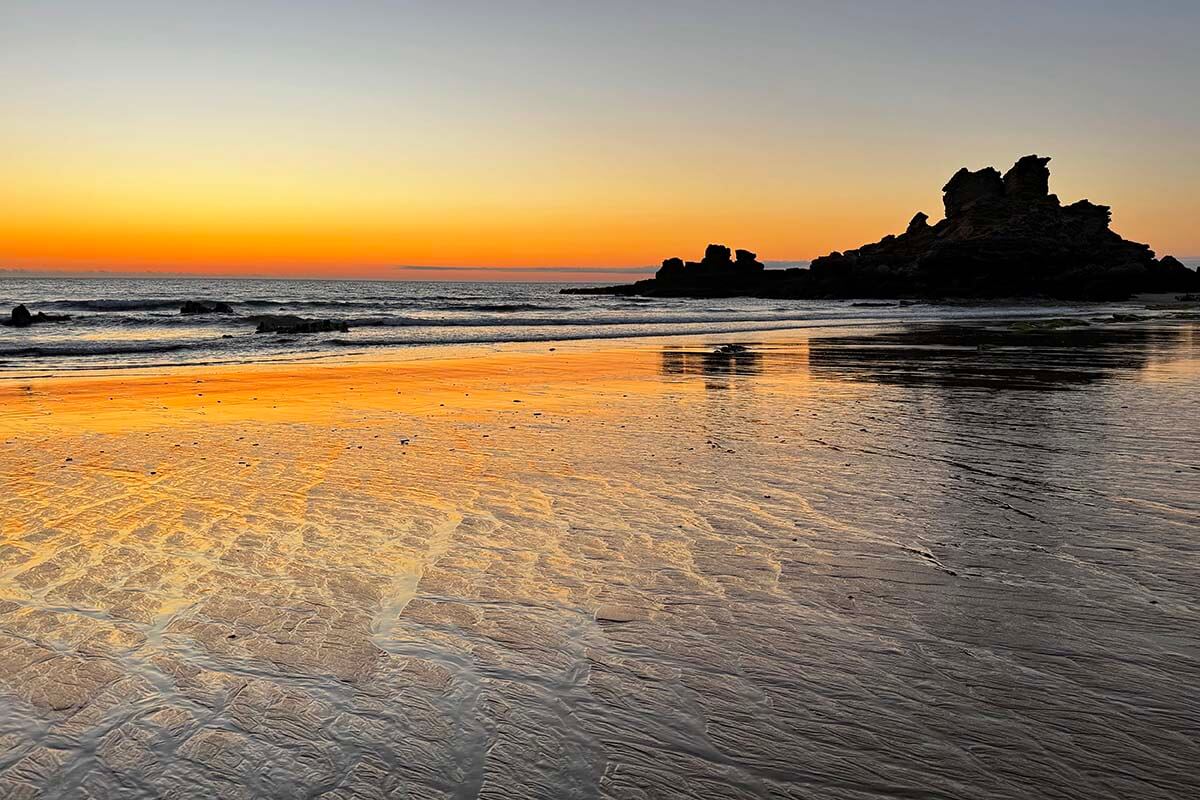
- Take a sunset cruise or watch the sunset from one of the Algarve’s spectacular viewpoints.
- Spend a day at one of the region’s excellent water parks.
- Visit local markets, explore historic towns such as Loulé, or go wine tasting at one of the Algarve’s wineries.
- Escape the midday heat by visiting attractions such as the Loulé Rock Salt Mine, museums, or enjoying a long lunch on a shaded terrace.
- During the summer, many Algarve towns also host open-air concerts, food festivals, and traditional celebrations, so check the local events calendar of the town you’re staying at before your trip.
If you’re looking for more ideas, check out our detailed guides below, featuring all the top sights, hidden gems, day trips, and practical tips for your visit.
Our experience: We never spend the entire day at the beach. Instead, we usually start with a morning swim, explore a town or take a boat or kayak tour, relax by the pool during the hottest part of the day, enjoy a long walk on the beach in the evening, and finish with dinner at sunset. We find this the perfect way to make the most of the long summer days.
READ ALSO:
Best Things to Do in Algarve
Best Things to Do in Algarve with Kids
What to Pack
Packing for the Algarve in summer is very straightforward. Lightweight summer clothing is all you’ll need most of the time, but there are a few items that many first-time visitors don’t think about.
Here’s what we recommend packing:
- Lightweight clothing. T-shirts, shorts, sundresses, swimsuits, and breathable fabrics are ideal for the hot summer weather. My husband and teens wear quick-dry T-shirts like this on most days because they’re comfortable, dry quickly, and provide extra sun protection.
- A light sweater or windbreaker. Even in July and August, evenings can feel a bit cool, especially if you’re staying in western Algarve.
- Comfortable walking shoes. Essential if you plan to explore coastal towns, visit viewpoints, or go hiking. Sandals are also ok for most activities and sightseeing, except hiking.
- Sandals or flip-flops. Perfect for the beach and hotel pool.
- Water shoes. You won’t need them at most Algarve beaches since the majority have soft sand. However, they are really handy for water parks, kayaking tours, or rocky beaches.
- A hat, sunglasses, and sunscreen. The Algarve sun is strong, so sun protection is a must. You can find good sunscreen in local supermarkets and pharmacies.
- UV shirts. Lightweight UV shirts are useful for both adults and kids. They provide excellent sun protection for long days at the beach, by the pool, or on the water, and are much more comfortable than constantly reapplying sunscreen. We always pack a few for kayaking, paddleboarding, and water parks.
- A reusable water bottle. Especially useful if you’re sightseeing or hiking. Tap water is safe to drink throughout the Algarve, so you can easily refill your bottle and avoid buying single-use plastic bottles.
- A beach bag and quick-drying towel. We love these BAGAIL travel towels with a convenient zip pocket and pack them on most trips.
- A waterproof phone pouch. We have a few universal phone pouches like this. They’re very useful for water parks, boat trips, kayaking, or spending the day at the beach.
Our experience: We spend most of our days in swimsuits, light summer clothes, and flip-flops. We always pack a few nicer (still casual) outfits for dinner. I usually wear a dress or a skirt, while my husband and our teenagers simply wear shorts. Long pants and long-sleeved shirts are rarely necessary unless you’re dining at a more upscale restaurant. We always pack a light sweater too. We don’t use it often, but it’s nice to have for sunset (boat) trips or a breezy walk back after dinner.
What you don’t need: Don’t waste valuable suitcase space on bulky sweaters, jackets, or lots of dressy clothes. Lightweight summer clothing is all you’ll need for most of your vacation. You can also leave your high heels at home. Most towns in the Algarve have traditional Portuguese cobblestone streets, which aren’t exactly made for walking in heels.
Good to know: There’s no need to pack bulky beach gear either. If you need a beach umbrella, floaties, inflatable toys, or other beach essentials, you can easily buy them at local supermarkets after you arrive.
Is Summer the Best Time to Visit the Algarve?
If you love long sunny days, warm weather, beach time, and swimming, then yes, summer is one of the best times to visit the Algarve.
While it’s the busiest and warmest season of the year, neither the heat nor the crowds have to define your vacation. The Algarve is a surprisingly diverse region, with hundreds of beaches, charming towns, cooler stretches of coastline, and plenty of places where you can escape the busiest tourist areas. There’s truly something for everyone.
That said, if you prefer cooler temperatures, lower prices, and fewer tourists, late spring (May-early June) or early fall (September-early October) can be even better. We visit the Algarve throughout the year and genuinely enjoy every season, but for a classic beach vacation, summer is hard to beat.
Algarve Summer FAQs
Yes. Most hotels, resorts, and newer apartments in the Algarve have air conditioning. If you’re booking a private holiday rental or an older property, it’s worth checking before you book, especially for a summer trip.
Usually not. Most outdoor hotel pools in the Algarve are not heated because the summer weather is warm enough. The water can feel a bit cool in the morning, but it usually warms up during the day.
Generally, no. Supermarkets and larger shops stay open throughout the day, while some smaller local businesses may close for a few hours in the afternoon. During summer, many shops also have extended opening hours thanks to the busy tourist season.
Absolutely. Summer is the most popular season for family vacations thanks to the warm weather, calm seas, water parks, and a wide choice of family-friendly hotels, restaurants, and activities.
Usually not. You may encounter a few mosquitoes in the evenings, especially near lagoons, rivers, or gardens, but they’re generally much less of an issue than in many other Mediterranean destinations. A small bottle of insect repellent is usually enough. Many locals swear by Avon Skin So Soft Oil Spray, and we always pack it too. We mostly use it as a moisturizer, but many people believe it also helps keep mosquitoes away.
It depends on where you want to eat. Most restaurants can accommodate walk-in guests, but the most popular places and upscale restaurants can book up well in advance during the peak summer season. We usually eat a bit earlier (before 7:30-8 pm) and rarely have trouble finding a table without a reservation.
READ ALSO: Best Restaurants in Albufeira
I hope this guide gives you a good idea of what you can expect in the Algarve in summer. For more ideas and practical tips, be sure to check our Algarve travel page, where you’ll find detailed guides to the best places to visit, beaches, scenic walks, day trips, and much more.
TIP: Save this guide for later, share it with your friends, or pin it to Pinterest so you can easily come back to it when planning your trip.