15 Common Travel Scams in Europe (+ My Tips for Avoiding Them)
This site contains affiliate links, which means that we may earn a small commission, at no cost to you, for qualifying purchases. It supports the work that goes into keeping this content free. Thanks for reading! More info: Privacy Policy.
We’d just stepped out of a restaurant in London with our teenagers when we heard a loud shriek. We turned and saw someone speeding away on a small motorbike. The rider lost control for a moment and dropped a phone. The person who’d shouted ran straight into the street to pick it up. You could see the relief on their face, but they’d run into the road without even looking. It could easily have ended worse.
I live in Belgium and have traveled all over Europe with my family. Lately, I keep hearing about more and more thefts and creative scams when traveling here. I used to associate these stories with busy tourist spots in a few big cities, and none of these scams are new, but so many people still fall for them… Plus, now I see them all over Europe, including countries where I’ve always felt very safe, like Switzerland or Iceland.
So in this guide, I share some of the most common travel scams and thefts to watch out for in Europe, along with my personal tips for avoiding them.
I also include quite a few real stories. Once I started writing, more and more stories kept coming back to me. I hadn’t realized just how many incidents I’d witnessed or heard about from friends and family over the years. I’ve also included a few useful tricks and “gadgets” we personally use to keep our belongings safer.
Europe is a wonderful place to travel, and overall, it’s very safe. But it’s easy to get distracted when you’re checking directions, trying to get everyone on the right train, or just enjoying wonderful scenery or a local meal… So I hope that these tips will help you enjoy your trip safely and not fall for some of the most common scams in Europe.
1. Phone Snatching on the Street
I first heard about this kind of theft when we visited London with our teenagers a few years ago. On our first evening, we met up with friends who live in London. One of the first things they warned us about was phone snatching. They called it a “new epidemic.” The very next day, we saw it happen…
Nowadays, it’s far from new, and it happens in more places, not just London.
It’s easy to see how it happens too. You take out your phone to check directions, snap a picture, or answer a quick message. As we saw in London, a rider can grab your phone and be halfway down the street before you’ve even registered what happened.
I could give you lots of tips, like checking your route before you leave the station, holding your phone with both hands when taking photos, or standing against a wall while you type a message… But let’s face it, when you’re exploring a new city, you’ll probably take your phone out several times an hour. And it only takes a second to get distracted.
MY BEST TIP: Attach your phone to a crossbody strap. In the past, I used a phone leash like this, but I’ve recently switched to this adjustable TORRAS crossbody strap, and I now pack it on every city trip. This universal strap is designed to fit most phones, and it fits mine a lot better than the phone leash. I find it super handy when I’m taking photos or checking directions throughout the day. I also feel more comfortable taking photos from a boat, a bridge, or a viewing platform, knowing that my phone is attached to me if it slips out of my hands.
And if someone drives away with your phone, don’t fight or chase after them. In London, we saw the owner run straight into the street to pick up the phone without even looking for traffic. He got it back, but it could have ended so differently. No phone is worth risking your life.

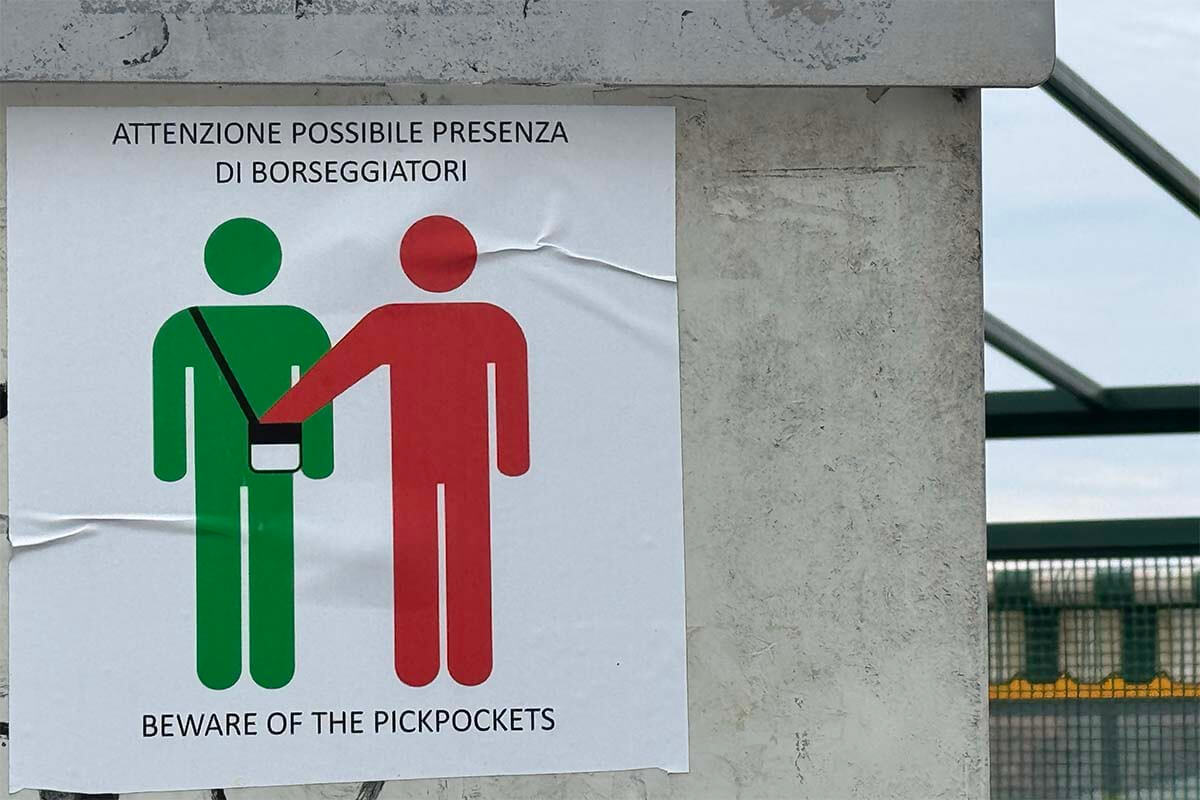
2. Pickpockets on Crowded Public Transport
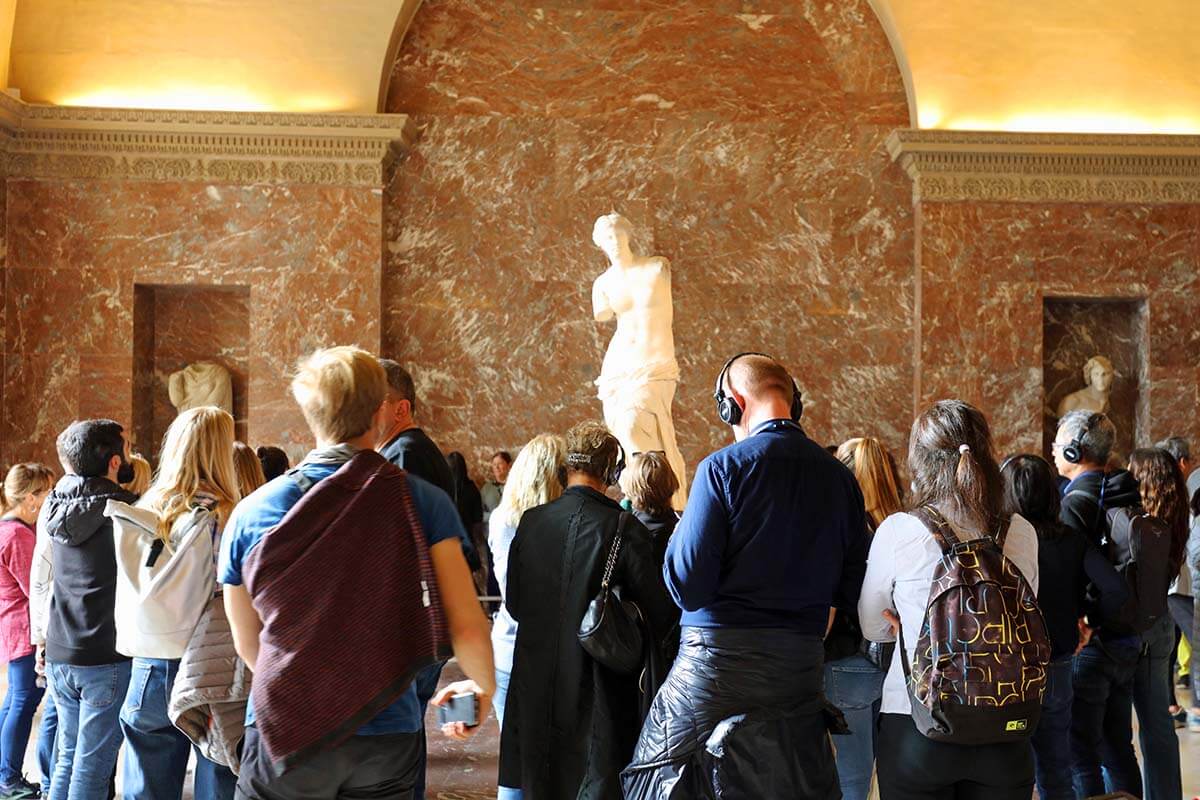
My uncle once caught someone stealing his wallet on a bus in Naples. He fought the thief and got his wallet back. Other people we know had their travel documents stolen on the metro in Madrid. The whole family’s IDs, credit cards, cash… everything.
More recently, I read about a woman who had her wallet stolen on a crowded gondola in Switzerland’s Jungfrau region. A mountain gondola, of all places! The pickpocket took her wallet out of her backpack, removed the cash and one credit card, then slipped the wallet back inside. She never felt a thing, and it took her a few days before she realized her card was missing.
I’m sure you’ve heard plenty of stories like these and thought it wouldn’t happen to you. But it happens every day, even in the safest of destinations.
MY BEST TIP: Take only what you need for the day and carry your bag in front of you in busy places. Also, keep your phone and wallet out of your back pockets and the easy-to-reach outer pockets of your backpack.
I always pack a crossbody bag. I have quite a few, and the size and model I take depend a bit on the trip. This model is very similar to one of my favorites, which I usually pack for city trips when I need more space. This smaller anti-theft crossbody bag is usually more than spacious enough for the basics.
When I travel alone, I always leave some cash and at least one credit card in the hotel safe. I also keep copies of all travel documents in the cloud and leave the originals in the safe whenever I can. If you’re traveling as a couple or family, split your cards and cash between two adults. That way, if one wallet goes missing, you still have a way to pay for the rest of your trip.
SMALL GADGET TIP: If you don’t feel like buying a new anti-theft bag or backpack for your trip, consider getting a few anti-theft zipper clips like these. They are cheap, fit most zippers, and can be very effective against pickpockets.
3. Suitcase Theft on Trains
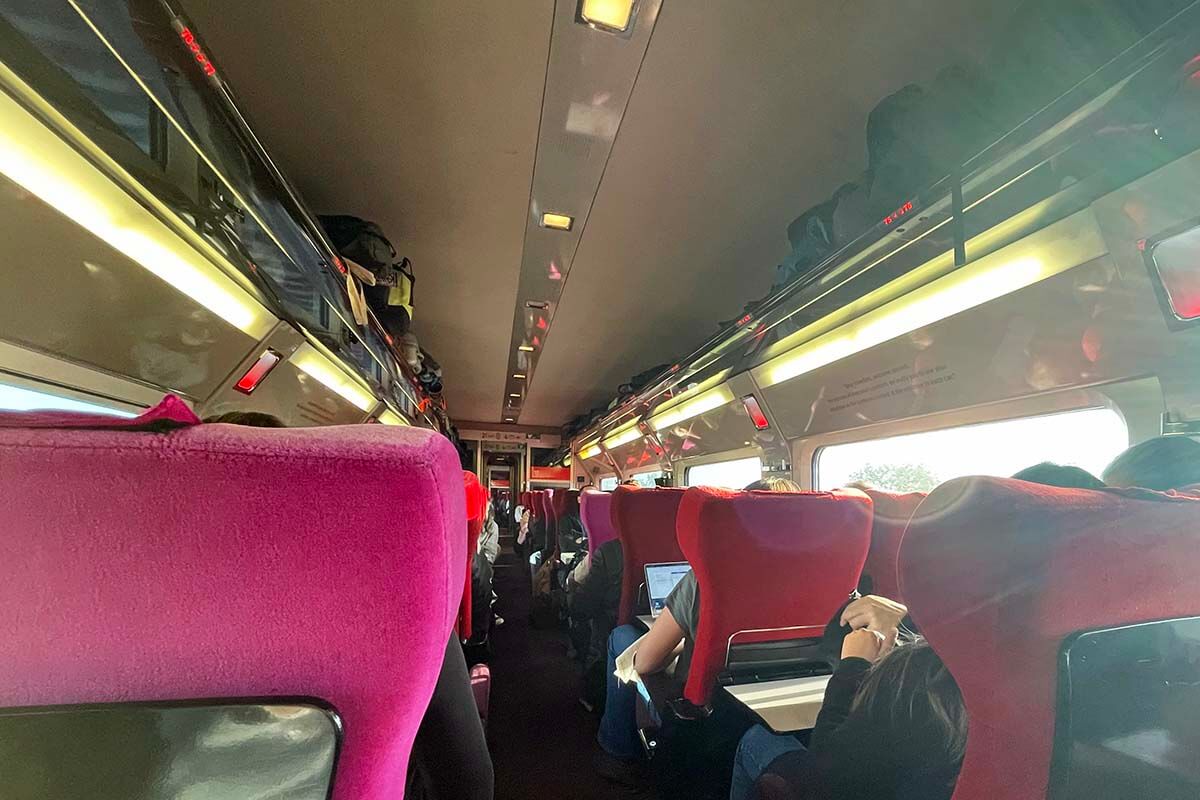
I first became aware of this a few years ago while taking a train from Amsterdam. There were constant announcements in several languages reminding passengers to watch their bags, especially when the doors opened at stations. If you’ve ever left your suitcase in a luggage rack near the exit and then walked halfway down the carriage to your seat, you can probably see why.
Recently, I heard about an American family who watched someone take their suitcase and jump off the train just as the doors were about to close. They literally saw it happen, but they were sitting too far away to do anything. Imagine watching your suitcase disappear while your train continues to the next station…
Whenever I travel on European trains with a small carry-on, I always put it in the luggage rack above my seat. With bigger bags, I also try to keep them close to me if the train is quieter and there’s a suitable storage space nearby. It’s much easier to relax when you can see your luggage.
But if you’re traveling with several suitcases or taking a longer train journey, keeping everything within reach isn’t always feasible.
MY BEST TIP: Pack a small cable lock so you can secure your suitcase to the luggage rack (or attach a few suitcases to each other). A lock like this and a few extra cable loops take up hardly any space and are super handy. You can use them not just on the trains, but also on road trips where you can’t avoid leaving luggage in the car. The idea is to make it harder for someone to grab your suitcase and walk away. That said, always keep your passport, wallet, medication, and other essentials in a smaller bag with you.
4. Phone Theft at Café Tables
This trick has been around for years if not decades, and it’s so easy to fall for. You sit down for a coffee, check a few messages, and put your phone on the table. It’s right next to you, so it feels safe enough. But then you turn to talk to someone or look at the menu, and a passerby grabs it.
Sometimes, thieves are so brazen that they come right up to your table and talk to you. I saw this with my own eyes in London too. A few teenagers, seemingly pretending to have intellectual disabilities, approached a nearby table. They showed drawings they said they had made and asked whether anyone wanted to buy them. They placed the drawings on the table, covering the phones lying there. They made so much fuss and commotion that nobody noticed what was happening. Once they were gone, the people at the table realized their phones were missing.
Even a Belgian minister once had her phone stolen while filming a TV program in Brussels. She had briefly left the table when someone approached selling newspapers. He placed a newspaper over her phone, then picked up both and walked away. The cameras captured the theft, but nobody noticed it at the time.
These stories are from years ago, but I hear about similar thefts often nowadays, too. So keep a close eye on your phone and other belongings, especially if anyone approaches your table. It’s an easy trick to fall for, and it can happen inside restaurants as well as at sidewalk cafés.
MY BEST TIP: Put your phone away or keep it attached to you with the earlier-mentioned crossbody strap. In my experience, it’s the best way to keep your phone at hand without having to constantly worry about it being stolen.

5. Bags Stolen From Restaurants
My Italian friend had her purse stolen from the back of her restaurant chair in Rome. She’s a travel writer who has been all over the world and is very aware of these kinds of tricks. She never thought it would happen to her in her own country… But she hung her bag there just for a minute while checking the menu, and it was gone in no time. Luckily, she had her ID on her, but blocking and replacing her bank cards was a whole lot of trouble.
Another friend had his backpack stolen while having breakfast in his hotel restaurant. You know how it goes at a breakfast buffet. You get up for coffee, then go back for something to eat, leaving your phone, jacket, or bag at the table. It feels safe inside your own hotel, and you’re only stepping away for a minute…
My husband witnessed an even stranger incident during a business dinner with a large group at a high-end restaurant. One of his colleagues realized her purse had disappeared from under her chair. Everyone around them seemed to be dining there, so nobody immediately looked suspicious.
Then she noticed an older couple with a dog and remembered that the dog had been under their table earlier. She asked the restaurant staff to check, and sure enough, the couple had trained their dog to steal bags! The police arrested them, and she later learned that officers had found lots of stolen bags in the couple’s apartment. Apparently, they had been quite active, and she was the first victim to figure out what had happened. Imagine that…
MY BEST TIP: Keep your bag attached to you or directly in front of you while you eat. When we travel, I usually keep my crossbody bag on, with the bag resting on my lap. For fancier restaurants at home, I try to take just a small purse with the minimum I need and hang it from the table using a purse holder like this, close to me and within sight. And if I have a backpack, I loop one of the straps around my leg (and try to remember to unhook it before I get up!). 🙂
6. Luggage Theft at Check-In Counters and Ticket Machines
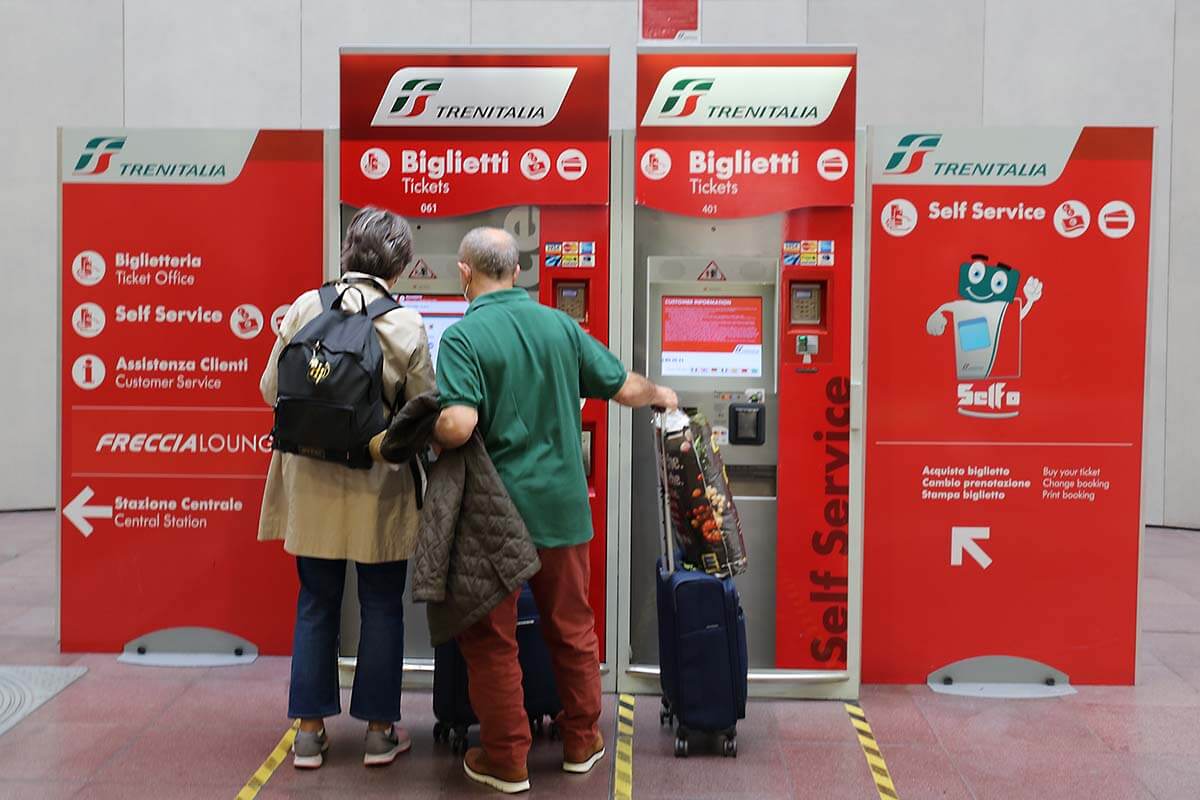
This one is very common and used to be a real problem in Brussels. My mom once had her carry-on snatched while she was buying metro tickets. But she always packs so much to bring home from Belgium (imagine a bag full of chocolates :)) that the thief clearly wasn’t expecting the weight of her bag. With help from other people, she managed to catch up with him, and he dropped the bag before running off.
Luckily, she got it back (and the kids were very impressed with their “super grandma”!). But it’s so easy to lose sight of your luggage for a moment! Especially when you’re figuring out an unfamiliar ticket machine, checking directions, or handing over your passport at a hotel reception desk. A bag sitting just behind you can disappear before you even turn around.
MY BEST TIP: Assign someone to watch the luggage while another person takes care of tickets, directions, or check-in. Make it clear who’s responsible, so everyone doesn’t assume someone else is keeping an eye on the bags.
If you’re traveling alone, keep your luggage in front of you and one hand on it whenever possible. If you have more than one bag, attaching them to each other with the cable lock mentioned earlier makes it harder for someone to grab one and walk away while you’re distracted.
7. Taxi Overcharging at Airports and Stations
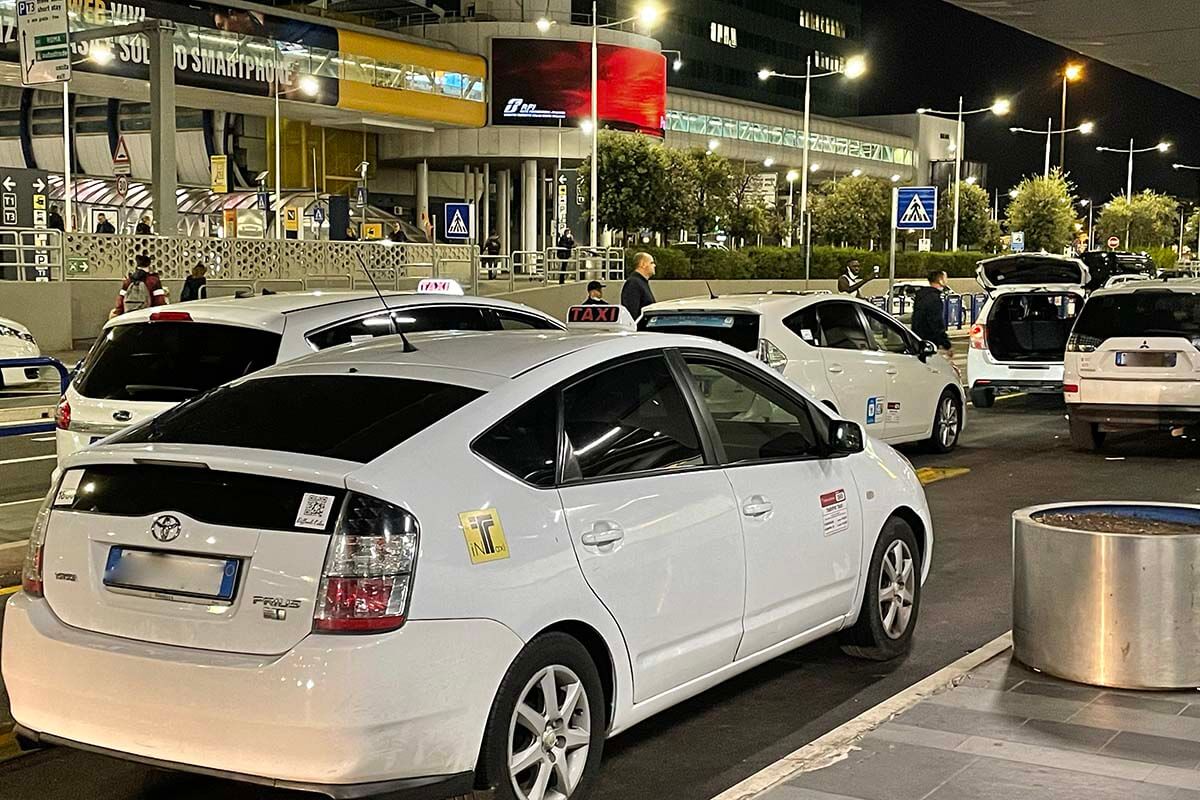
This is another common one. Luckily, many European cities have fixed fares for certain airport routes and display them clearly, so you know what to expect. But whenever you’re unsure, ask how much the ride will cost before you get in.
And this can happen anywhere. Just recently, I was in Athens with my cousin, and we wanted to grab a taxi back to our hotel after a tiring full-day tour. The hotel was less than 2 kilometers away, but every taxi waiting near the station quoted us €25. Good thing we asked! We then booked an Uber for €4.
When you’re tired and just want to get back to your hotel, it’s tempting to get into the first available taxi. But taking a minute to check the price can save you quite a bit of money.
MY BEST TIP: Confirm the fare before you get in. If the taxi uses a meter, ask whether the driver will use it and whether any extra charges apply. If the price sounds high, check an app like Uber or Bolt, where available, to get an idea of what the same ride would cost.
8. Car Break-Ins and Roadside Theft
Car scams could easily fill a separate article. Where do I even start…
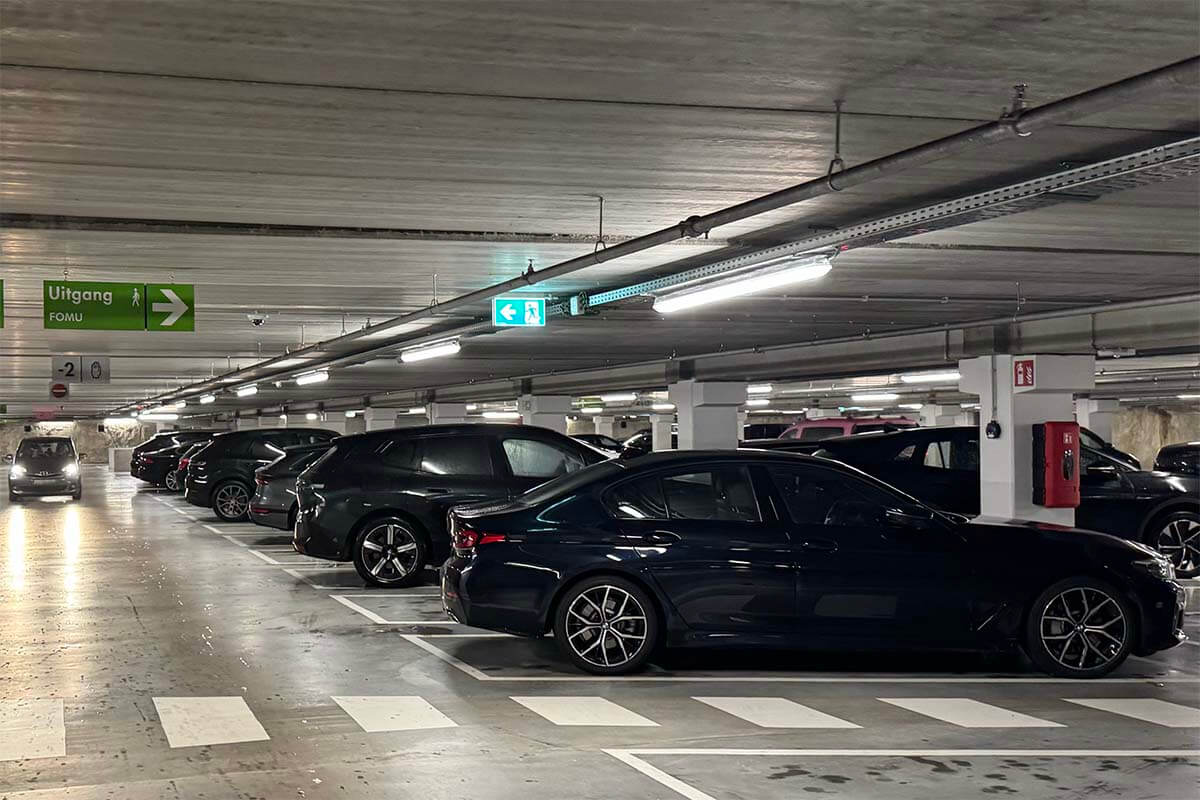
Read the reviews of some underground parking garages in Europe, complete with photos of shattered windows, and you’d almost be afraid to drive into a city. Yet, we’ve parked in some of those same garages many times without problems. But once, we returned to our car to find that the windows of the car next to ours had been smashed…
This happens all over Europe, including Belgium, the Netherlands, France, Spain, and Italy. Highway rest stops, parking lots near tourist sights, and city centers are also targeted. I’ve even read similar stories about remote nature destinations in Iceland. And it’s certainly not limited to Europe. We’ve seen this in plenty of places around the world, including U.S. cities and national parks…
Another trick involves someone signaling that there’s a problem with your car, like a flat tire. Sometimes, thieves deliberately damage or deflate a tire beforehand, then follow you. When you stop, someone offers to help while an accomplice takes your belongings.
Once, someone even tried to open my car door while I was stopped at a red light in Brussels. Luckily, it was locked. The woman in the car ahead of me wasn’t as lucky. Her purse was stolen, and the thief was gone before she even realized what had happened.
MY BEST TIP: Leave nothing valuable in a parked car, and keep bags out of sight even while you’re driving. Keep your doors locked and windows closed when stopped in traffic. Since that incident, I never put my purse on the passenger seat.
That said, on road trips, leaving luggage in the car is sometimes unavoidable. In that case, we try to put it in the trunk before arriving at the parking area, in case someone is watching, and park the car in such a way that the trunk cannot be opened. You can also use luggage cables with a lock to attach your bags to each other, making it harder to grab one and run. Always take your documents, wallet, electronics, medication, and other essentials with you.
Check recent parking reviews too. If several people mention break-ins, look for another garage. And if someone signals a problem with your car, stop somewhere safe and preferably busy. Lock the car if you get out, keep your valuables with you, and call your rental company or roadside assistance if you need help.
9. The “Free” Bracelet or Flower Scam
This is another one we always watch out for. Someone offers you a “free” bracelet, flower, or small souvenir. Once it’s in your hand or tied around your wrist, they suddenly expect you to pay.
You may also encounter the flower scam at restaurants in European cities. Someone hands you or your partner a rose as if it’s a friendly gesture, then asks for money. It can feel awkward to hand it back, and pushy sellers count on that. When our kids were little, people would also hand them toys or encourage them to try things on, making it even harder to say no afterward.
MY BEST TIP: Decline unsolicited gifts with a firm “no, thank you” right away, then carry on with what you were doing. If you’re traveling with children, explain the trick and ask them to check with you before accepting anything.
If someone has already put something in your (kids’) hand, give it back. If they refuse to take it and keep demanding money, put it on a nearby table or, if necessary, on the ground, and walk away. I’ve had to do this quite a few times. You can be polite and still be firm.
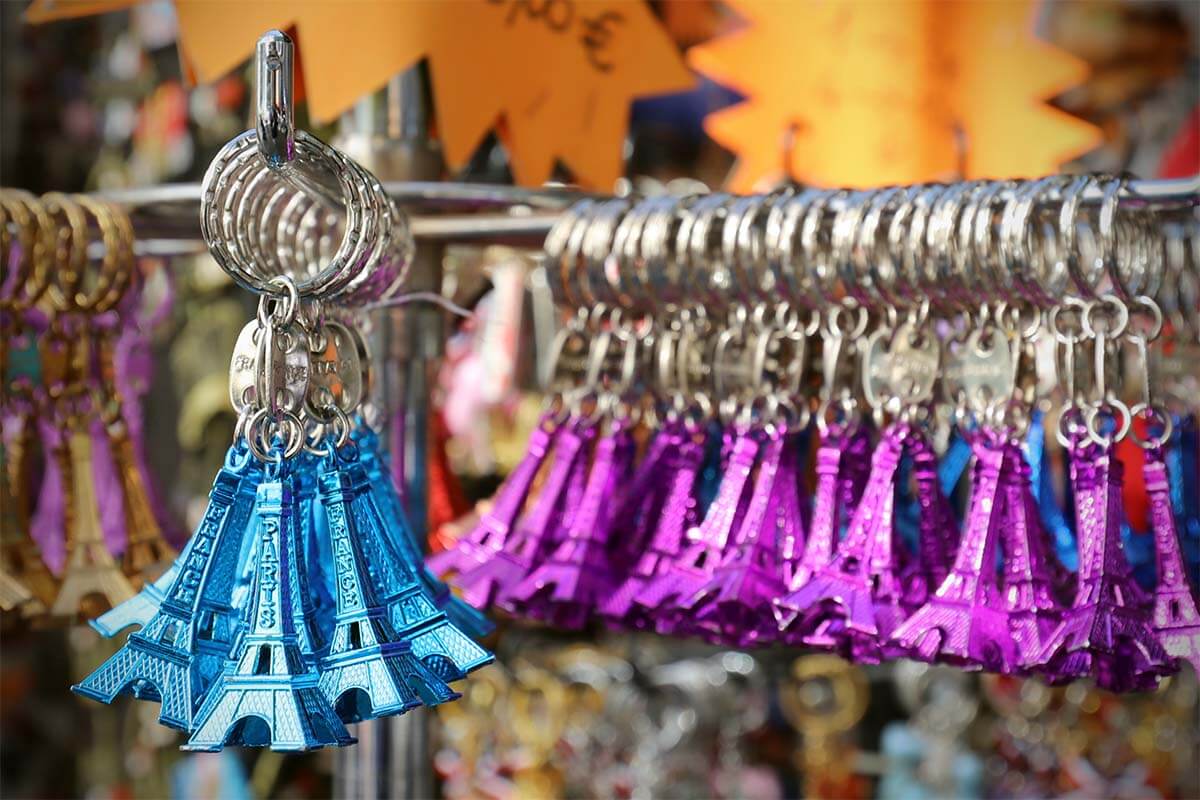
And if you actually want the item, agree on the price before accepting it or letting anyone put it on you. Ask for the total, haggle, and only pay what you’re comfortable spending. When our kids absolutely had to have those light-up flying toys in Barcelona or Eiffel Tower keychains in Paris, I always negotiated the price down to a fraction of the original asking price, often getting three for the price of one. Oh, and it helps to have some cash at hand so you don’t have to open your wallet in front of strangers on the street.
10. The Stain on Your Jacket and Other Distraction Tricks
This is another common scam that can take many forms. Someone points out a stain on your jacket or tells you a bird has left you an unpleasant souvenir. Sometimes, they even splash something onto you themselves. Then they kindly offer to help clean it off.
Your first reaction is to look at the stain, take off your jacket, or put your bag down so you can deal with it. While you’re distracted, a ‘helpful’ stranger or an accomplice takes your belongings. You might even thank them for their help before realizing something is missing…
Another trick is to loudly announce that they’ve found a wallet. Naturally, you reach for yours to check that it’s still there. Without thinking, you’ve just shown everyone watching exactly where you keep it and how easy it is to reach.
MY BEST TIP: Keep hold of your belongings and pause before reacting. If someone points out a stain, thank them, decline their help, and clean it yourself somewhere you can safely put your things down. If you’re traveling with someone, ask them to watch your bags while you do it.
And if someone shouts about a wallet, resist the urge to immediately pat your pocket or open your bag. If you’ve already instinctively reached for it, keep a closer eye on your belongings and hold your bag in front of you. You can move your wallet to a more secure pocket once you’re away from the crowd.
11. Rigged Street Games
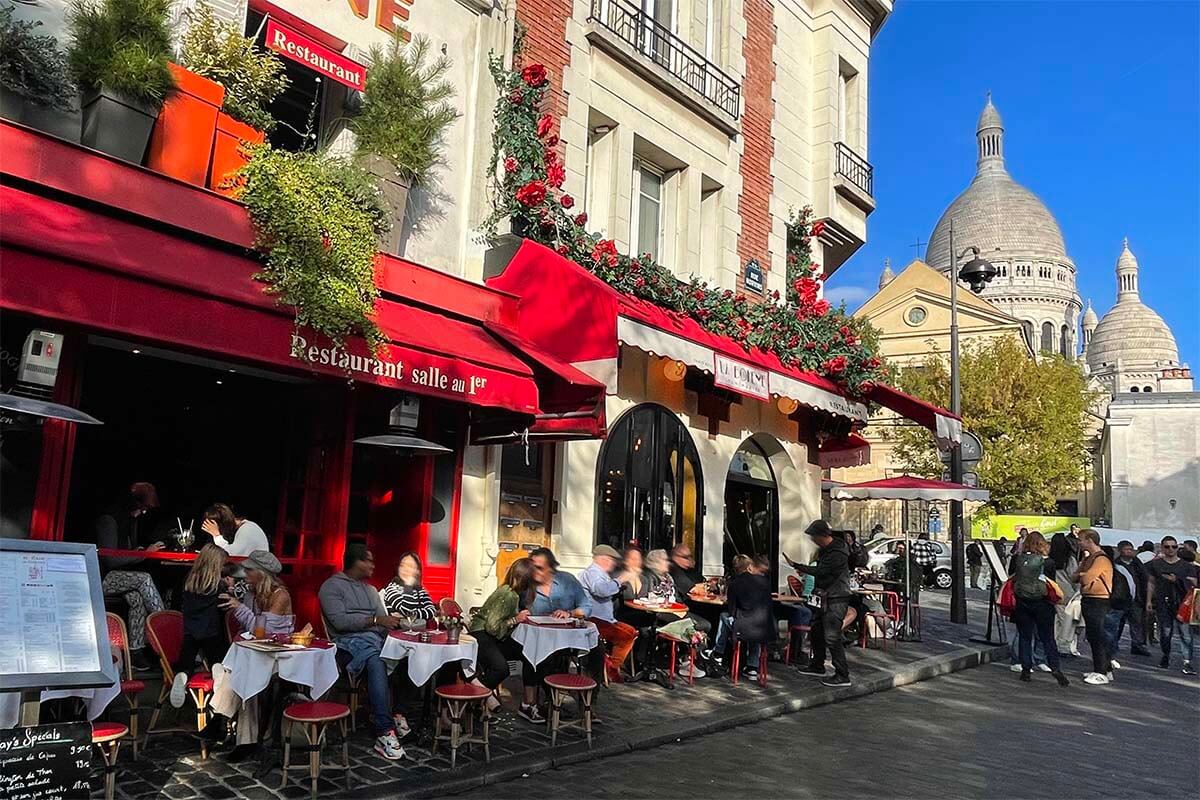
We often see these games in bigger cities, especially Paris. Someone shuffles three cups around and asks you to guess which one hides a ball. Another version uses playing cards. A small crowd gathers, people place bets, and some seem to be winning easy money.
What you don’t realize is that some of those “tourists” are accomplices. Their job is to make the game look legitimate and tempt you to join in. It might look easy to follow the ball or card, but the game is rigged. Local authorities know about these scams and try to stop them, yet they keep happening.
MY BEST TIP: Just walk past. Don’t let the apparent winners convince you to try your luck, even for a small amount. They’re part of the show.
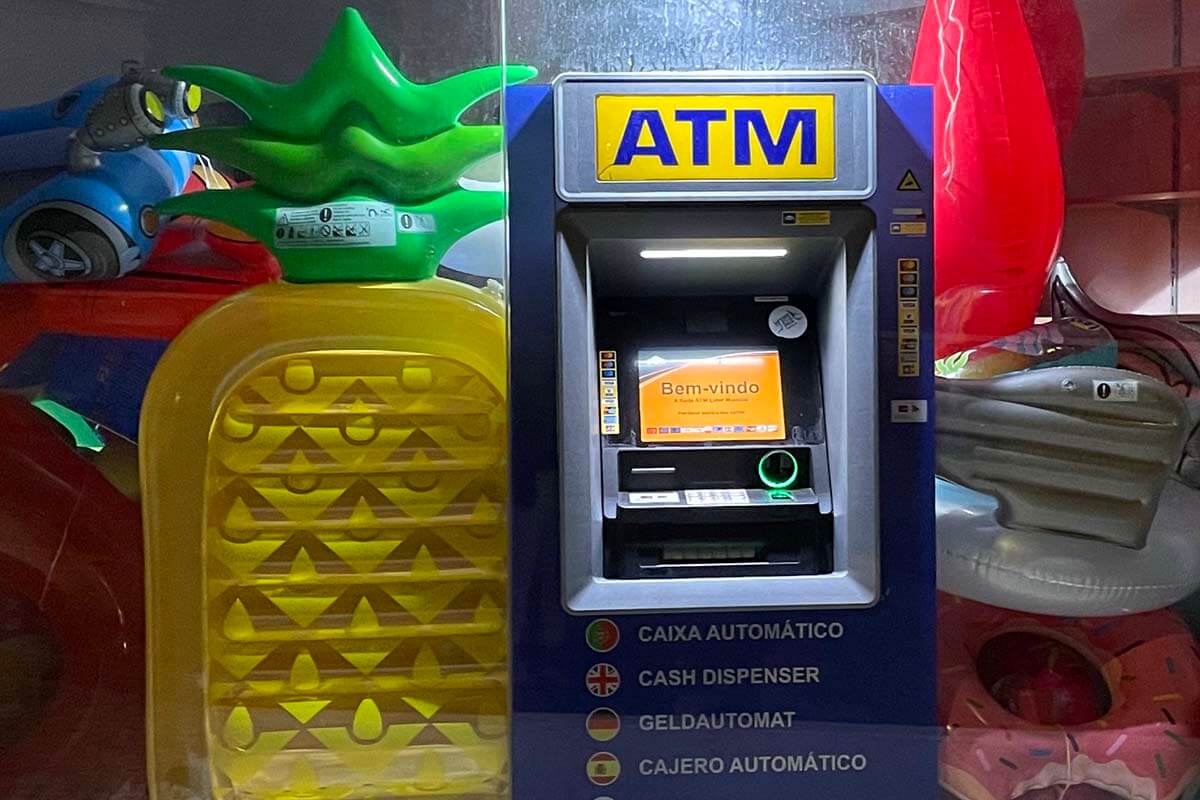
12. ATM Fees and Currency Conversion Traps
When talking about travel scams, I also have to mention costly currency conversions at ATMs. This one particularly annoys me because it’s legal and is presented as a helpful service. But it can cost you a lot of money throughout your trip.
I fell for this once, and while the amounts were small, I lost over 15% on a cash withdrawal. Now I’m always very careful.
Whenever you’re using an ATM to withdraw cash, shopping, or paying your hotel or restaurant bill in another currency, machines offer to convert the amount into your home currency. Seeing exactly how much it will cost you sounds reassuring, but the conversion often comes with a hefty markup. And some screens make the choice so confusing or ask you to confirm twice by using different questions where one answer has to be yes and the other no. It’s like they’re designed to trick you into making a choice you don’t want to.
MY BEST TIP: Choose the local currency and decline the ATM’s conversion. The same advice applies when paying by card at shops, restaurants, and hotels – always choose to pay in local currency. That means euros in France, pounds in the UK, or Swiss francs in Switzerland. Your card provider then handles the conversion, usually at a better rate.
Also check for a separate ATM withdrawal fee. That can still apply even if you decline the conversion, along with any fees your own bank charges. If the cost seems excessive, cancel and look for another machine.
13. Fake Tours and Guides Who Never Show Up
You book a tour, receive a confirmation, and look forward to your trip. But when the day comes, nobody shows up, and you can’t reach the organizer. This can happen anywhere, including Europe. With a private tour, it can be especially frustrating if the organizer claims you weren’t at the meeting point. And it’s your word against theirs.
We’ve read about this in Europe and recently experienced it ourselves in Japan. I had booked a private tour with hundreds of genuine-looking reviews. After nobody showed up, I checked the most recent reviews, and they all described the same thing. I’m still puzzled about how a seemingly legitimate listing turned into a scam. Luckily, we had booked through GetYourGuide and got our money back, but we still lost valuable vacation time.
MY BEST TIP: Read the most recent reviews and check them again a few days before your tour. Many tours offer free cancellation up to 24 hours before the start, so if recent reviews mention guides not showing up or organizers becoming impossible to contact, you may still have time to cancel and find an alternative.
We always use GetYourGuide or Viator for tour bookings. Both have tons of options and reviews, which, in my experience, makes it easier to find reliable operators and avoid problems. But as we learned, nothing is completely foolproof.
I personally feel more comfortable booking established tours with a steady stream of recent reviews. For private tours, I’m extra careful about checking the operator and wouldn’t send an advance payment to an unknown guide.
Whatever you choose, keep all communication and payment through the booking platform so you have somewhere to turn if things go wrong. If your guide doesn’t show up, contact the operator and the platform right away. Take a time-stamped photo or video at the meeting point and save your messages to help document that you were there and tried to reach them.

14. Fraudulent Hotel Payment Requests
I’ve had this happen a few times, and these scams can be surprisingly convincing. Once, I received a message through Booking.com saying I needed to immediately confirm my credit card details or my reservation would be canceled. Because it came through the platform’s own messaging system, it looked like I was talking directly to the hotel.
I checked my account and couldn’t see any indication that something was missing or that there was a problem with my booking. So I contacted customer service. They confirmed it was a scam.
When you’ve already booked your flights and planned your trip, a message threatening to cancel your hotel can make you react quickly. That’s exactly what the scammers are counting on.
MY BEST TIP: Verify unexpected payment requests before entering any card details. Open the booking app or website yourself and check your reservation and its original payment conditions. If something doesn’t add up, contact customer service through the app or call the hotel using the number on your original confirmation. Always take a few minutes to check, even if the message says you need to act immediately.

15. Fake Hotels and Vacation Rentals
Imagine booking a lovely apartment, looking forward to your trip, and then arriving to discover that the place doesn’t exist. We’ve had stories like this on TV here in Belgium several times. There were even reports of Airbnb listings using photos of a dollhouse! Other travelers booked hotels that simply didn’t exist in real life.
Beautiful photos and low prices can make a place look very tempting. And if the listing says it’s a new hotel or a recently renovated apartment, it’s easy to accept that there aren’t any reviews yet.
MY BEST TIP: Check the property beyond the website where you found it. Look it up on Google Maps, check the address (including Street View), and look for reviews and photos from people who have actually stayed there. Read several reviews and see whether the details match the listing. If the photos look suspicious, do a reverse image search to see whether they’ve been copied from another property.
I’m especially careful with a supposedly new hotel that has no reviews and very little information anywhere else. A new property can be perfectly legitimate, but I always check that it actually exists before committing my money.
Also, follow the payment arrangements stated in your original booking. If someone unexpectedly asks you to transfer money directly or pay through a different website, that’s always a red flag for me.
So, here are some of the most common travel scams we’ve encountered in Europe (and beyond). That doesn’t mean Europe is unsafe or that you should spend your vacation worrying. Things can happen anywhere, including in your own city or close to home. But knowing what to watch for can help you recognize a similar situation and avoid getting caught out.
We love traveling around Europe, and none of this would ever stop us from visiting a place. Take a few simple precautions, keep an eye on your belongings, and enjoy your trip!
Ready to plan a trip? You’ll find plenty of ideas and practical advice in our Europe travel guides.
Looking for travel inspiration? See our favorite fairytale destinations in Europe.
TIP: Save this guide for later, share it with your friends, or pin it to Pinterest so you can easily come back to it when planning your trip.