
4 Days in Kyoto: Itinerary for First-Time Visitors (+Map & Tips)
This site contains affiliate links, which means that we may earn a small commission, at no cost to you, for qualifying purchases. It supports the work that goes into keeping this content free. Thanks for reading! More info: Privacy Policy.
Planning your first trip to Kyoto and wondering what to see, do, and how to organize your days? This 4-day Kyoto itinerary covers the city’s main highlights, traditional neighborhoods, local food, and a few quieter spots, all grouped in a logical way to help you make the most of your time without constantly backtracking across the city.
This itinerary is based entirely on our own trip to Kyoto and includes everything we personally did, from famous places like Gion, Kiyomizu-dera, Arashiyama, and Fushimi Inari Taisha to a day trip to Nara, a samurai sword lesson, local food experiences, and a bike tour through Kyoto’s quieter neighborhoods.
I spent quite a bit of time planning this itinerary before our trip, and it worked really well for us: full enough to see a lot, but not so packed that it became exhausting. So while you could easily spend much longer in Kyoto, four days is actually enough to see many of the city’s most famous sights while also leaving time for cultural activities, shopping, great food, and simply wandering around the old streets.
Below, you can find our detailed 4-day Kyoto itinerary with practical tips, timing estimates, and a map to help you plan your trip.
Kyoto Itinerary Map
To help you plan your time, I’ve marked all the places mentioned in this itinerary on the map below. You’ll see that the days are organized by area, helping you avoid unnecessary backtracking across the city.
How to use this map: Zoom with your mouse or fingers. Select an icon for place details or the top-left menu for the full list. Click the star beside the title to save the map to your Google account. Find it in Google Maps under “You” → “Maps” on mobile or “Saved” → “Maps” on a computer using the same account.
What to Know Before You Go
Carry some cash. Most restaurants and shops take cards, but many temples, shrines, and smaller attractions we visited only accepted cash.
Check temple opening hours and schedules. While most temples and shrines in Kyoto don’t require reservations, many close surprisingly early (often around 5-6 PM, with last admission earlier). Some smaller temples also close on certain weekdays or have seasonal opening schedules, so it’s worth checking before finalizing your itinerary.
Reserve popular activities in advance. We booked the Nishiki Market food tour, Nara day tour, e-bike tour, the samurai experience, and a few other experiences well ahead.
Start sightseeing early. Kyoto’s most famous attractions get crowded very quickly. Arriving even one hour earlier can make a huge difference, especially at places like Arashiyama and Fushimi Inari. Kiyomizu-dera can also get packed, but it’s actually nicer in the late afternoon, around sunset.
Use taxis to save time and energy. We skipped public transport entirely and relied on a combination of walking and taxis. It made sightseeing much more relaxing, saved us a lot of walking and time, and allowed us to see more without feeling rushed. We used Uber and the local GO taxi app. Just to be clear, this itinerary works very well with public transportation too. Since we grouped nearby attractions together, some days require very little transport at all.
Stay in central Kyoto. If you have a few days in the city, I recommend choosing accommodation within walking distance of downtown Kyoto and Gion rather than near Kyoto Station. We stayed at Hotel Tavinos Kyoto, and found the location ideal for sightseeing. The hotel itself is a bit quirky (great if you’re visiting Japan with teenagers!), but if you’re looking for something more upscale, Sora Niwa Terrace Kyoto would be my top pick. Its central location, beautiful onsen, and rooftop views make it a wonderful base for exploring the city.
Here’s what we did in Kyoto in four days:
Day 1: Kyoto Highlights: Nishiki Market, Gion & Kiyomizu-dera
This day covers many of Kyoto’s most famous sights and gives you a great introduction to the city. It includes Nishiki Market, Gion, Kiyomizu-dera, traditional streets, temples, shrines, shopping, and some of Kyoto’s most iconic areas, all without too much rushing around.
Everything is within walking distance, and you can easily adjust the route depending on your interests. Just keep in mind that experiences such as the food tour, Mipig Cafe, and traditional tea ceremonies often require advance reservations.
Nishiki Market
We started our first day in Kyoto with this guided food tour of Nishiki Market, also known as the “Kitchen of Kyoto”.
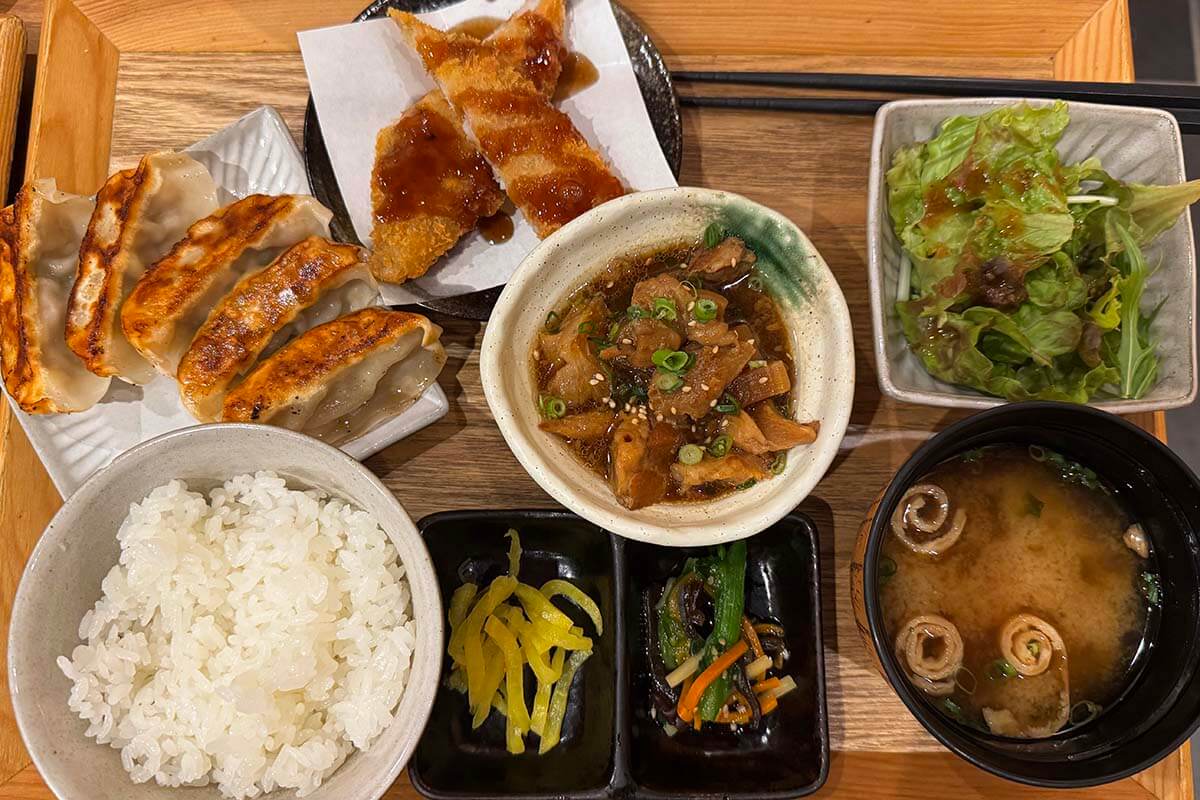
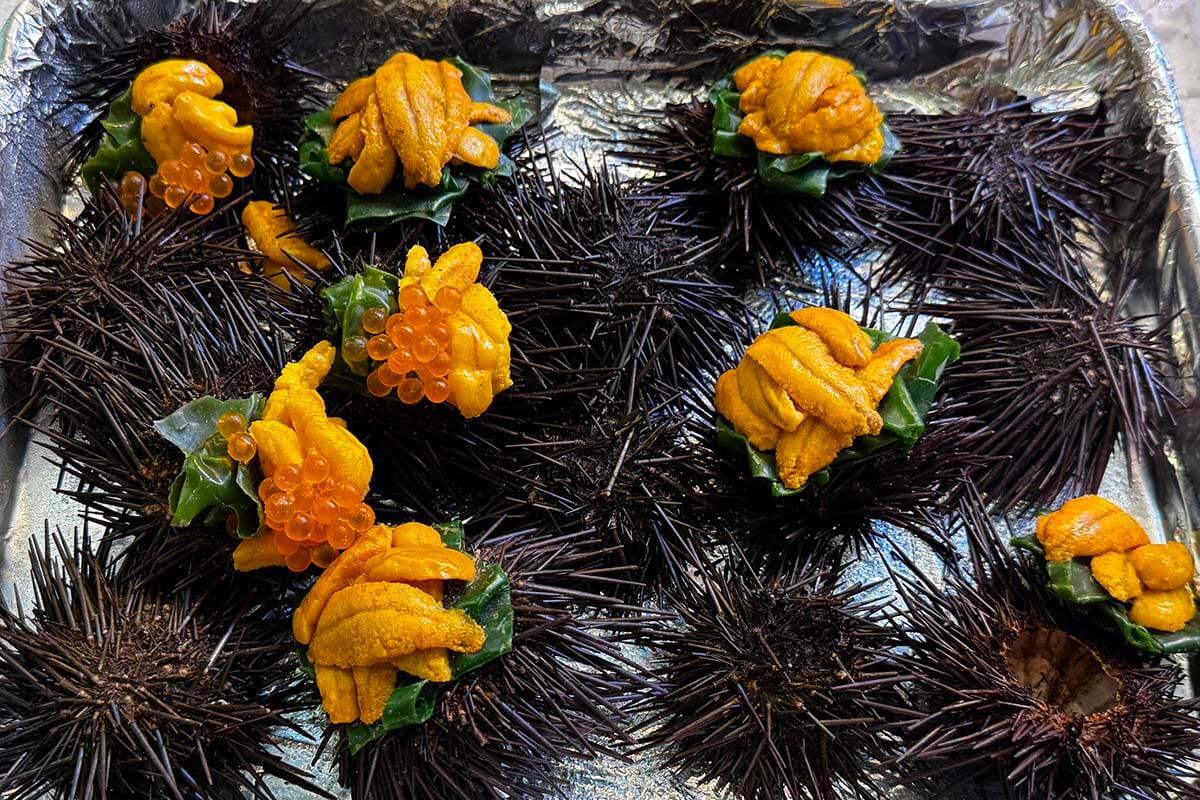
The tour took the entire morning (9:30 AM–12:30 PM) and included lots of small tastings along the way. We tried traditional sweets, tamagoyaki omelet, chicken matcha croquettes, donuts, and other local snacks before finishing with a proper lunch-sized gyoza meal.
It was a really good introduction to Kyoto food culture, and we tried so many special things we wouldn’t have ordered on our own.
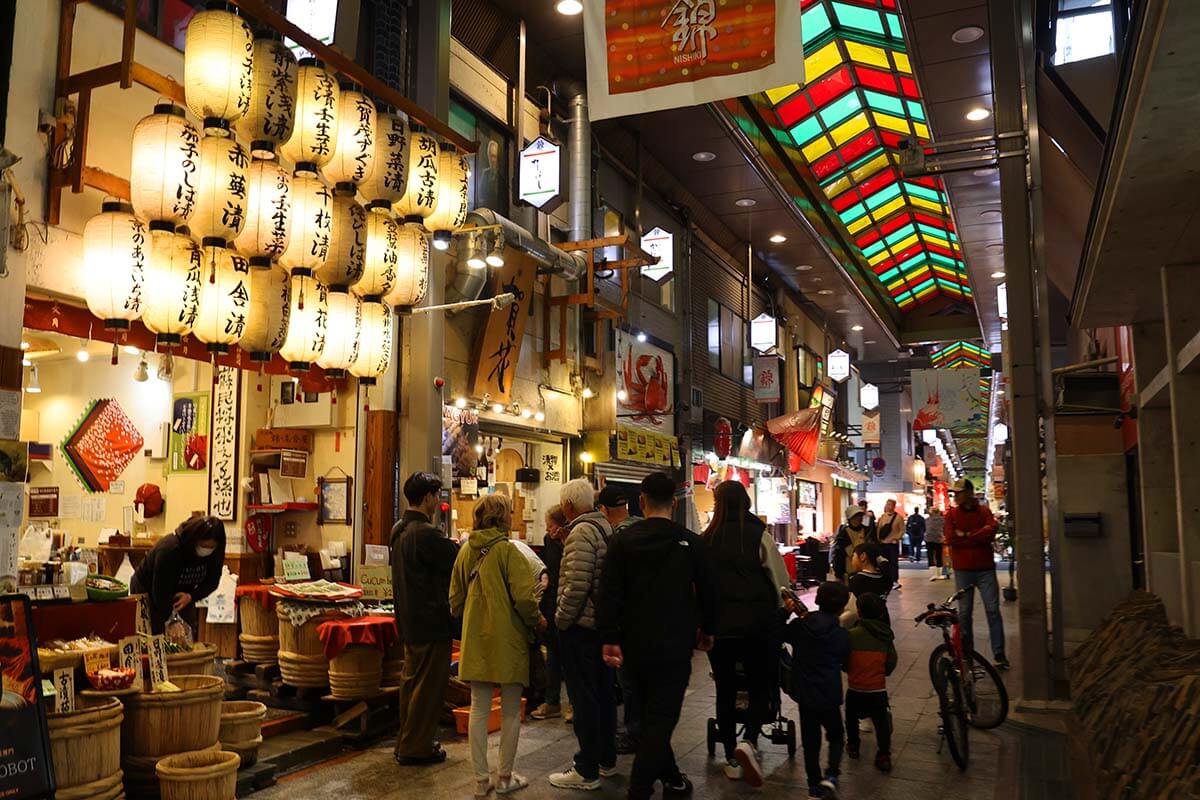
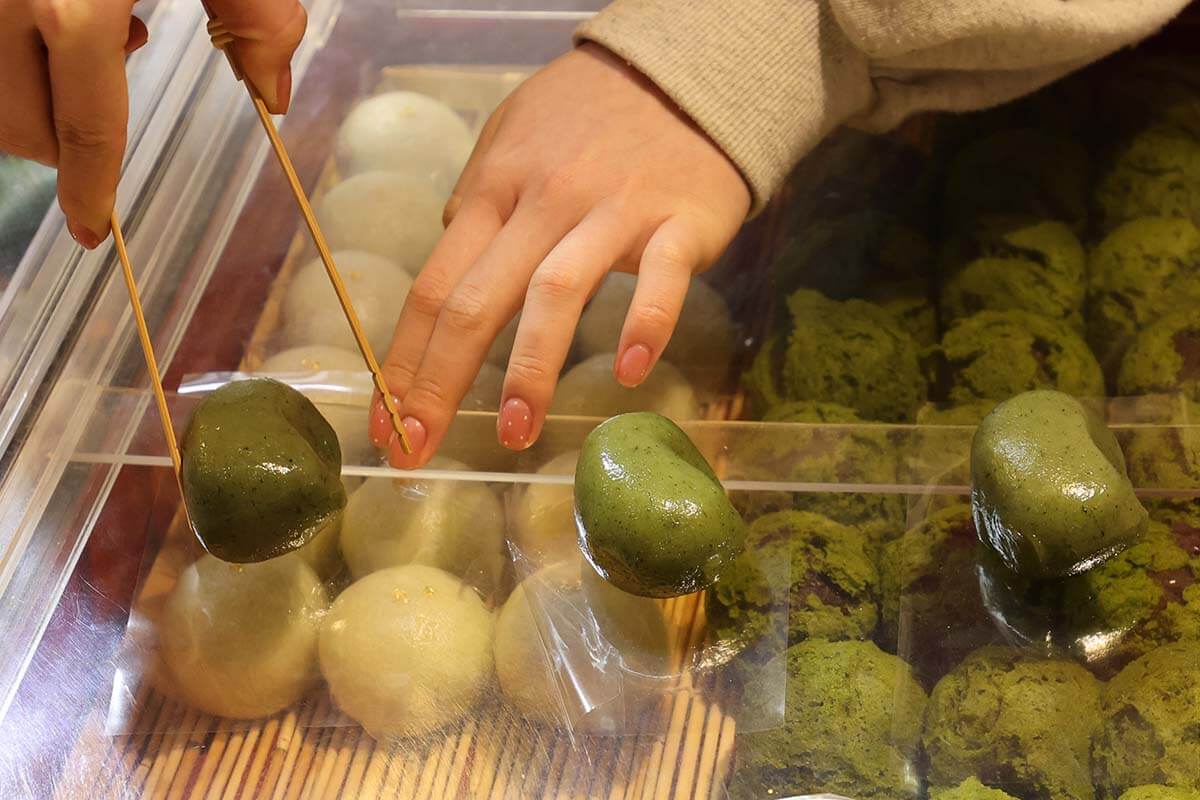
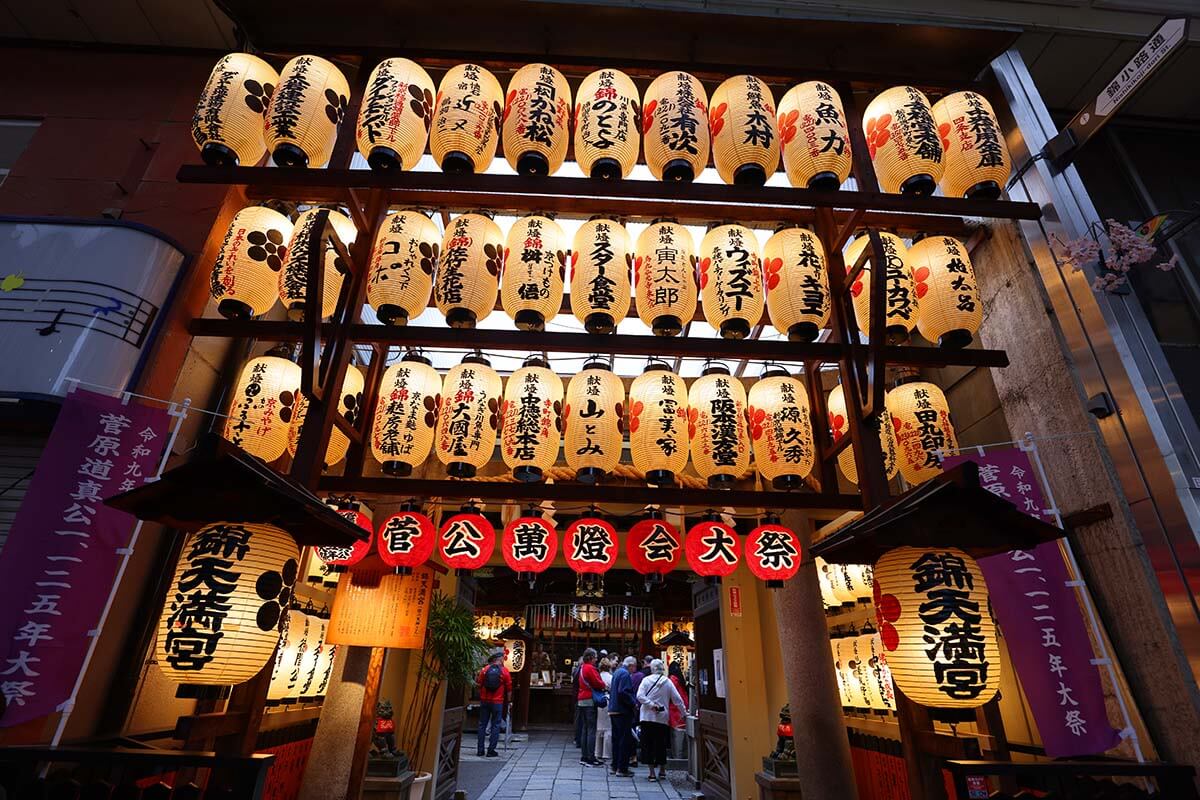
We also stopped at the famous Pontochō Alley and Nishiki Tenmangū Shrine. Along the way, our guide explained some local traditions, shrine etiquette, and the history of the area.
Good to know: Nishiki Market gets extremely crowded later in the day, so mornings are by far the best time to visit. I also highly recommend doing a food tour early in your trip since it’s a fun way to learn about local dishes and get useful insider tips from a local guide.
Mipig Cafe Kyoto (Optional)
After the market tour, we visited Mipig Cafe Kyoto, located about a 10-minute walk from where the food tour ended. This is one of those places you will either love or completely skip, but our teens really wanted to see the mini pigs. Since the café is so centrally located, it was very easy to add to our Kyoto itinerary.
We booked the 1-1:30 PM timeslot in advance, and 30 minutes was plenty. If you want to visit, I highly recommend reserving ahead since it often sells out.
And if animal cafés are not your thing, simply skip this short stop and continue straight to Gion on the other side of the river.


Gion, Yasaka Shrine & Maruyama Park
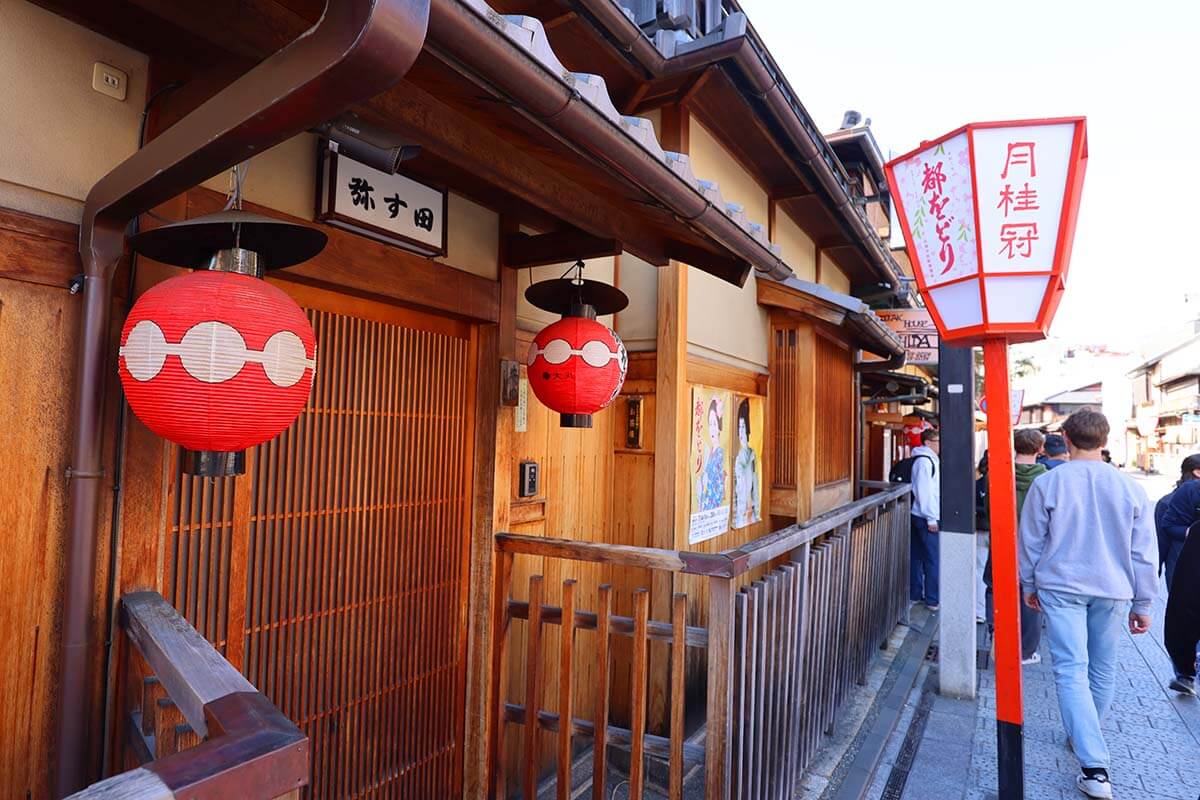
In the afternoon, we headed to Gion, Kyoto’s historic geisha district.
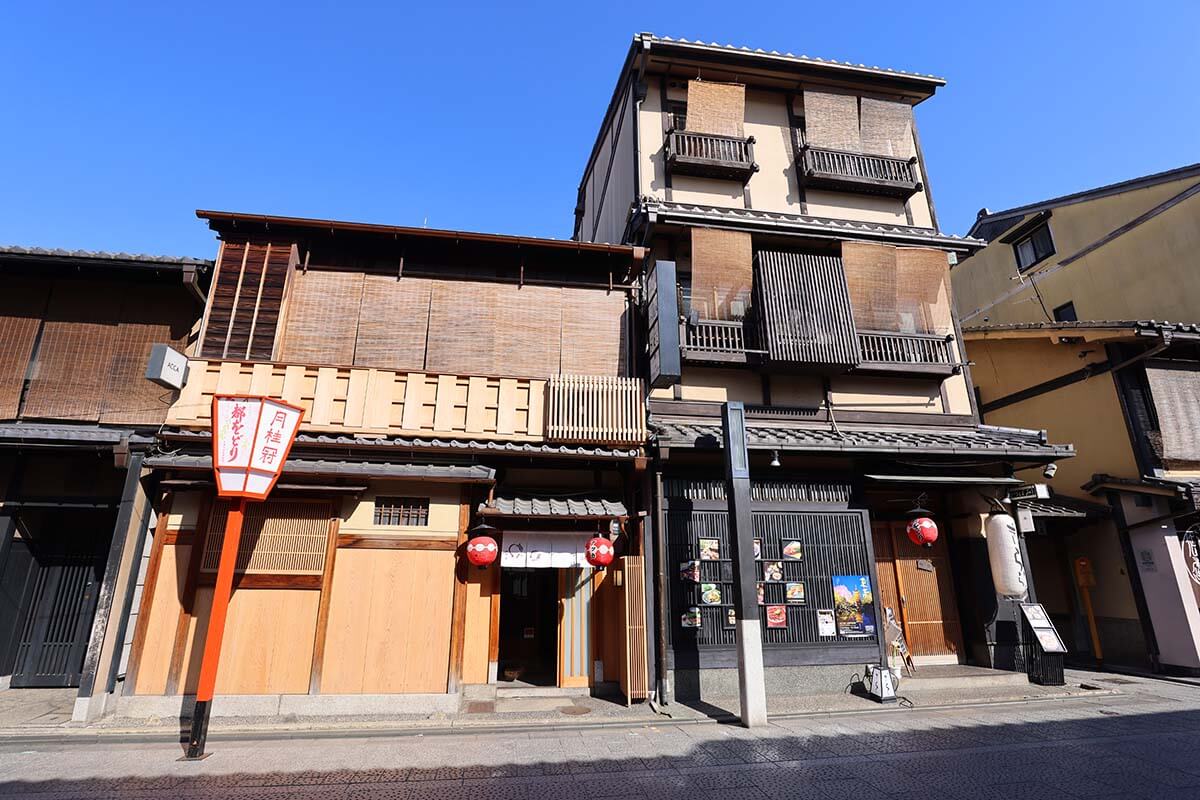
Known for its wooden buildings, narrow streets, tea houses, and traditional atmosphere, Gion is a must in any Kyoto itinerary. If you are lucky, you may even spot a real geisha or maiko hurrying between appointments.
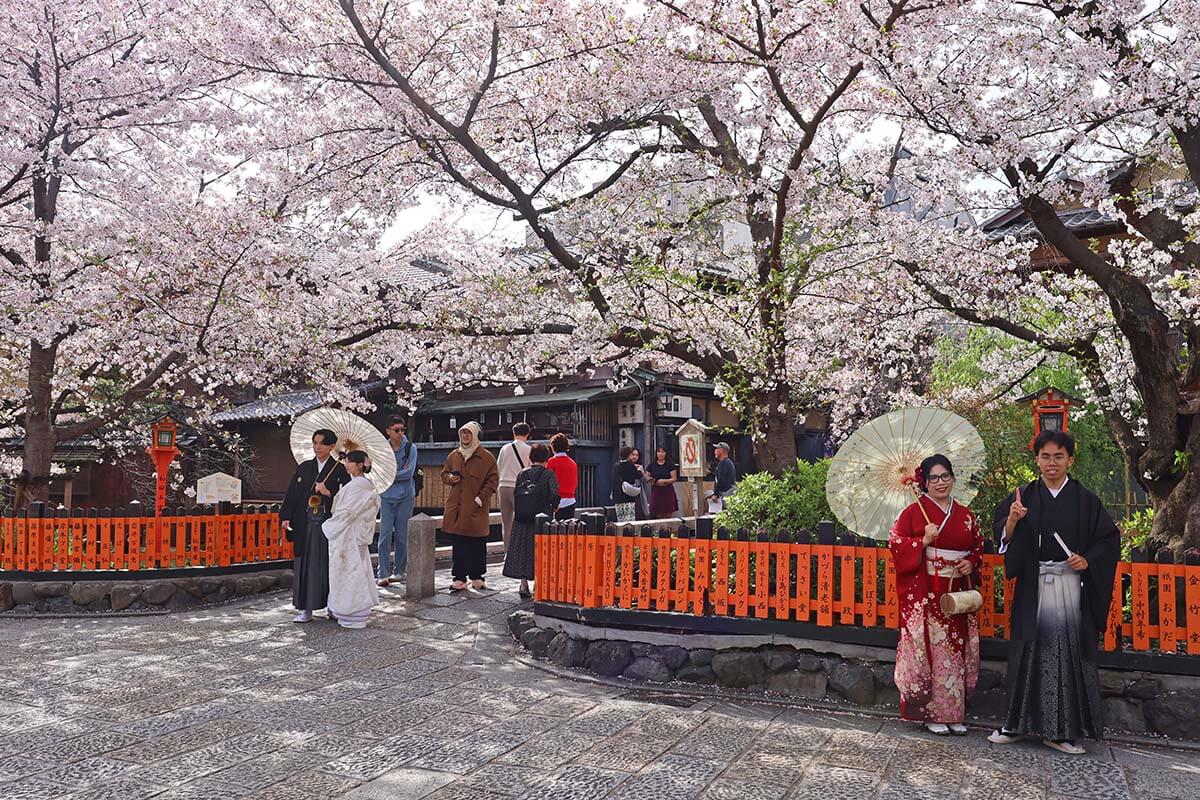
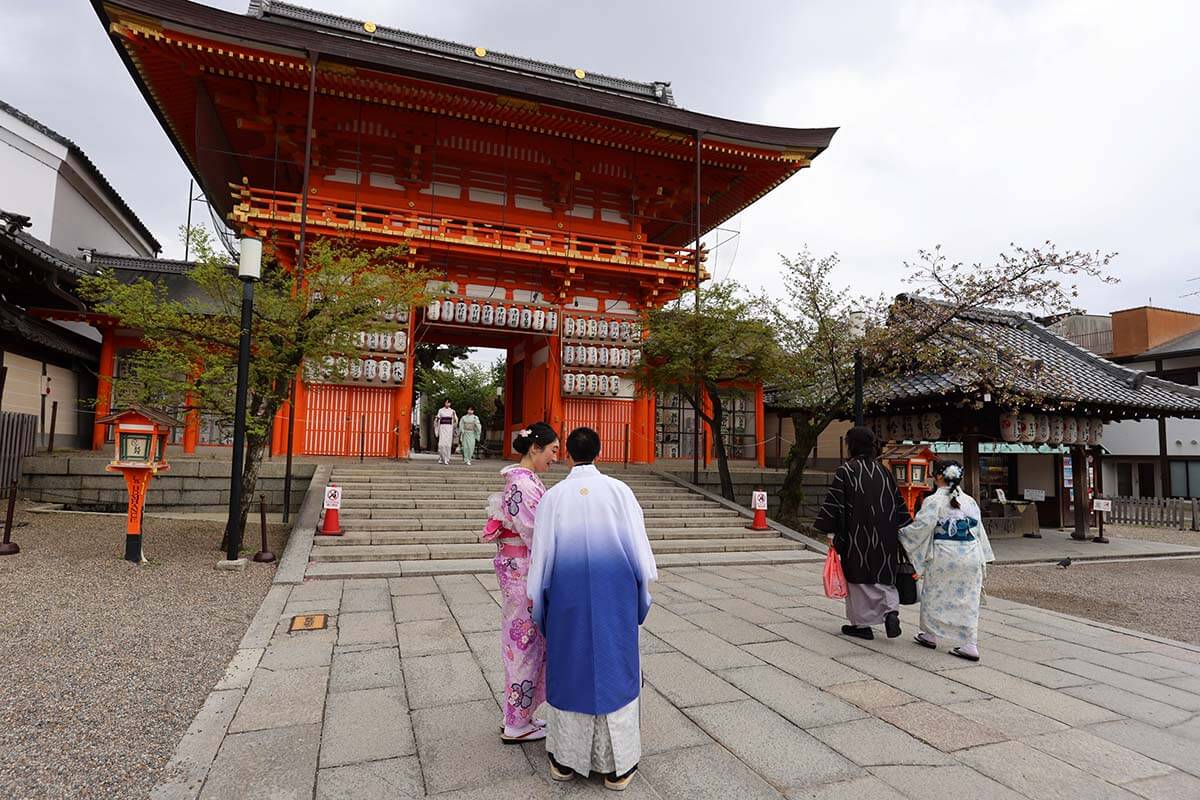
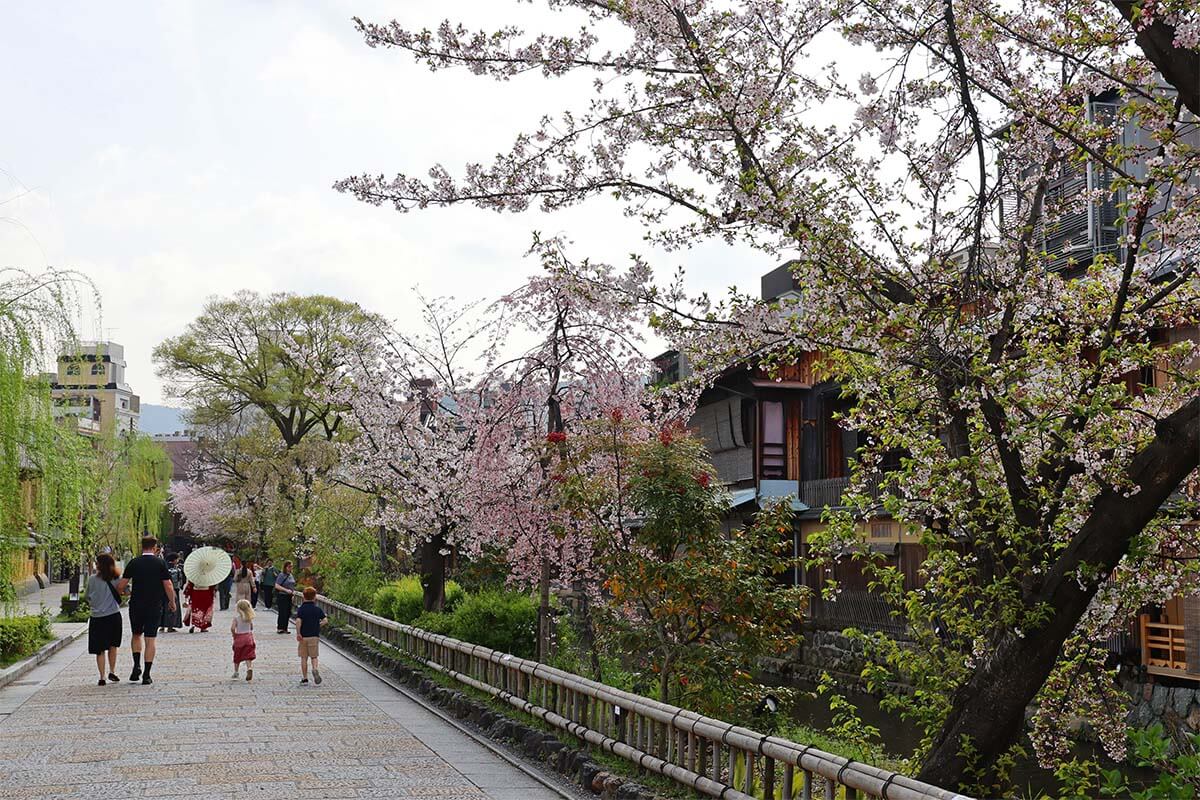
We started near the Shirakawa Canal and the small Tatsumi Bridge area near Tatsumi-jinja Shrine. This is one of the prettiest parts of Gion. During our stay in Kyoto, we passed this area several times, and there were always people in kimonos having professional photo shoots here, from early morning until late evening.
From there, we continued along Hanamikoji Street before walking to Yasaka Shrine and nearby Maruyama Park. The whole area felt lively and atmospheric, with many food stalls and souvenir shops everywhere.
Afternoon Tea in Gion
A traditional tea ceremony is one of the classic cultural experiences in Kyoto, and the old streets around Gion and Higashiyama are the perfect place to do it. There are many options in this area, from simple tea tastings to more elaborate experiences in traditional tea houses with kimono and geisha performances.
This highly-rated tea ceremony in a traditional tea house is very conveniently located for this itinerary. It runs multiple times throughout the day, making it easy to fit into your plans.
If you want a more complete traditional Kyoto experience, you can also book an option that includes kimono rental and hairstyling. Either way, I highly recommend reserving at least a few days in advance since the best experiences often sell out. Plus, it’s easier to plan your day when you can choose the most suitable time slot.
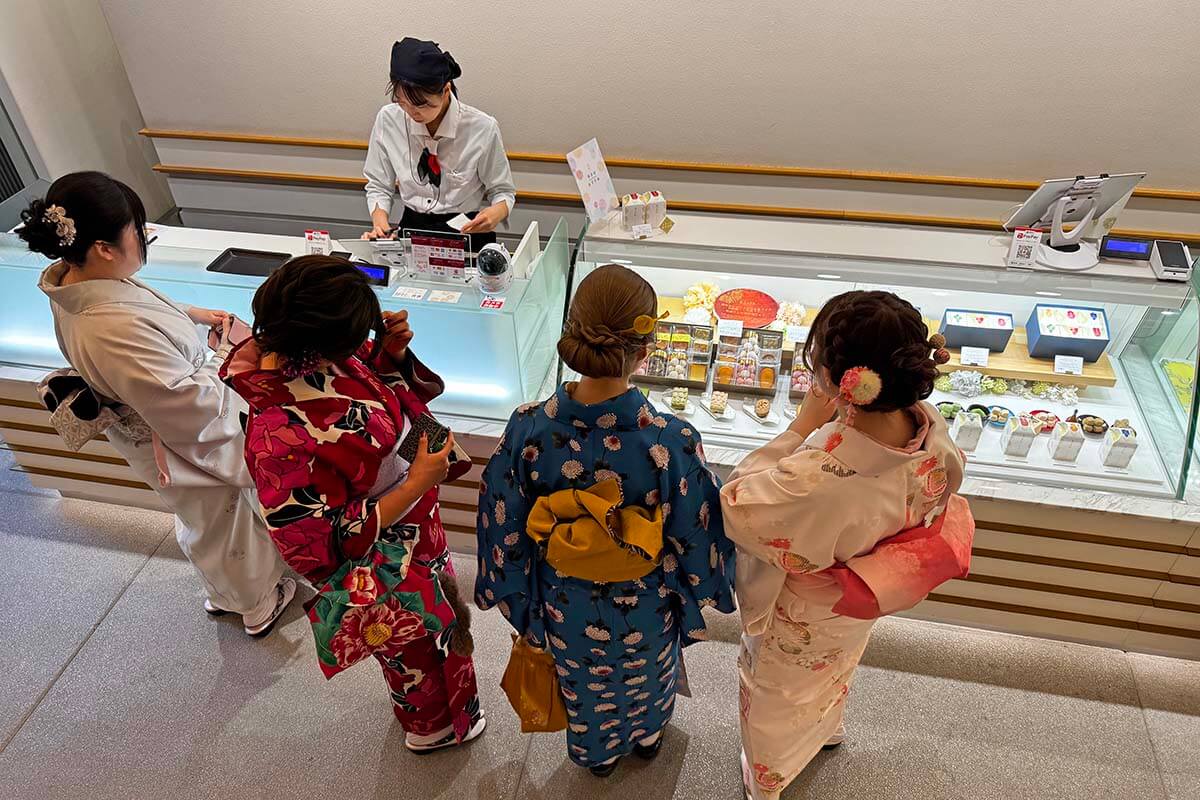
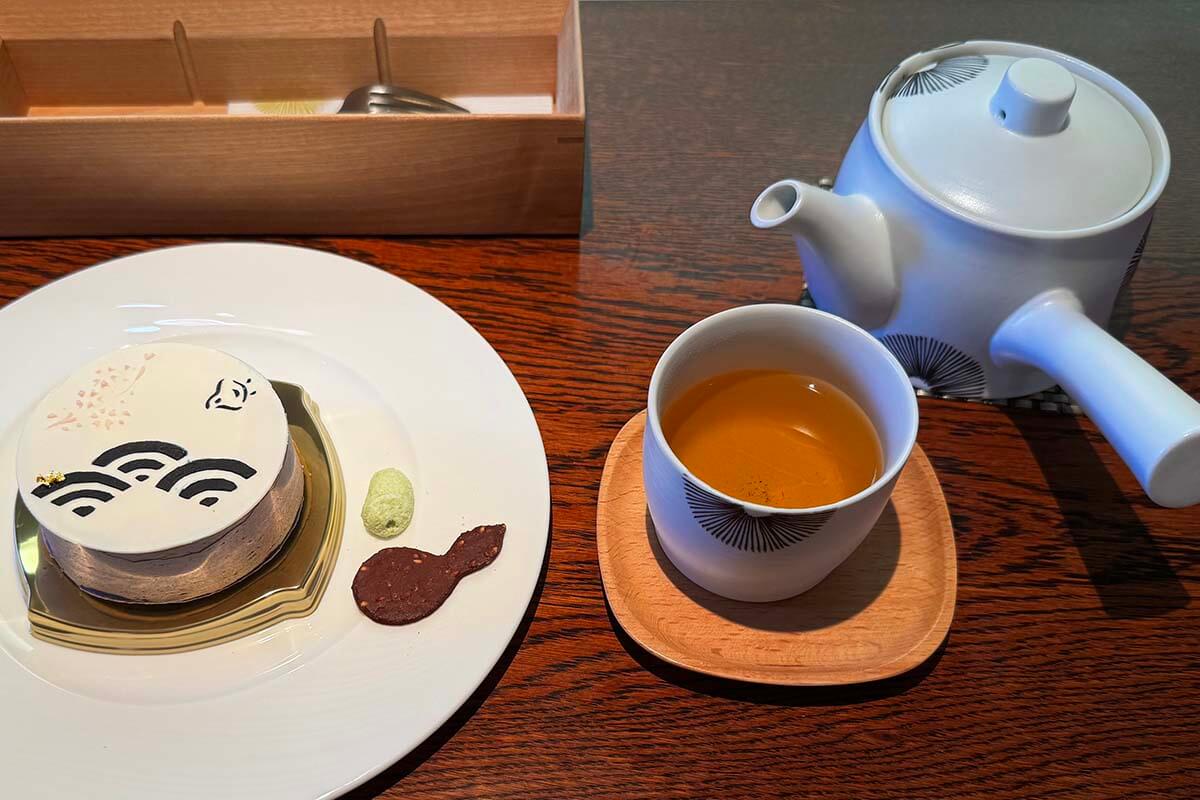
I would have loved to do it, but our teens weren’t interested… Instead, we stopped for tea and cake at Patisserie Gion Sakai. The desserts were beautiful and absolutely delicious, but the experience isn’t comparable.
Higashiyama & Kiyomizu-dera
Next, we explore the historic Higashiyama district, slowly making our way toward Kiyomizu-dera.
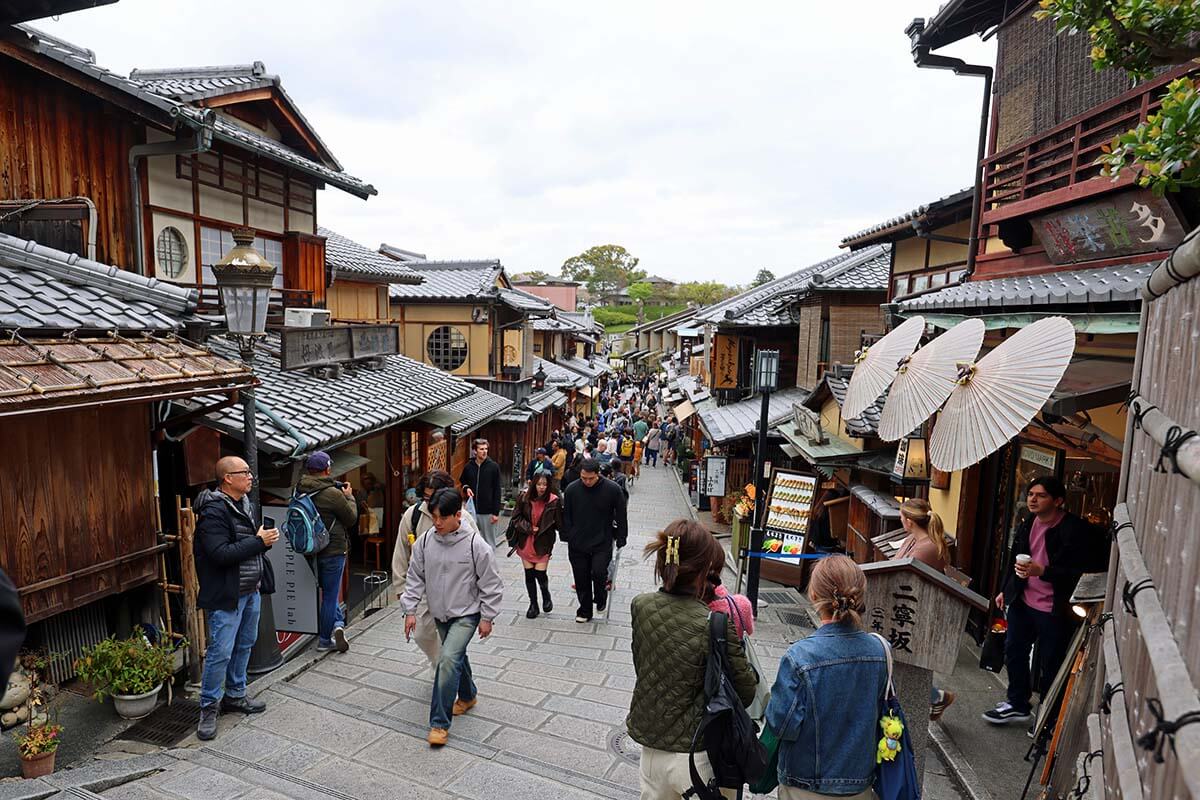
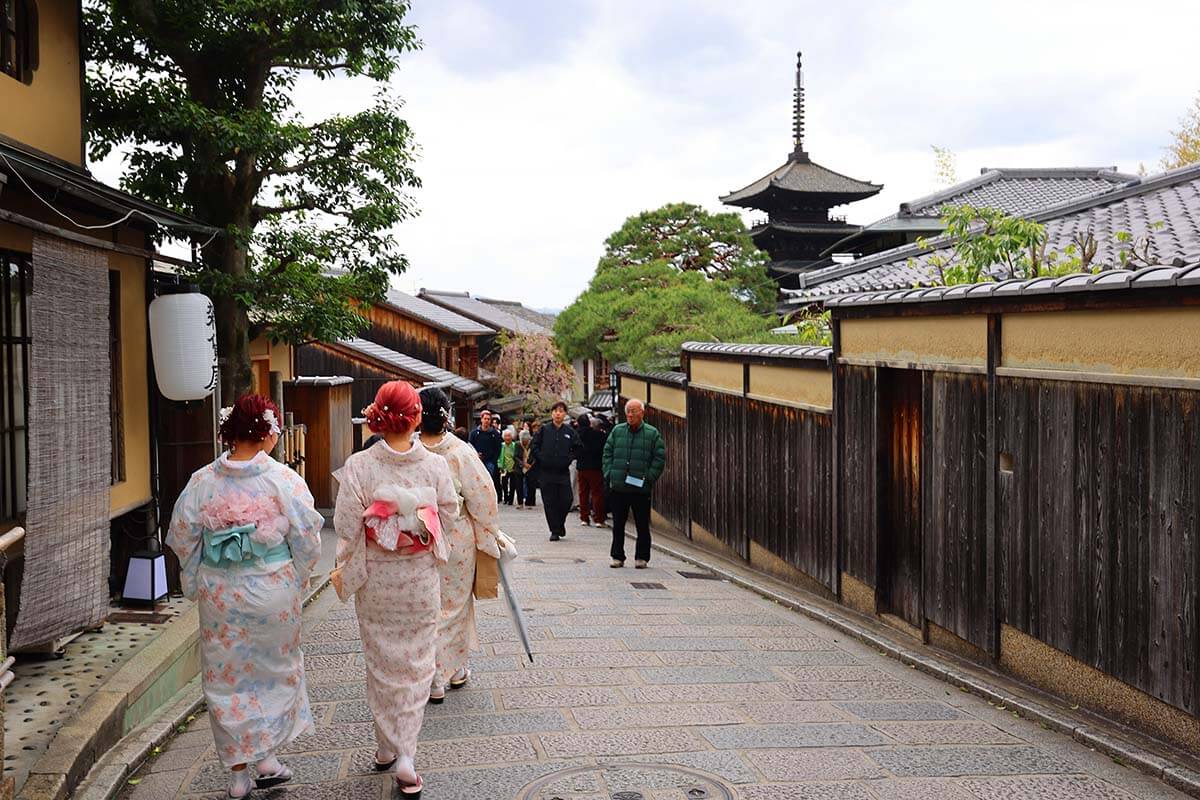
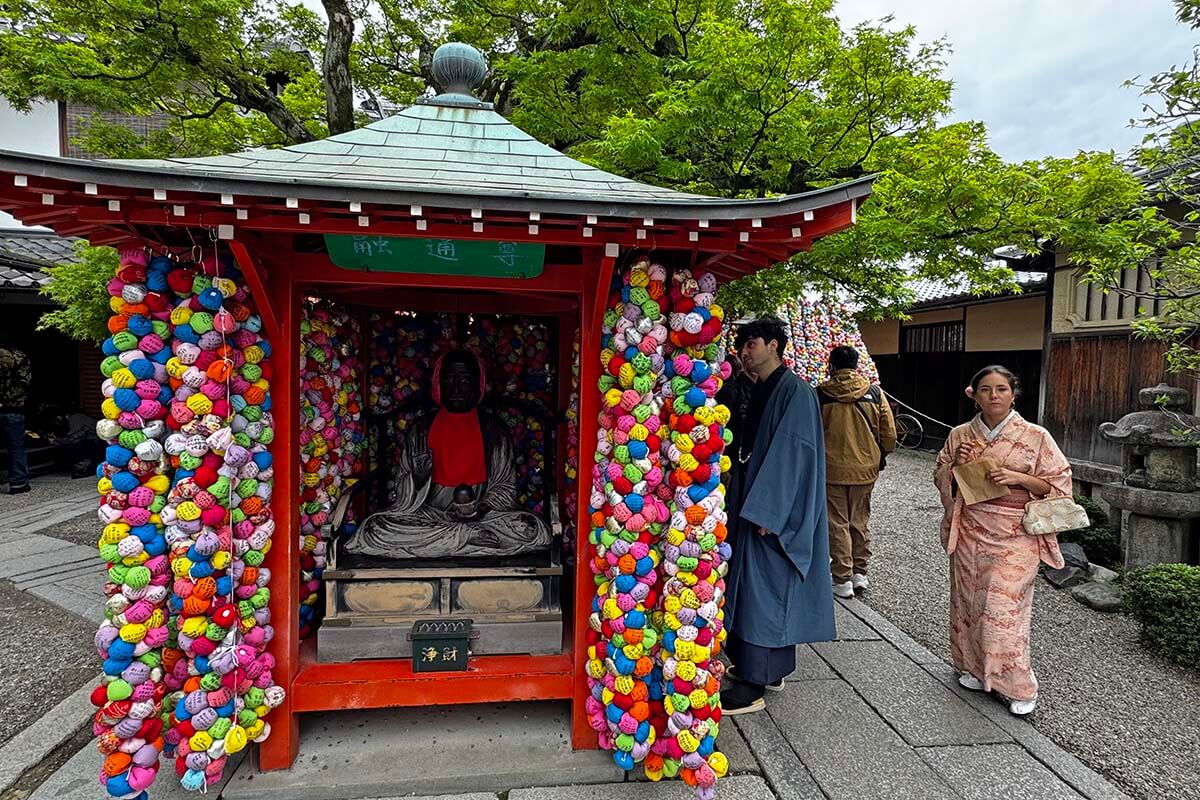
There are so many small temples, shrines, shops, and photo spots along this route that at some point, you stop keeping track. Some of the highlights include Yasaka Kōshin-dō Temple, Hōkan-ji (Yasaka Pagoda), as well as Nene-no-Michi, Ishibe-kōji, Ninenzaka, and Sannenzaka streets.
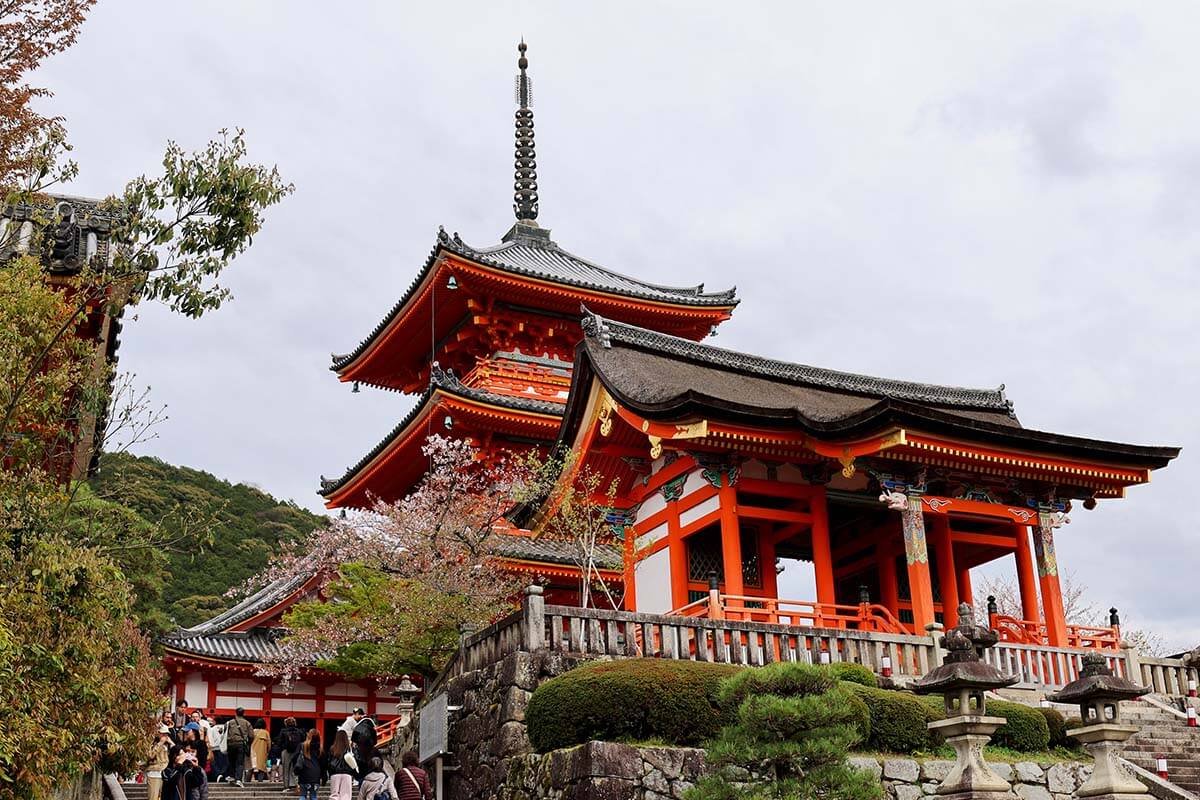
Kiyomizu-dera is one of Kyoto’s most famous landmarks and a must-see. The temple complex is much larger than it first appears, with several different areas to walk through and beautiful views over the city. We spent about 45 minutes here, but you could easily stay longer. It’s also a very popular sunset spot.
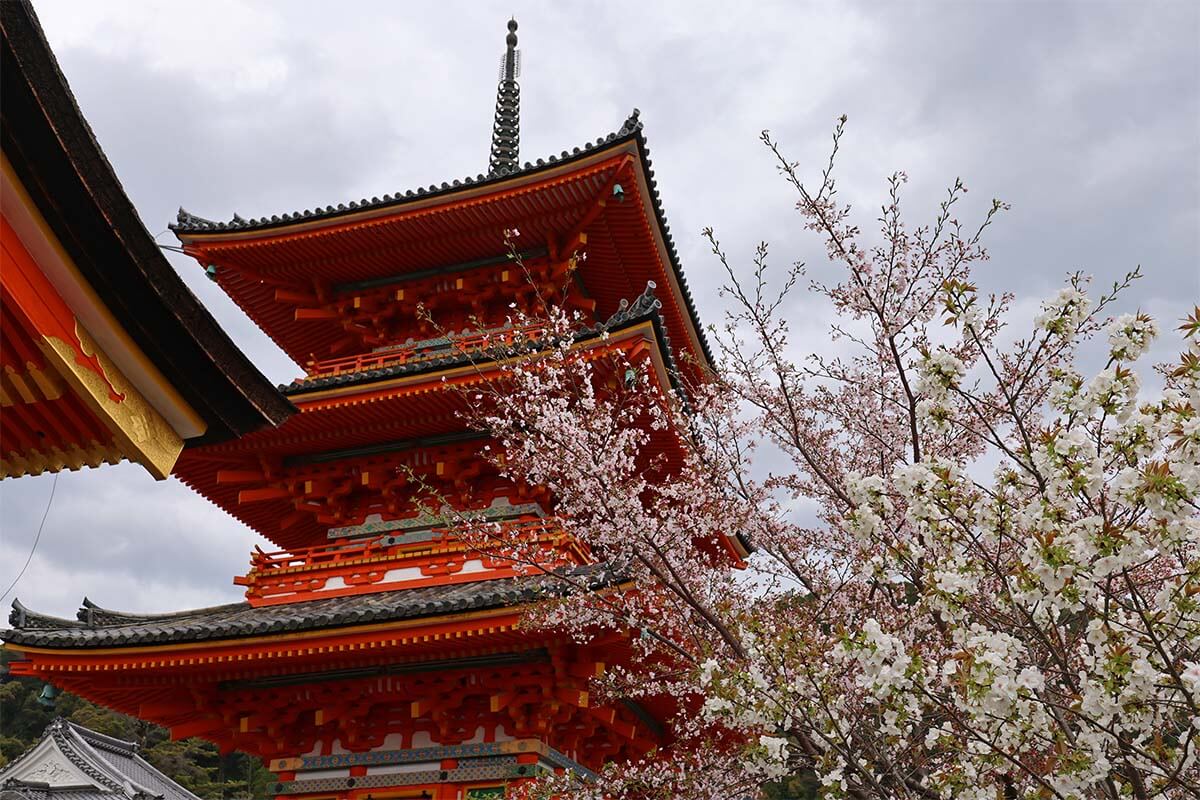
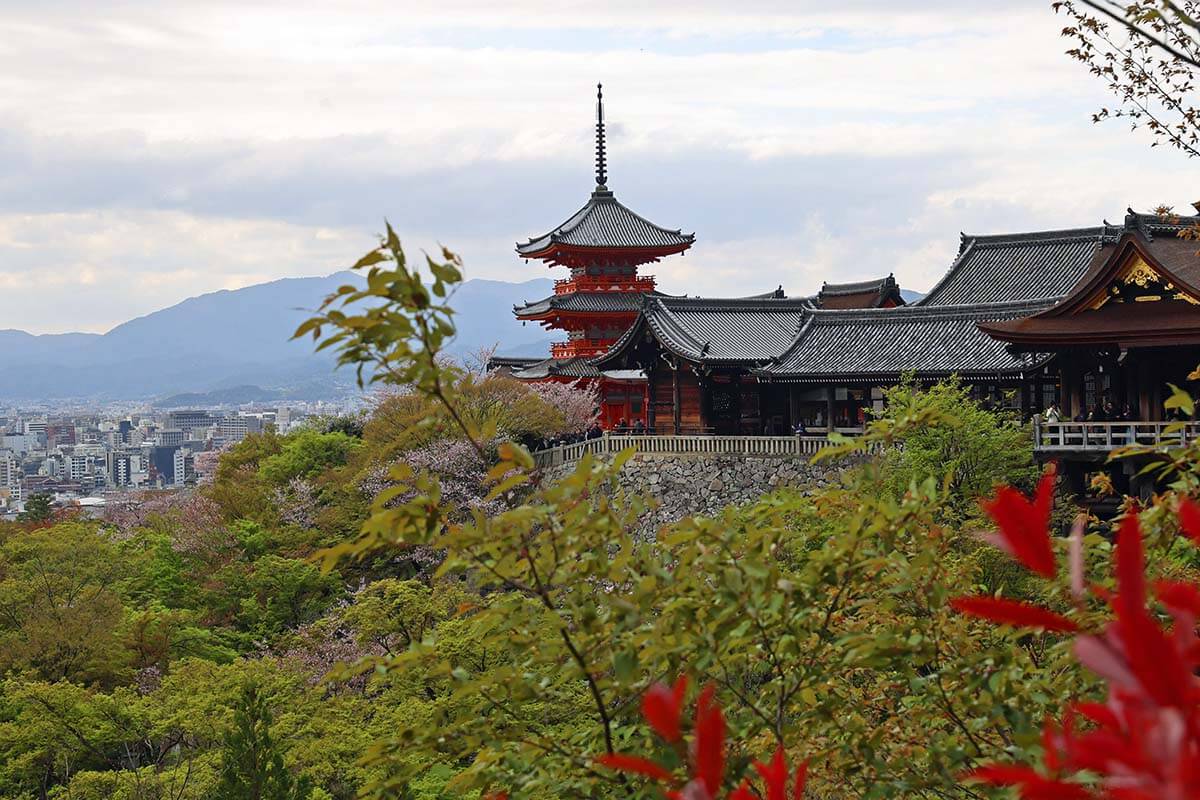
Good to know: This is one of the busiest areas in Kyoto. The old streets are beautiful, but during the day they are absolutely packed with tourists, souvenir shops, and people taking pictures in rented kimonos.
If you want quieter streets and better photos, come (back) here very early in the morning or later in the evening. Just keep the temple’s opening hours in mind if you plan to visit Kiyomizu-dera.
Dinner & Shopping in Downtown Kyoto
In the early evening, we walked back toward the downtown shopping area around Shijō Kawaramachi.
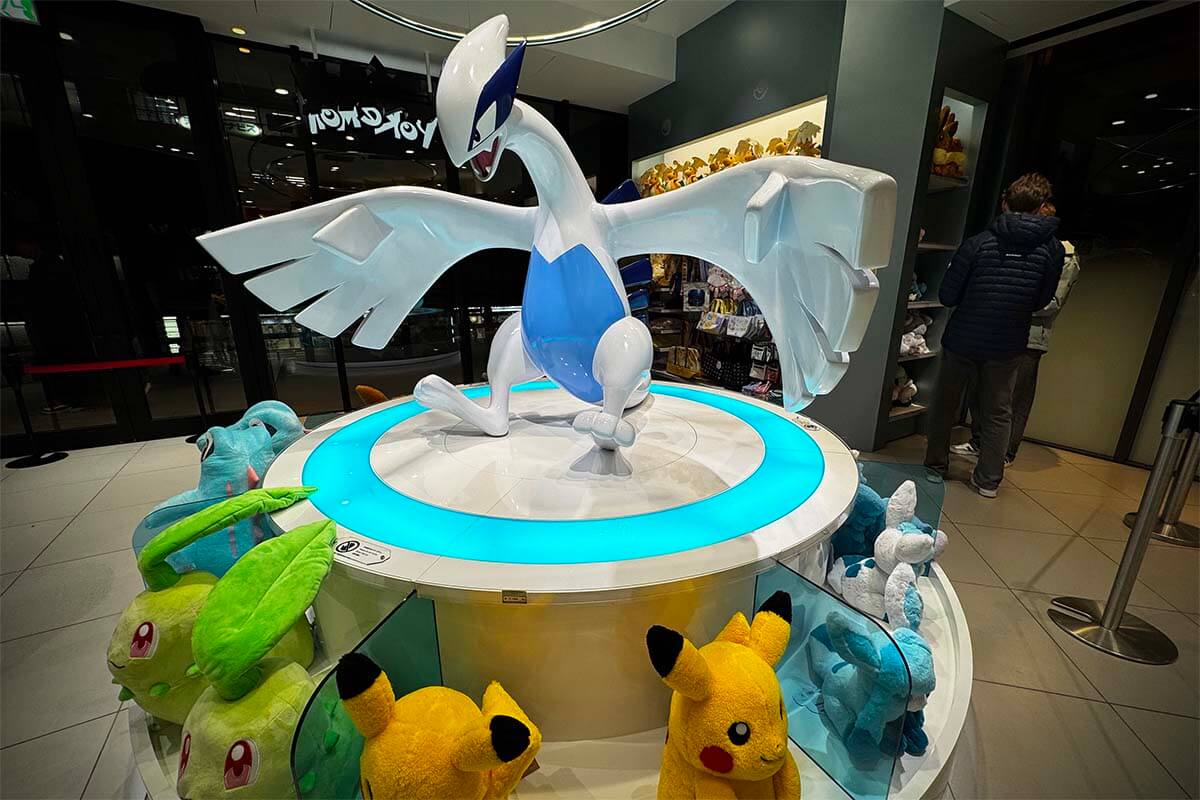
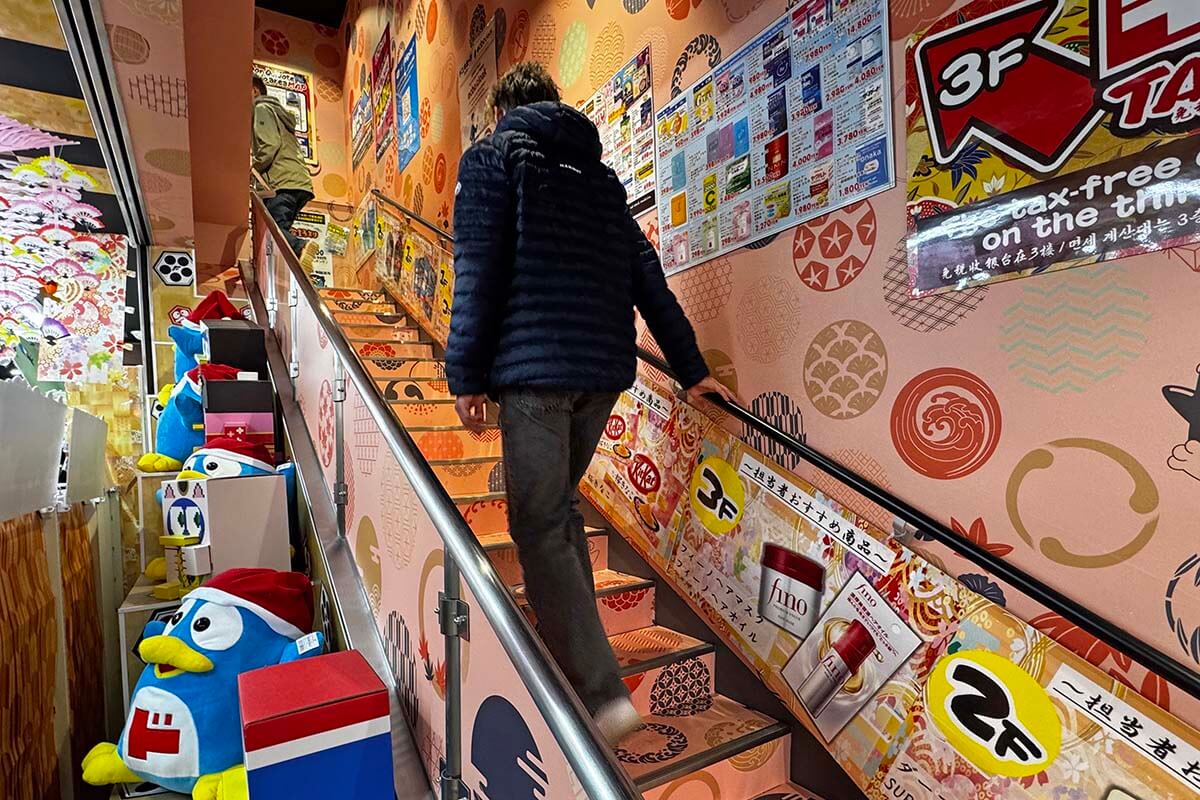
Our teens loved this part of Kyoto. There are huge department stores, countless arcades, anime shops, claw machines, and stores like KIDDY LAND, Pokémon Center Kyoto, and Don Quijote, a Japanese discount chain that seems to sell just about everything imaginable.
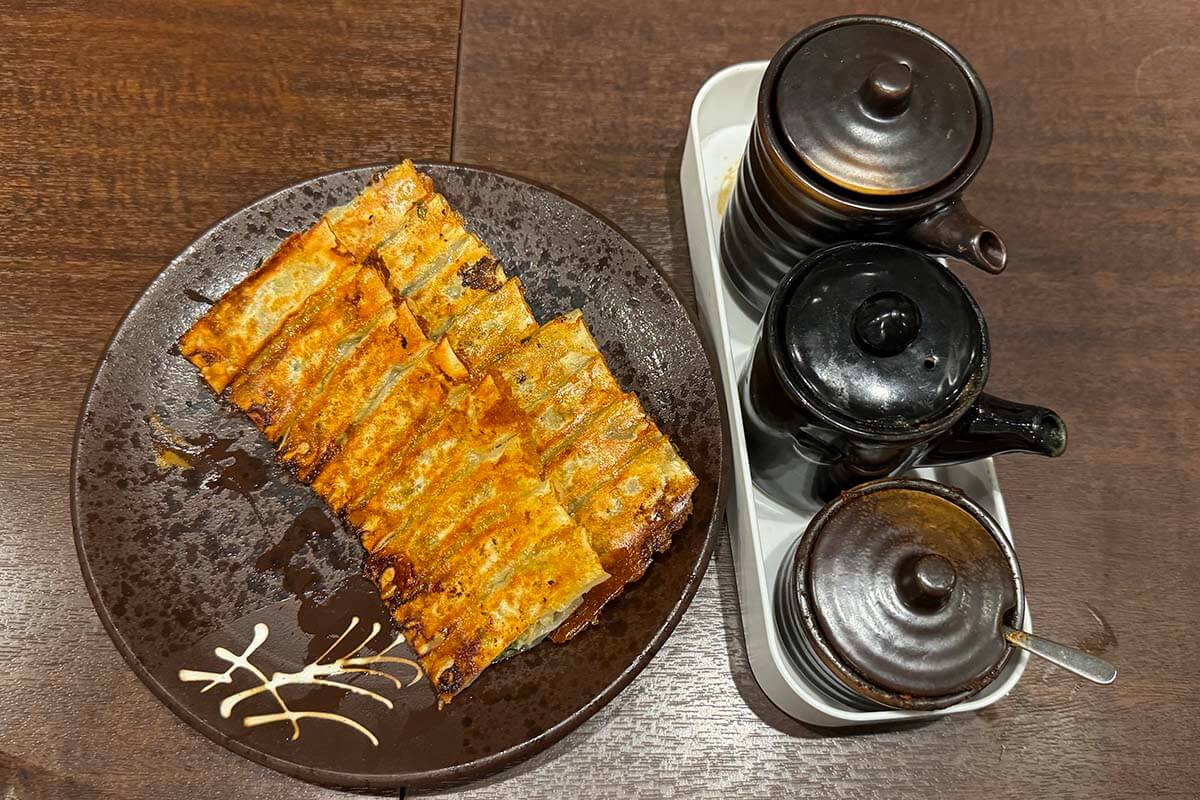
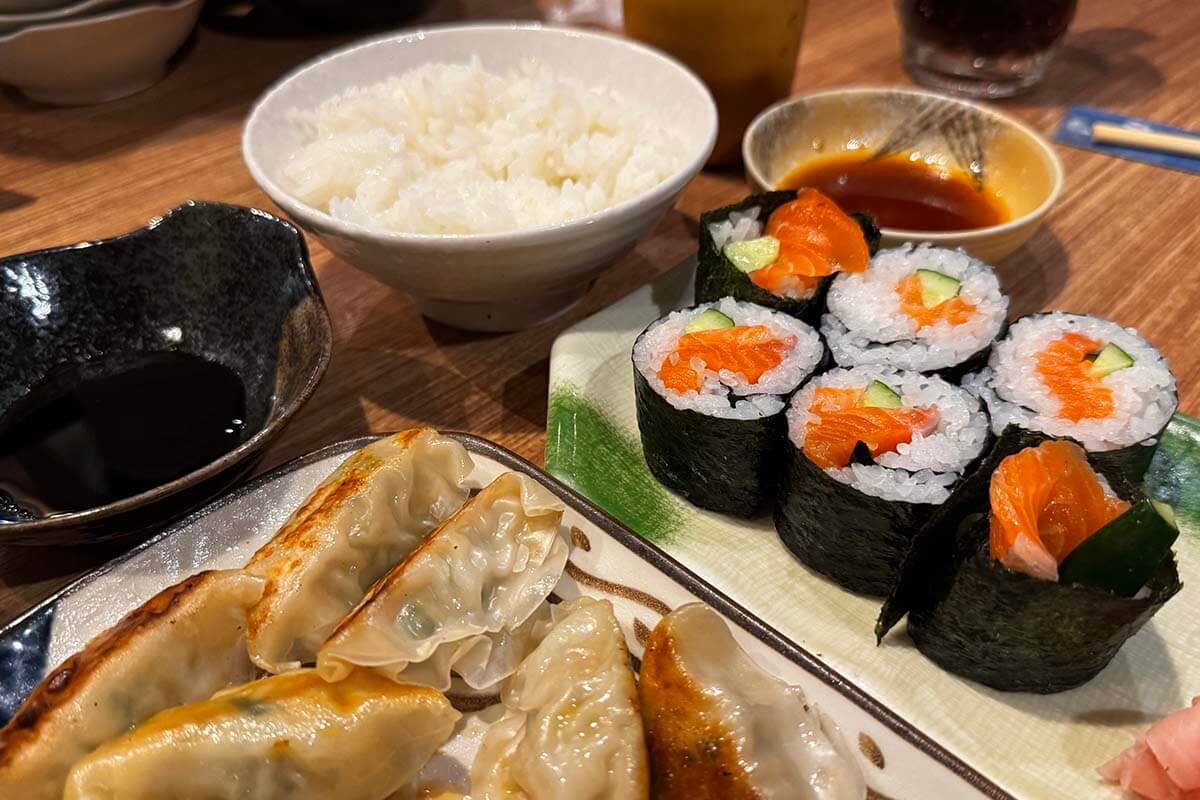
For dinner, we went to Chao Chao Gyoza near Shijo Kawaramachi. This tiny restaurant is famous for its dumplings and often has long lines outside. We ended up waiting around 50 minutes, which wasn’t too bad by local standards. The gyoza were excellent, but if I’m completely honest, the ones we had on our food tour earlier that day were just as good, and we didn’t have to queue for them.
Day 2: Arashiyama, Golden Temple & Northwest Kyoto
This day focuses on a completely different side of Kyoto, combining the popular Arashiyama district with some of the city’s most famous temples and a few lesser-known places that ended up being among our favorites. It includes the bamboo grove, Otagi Nenbutsu-ji, Tenryu-ji, the monkey park, Ryōan-ji, Kinkaku-ji, and Kitano Tenmangu.
We didn’t book anything in advance for this day and got around mostly by taxi. Public transportation also works well, but taxis saved us a lot of time and walking.
Arashiyama Bamboo Grove
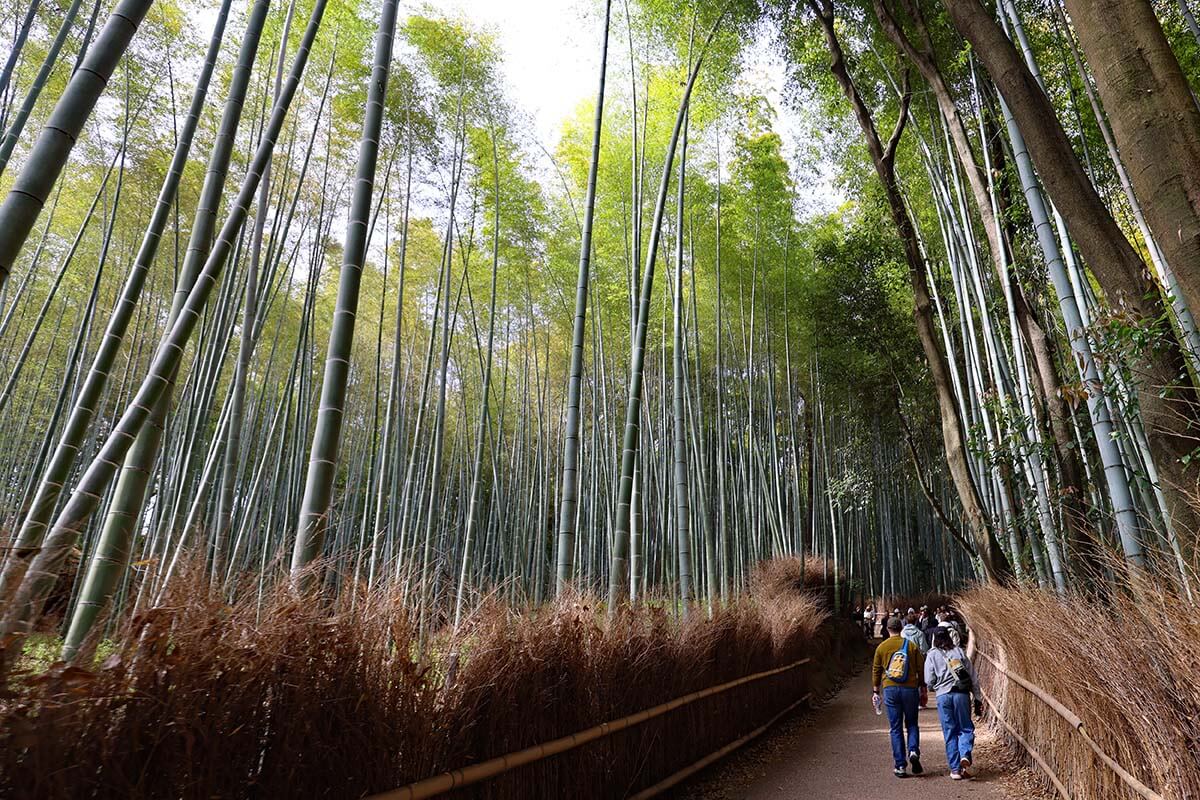
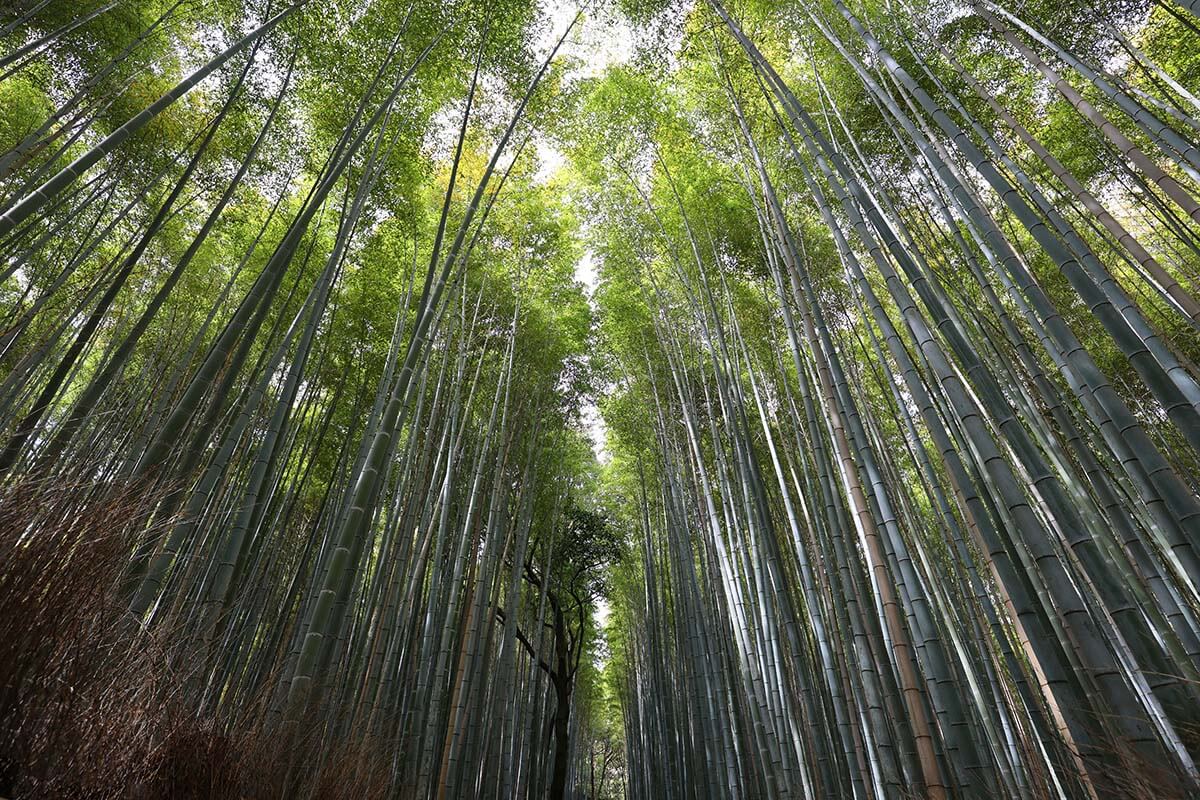
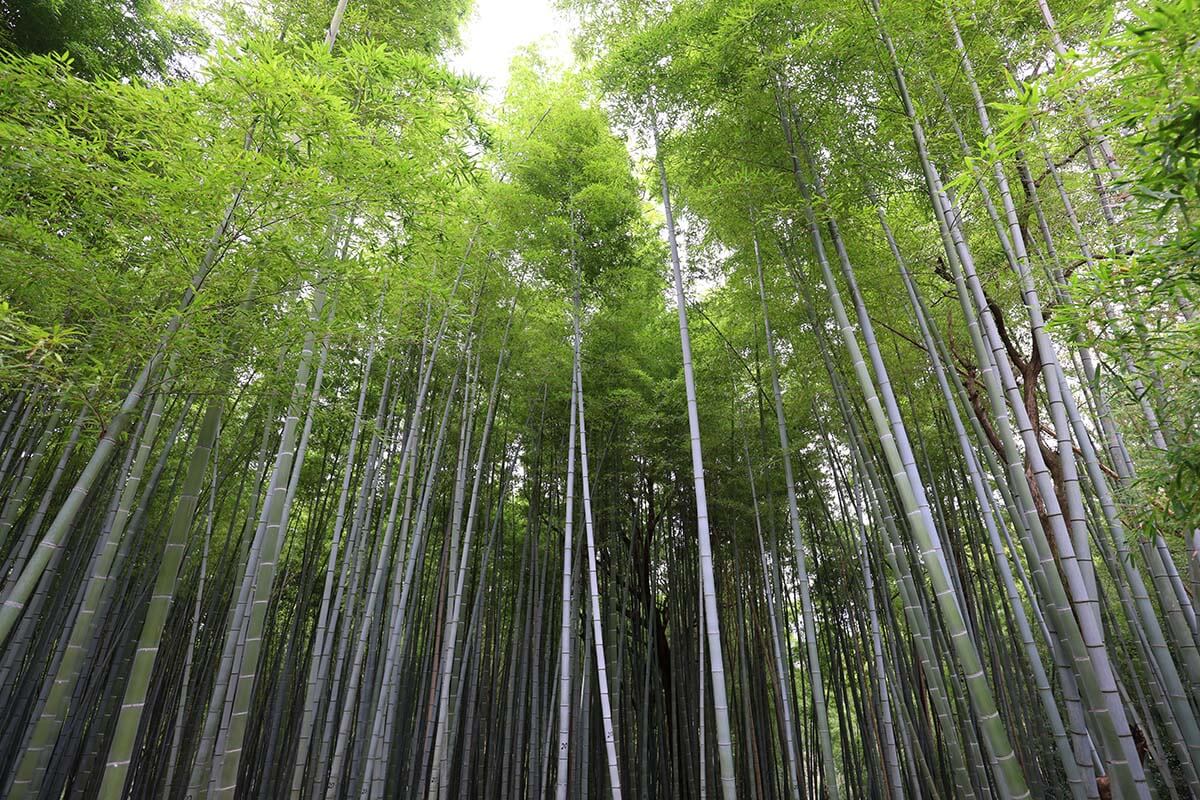
Arashiyama Bamboo Forest is one of the most popular tourist attractions in Kyoto, and it gets extremely crowded during the day. If you want to experience it almost empty, you’ll have to come at sunrise.
We wanted to see it before the biggest crowds arrived, but since most nearby temples and attractions don’t open before 9 AM, arriving much earlier wouldn’t really have made much sense for this itinerary. So we aimed to get here around 8:30 AM.
At that time, the bamboo grove was still relatively quiet and easy to walk through, but it quickly got a lot busier. The ‘forest’ is quite small and you can walk through it in just a few minutes. We spent about 15-20 minutes here and even managed to take a few family pictures without other people in them.
If I’m completely honest, none of us were overly impressed by the bamboo grove. It’s definitely nice to see, but I’m also glad we didn’t wake up at the crack of dawn just for this. The next stop on our itinerary, on the other hand, was our favorite of all the places we visited in this part of Kyoto.
Otagi Nenbutsu-ji & Saga-Toriimoto Preserved Street
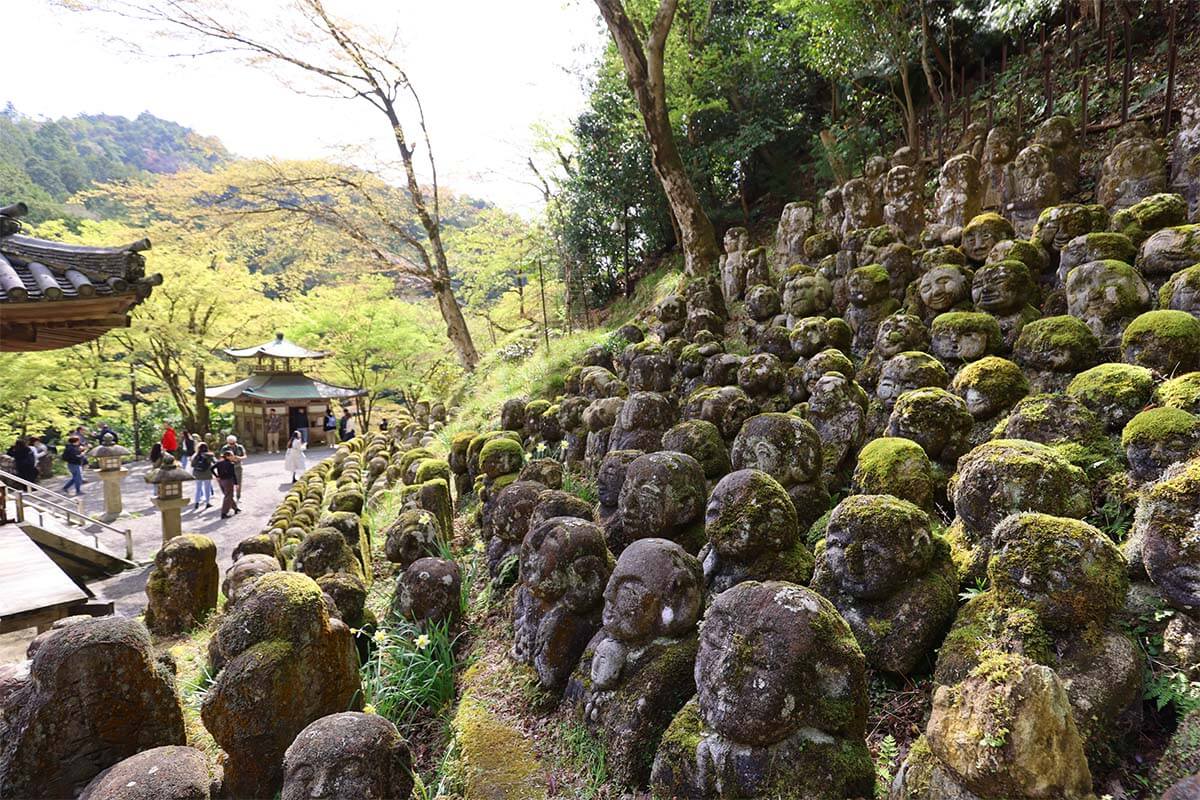
Otagi Nenbutsu-ji is a small temple a few kilometers north of the main tourist areas of Arashiyama and somewhat of a hidden gem. I found it completely by coincidence while planning our trip, and I’m really glad we made the detour. It’s one of the most unique places we visited in Japan.
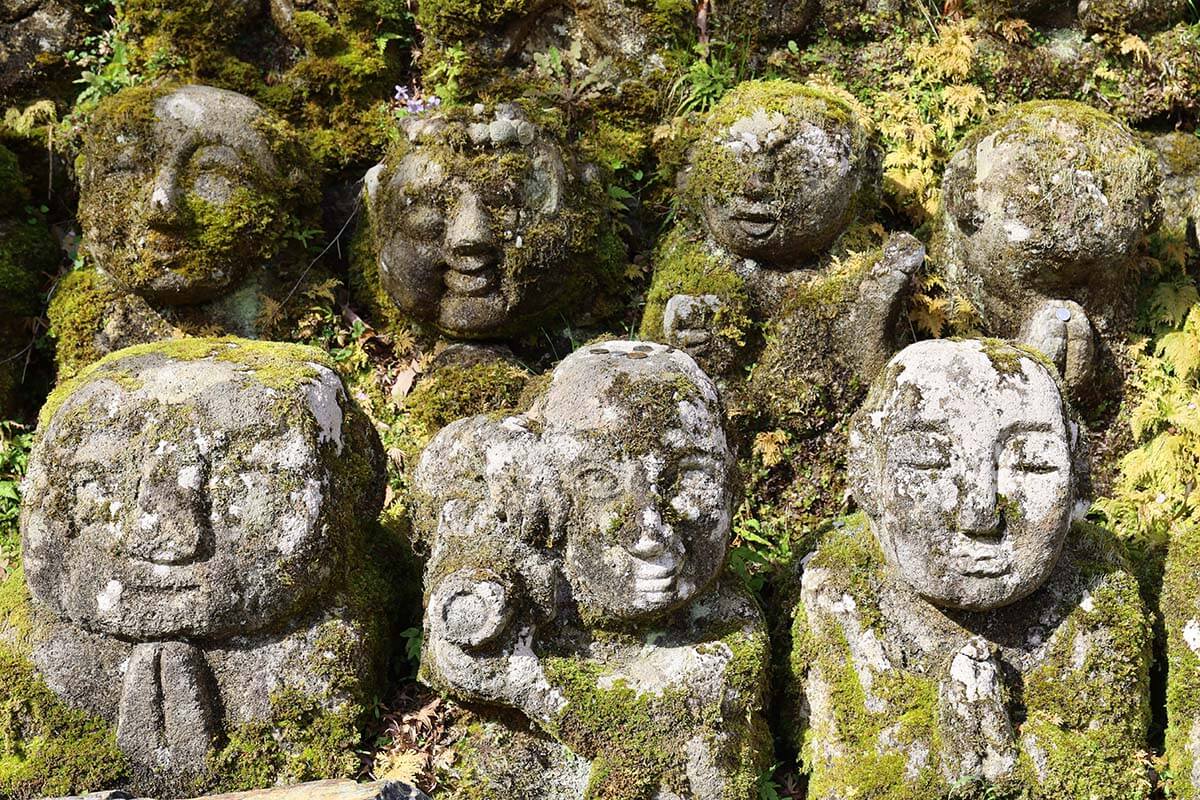
The temple is famous for hundreds of quirky stone statues, all with different expressions and poses. At first, we thought they must be really old, until we saw a few statues with sunglasses and photo cameras… It felt much more relaxed and fun than most other temples, and our teens really liked it too. We spent about 20 minutes here.
Good to know: The temple is not open every day, so be sure to check the schedule before your visit. You can get there by bus from Arashiyama, but a taxi is much quicker and very affordable.
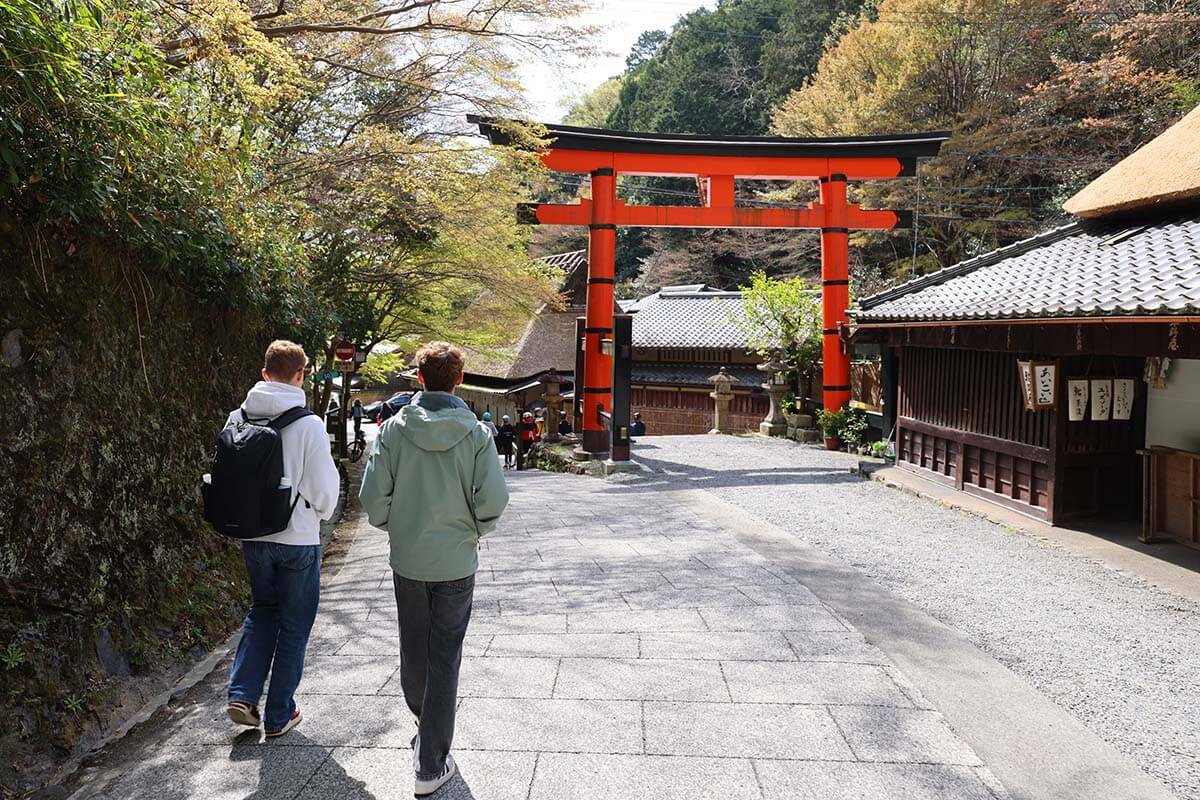
Afterward, we walked back down to Arashiyama via Saga-Toriimoto Preserved Street, a beautiful old village street lined with traditional wooden buildings, small shrines, souvenir shops, and local restaurants.
The walk back to Arashiyama took about 30 minutes with several photo stops along the way. Since it was still early in the morning, the area was wonderfully quiet and felt completely different from the busy tourist spots nearby.
The route eventually brought us back to the bamboo grove, which by then was absolutely packed with people. So while it would be simpler to visit the temple first and the bamboo forest afterward, we were really glad we started at the bamboo grove earlier in the morning instead.
Tenryu-ji & Togetsukyo Bridge
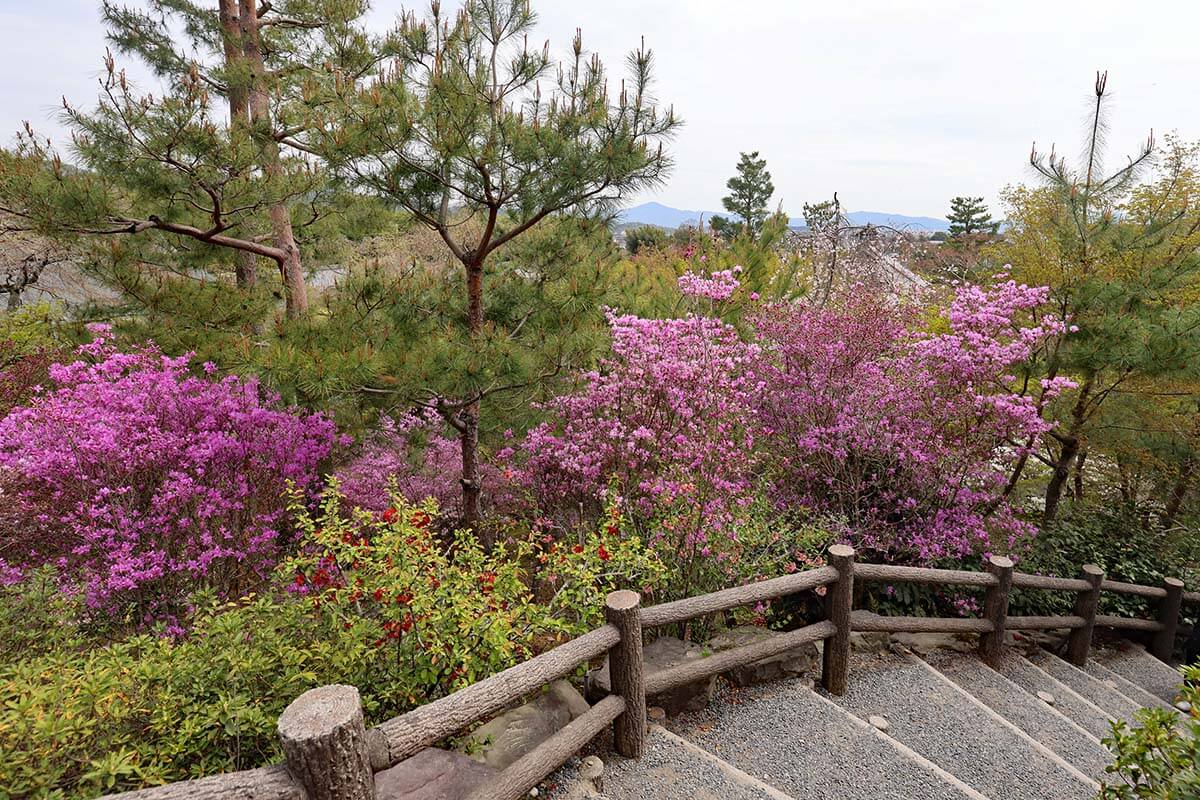
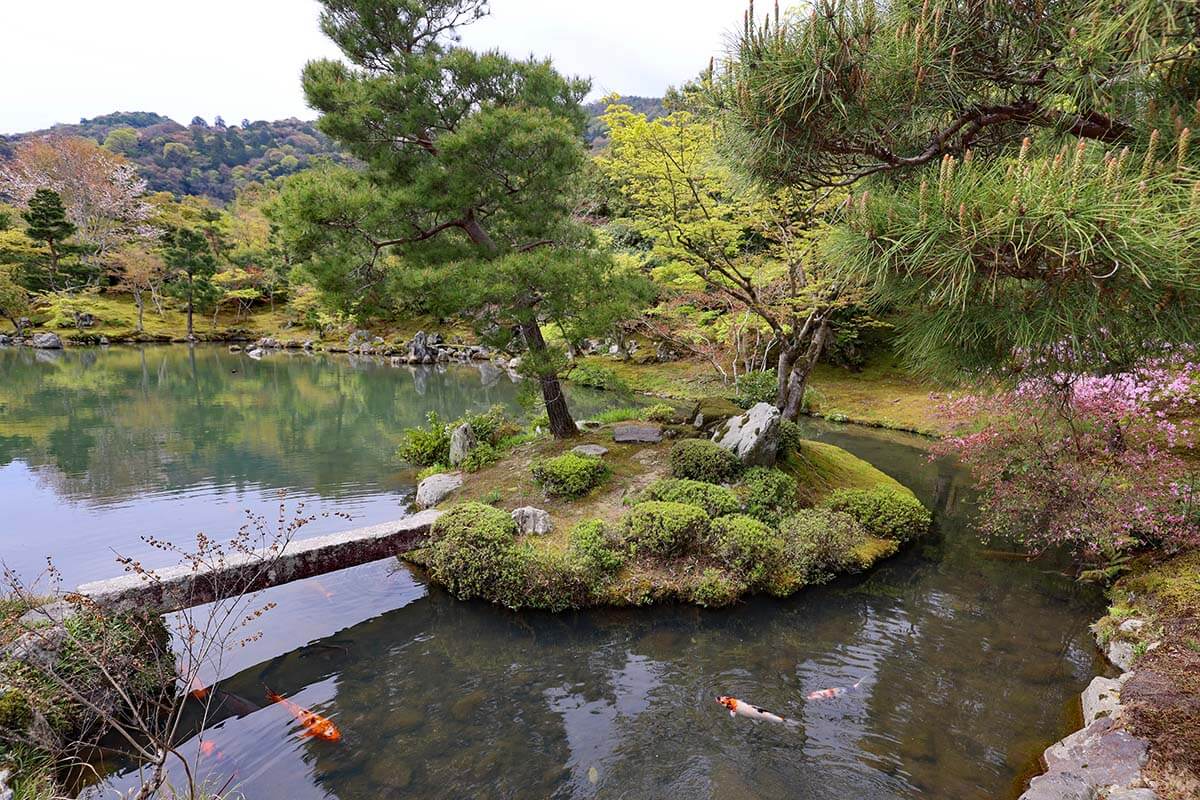
Tenryu-ji, just near the bamboo grove, is one of Kyoto’s most important Zen temples and a UNESCO World Heritage Site. While the temple buildings themselves are nice, the real highlight for us was the landscaped garden with lovely mountain views in the background.
We arrived around 10:15 AM and spent about 30 minutes here, mostly walking through the gardens and enjoying a quieter atmosphere for a while.
From there, we crossed Togetsukyo Bridge toward the monkey park side of the river.
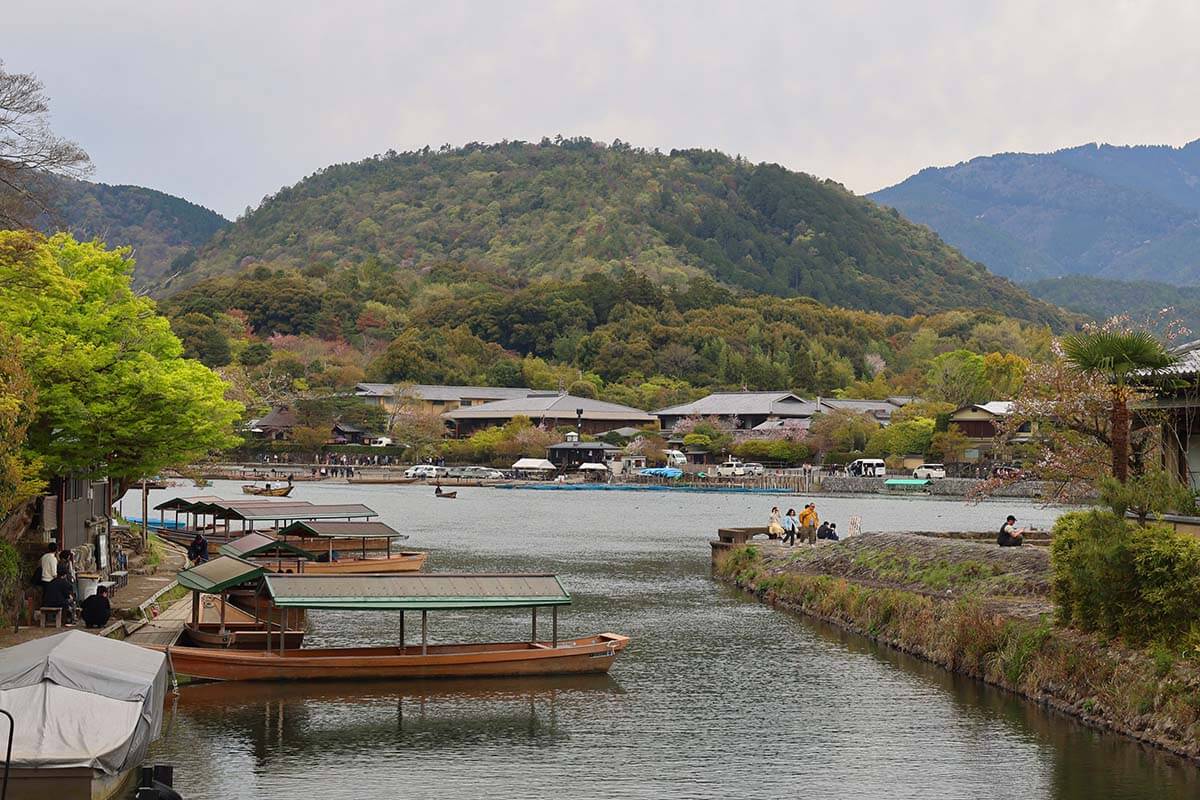
By the bridge, you’ll find several small sightseeing cruises and traditional boat rides. From what we saw while researching and later in person, the scenery along this particular stretch didn’t look very spectacular. If you want to see the nicest part of the Hozugawa River and do something adventurous, you can travel a bit further west and join a rafting tour.
Arashiyama Monkey Park Iwatayama
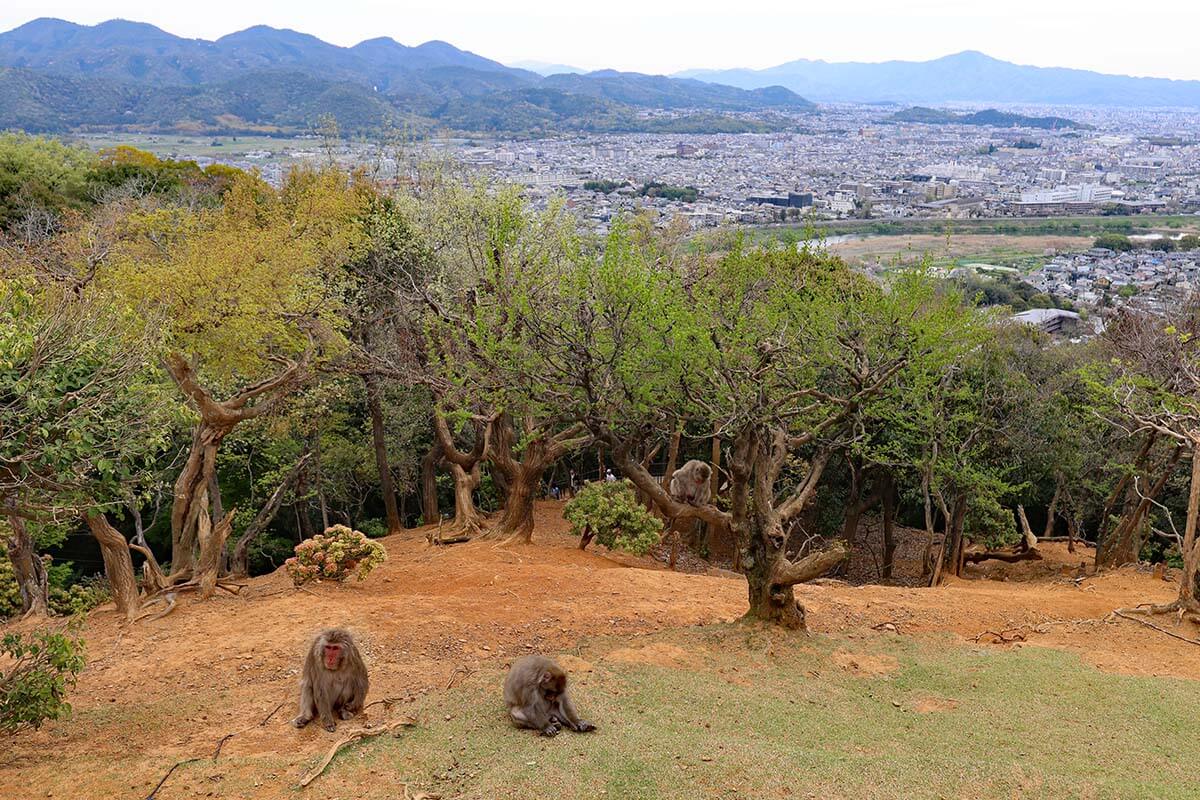
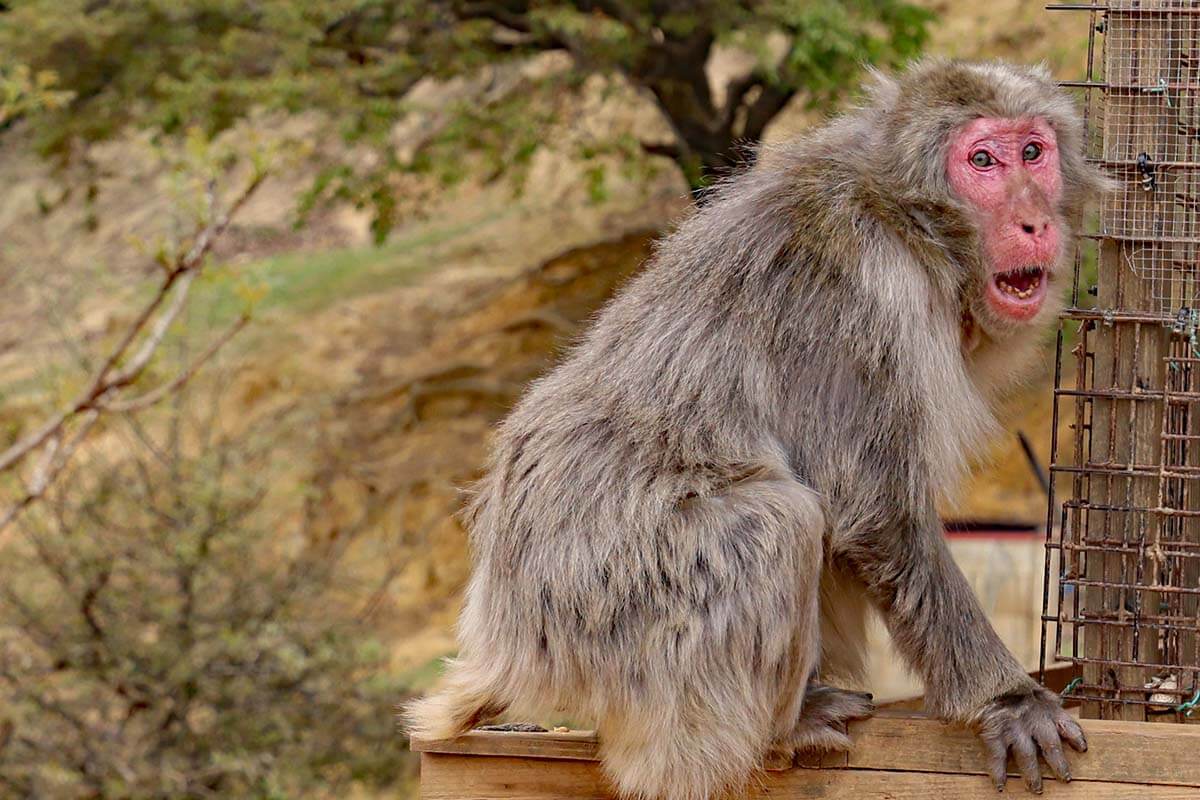
Iwatayama Monkey Park is famous for the wild Japanese macaque monkeys living on the mountain above Arashiyama. The monkeys roam freely around the top viewing area, and you can see them surprisingly close.
The visit is fun and quite different from Kyoto’s temples and shrines, but it’s also more physically demanding than many people expect. The uphill walk takes about 15-20 minutes each way and is fairly steep. We visited in spring, and it was manageable, but I wouldn’t want to do this climb in very hot or humid weather.
At the top, you get panoramic views over Kyoto and the chance to observe the monkeys up close. There’s also a small feeding area where visitors can feed the monkeys from inside a fenced hut, which is likely the most entertaining part of the visit for kids.
Good to know: If you don’t feel like hiking uphill, this is the easiest stop to skip on this itinerary, and it can save you quite some time. We spent about 50 minutes here in total, but there was almost no line when we arrived. By the time we came back down, the entrance queue was extremely long and could easily have doubled the visit time.
Lunch
If you want to sit down for lunch, you’ll find plenty of restaurants and cafés around Arashiyama. None of us were particularly hungry by this point, so we just grabbed a few snacks and continued sightseeing.
Your afternoon timing will depend on how long you spend in Arashiyama, where you stop for lunch, and whether you use taxis or public transport. It also helps to decide in advance whether you want to visit Nijo-jo Castle or focus on the Golden Temple area.
Good to know: The main highlights for this afternoon are Kinkaku-ji (the Golden Temple) and Nijo-jo Castle. Both usually close around 5 PM, with last entry around 4 PM. If you want to visit both on the same day, you may need to skip some of the smaller sights like Ryōan-ji and/or Kitano Tenmangu.
Ryōan-ji
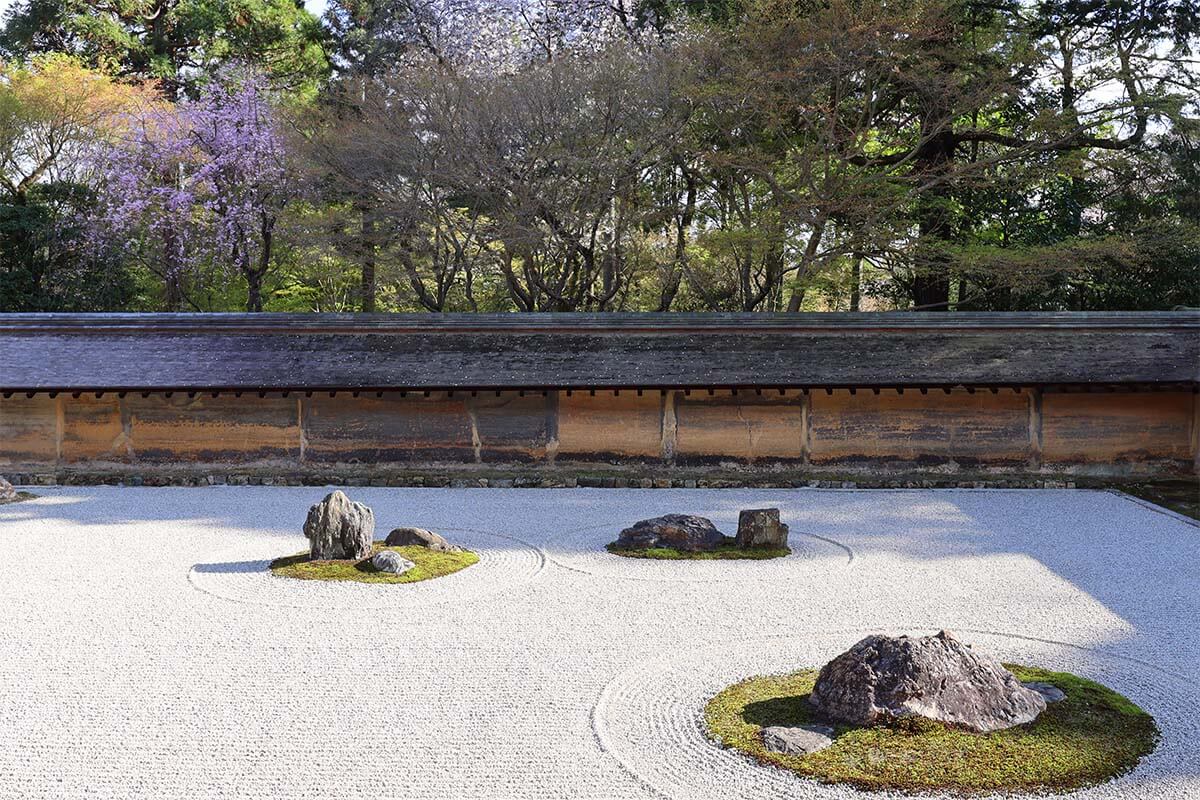
From Arashiyama, we continued to Ryoan-ji (the Temple of the Dragon at Peace).
This Buddhist temple is best known for its Zen rock garden, one of the most famous rock gardens in Japan. The garden consists of 15 carefully placed stones surrounded by raked white gravel. One of its most intriguing features is that, no matter where you stand, you can never see all 15 stones at the same time. The simple design has inspired countless interpretations over the centuries.
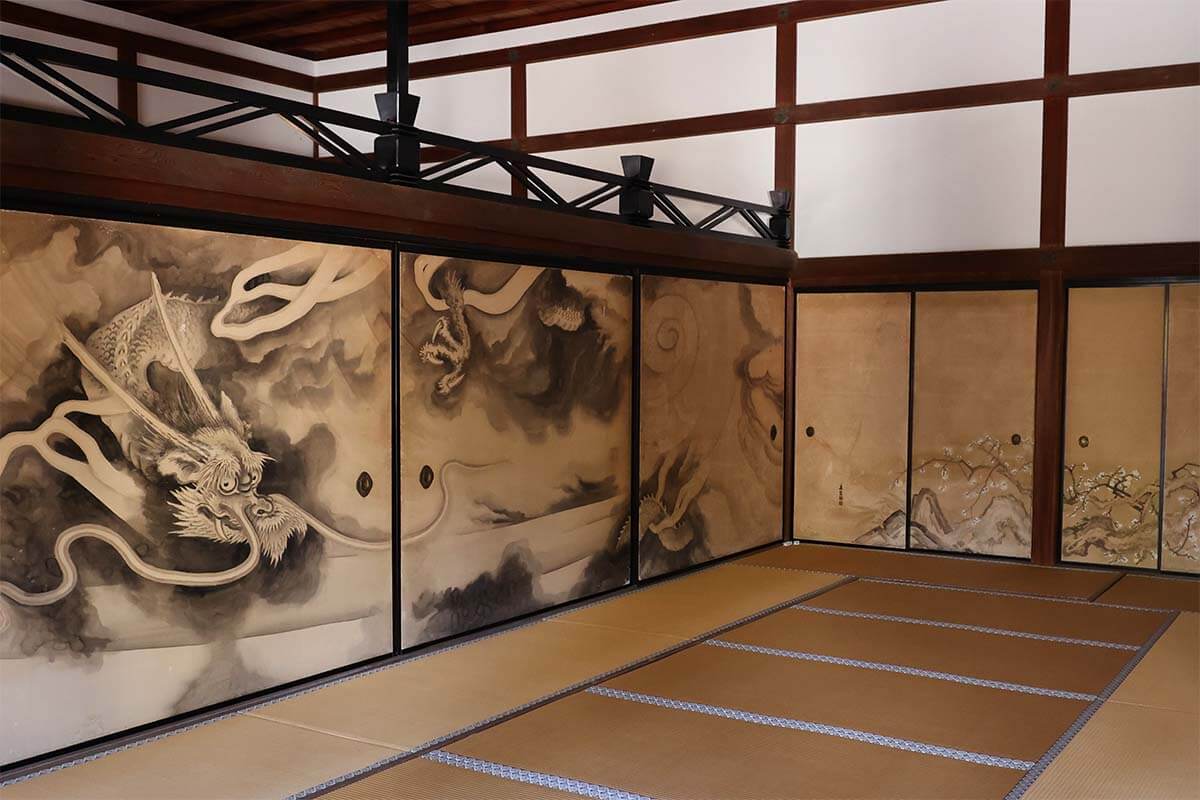
We also really enjoyed the quieter walking paths and gardens around the temple. The atmosphere here felt calm and peaceful, a welcome contrast to some of Kyoto’s busiest sights. We spent about 40 minutes here.
Kinkaku-ji
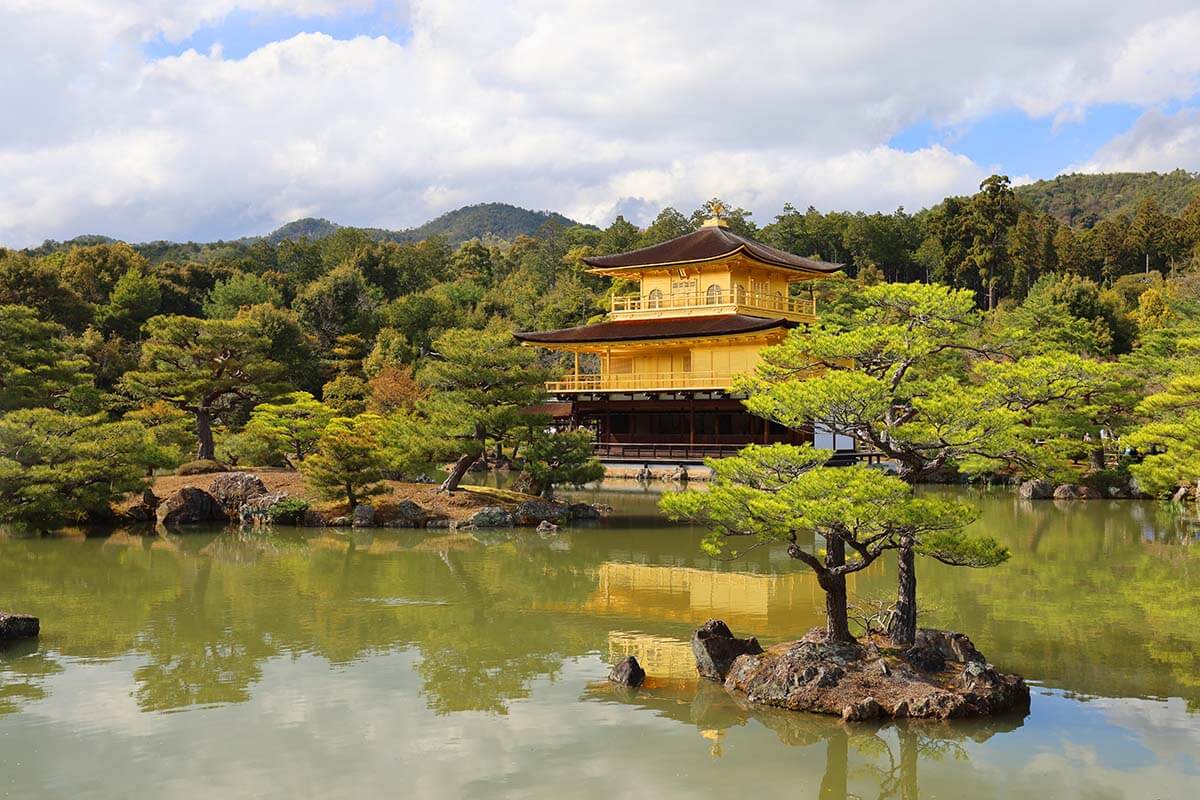
From Ryōan-ji, it’s about a 15-20 minute walk to Kinkaku-ji, Kyoto’s famous Golden Temple.
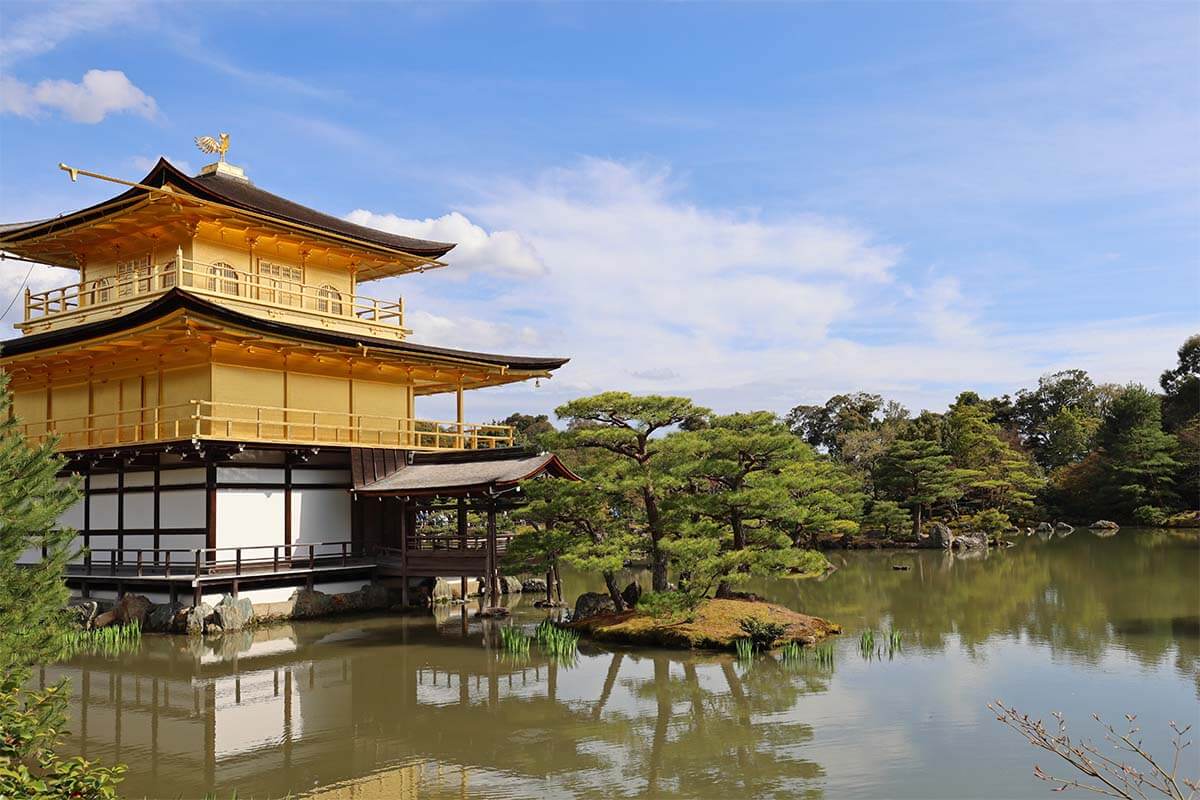
The temple is best known for its striking gold-covered pavilion reflected in the pond below. You can’t go inside the building, but follow a walking path around the pond and through the temple grounds, with several viewpoints along the way. It’s incredibly photogenic and looks just as impressive in real life as it does in pictures.
This was one of the most impressive temples we visited in Japan and a definite must in any Kyoto itinerary. It’s also one of the busiest places, but because the visit itself is fairly short, the crowds didn’t bother us too much. We spent about 30 minutes here.
Kitano Tenmangū
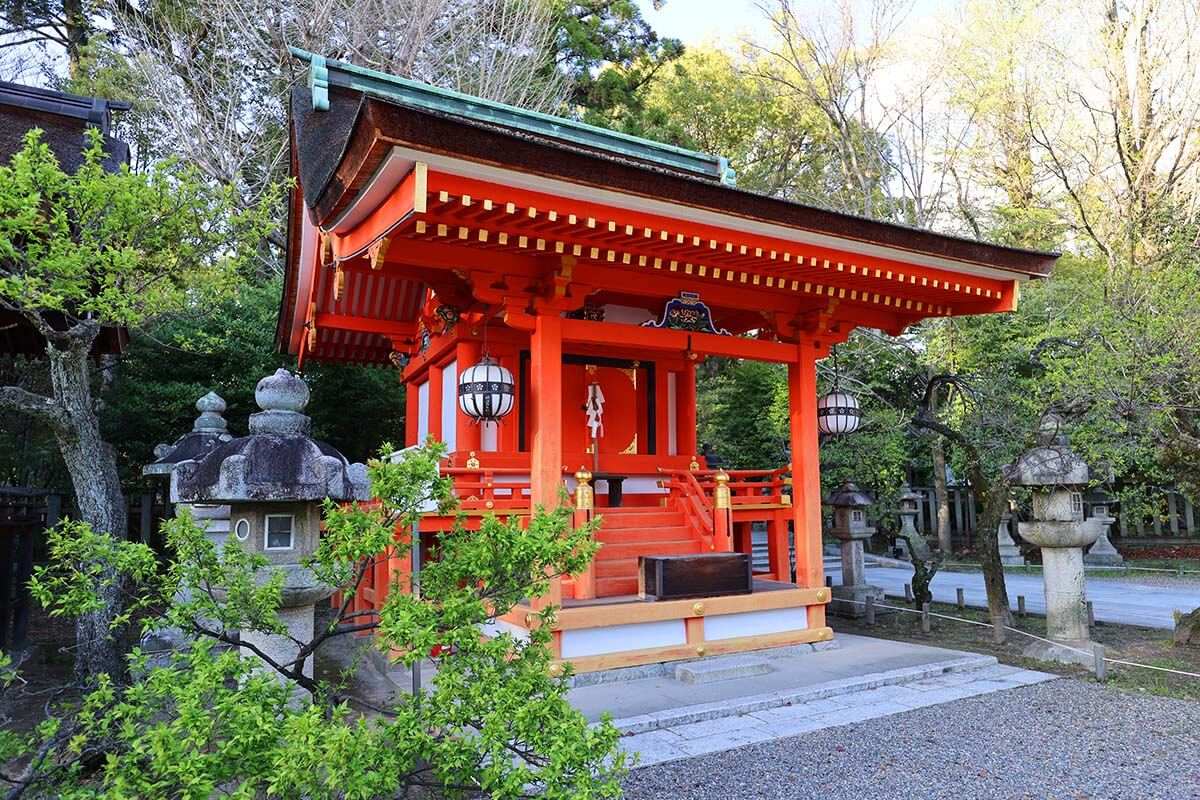
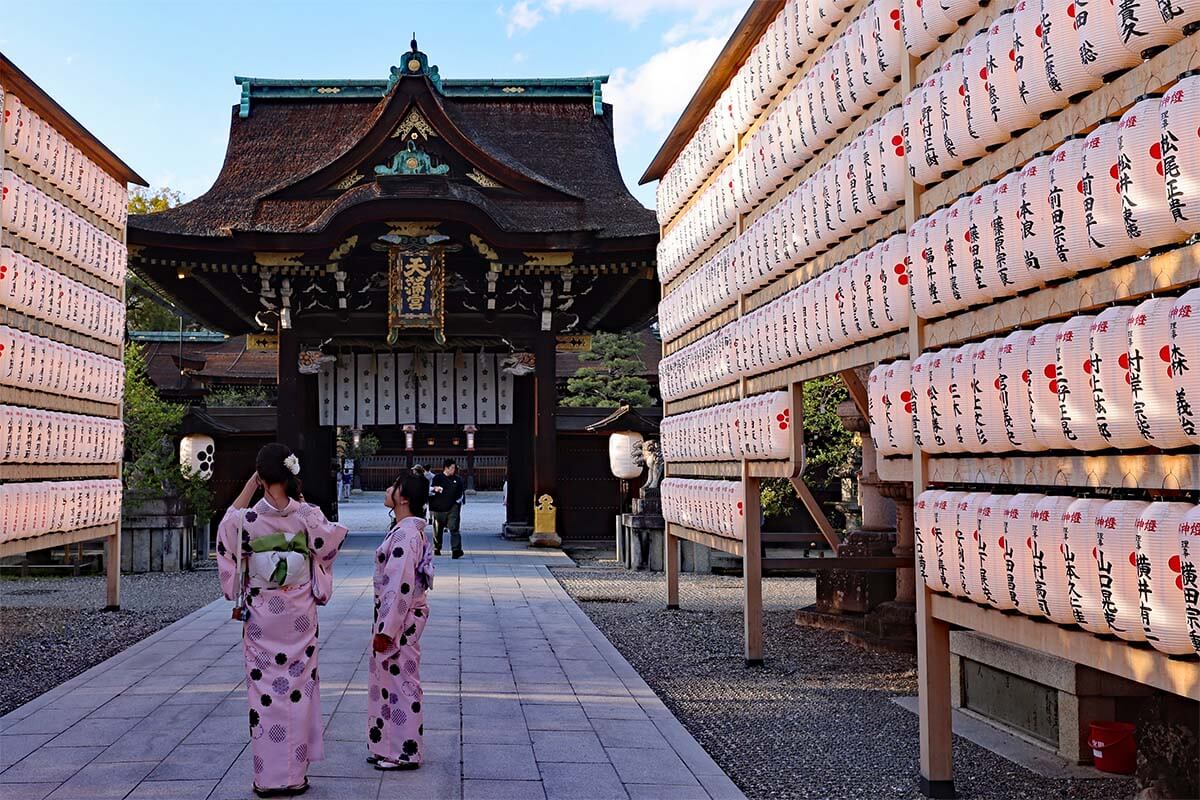
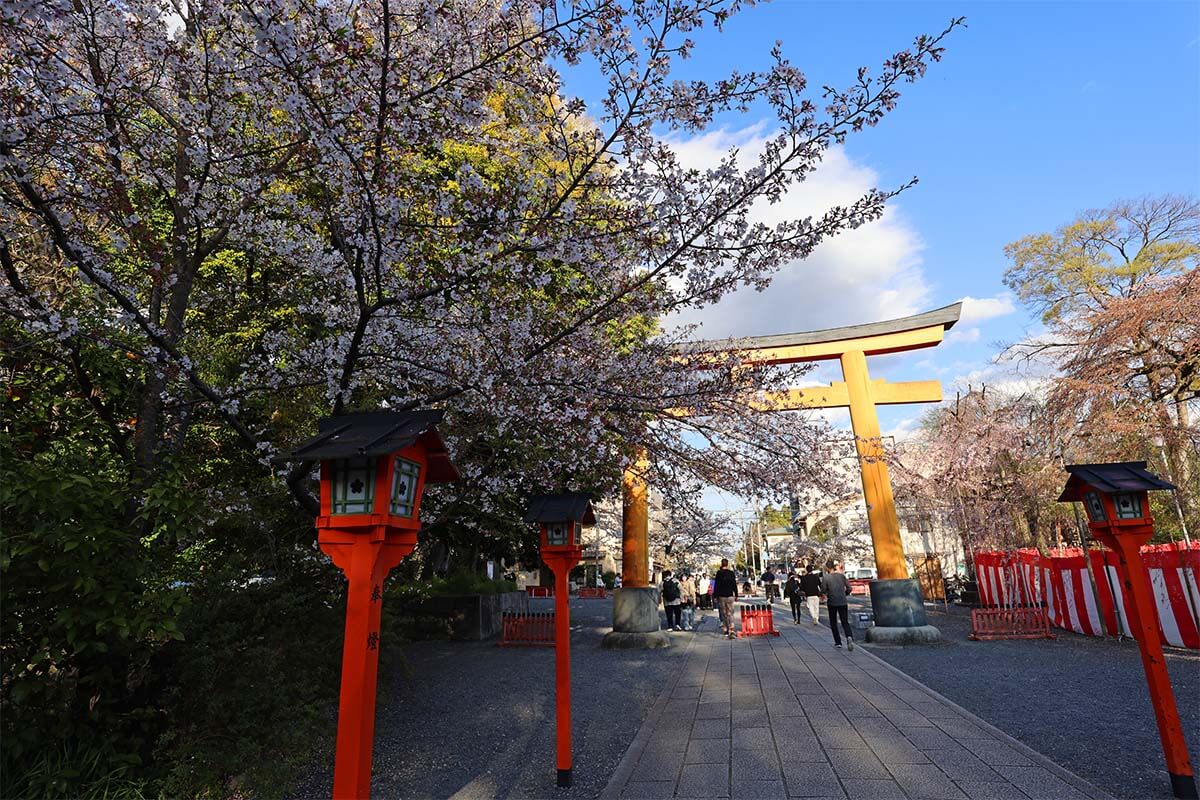
From Kinkaku-ji, we walked to Kitano Tenmangu, passing Hirano Shrine along the way. The shrine grounds were beautifully decorated with blooming cherry trees. The walk itself took about 20 minutes and gave us a glimpse of a much more local side of Kyoto.
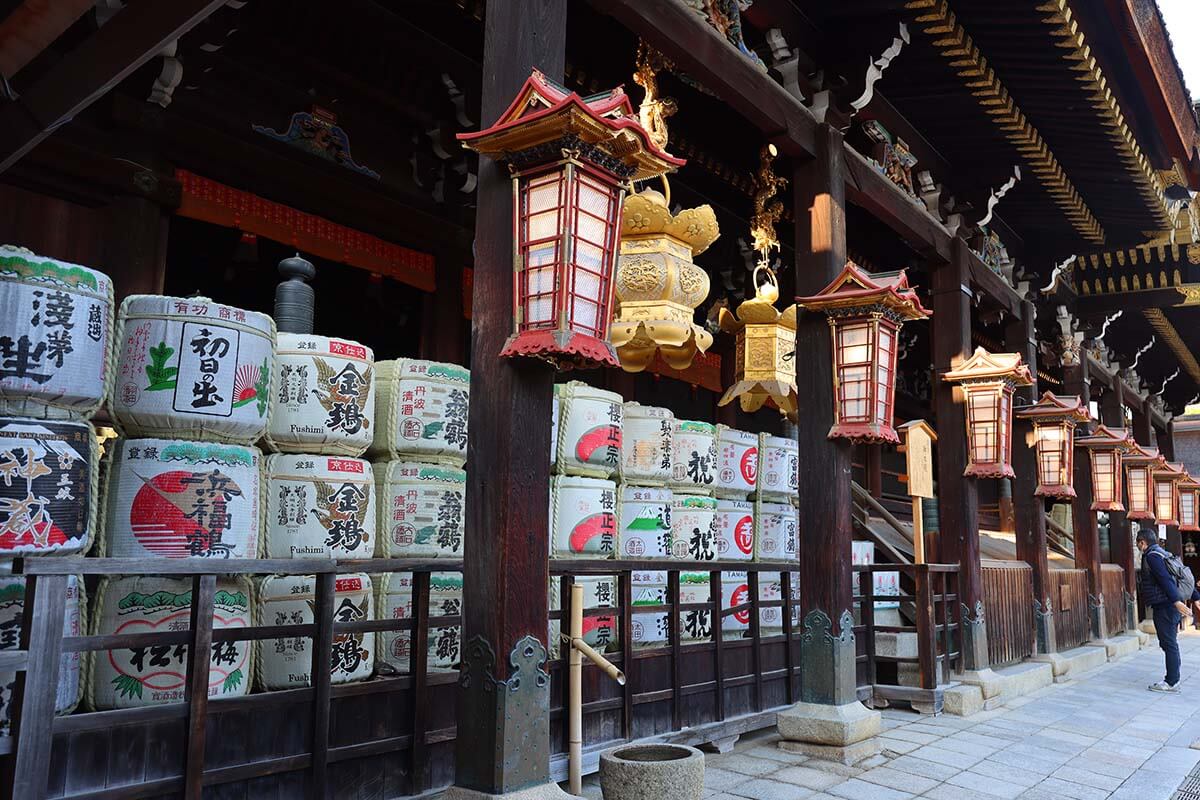
Kitano Tenmangu is one of Kyoto’s most important shrines and is known for its traditional architecture, beautiful lanterns, and seasonal gardens. Despite being so close to the Golden Temple, there were hardly any tourists here when we visited.
The shrine is also nice in the evening when the lanterns are lit. It’s also famous for its plum blossoms, which usually bloom in early spring. During plum blossom season, there are often special events, evening illuminations, and extended opening hours.
All in all, we spent about 45 minutes for this detour, including the walk from the Golden Temple. I highly recommend it if you want to get a bit off the beaten path from the main tourist sights in Kyoto.
Alternative: Nijo-jo Castle
Depending on the season, opening hours, and your interests, you could also swap Kitano Tenmangu and/or Ryōan-ji for Nijo-jo Castle.
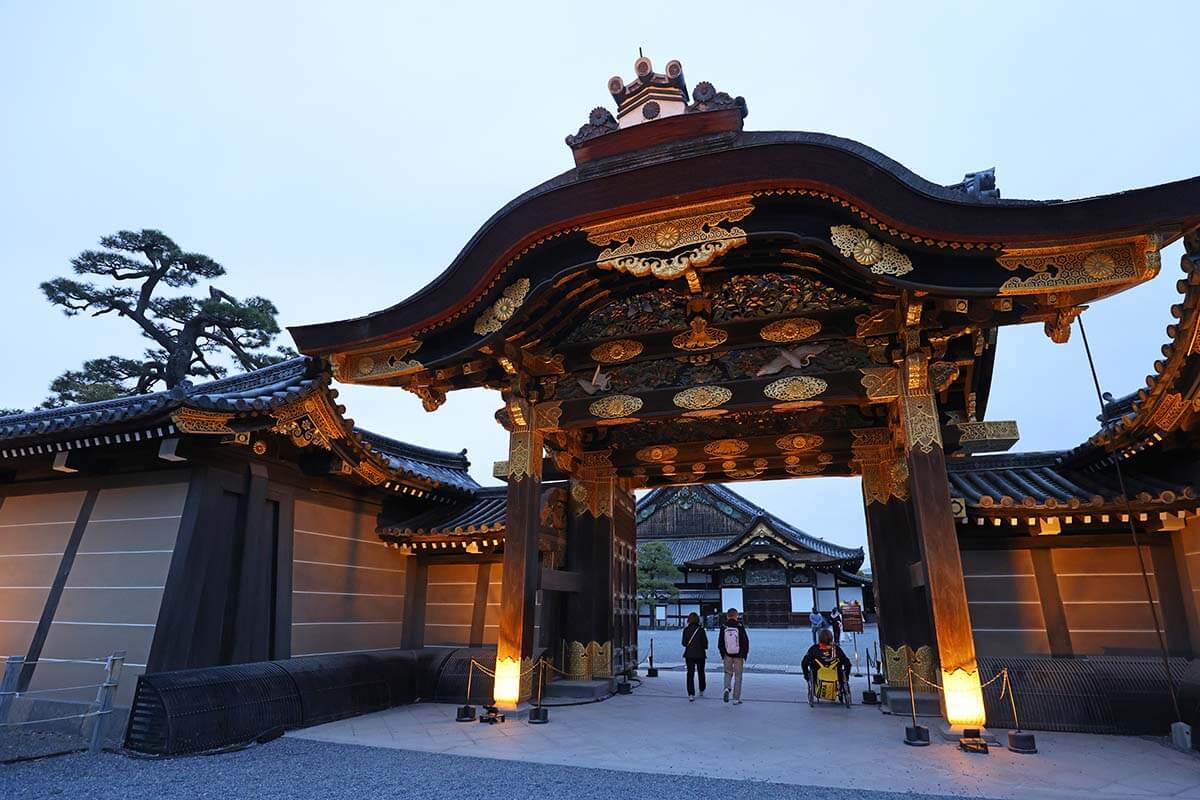
Nijo-jo Castle is one of Kyoto’s most important historic landmarks and a UNESCO World Heritage Site. Unlike Kyoto’s many temples and shrines, it offers a glimpse into Japan’s feudal era and the lives of the shoguns who once ruled the country.
The main highlight is Ninomaru Palace, known for its beautifully decorated rooms and famous “nightingale floors,” which chirp when walked on as a security measure against intruders. The castle grounds are also pretty large, with gardens, stone walls, moats, and several walking paths.
While I wouldn’t consider it an absolute must-see if you only have a few days in Kyoto, it’s definitely worth visiting if you are interested in Japanese history or want something different than temples and shrines.
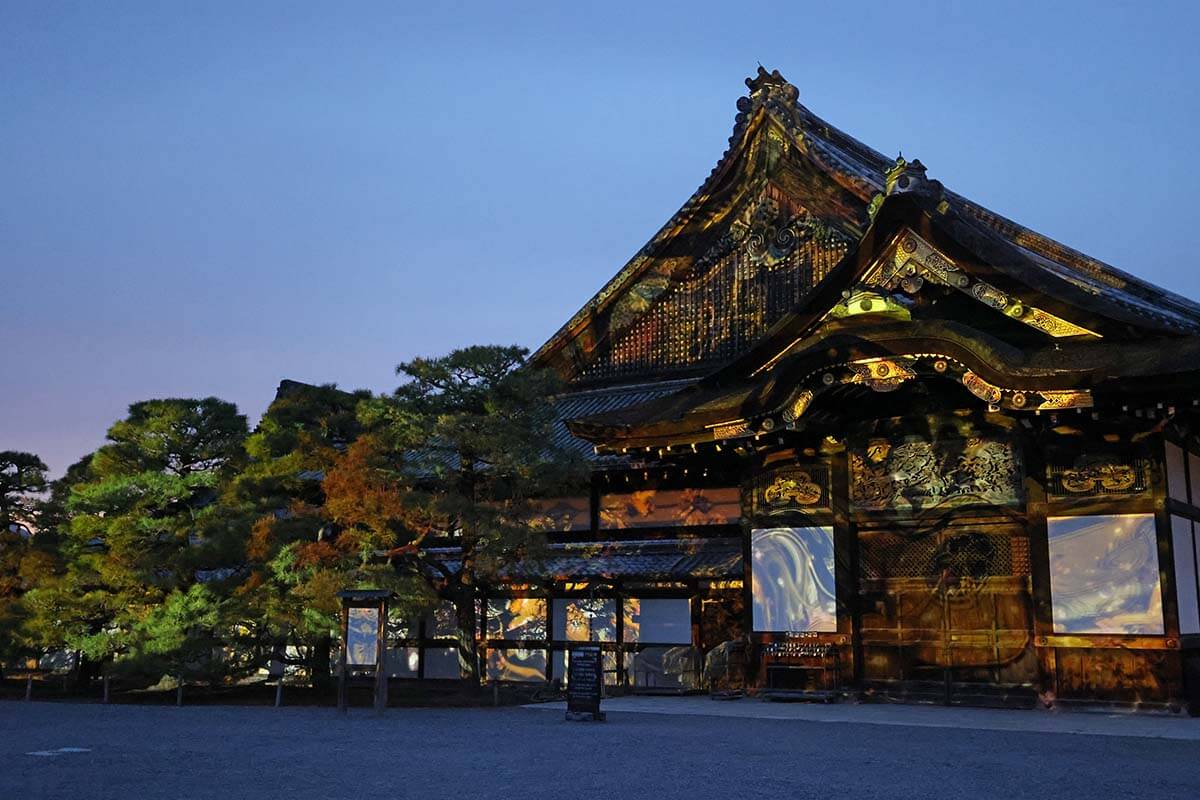
Good to know: Plan at least 1-1.5 hours for a visit. The castle usually closes at 5 PM, with last admission at 4 PM, so keep the timing in mind when planning your day. Because of these opening hours, we hadn’t planned to visit, but noticed the castle was open for a special evening cherry blossom event and decided to stop by.
TIP: If you can’t fit Nijo-jo Castle into this day, it’s easy to visit on another day since it’s relatively close to downtown Kyoto. For example, you could go there instead of the Mipig Cafe on Day 1, or fit it into the afternoon of Day 4.
Dinner
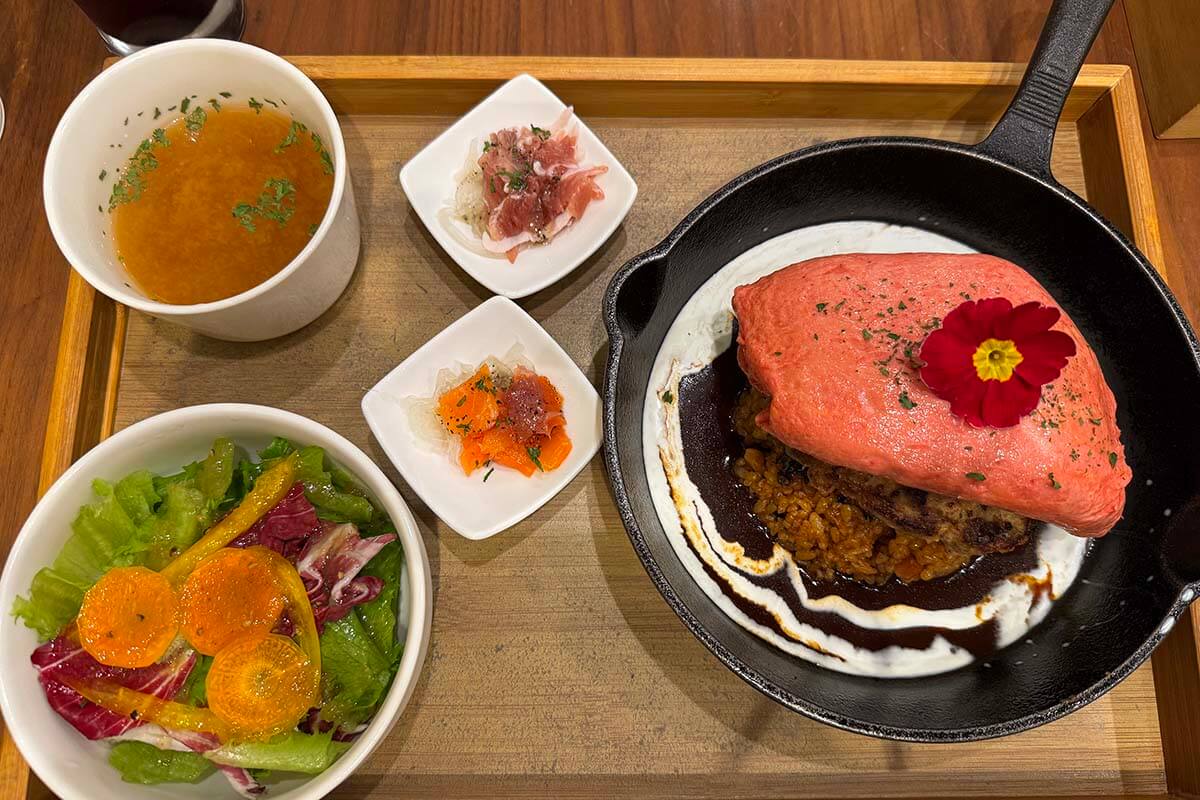
We took a taxi back to the center and had dinner at Joys Table near our hotel.
There are countless restaurants in downtown Kyoto, so unless you have your heart set on a specific place, it’s easy to stay flexible and simply choose whatever appeals to you at the time. We never had trouble finding a table for the four of us without reservations.
Day 3: Fushimi Inari & Nara Day Trip
This day takes you to Nara, one of the most popular day trips from Kyoto. Along the way, we stopped at Fushimi Inari and Hōryū-ji before continuing to some of Nara’s most famous sights, including Kasuga Taisha, Tōdai-ji, Nara Park, and, of course, meeting Nara’s famous deer.
We booked this day tour with a private guide and driver, and it made everything incredibly easy and stress-free. The driver could drop us off at one location and pick us up somewhere else later, saving a lot of walking and time. We never had to think about train schedules, tickets, parking, or finding our way around.
You can visit these places independently by train, but I highly recommend considering a guided (private or group) tour, because it’s an easy way to see a lot in a short time.
Gion
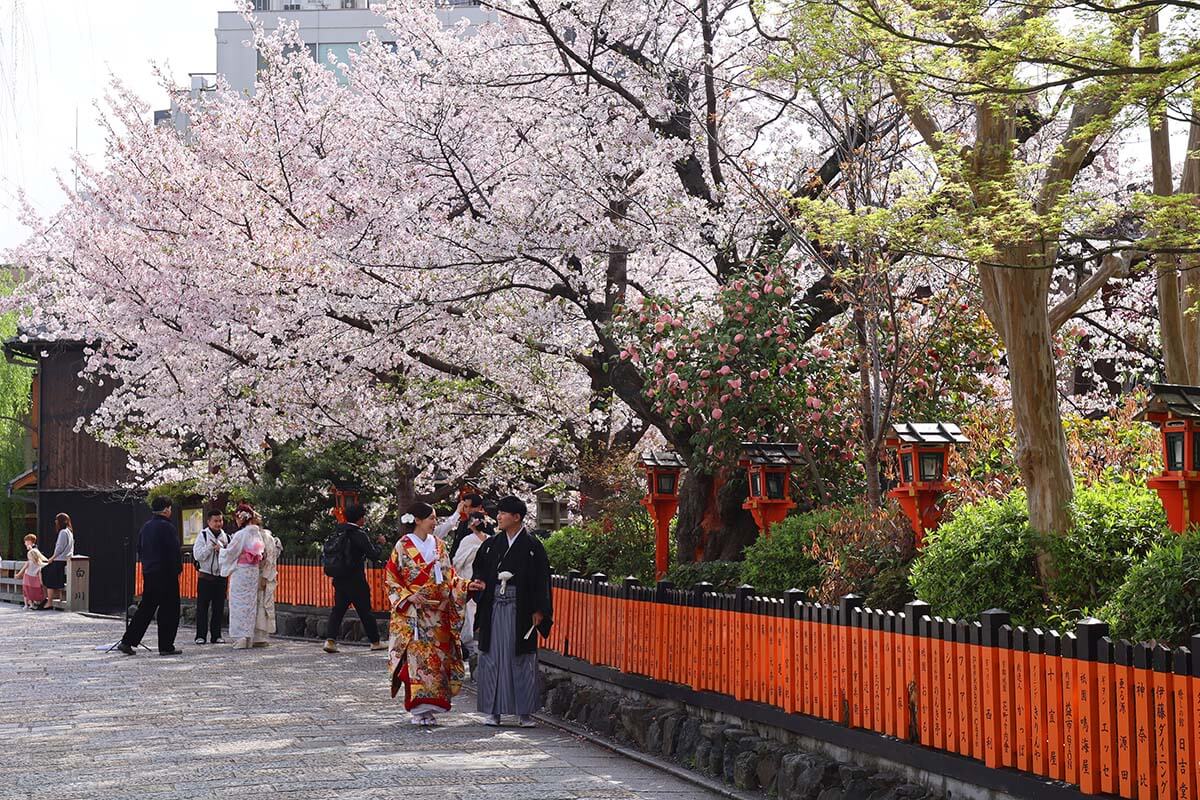
Our private guide picked us up at the hotel, and the first stop of the day was Gion and the area around Tatsumi Bridge.
The original tour itinerary mentioned this stop for the evening, but we actually preferred seeing it in the morning. The whole area felt completely different from the crowds we had encountered here a few days earlier. Apart from a few professional photo shoots with couples dressed in kimonos, we practically had the streets to ourselves. And seeing all those people in traditional clothing really added to the atmosphere.
Fushimi Inari Taisha
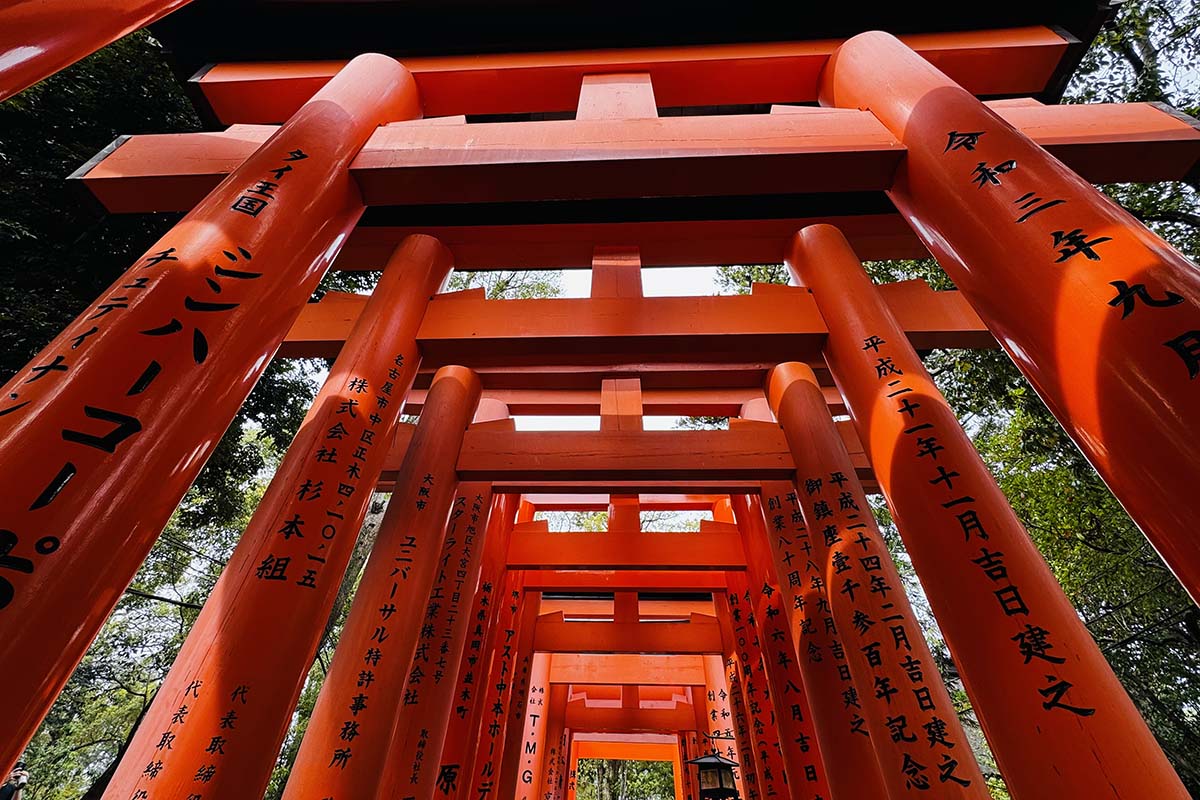
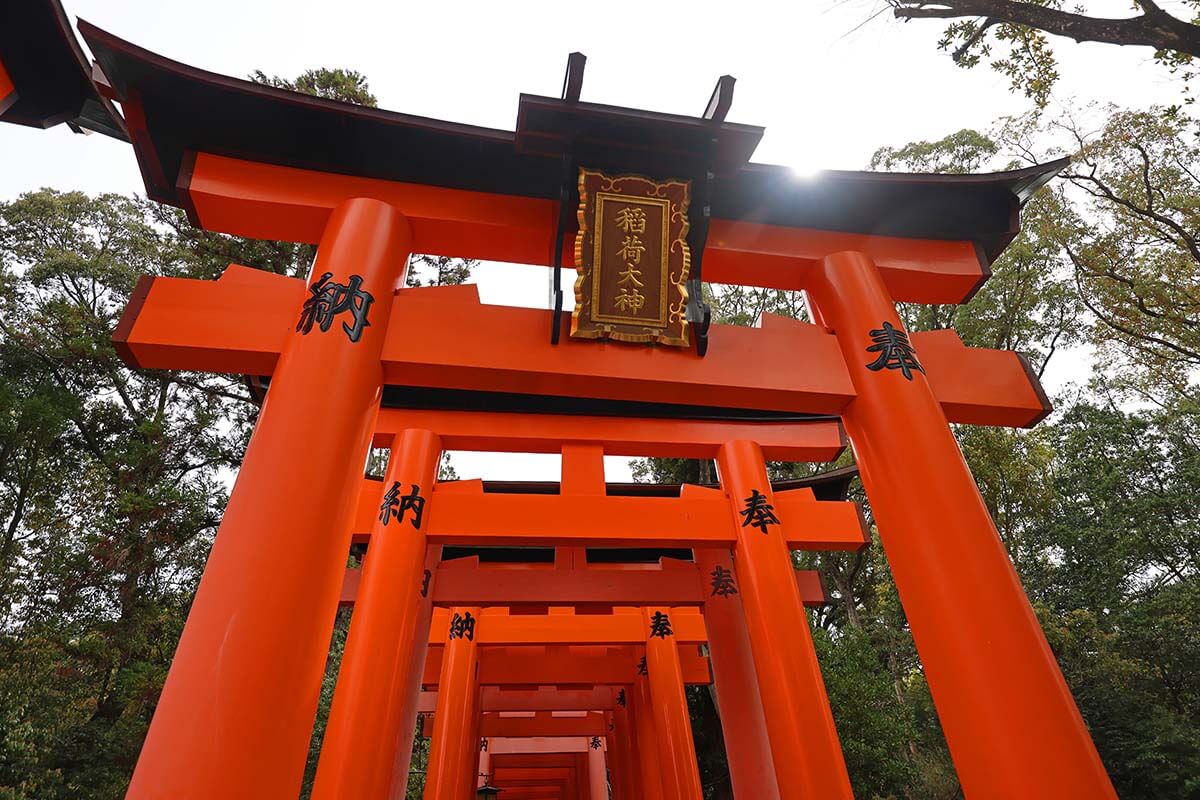
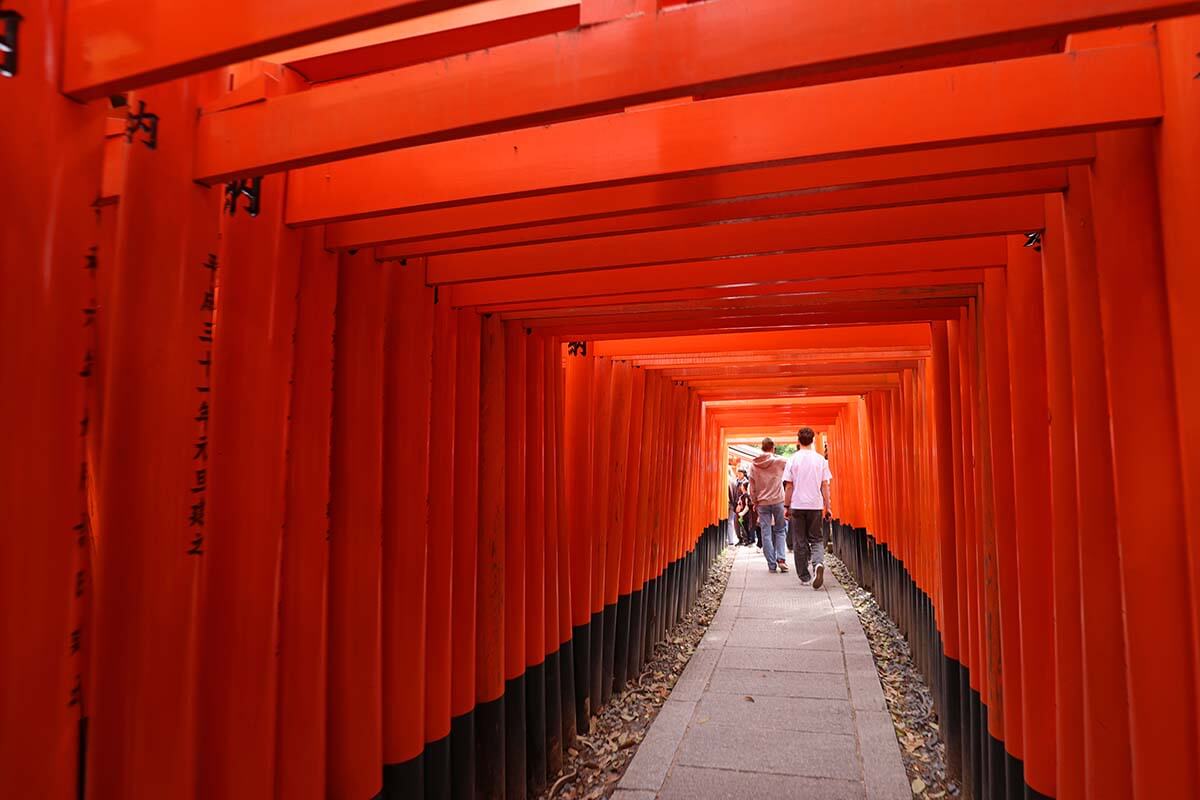
After a short photo stop in Gion, we headed to Fushimi Inari, one of Kyoto’s most famous landmarks. The shrine is known for its thousands of bright orange torii gates that form tunnels along the mountainside. In fact, there are estimated to be around 10,000 of them. Even if you’ve seen countless photos before your trip, it’s even more impressive to see in person.
Fushimi Inari is one of the busiest places in Kyoto, but most visitors only explore the lower sections around the main shrine and the first torii gate tunnels. It was already busy when we arrived and absolutely packed by the time we left.
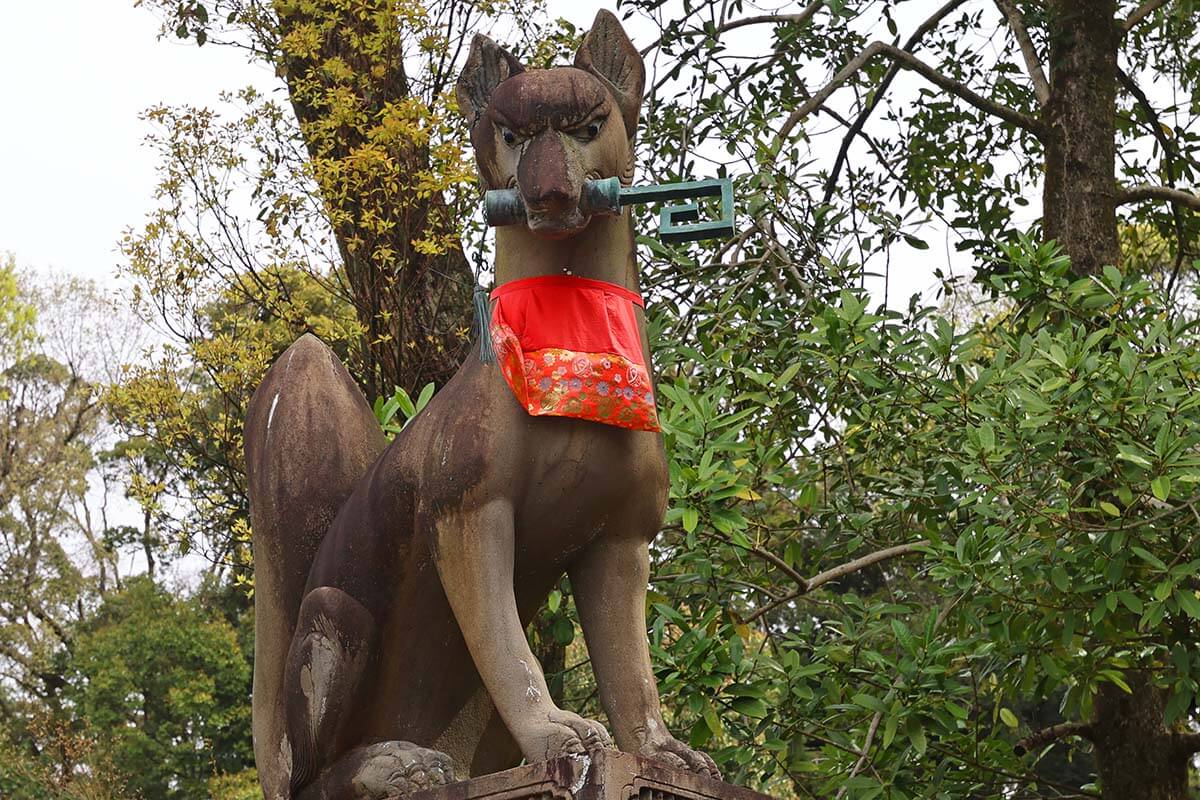
We didn’t hike all the way to the top of the mountain, but walked far enough to leave most of the crowds behind. Along the way, our guide explained the meaning of the torii gates, pointed out details we would have completely missed on our own, and even showed us a small bamboo grove hidden away from the main route.
TIP: If you have more time, consider a longer hiking tour at Fushimi Inari. The same company we used also offers this hidden-route hike that goes well beyond the main tourist paths. We didn’t have time for it on this trip, but if I ever go back to Kyoto, this is one place where I’d want to spend more time.
Hōryū-ji
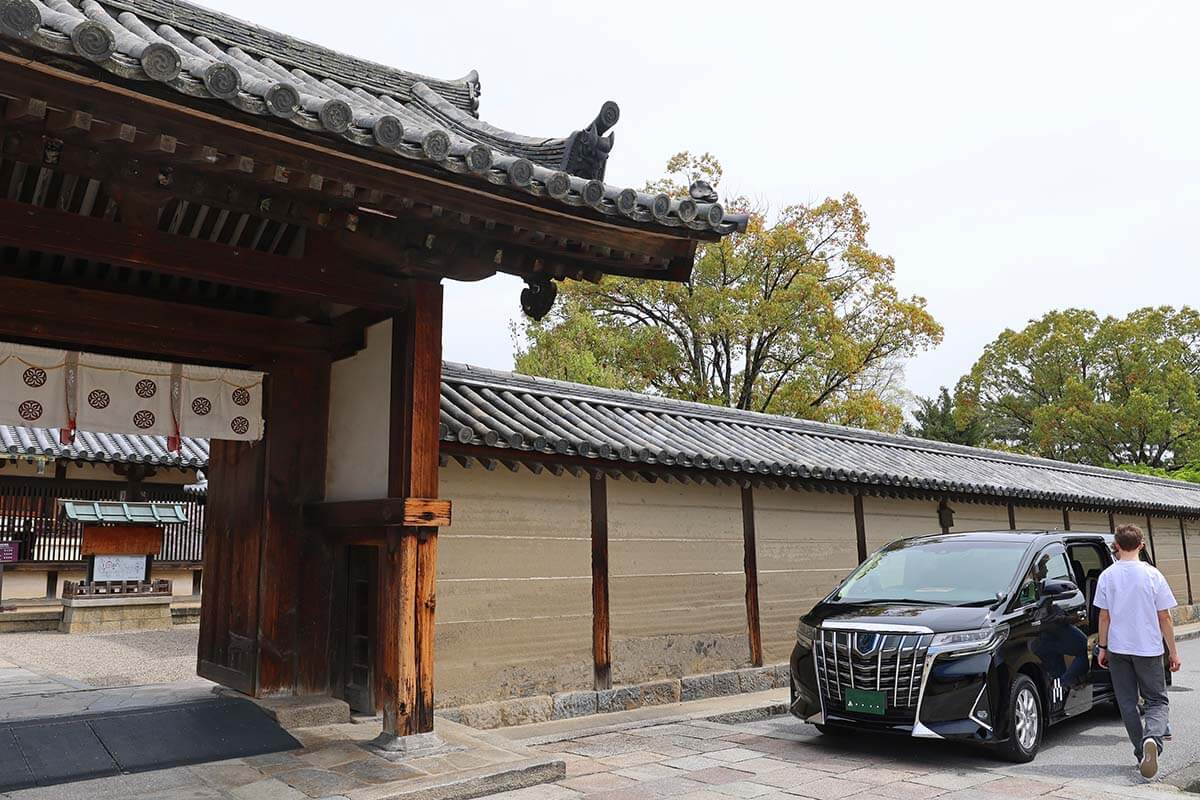
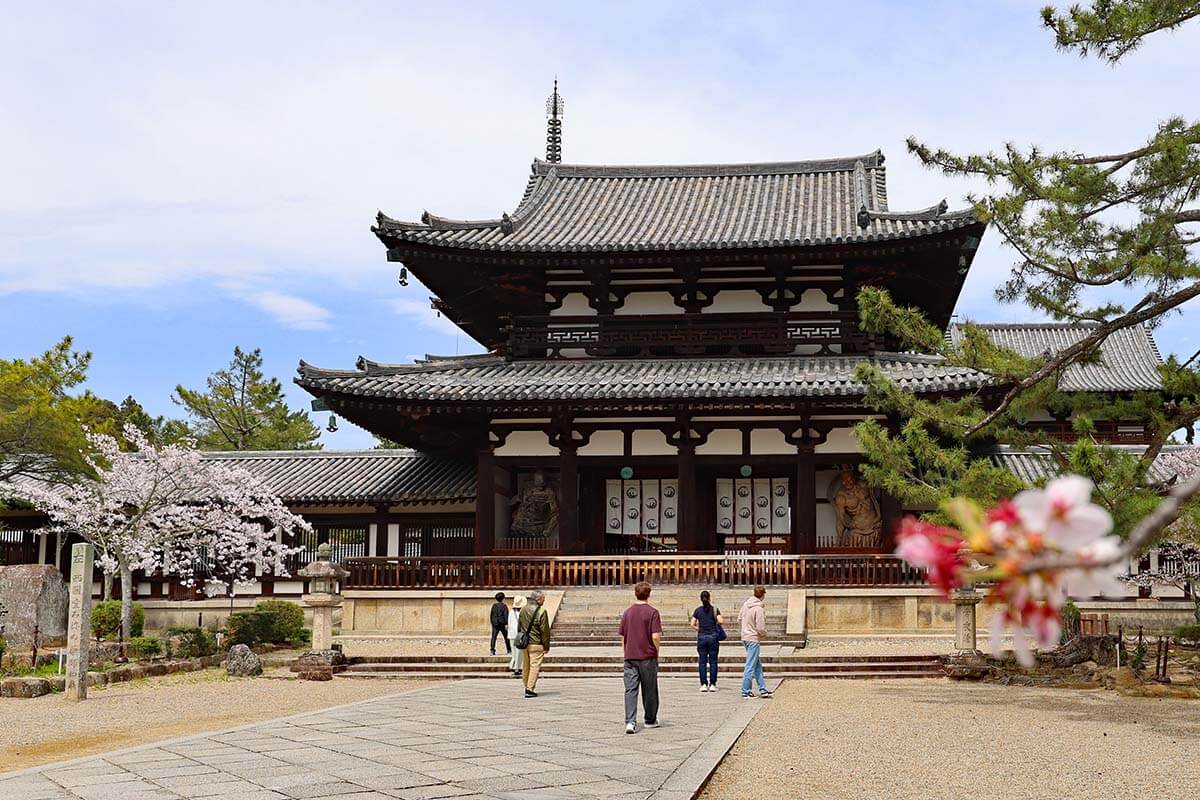
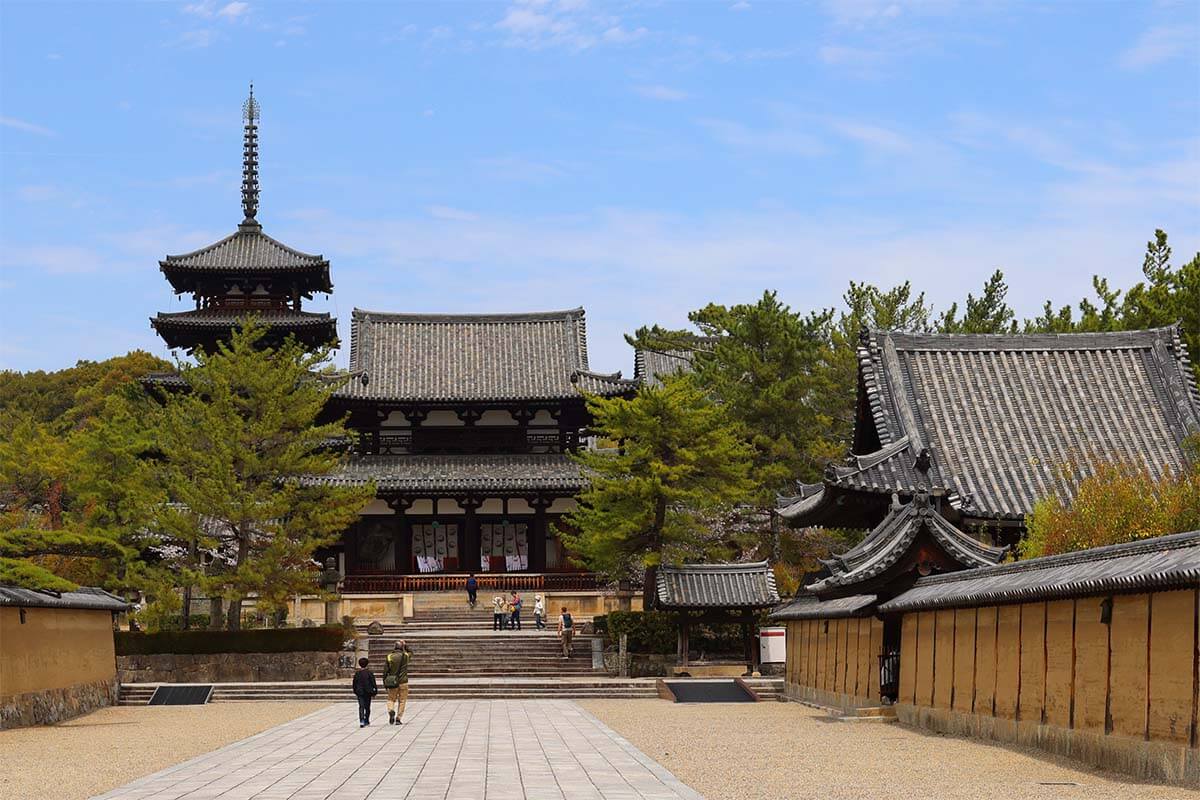
From Kyoto, we continued toward Nara, stopping first at Hōryū-ji, one of Japan’s oldest temples and UNESCO World Heritage Site. This Buddhist complex is home to some of the world’s oldest surviving wooden buildings, around 1,300 years old.
What made Hōryū-ji so special for us wasn’t just its age, but the atmosphere. There were hardly any visitors here, and we were the only foreigners. Instead of crowds, souvenir shops, and tour groups, we found quiet temple grounds where we could simply wander around and take everything in at our own pace.
We hadn’t even heard of Hōryū-ji before planning this trip, yet it was one of the most memorable temple complexes we visited in Japan. It felt less like a tourist attraction and more like stepping back in time. If you have the chance to include it in your Nara itinerary, I highly recommend it.
Lunch in Nara
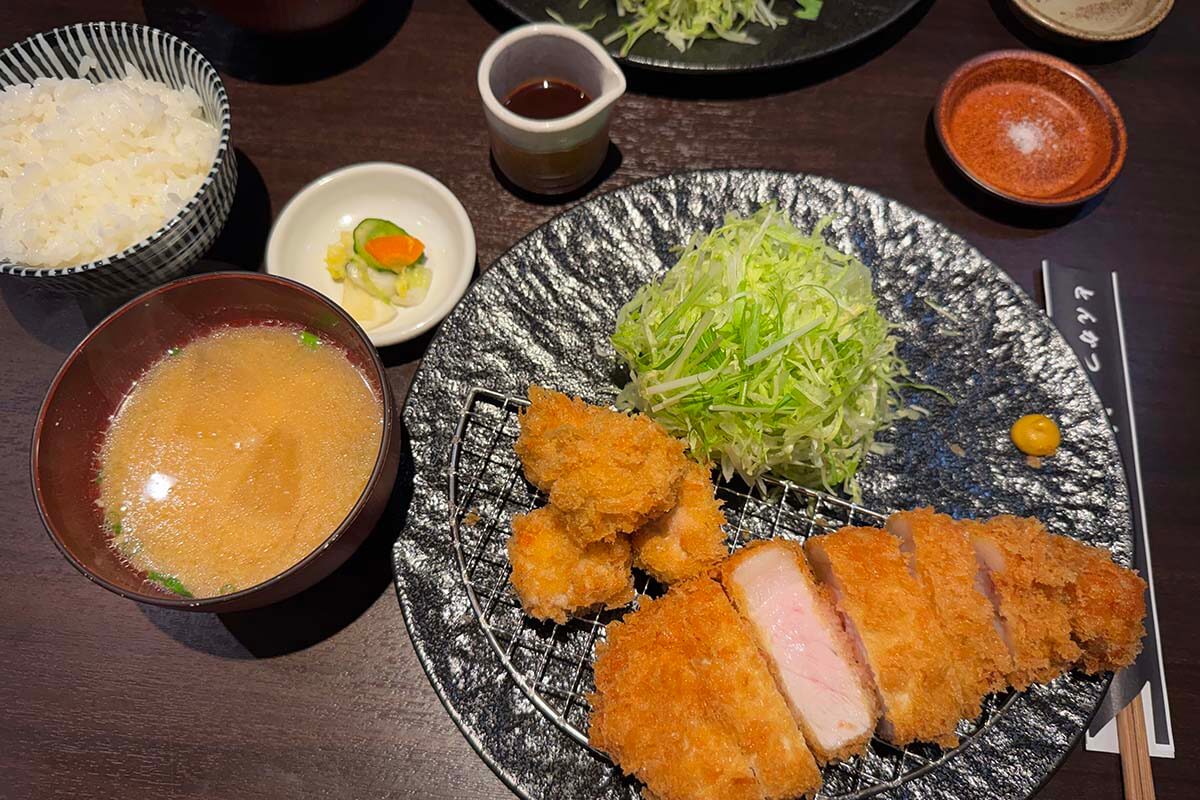
For lunch, we stopped at a local restaurant in Nara for tonkatsu set meals, which were included as part of our tour. Tonkatsu is a crispy breaded pork cutlet typically served with rice, shredded cabbage, soup, and sauces. It’s a simple dish, but incredibly delicious.
This was one of our favorite meals of the entire Japan trip. At the same time, it was also one of the most challenging because eating large pieces of meat with chopsticks isn’t nearly as easy as it sounds. We spent half the meal laughing at our own attempts, and I suspect our guide and the people around us found it quite entertaining too.
It’s just one example of the small cultural differences and everyday quirks we encountered throughout our trip. If you’re curious, be sure to check out our article about the biggest culture shocks and things that surprised us most in Japan.
Kasuga Taisha
After lunch, we visited Kasuga Taisha, one of Nara’s most important shrines. This was one of our favorite stops of the day.
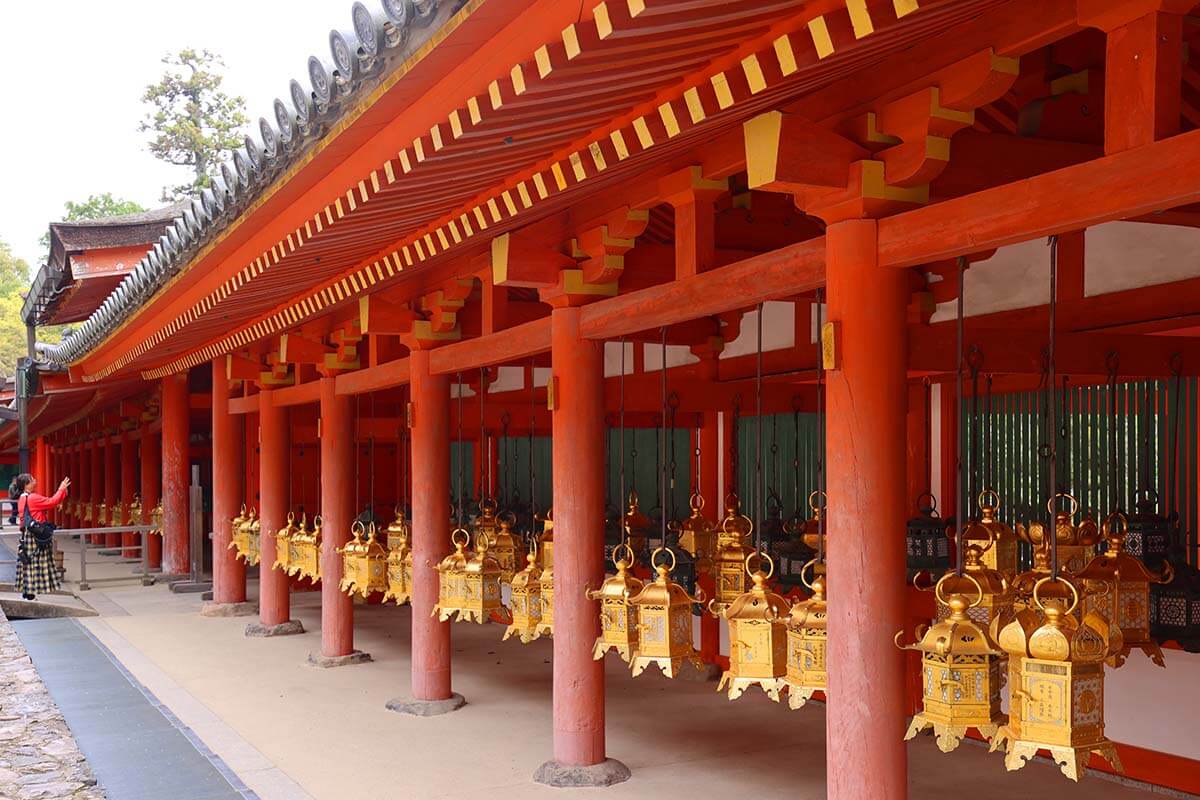
What makes this place so special is the peaceful forest setting and the thousands of lanterns found throughout the shrine grounds. Some are stone lanterns lining the pathways, while others hang from the shrine buildings.
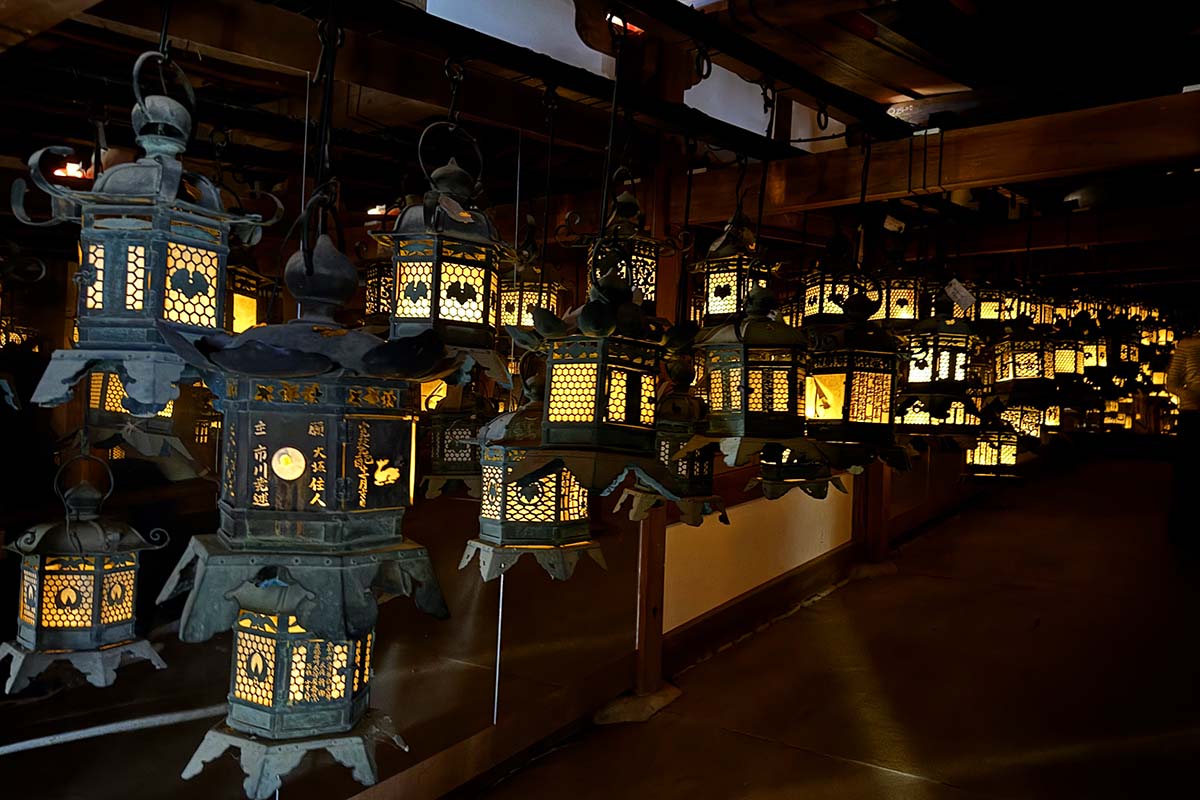
During the famous lantern festivals, all of them are lit at the same time. For the rest of the year, you can walk through a dark room illuminated by hundreds of lanterns, which gives you an idea of what that must look like. We found it very impressive.
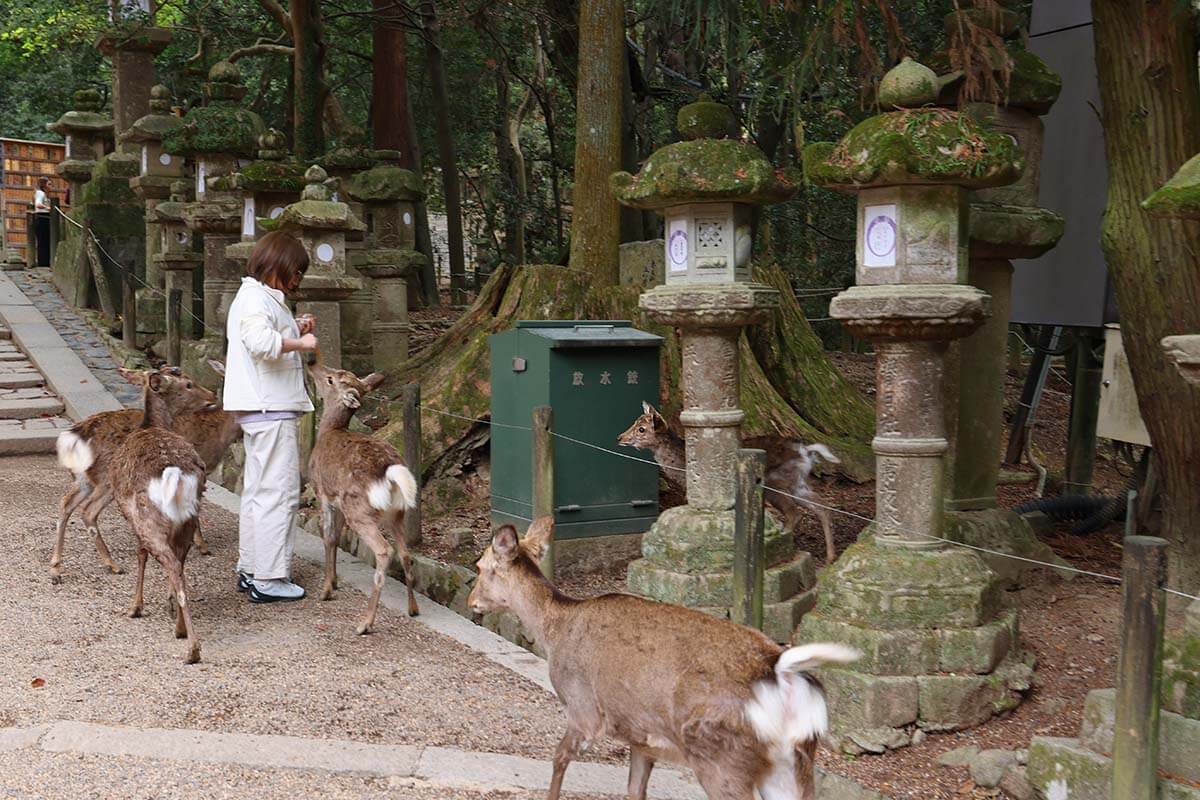
The area around the lantern shrine is also one of the best places to see Nara’s famous bowing deer. And don’t worry about finding them because there are literally hundreds of deer wandering freely through the forest and temple grounds.
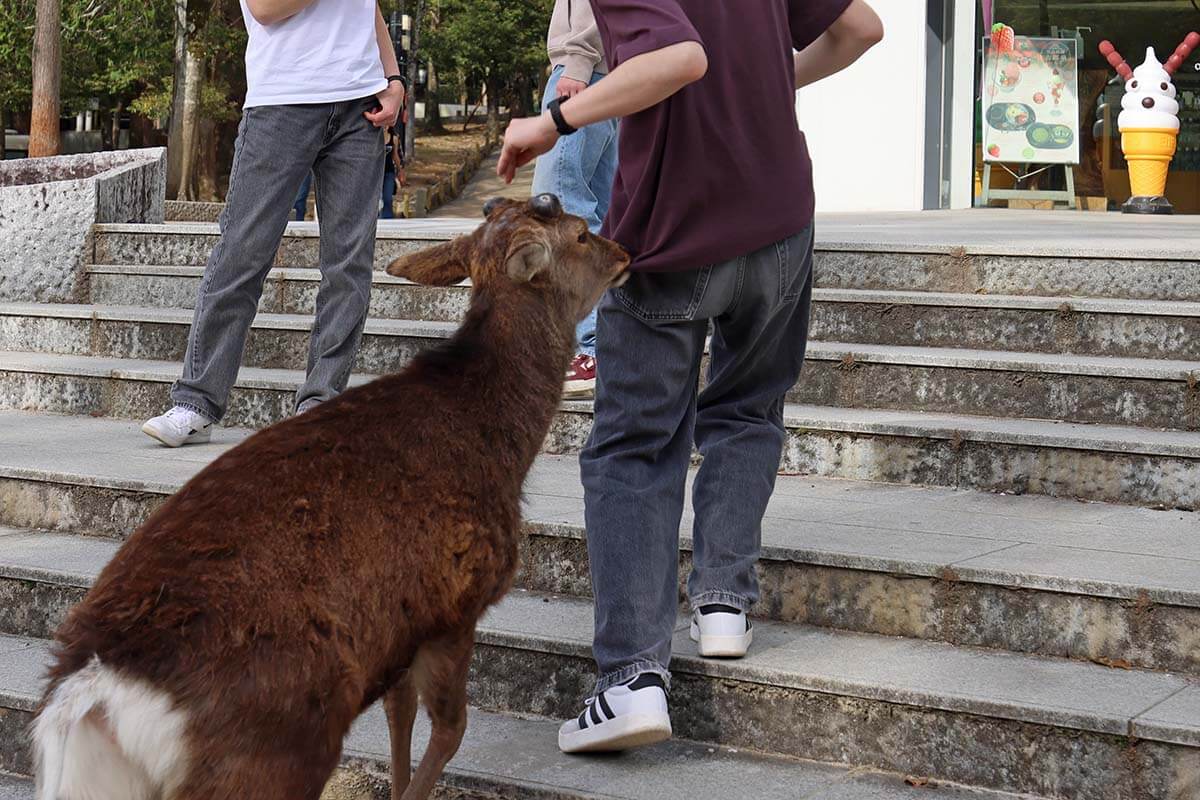
Over the years, the deer in Nara learned that people usually offer special crackers after a bow, so many now nod their heads before asking for food. It’s quite funny to watch, although some deer have clearly figured out the system better than others.
Our guide had deer crackers and showed us how to interact with the animals safely. Once the deer notice food, they can become quite persistent. She also pointed us toward some cute deer-shaped ice cream, which was a big hit with the kids.
For our teenagers, this was the absolute highlight of the day and one of their favorite memories from Japan.
Tōdai-ji & Nara Park
The final major stop of the day was Tōdai-ji and Nara Park, located just a short drive from Kasuga Taisha.
This is one of Nara’s most famous and busiest attractions. The approach to the temple is lined with shops, restaurants, and souvenir stands, making it feel much more touristy than the peaceful forest surroundings of the lantern temple. Luckily, we arrived later in the afternoon, when some of the biggest crowds were already starting to thin out.
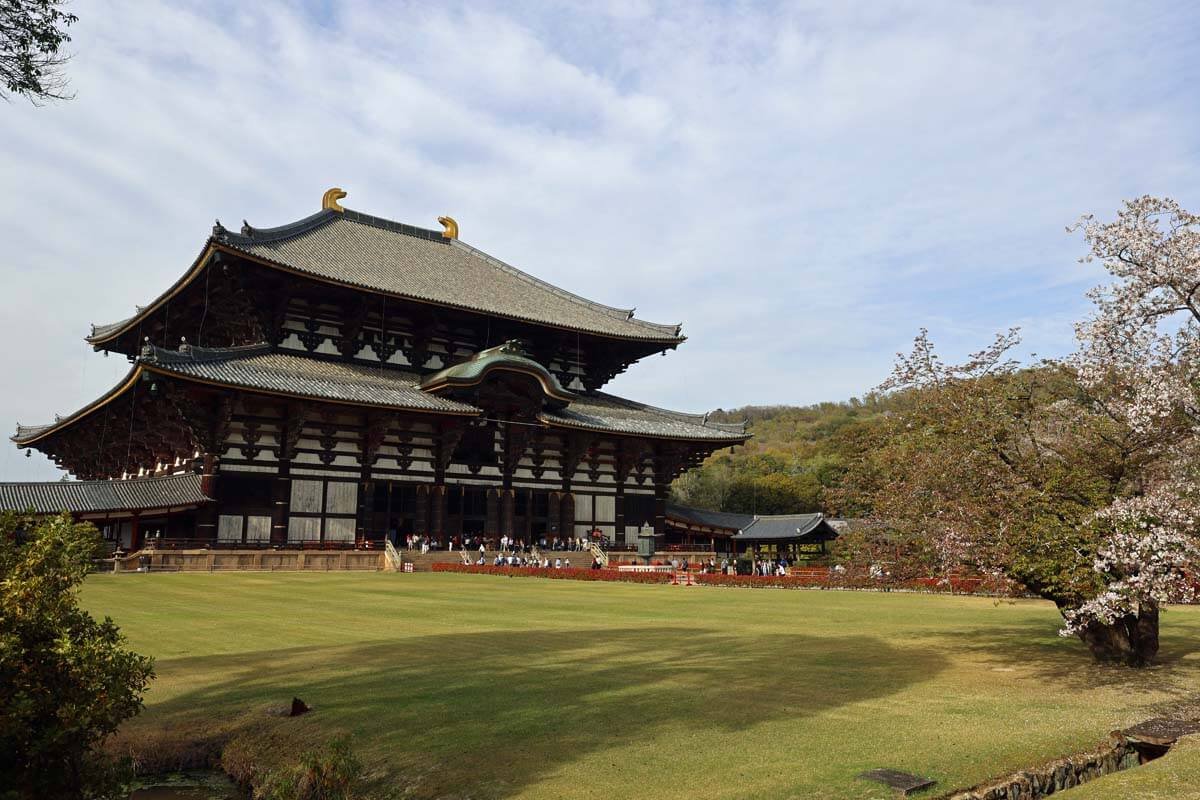
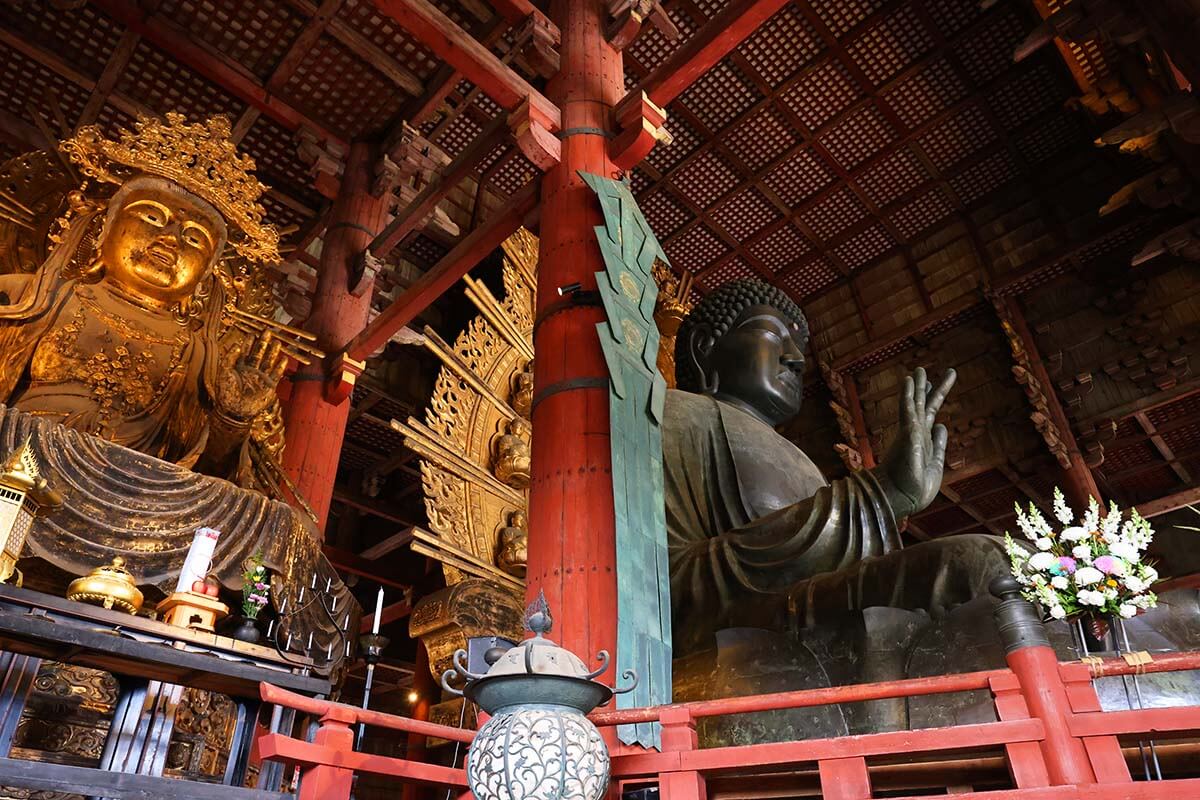
Tōdai-ji is famous for housing one of Japan’s largest bronze Buddha statues, known as the Great Buddha. The statue is about 15 meters (49 feet) tall, but what impressed us just as much was the enormous wooden temple hall around it. It’s hard to appreciate the scale until you are standing inside.
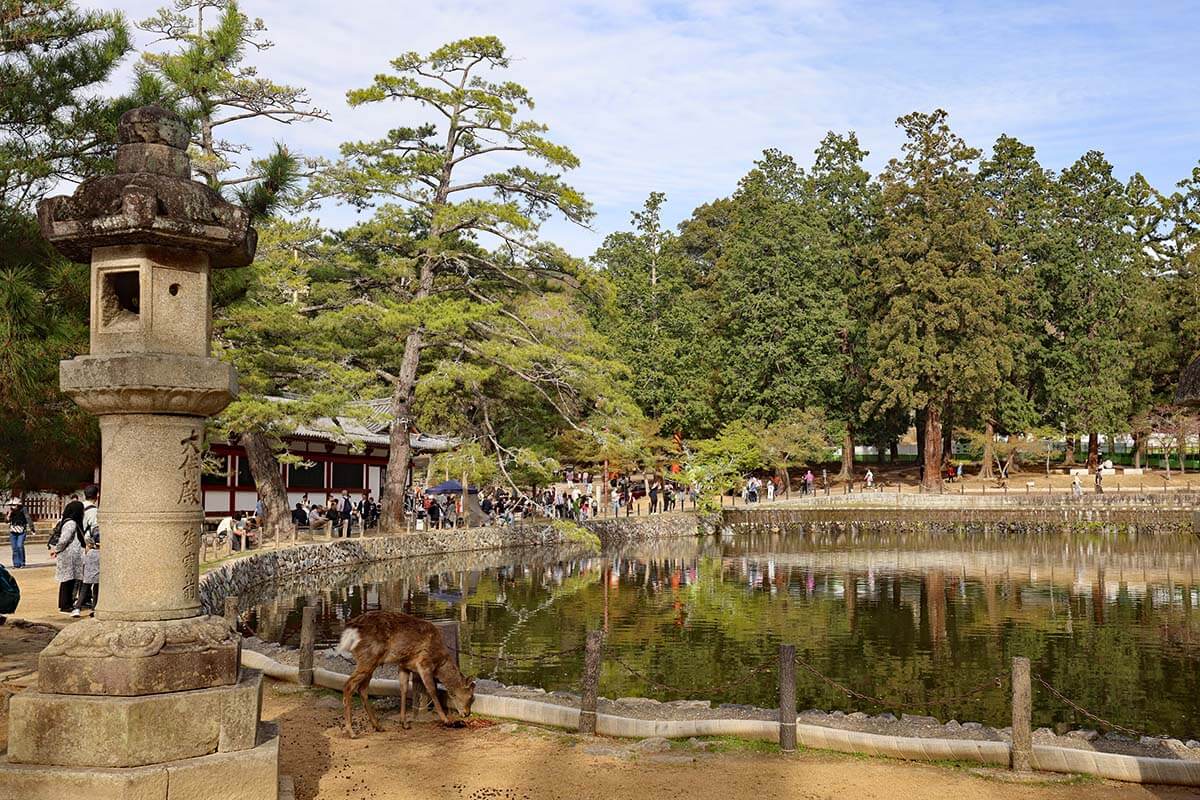
After visiting the temple, we spent some time walking around Nara Park. There were deer everywhere, wandering between temples, pathways, and tourists looking for one last chance to feed them before heading home. It was a nice way to end a very enjoyable day in Nara.
Dinner in Kyoto
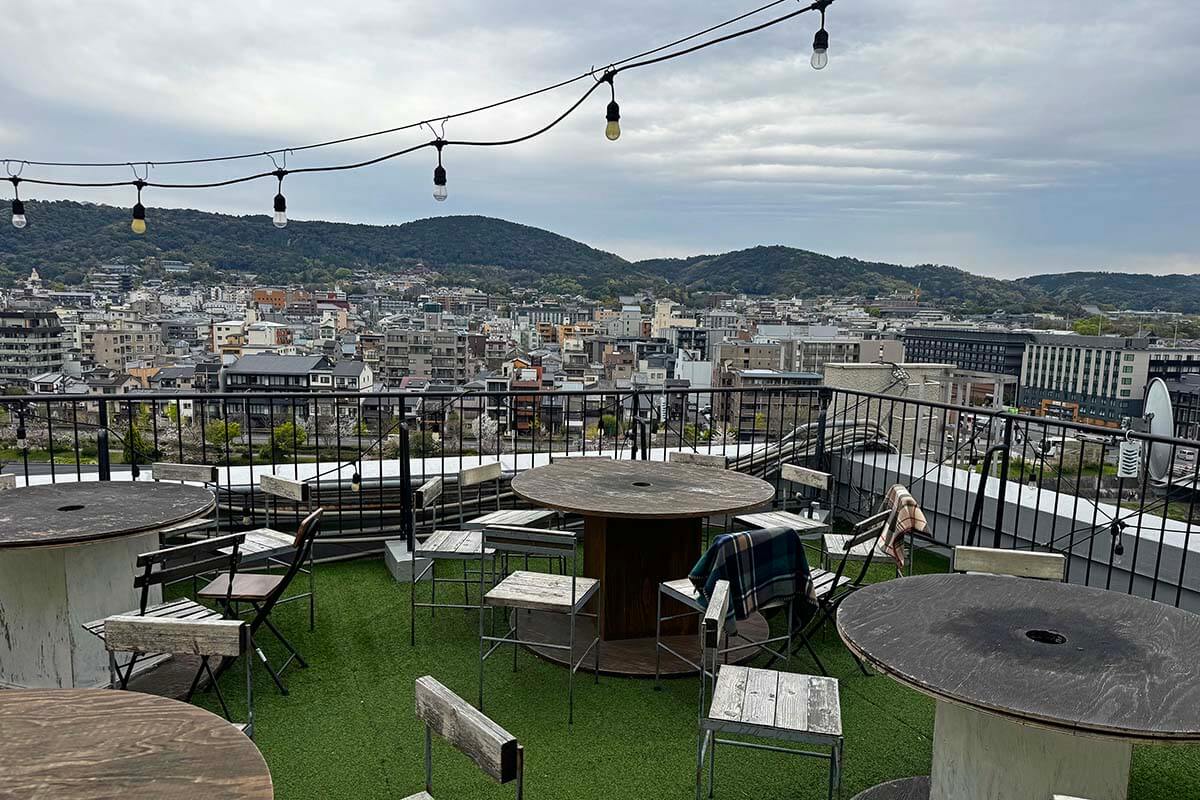
Back in Kyoto, we had dinner at Mar Cafe across the street from our hotel. This place felt very quirky and completely different from the busy tourist restaurants around Gion and downtown Kyoto.
This small restaurant is located on the top floor of a residential building and has no signs whatsoever. We probably never would have found it without local recommendations.
Day 4: Hidden Gems Bike Tour & Samurai Experience
This day offers a different perspective on Kyoto and takes you beyond the city’s main tourist sights. It includes an e-bike tour through quieter neighborhoods and lesser-known temples, followed by more sightseeing in Gion and a samurai sword lesson and performance.
We booked both the e-bike tour and the samurai experience in advance. Many of Kyoto’s most popular cultural activities, including samurai and sumo shows, often sell out, so it’s worth reserving ahead.
Kyoto E-Bike Tour
We had always heard that Kyoto is one of the best cities in Japan to explore by bike, allowing you to cover a lot in a relatively short time. So we really wanted to include a bike tour in our itinerary. Choosing one wasn’t easy, though, because many tours stop at some of Kyoto’s most famous attractions, which we had already covered on the other days of this.
We specifically looked for a tour that would show us a different side of the city, and this hidden gems e-bike tour through Kyoto’s backstreets and temples was exactly what we were hoping for. Apart from a quick photo stop in Gion near the bike shop, it focused on quieter neighborhoods and places we probably never would have discovered on our own.
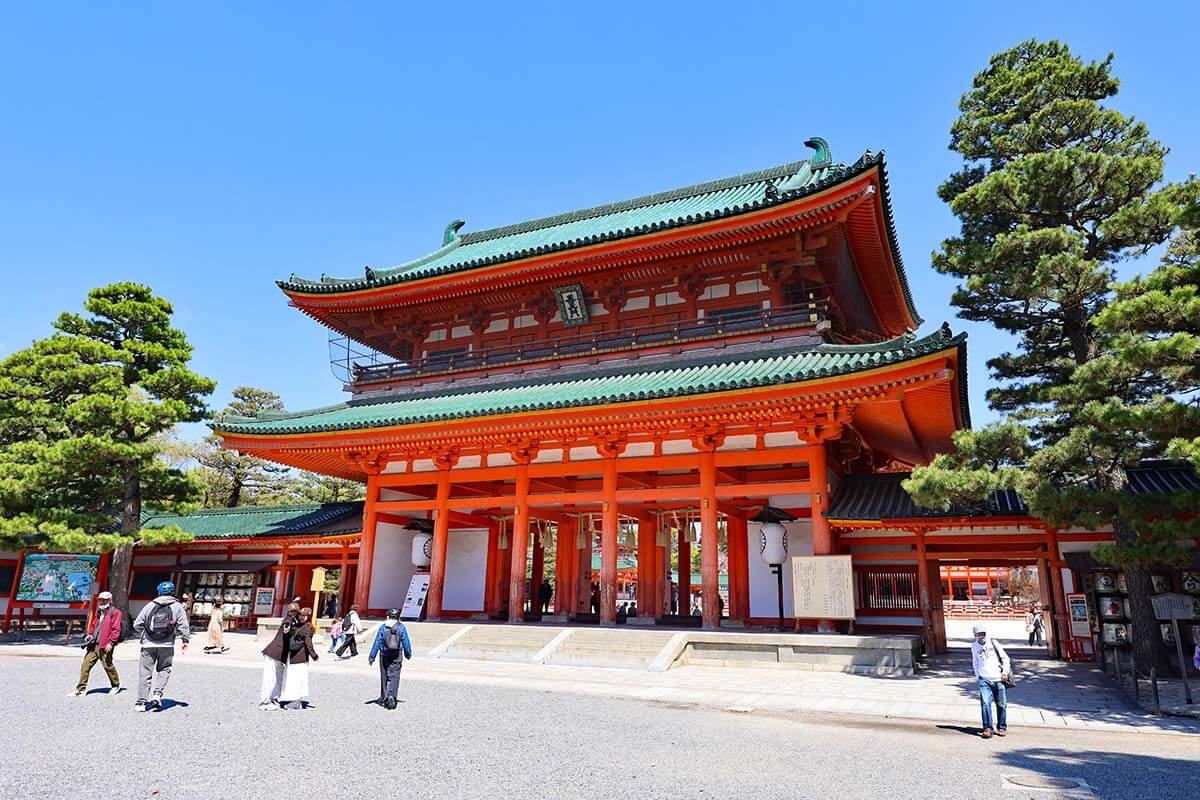
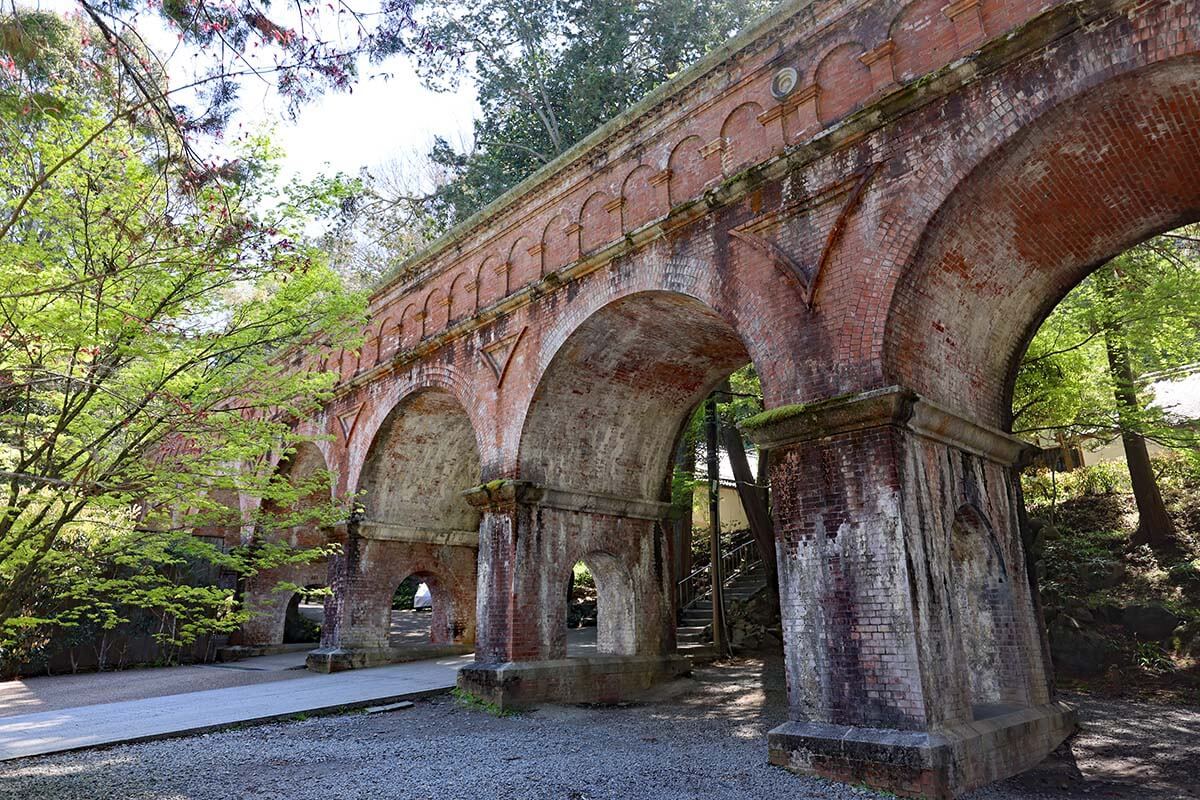
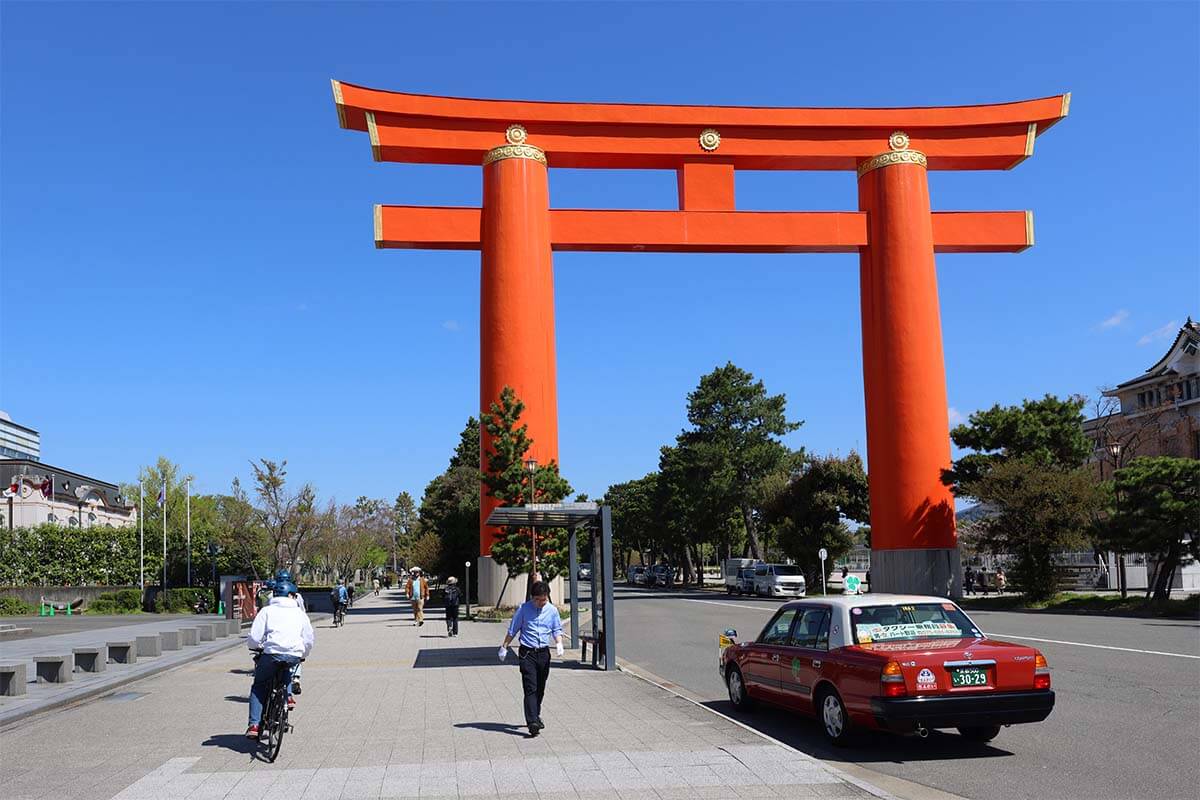
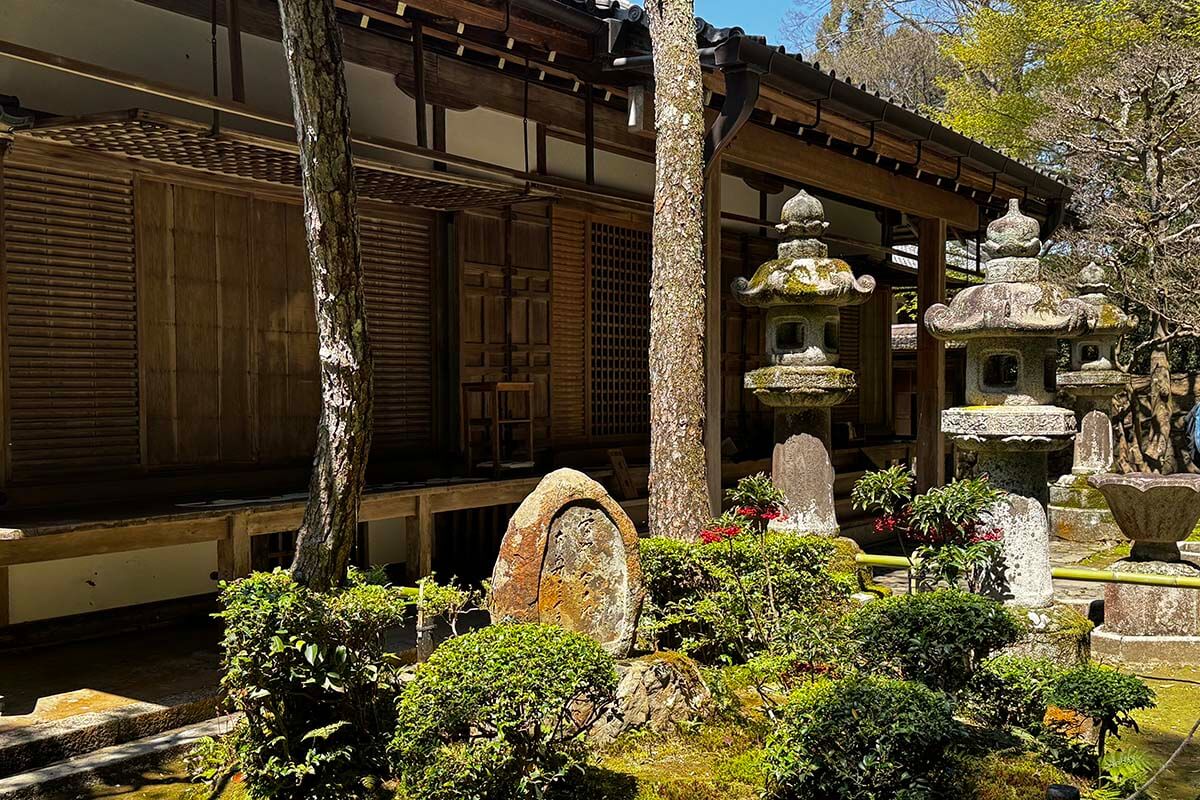
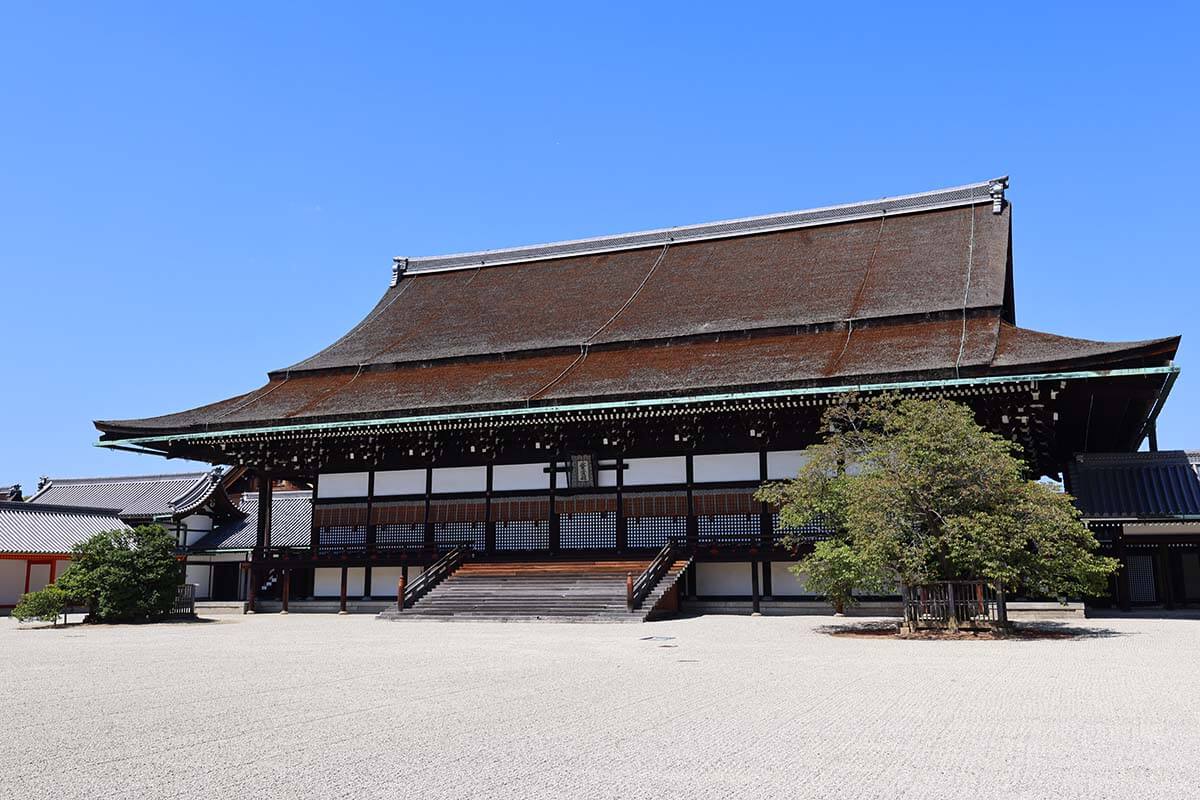
The tour lasted about four hours, from 9 AM to 1 PM, and included stops at Nanzen-ji, Heian-jingū Shrine, the Philosopher’s Path, the Kyoto Imperial Palace, and several other spots around the city.
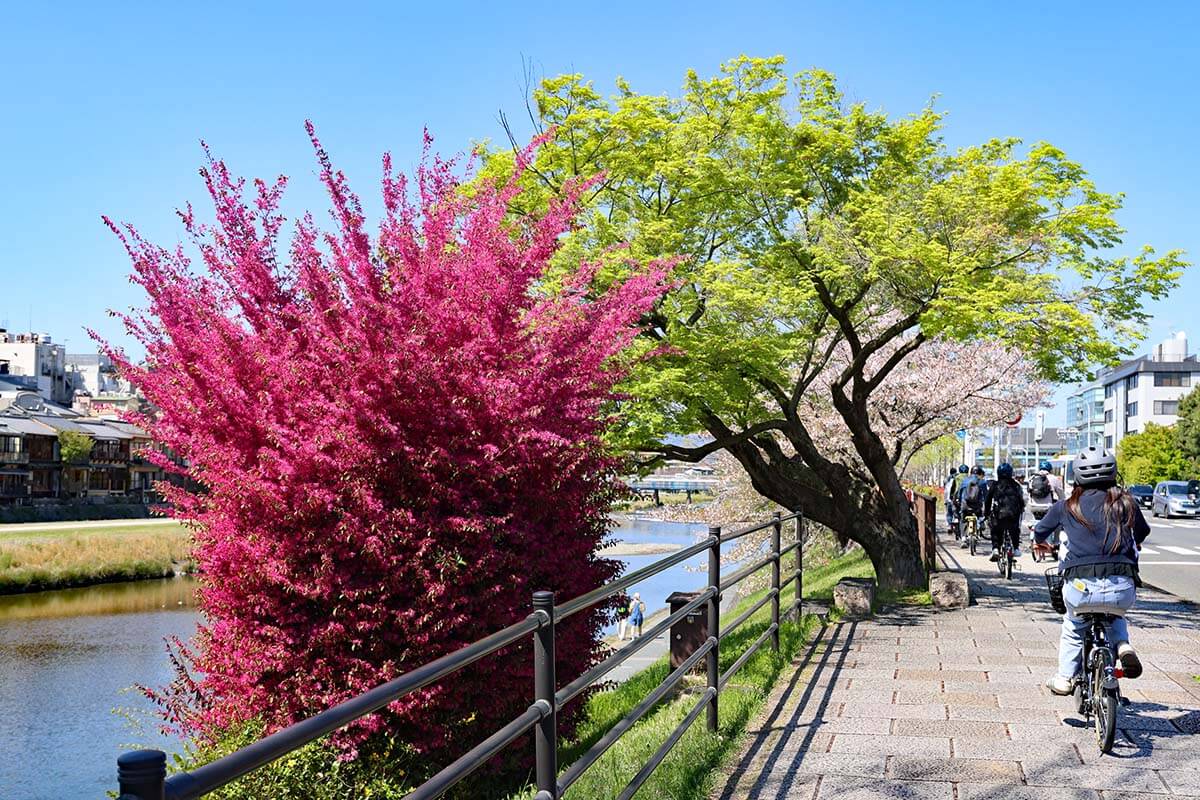
We biked through quiet neighborhoods, along riverside paths lined with cherry blossoms, and down small backstreets we never would have found otherwise. The route was mostly flat, with just one or two steeper sections where the e-bikes really came in handy. Overall, it was a very easy and relaxing ride.
Below, you can see several photos of some of our favorite stops on the bike tour.
Lunch in Gion & Kennin-ji
After the bike tour, we returned to Gion and had lunch at Pizza Strada Kyoto, just around the corner from where we had left our bikes. After several days of Japanese food, the kids were craving pizza…
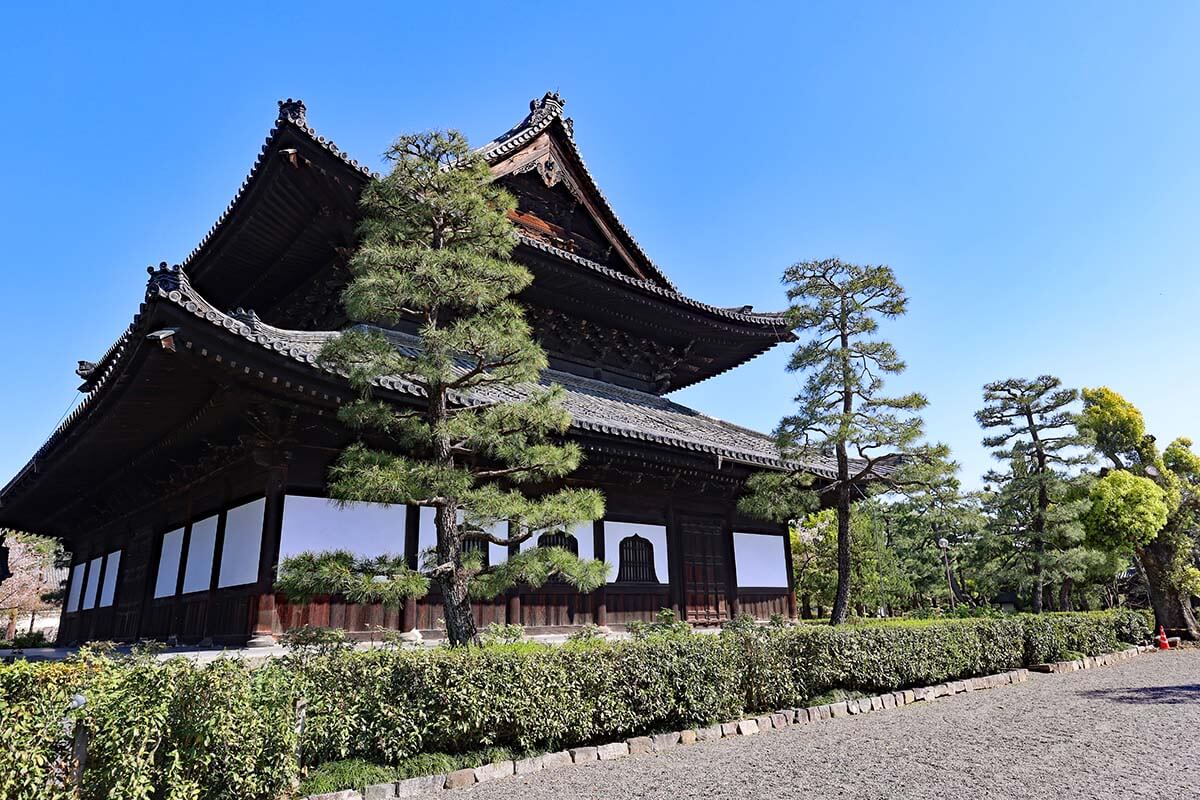
Afterward, we took some more time to explore the area. We stopped at Kennin-ji, considered Kyoto’s oldest Zen temple, and the smaller Zenkyo-an temple nearby. Despite its central location, the atmosphere felt wonderfully peaceful, with large wooden halls, Zen gardens, and an impressive painted dragon ceiling.
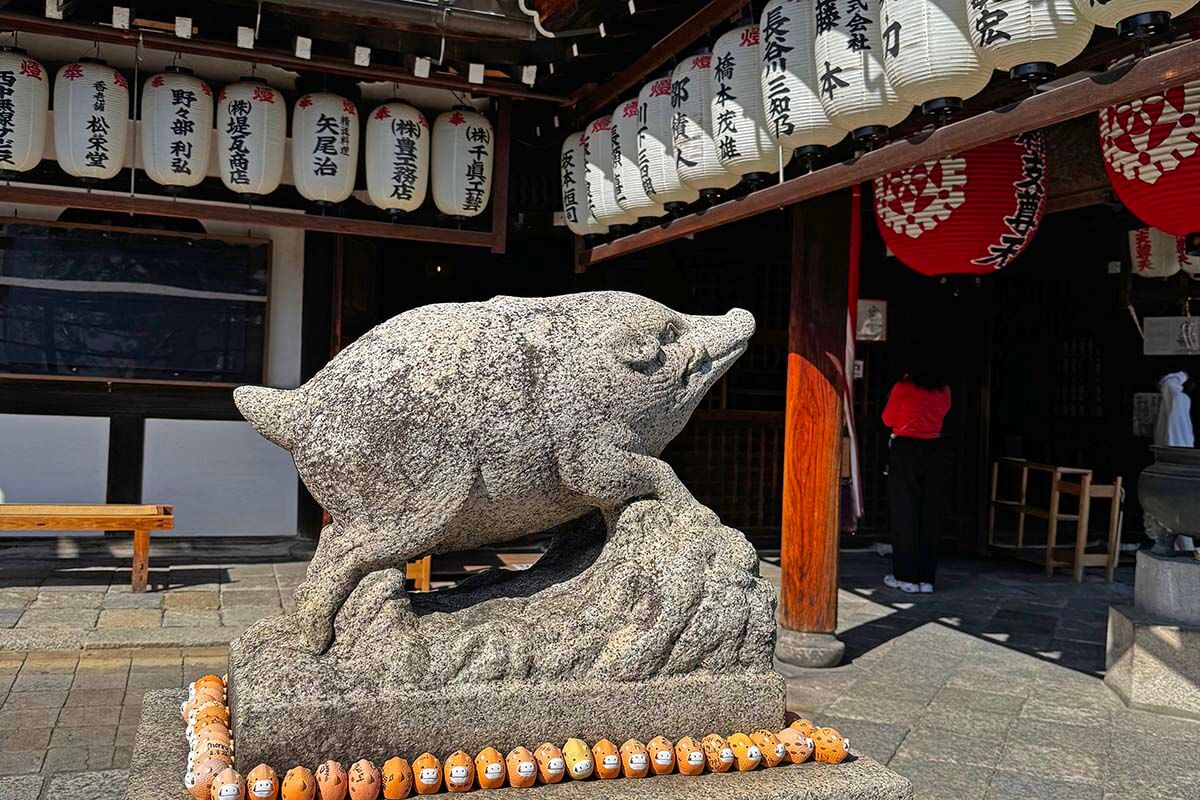
From there, we continued through Yasui Kompiragū Shrine and along Hanamikoji Street on our way to the samurai experience at Samurai Kenbu Theater.
Samurai Sword Class & Performance
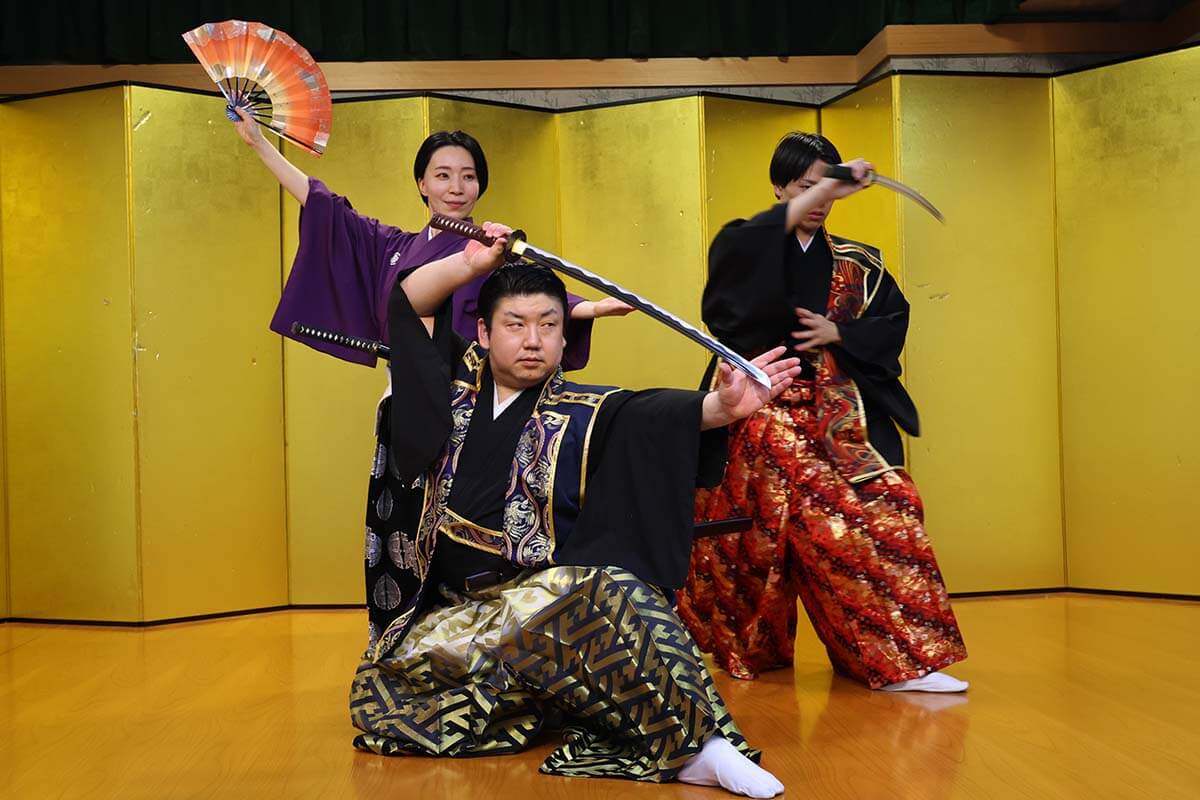
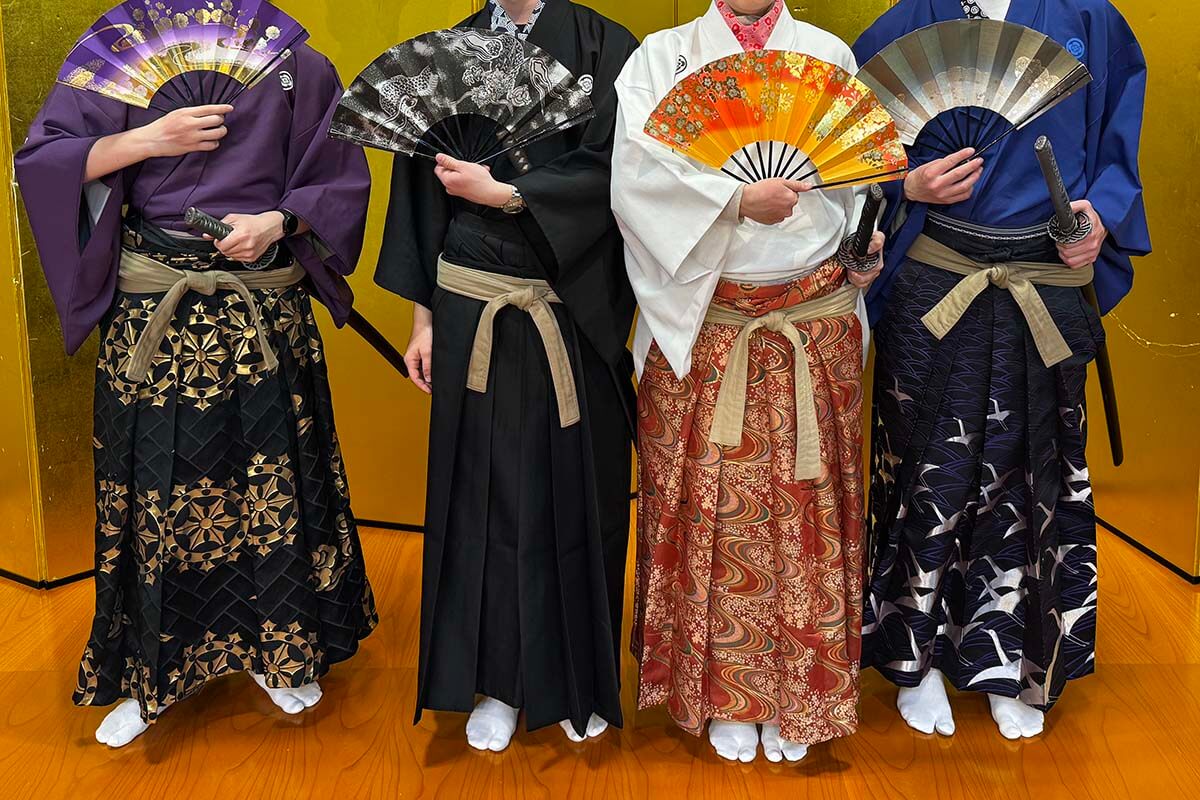
In the late afternoon, we headed to Samurai Kenbu Theater for a samurai sword lesson and performance. The theater offers several sessions throughout the day, and we chose the 4-6 PM time slot. We booked well in advance, and I highly recommend doing the same since places are limited and popular time slots often sell out.
This became one of our absolute favorite cultural experiences in Japan. In fact, our teens ranked it as their second-favorite activity of the entire two-week trip, surpassed only by the sumo show we attended in Tokyo.
The experience began with a traditional kenbu performance, but the sword lesson was the real highlight for us. Dressed in traditional clothing, we learned basic sword techniques and practiced them under the guidance of experienced instructors. It was interactive, easy to follow, and far more engaging than simply watching a cultural performance from the audience.
Even though I booked it mainly with our boys in mind, I enjoyed it just as much. It’s a fun family activity that everyone genuinely loved. In our opinion, it’s one of the best hands-on experiences to include in a Kyoto itinerary, especially if you’re traveling with teenagers or adults (it’s not really suitable for younger children).
Dinner at Pontochō Alley
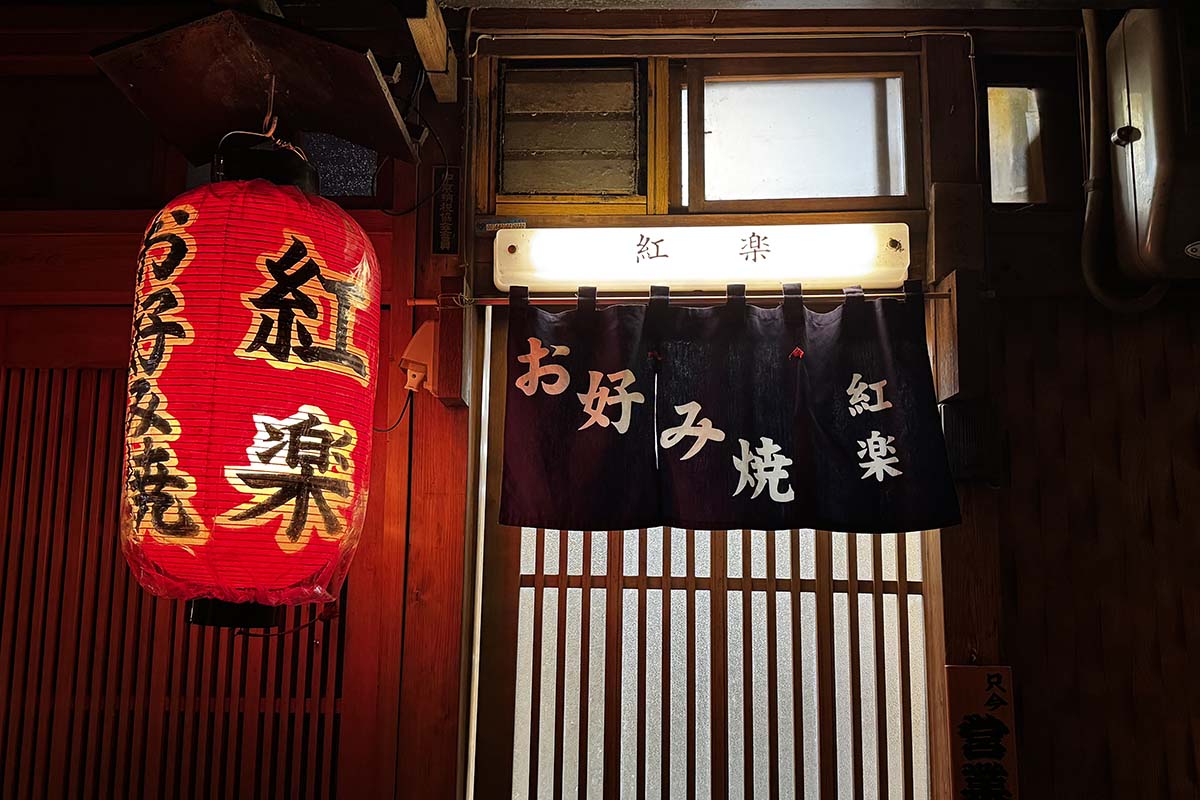
In the evening, we headed to Pontochō Alley for dinner. This narrow, lantern-lined lane is one of Kyoto’s most famous dining areas and definitely worth seeing at least once, especially after dark when the atmosphere is at its best.
That said, we had a surprisingly hard time finding a restaurant with good reviews and a menu that appealed to everyone in our family. The place we eventually chose was just okay, and much too expensive for the quality we got.
Good to know: Pontochō is beautiful to walk through, but I wouldn’t automatically assume it will be your best food experience in Kyoto. So come for the atmosphere, but don’t feel that you have to eat here just because all the travel guides say so.
So, this is how we spent four days in Kyoto. We felt that this itinerary had a really good balance between the city’s biggest sights, hidden gems, and some truly memorable cultural experiences.
Kyoto became our favorite destination in Japan and looking back, I wouldn’t change much about this itinerary. If it’s your first time in Kyoto, you can simply follow it as is. With an extra day, I’d spend more time hiking at Fushimi Inari and add a sumo show, which we attended in Tokyo instead.
For more tips and inspiration for your Japan trip, be sure to also check out our guides to Japan with teenagers, one day in Osaka, and the biggest culture shocks and surprises we encountered during our travels in Japan.
TIP: Planning a trip to Kyoto? Save this guide to Pinterest so you can easily find it again when organizing your itinerary.



I just wanted to say thanks for your Japan travel guides. I found your blog when researching Japan with teens. We are going to Kyoto and Tokyo as well and will be using many of your recommendations. We are flying into Osaka and leaving from Tokyo. Do you think we should do a day trip to Hiroshima or spend an extra day in Osaka? Thx
Hi C.J., thank you for your kind words. Glad to hear you found our blog useful.
We haven’t been to Hiroshima, so I can’t really comment on that. But if you’re traveling with teenagers as I was, I honestly think that they’ll enjoy Osaka more than Hiroshima. There’s so much to see and do. See our 1-day Osaka itinerary for recommendations. I also have some additional suggestions for longer stays at the end of that guide.
Also, why not simply ask your teens what they prefer? 😉
Your wonderful photos of Kyoto brought back vivid memories of my visit…albeit in 1979! I have shared your brilliant article with my daughter and family who will go there in August. All 5 of them are avid cyclists and I am so glad you brought up the cycling idea. That is something I did not do. Thank you again for a very worthy article.
Hi Jill, thank you so much for your kind comment and for sharing your memories of Kyoto. It must have been fascinating to see how much the city has changed since your visit.
How wonderful that your daughter and her family are going there in August! If they love cycling, I really think they’ll enjoy exploring Kyoto by bike. It’s such a great way to see the city and discover lesser known places. I hope they have an amazing trip and create many wonderful memories of their own.
I just have to respond….! Your sons sound adventurous. I wonder where they get that from?!! IF you have not done it…I encourage you to go and Zip Line in Laos. THE BEST zip lining I have done around the world. I did it 12 years ago at 64 and the hike up was a challenge but then one zips from tree top to tree top and stay overnight…in a treetop “house”. Dinner is served!….and the TV is watching the Gibbons and Monkeys stare at you from adjacent trees. YOU with your camera would have a field day…and night!!
Oh wow, that sounds absolutely incredible, and definitely something my boys would love. I’m not sure we’ll make it to Laos anytime soon, but I’ll keep it on our wish list for the future.
Thanks so much for the recommendation!
Well done as always, Jurga. Japan is definitely on my list along with Vietnam and Thailand. It’s not as high up for my wife however. So, it’ll have to wait for a while, I suppose. Hopefully, I will get there someday.
Hi Ric, thanks so much for your kind words. I hope you do make it there one day.
Japan wasn’t high on my list either, and we only went because our teens had been asking for years. I have to say that it exceeded our expectations, especially Kyoto. Vietnam and Thailand are wonderful too, but Japan definitely offers something very unique that we haven’t seen anywhere else.
Hopefully, you’ll get the chance to convince your wife eventually (just like our kids convinced us 😊).
Happy travels!