20 Winter Travel Tips for Lapland and Rovaniemi
This site contains affiliate links, which means that we may earn a small commission, at no cost to you, for qualifying purchases. It supports the work that goes into keeping this content free. Thanks for reading! More info: Privacy Policy.
Planning a winter trip to Lapland in Finland? It’s an incredible destination that can easily become one of the best bucket-list trips you’ll ever take. But without the right preparation, it can just as quickly turn into a very expensive disappointment.
In this guide, I share practical, experience-based travel tips for visiting Lapland in winter, with a slight focus on Rovaniemi, the most popular destination in the region. This article came together after seeing countless posts from travelers who arrived in Lapland only to realize that:
– they visited too early or too late in winter and found no snow,
– their travel agent booked a hotel that’s actually closed for renovations,
– the “winter gear” they bought at home was useless in Arctic conditions,
– their travel agent sold them a “Lapland” trip that was actually in mid-Finland, and only a few days before departure mentioned that it’s too early for snow there,
– they didn’t pre-book activities, and everything was sold out on arrival,
– they booked cheap flights without checking how much accommodations and activities cost,
– they booked the flights without realizing that all accommodations were booked up for Christmas…
These are just a few real-life examples (you can’t make some of that stuff up!) and expensive mistakes I see people make again and again… While pretty much all these situations can be avoided with a bit of research.
So good job doing your homework and researching Lapland travel tips in advance! The region is easy to visit, but it’s also dark, cold, and busy at certain times of year. These tips will help you avoid common mistakes, know what to expect, and plan a truly magical winter trip above the Arctic Circle.
1. Choose the right winter month for your trip
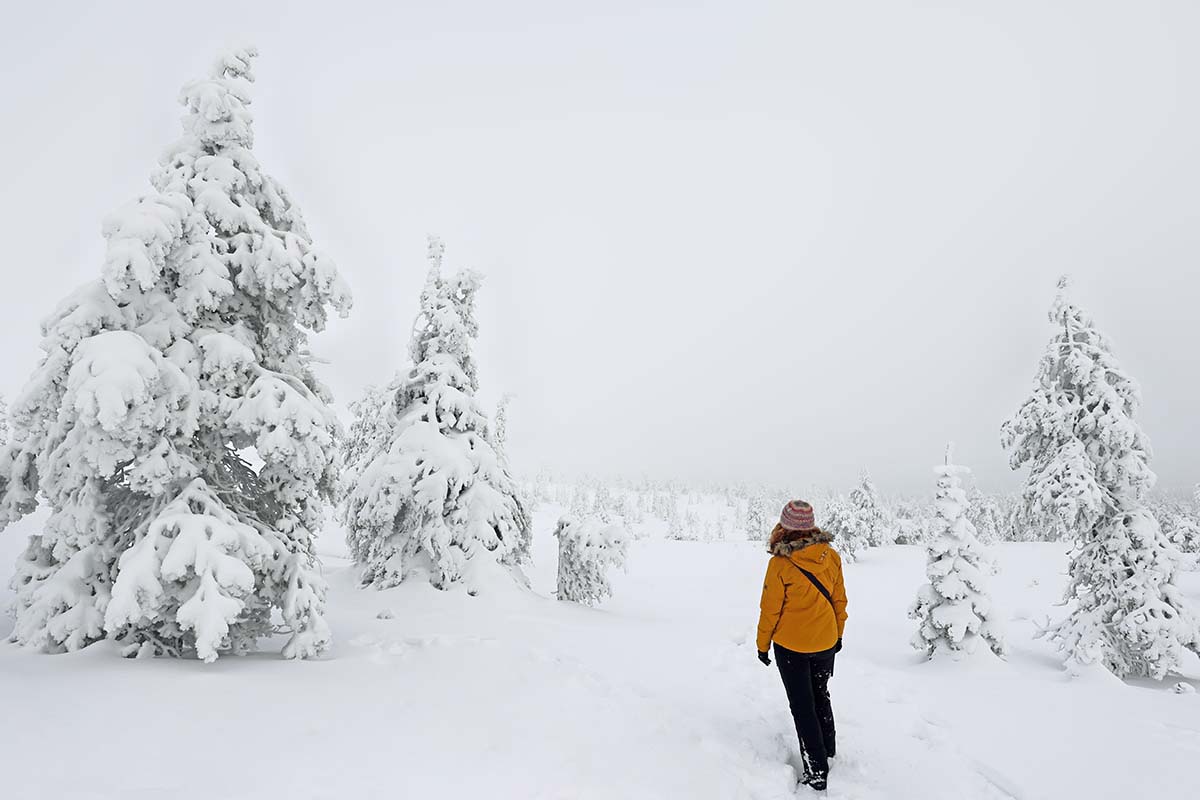
Winter in Lapland looks very different depending on the month. December has the strongest Christmas feel, but it’s also the darkest, most crowded, and most expensive time to visit. If that’s the atmosphere you want, book early and prepare for peak-season prices.
Traveling in November – early December is a lot cheaper, so many people get tempted to book an early winter trip. Just keep in mind that snow conditions can be very unreliable! You might get lucky with fresh snow, but it’s just as likely to be wet, grey, and completely snow-free. Many winter activities also don’t run yet if there isn’t enough snow.
January and February are colder but usually offer the best snow conditions. This is the best time for winter activities, and the landscape looks exactly the way most people imagine Lapland. Plus, it’s usually cheaper and quieter than school holiday periods.
If you prefer longer days and milder temperatures, March is a great choice and often has excellent aurora conditions. That said, late March can be too warm already, with more chance for rain that melts the snow and turns streets and pavements into an ice skating rink.
We visited Rovaniemi in early March, and I strongly believe it’s one of the best times to visit, together with late February, mainly because of longer daylight hours, milder temperatures, and fewer tourists.
2. Check daylight hours
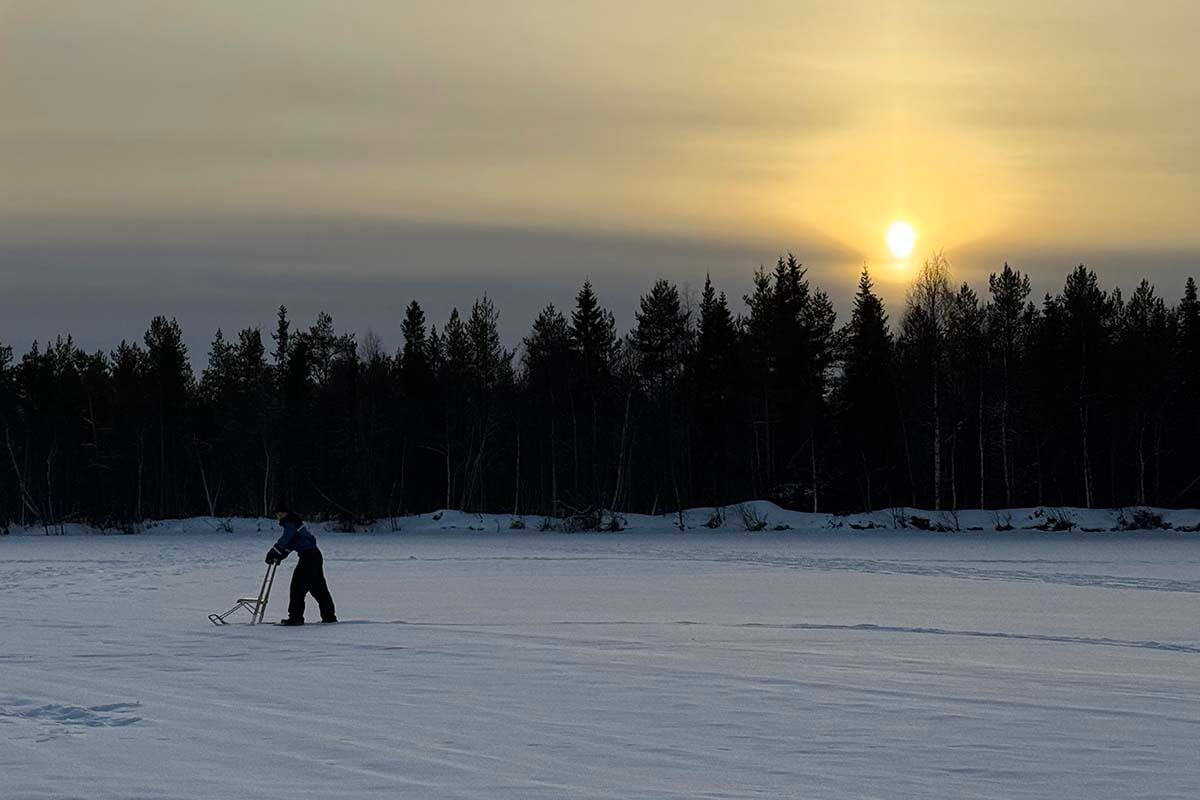
Daylight is extremely limited in Lapland in December, and the further north you go, the less daylight there is. If you are visiting Rovaniemi around Christmas and New Year, expect just about two to three hours of daylight. Levi and Saariselkä are even further north, and the sun doesn’t rise at all for much of December. Activities still run normally, but most of your trip will be spent in twilight or full darkness.
January is still quite dark, but by the end of the month, you can already expect about 5-6 hours of daylight. By the end of February – early March, there’s enough daylight to enjoy all the winter activities to the fullest.
TIP: If natural light is important to you, plan a trip between late January and early March. Days are longer, it’s easier to fit more into your itinerary, and taking photos and videos is much simpler.
Good to know: You can enjoy many destinations in Lapland even with very limited daylight. You just need to know what to expect and plan your days around it! I once heard a friend say they spent thousands of euros only to end up sitting in their hotel room during a Christmas trip to Lapland. They didn’t realize how dark (and cold) it would be, and hadn’t researched how to make the most of the short twilight hours.
3. Be prepared for extreme cold and wind chill
Winter temperatures in Lapland often range from –5°C to –25°C (23 to –13°F), with some days dropping even lower. Rovaniemi is on the milder end of this range, while destinations further north – like Levi, Saariselkä, or Inari – tend to be colder. On top of that, wind chill can make it feel much colder than the forecast, especially during outdoor activities like snowmobiling or husky tours.
While you cannot predict the weather or how cold it will be, you can prepare and plan your clothing with this in mind. Protect your face, hands, and feet, and dress as if it will be colder than predicted. Good preparation makes outdoor activities much more enjoyable.
Here’s what you need:
- Base layer: Choose moisture-wicking thermal tops and leggings to keep you dry and warm (merino wool is best!). Avoid cotton because it traps moisture and makes you cold.
- Mid-layer: Fleece or wool pullovers. Plan on wearing a few of these layers!
- Outer layer: Bring a proper winter jacket that’s insulated, windproof, and waterproof, plus snow pants.
- Footwear: Wear insulated, quality winter boots with a solid grip (Sorel Caribou are locals’ favorites). Ice cleats are also very helpful on slippery paths.
- Accessories: Pack warm gloves, thin liner gloves, a buff or scarf, a hat, and wool socks. Rechargeable hand warmers and foot warmers are great to have in your pockets or boots.
- Personal care: Face cream and hand cream are essential in the dry cold. I also use a bit of vaseline under the nose and on the lips – it protects your skin better than anything else.
Good to know: If you’re joining organized activities, most companies provide full thermal suits, boots, and gloves – but only for the duration of the tour. Some resorts also offer winter equipment to their guests. For example, at Apukka Resort, where we stayed, they provide everything from warm socks and boots to winter overalls and mittens for the entire stay.
TIP: You can also rent winter clothing in Rovaniemi, in Saariselkä, and in Levi, so you don’t need to invest in expensive Arctic clothing, but you still need good base layers and accessories.
READ ALSO: Best Winter Boots for Travel
4. Use the thermal gear provided by tours
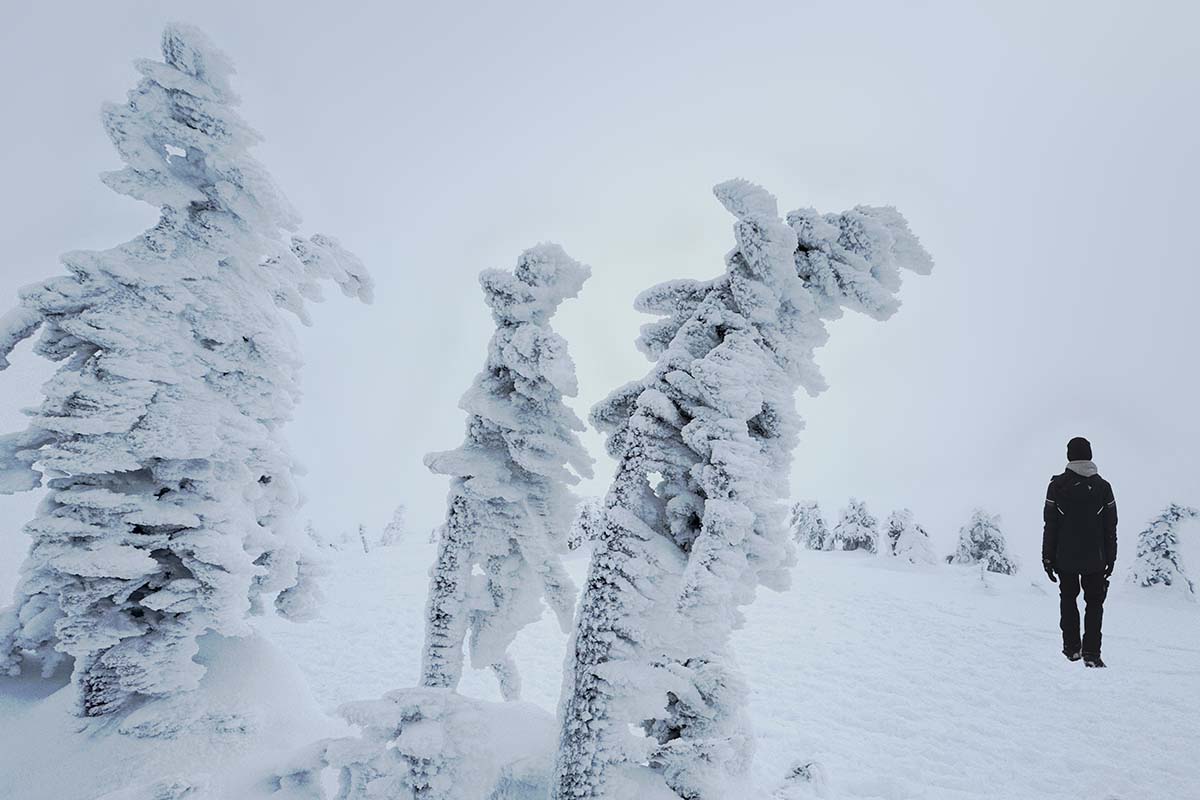
As already mentioned, most tours in Lapland provide thermal suits and boots. Some even provide gloves and wool socks. These thermal outfits are designed for long hours outside in Arctic conditions, and offer much better protection against wind and cold than your regular winter clothing or ski gear.
They also help keep your own clothes clean. Husky and reindeer tours often leave you covered in animal hair, and many outdoor activities include a campfire break, so your jacket would pick up plenty of smoke as well. Wearing the provided gear saves your clothes from both the smell and the mess.
Even if the gear feels a bit bulky or looks funny, use everything they give you. You’ll stay warmer, drier, and more comfortable, and will be able to enjoy all the winter activities to the fullest.
5. Book your accommodation early
Winter is peak season in Lapland, and good accommodations sell out fast (and not only during school holidays). Prices also climb the closer you get to your travel dates. Last-minute bargains are rare, and you’re far more likely to end up paying too much for a place that’s far from perfect.
If you want the best location, specific room types, family cabins, or glass igloos, book as early as you can. I checked hotel availability and prices before booking our flights, and I recommend doing the same, especially if you’re traveling during school breaks.
Good to know: The end of December through early January is the busiest time. Hotels – especially those around Santa Claus Village in Rovaniemi – often sell out by summer, and some even a year in advance.
TIP: Be sure to read the next few tips before booking your accommodation!
6. Choose the right area in Lapland for your trip
Lapland is a big region, and the main destinations offer some different experiences. Here are the most popular destinations:
Rovaniemi is the easiest place to reach and has the widest range of activities, Santa Claus Village, and plenty of family-friendly options. It’s perfect for first-time visitors who want variety without long travel times.
Levi (the resort area built around the village of Sirkka) is the best choice if you want skiing in addition to the classic Lapland activities. It has a proper ski resort feel with good restaurants, many accommodations, and lots of winter activities. It’s great for active travelers who are looking for a slightly less touristy atmosphere than in Rovaniemi. Check out the tours offered in Sirkka/Levi to get a better idea of what you can expect.
Saariselkä is quieter and more remote, with beautiful landscapes, great cross-country skiing, winter hiking, and excellent Northern Lights visibility thanks to darker skies. It’s best for travelers who want a calmer atmosphere and more nature-focused activities.
Each destination has something unique, so choose based on what you want to do, and don’t forget to check the best transportation options to get there. We chose Rovaniemi for our first Lapland trip simply because it’s the easiest place to reach and has the most facilities, plus, it’s the official home of Santa Claus! We also met travelers who split their visit between Rovaniemi and Levi, spending a few days in each.
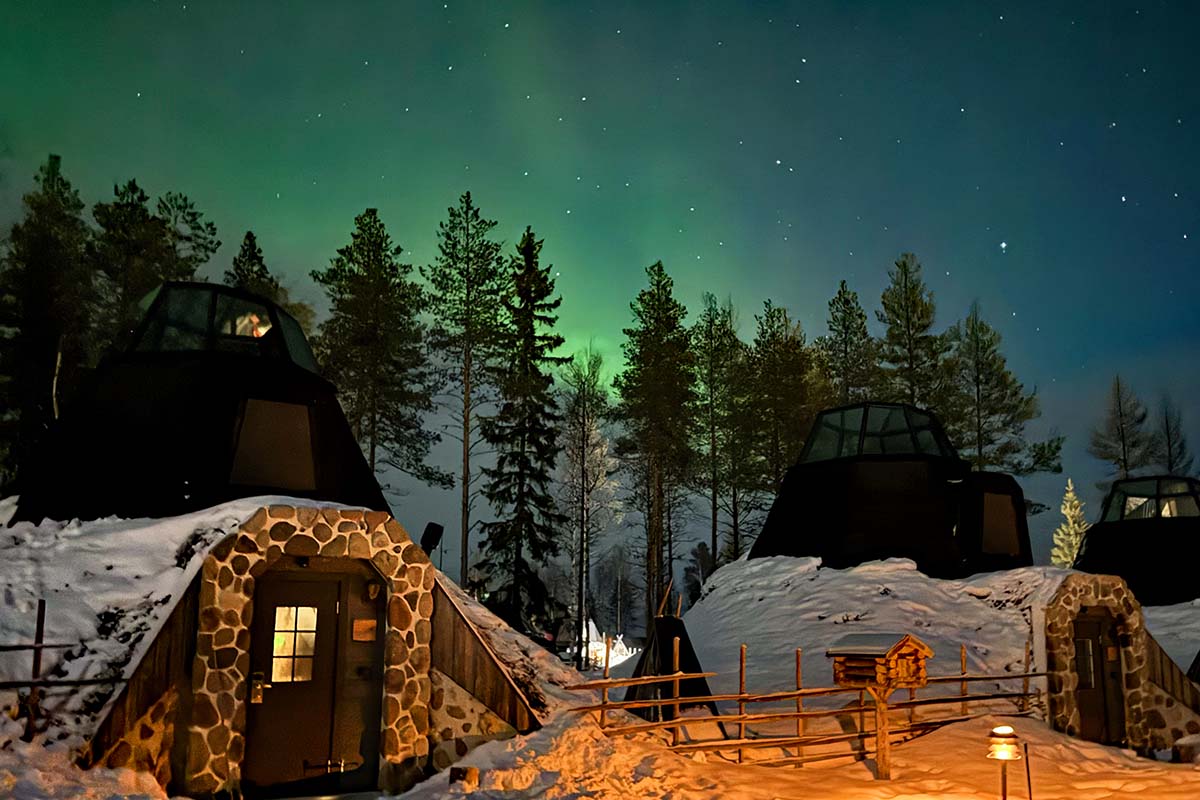
7. Choose the location of your accommodation wisely
The location of your accommodation will have a big influence on your winter trip, so think about what’s important to you and what you want to prioritize.
The city centers are best for restaurants, shops, and more affordable accommodations. Remote cabins outside towns offer peace, quiet, and better chances for seeing the Northern Lights, but you might be completely self-reliant for food and transport. There are also wonderful (and often very pricey) resorts in quiet locations where you have all the facilities, restaurants, and tons of activities at your doorstep.
TIP: The Santa Claus Village in Rovaniemi is ideal for families who want that Christmas atmosphere and plenty to do within walking distance.
Each area/type of accommodation suits a different style of trip and budget, so plan according to your priorities. For more details and practical examples, please see our complete guide on where to stay in Rovaniemi.
8. Book your trip yourself instead of using a travel agent
Many Lapland packages sold by travel agents look convenient, but they’re usually much more expensive than booking everything on your own. In my experience, you can often save a few thousand euros on a family trip by planning it on your own.
When you plan the trip yourself, you see the exact breakdown of where your money goes and can choose accommodations, activities, and transport options that actually fit your plans and budget.
Booking directly also allows you to compare reviews, choose the best providers, avoid overpriced add-ons, and replace costly options with cheaper (and sometimes better) alternatives. You also avoid situations where a travel agent books you into a hotel far from everything or schedules activities at the wrong time of day.
It takes a bit more effort, but you usually get a better trip for less money. Plus, you know exactly what to expect when you arrive and can adjust your plans on the go if needed.
Not sure where to start? Check out our Rovaniemi winter itinerary for a detailed plan and tips based on our trip.
9. Know what to expect from glass igloos
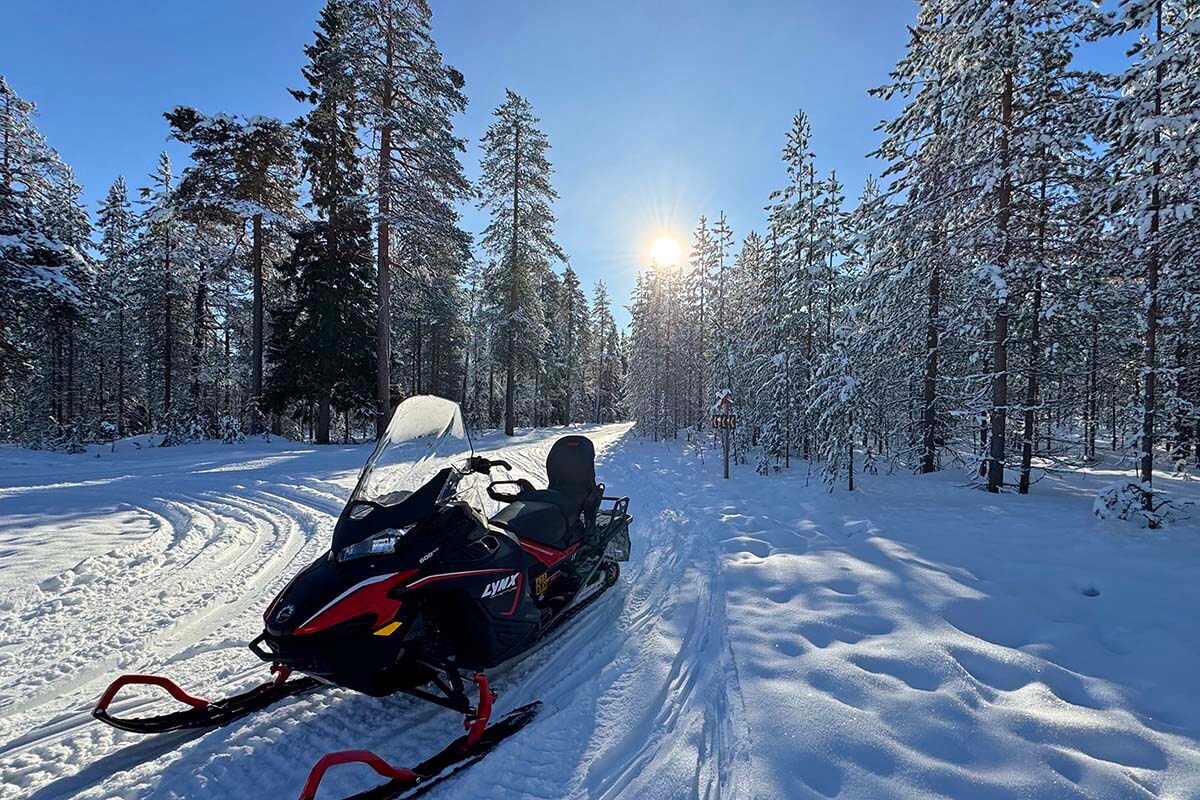
Glass igloos offer memorable stays, but simply staying in an igloo doesn’t guarantee aurora views. You still need clear skies, some luck, and persistence. Plus, igloos are usually surrounded by resort lights, so you need very strong auroras to see them from inside. Another thing to keep in mind is that you have limited privacy.
That said, staying in a glass igloo is a true Arctic bucket-list experience, and if your budget allows it, I highly recommend it for at least one or two nights.
Our experience: Because of the extremely limited availability of accommodations for our travel dates, we chose two different hotels for our Rovaniemi winter trip. We spent a few nights in a glass igloo at Apukka Resort and a few nights at a hotel closer to town. This turned out to be a great way to keep the budget reasonable while still enjoying the unforgettable experience of sleeping under the stars and watching the auroras from the comfort of our beds.
10. Decide if you really need a rental car
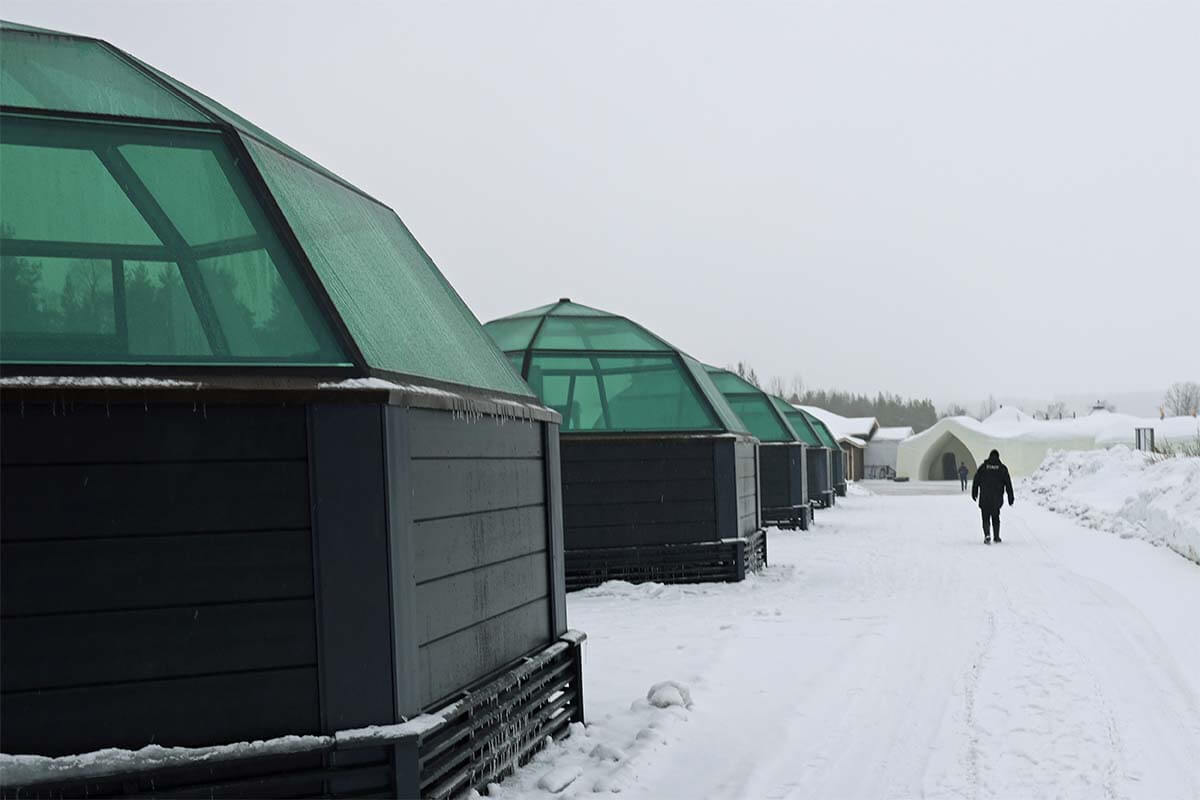
Think carefully before renting a car. Driving in Lapland in winter means dealing with snow, ice, darkness, and the occasional reindeer on the road. On top of that, rental cars are not cheap.
If you’re staying in or near Rovaniemi, you can usually rely on public transport, organized tours, taxis, rideshares, and hotel/transit shuttles. It’s easy enough to manage without a car, especially if you stay in the city center or Santa Claus Village.
A rental car can be helpful if you’re staying outside town or want more flexibility to visit places on your own. But only consider it if you have winter driving experience. If not, it’s safer and less stressful to stick with transfers and tours. Here you can book a transfer between Rovaniemi and Levi.
Good to know: Lapland Airports are small, and taxis get very busy during peak weeks. It’s worth pre-booking your airport transfer (either through your accommodation or a transfer company) or using public transport so you don’t end up waiting in the cold. Rideshare options can be limited at busy times, so be prepared for possible delays and higher prices.
Our experience: We decided to rent a car because we stayed at two different hotels in Rovaniemi, both outside the main area. We found a decent deal on Booking, and it did make some logistics easier. That said, I grew up driving on snow and ice, and even then, I only felt comfortable driving short distances close to town. For longer day trips, we booked tours instead. On one of those days, the road conditions were so bad that even our very experienced driver slid off the road on the way back from Riisitunturi National Park.

11. Book activities in advance
There are plenty of companies offering winter activities in all the top destinations in Lapland, but the most popular tours fill up fast. December and school holidays are the busiest times, but even during our trip in March, many activities were sold out days ahead.
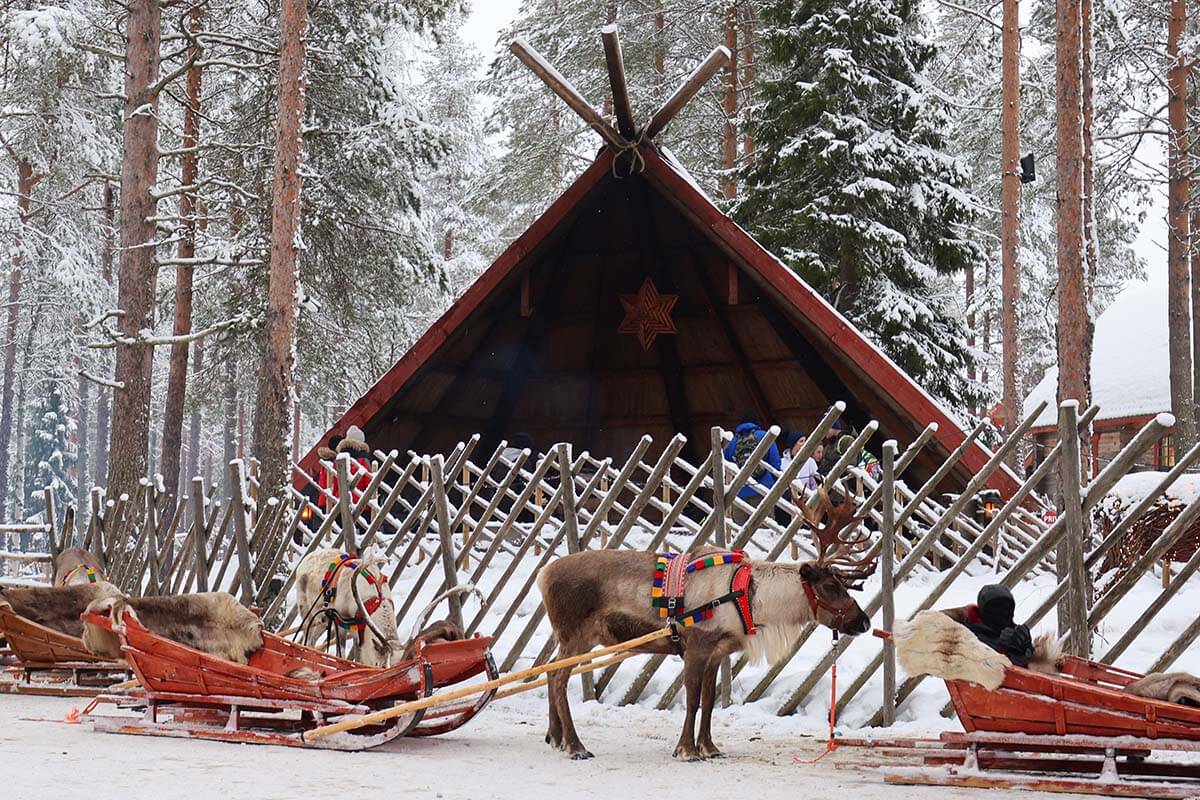
Husky safaris, reindeer rides, snowmobile tours, and aurora hunts with guaranteed sightings are usually the first to go. If you want to join any activities at Santa Claus Village in Rovaniemi – such as the Elf Hat Academy, short reindeer and husky rides, easy snowmobiling, or visiting Snowman World – book those well in advance too.
You may also want to make restaurant reservations, especially if traveling in the peak season or if there are limited options near your accommodation.
Planning your activities in advance will make your trip so much more relaxing and rewarding. You can secure the best time slots, avoid backtracking by grouping tours by location, compare prices and what’s included, and check real reviews so you know what to expect. Our guide to the best things to do in Rovaniemi is a good place to start.
READ ALSO: Tips for Husky Sledding in Rovaniemi
12. Plan a realistic schedule
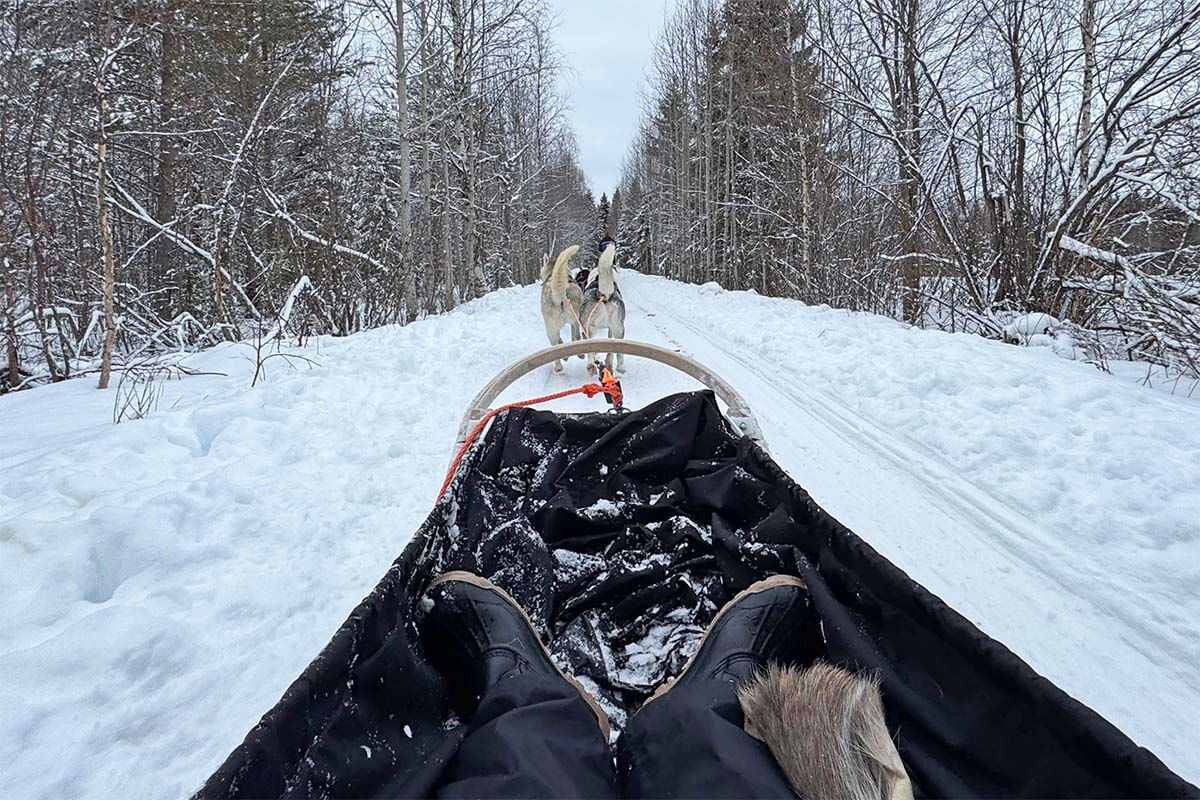
There’s a lot to see and do in Lapland in winter, and activities are spread out across different locations. Plan a schedule that considers not only the duration of each tour/activity, but also the travel time to get there and back. Keep in mind that getting ready also takes longer in winter – layering up, putting on thermal suits, and preparing any gear.
You also need to keep shorter daylight hours in mind and choose the right time of day for your activities. Try to schedule outdoor activities like husky sledding or snowmobiling when it’s light. Use the darker hours for things like a traditional sauna, museums, reindeer feeding, sledding, or aurora hunting.
It’s also a good idea to have a couple of indoor activities as backup options in case the weather forces you to change plans.
Good to know: Meeting Santa Claus (and pretty much all other activities at Santa Claus Village) can take anywhere from a few minutes to a few hours, depending on when you go. Queues are long throughout the winter season and even longer during school holidays. Try to visit Santa early in the morning, ideally before 10 AM, and book time slots in advance for any activities you want to do at Santa Claus Village (see above for more information).
TIP: Don’t overschedule, group activities by location when possible, and/or avoid booking tours too close together. Build in buffer time so you don’t have to rush if something runs a bit late. Also, try not to schedule early-evening activities after a full-day tour that takes you far outside the city. Check out our Rovaniemi winter itinerary for a realistic schedule based on our trip.
13. Take warm-up breaks during the day
Winter activities in Lapland are great fun, but even with the right clothing, the cold eventually catches up with you, especially if you’re outside for long stretches or traveling with kids. It’s important to plan short warm-up breaks during the day so no one gets overly cold or tired.
Santa Claus Village has several indoor spots where you can warm up between activities, and many hotels and attractions have cafés that are perfect for a quick hot drink. Hotel lobbies or souvenir shops can also be handy if you need a short break before heading out again.
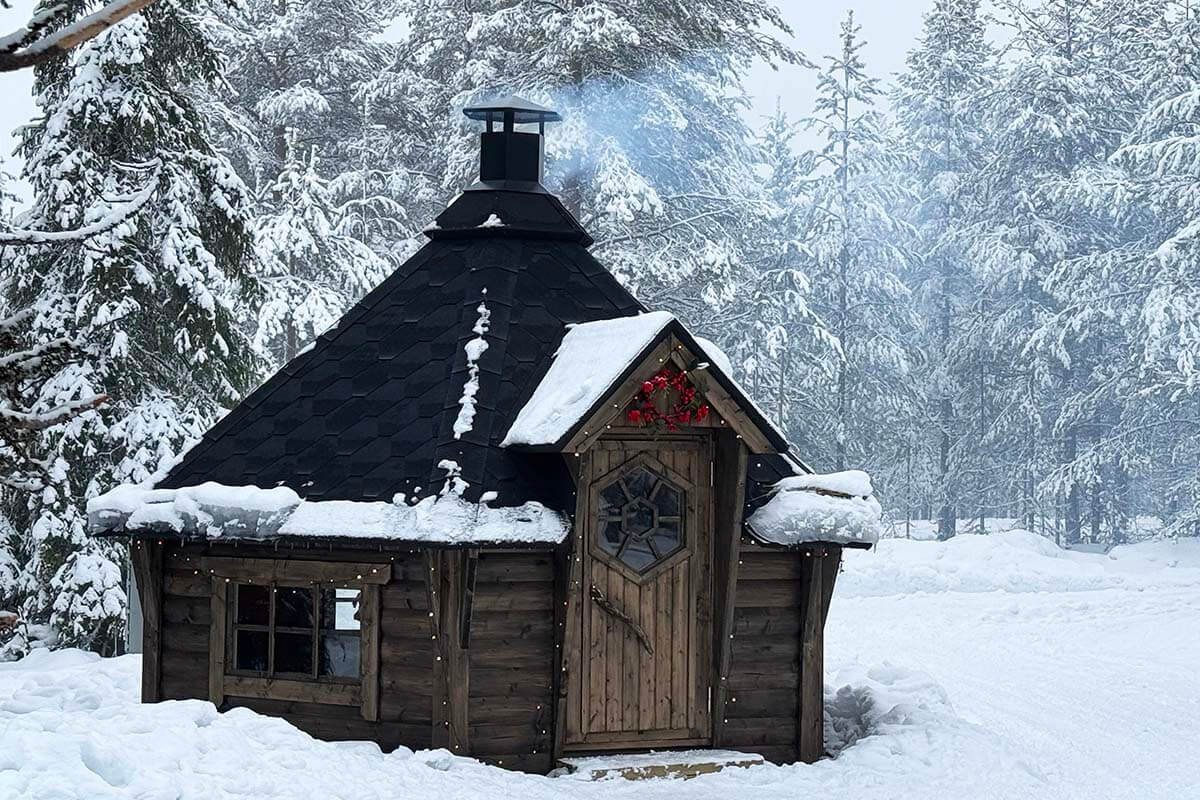
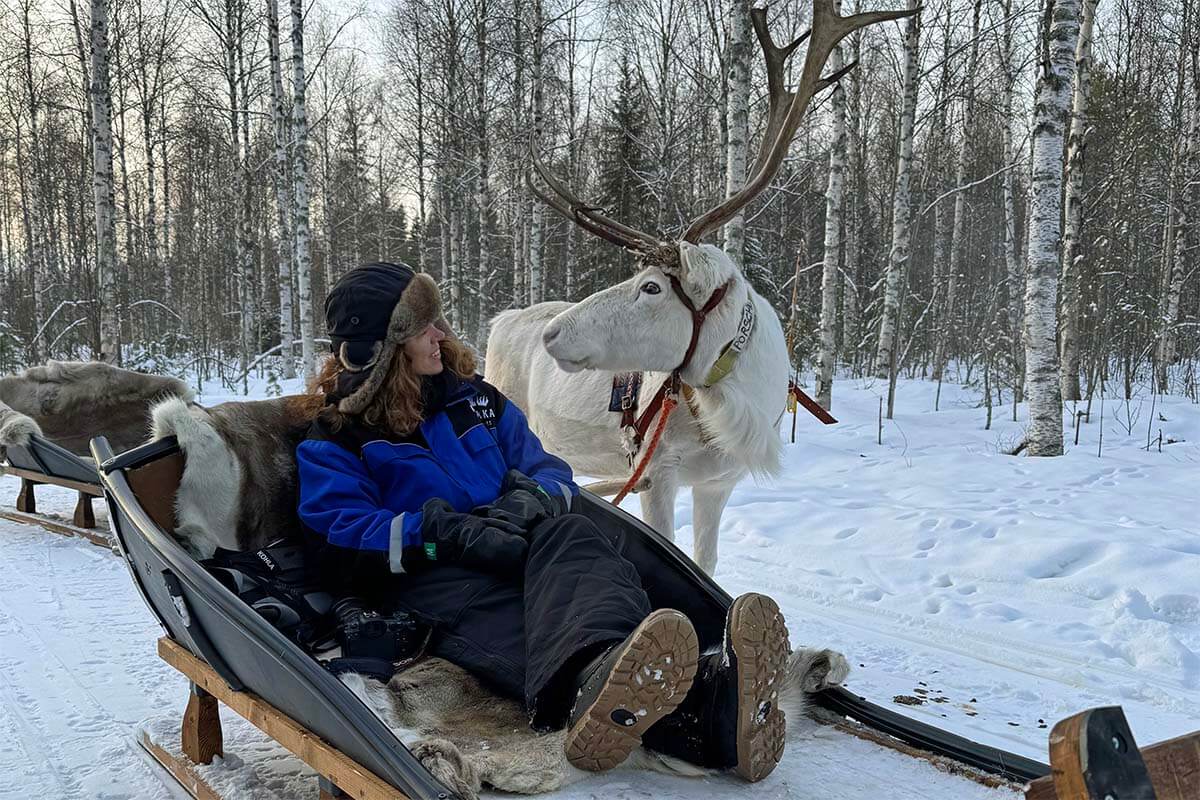
Good to know: Most organized tours include at least one warm-up stop as well. On longer day trips, we often had lunch inside a kota (a traditional wooden hut with a fire in the middle), where we grilled sausages and enjoyed warm drinks and cookies. Even shorter activities like husky rides, snowshoeing, reindeer sledding, and ice fishing usually include a quick break by the fire.
These small pauses make a big difference. They keep everyone comfortable and help you enjoy more of your day without feeling rushed or frozen.
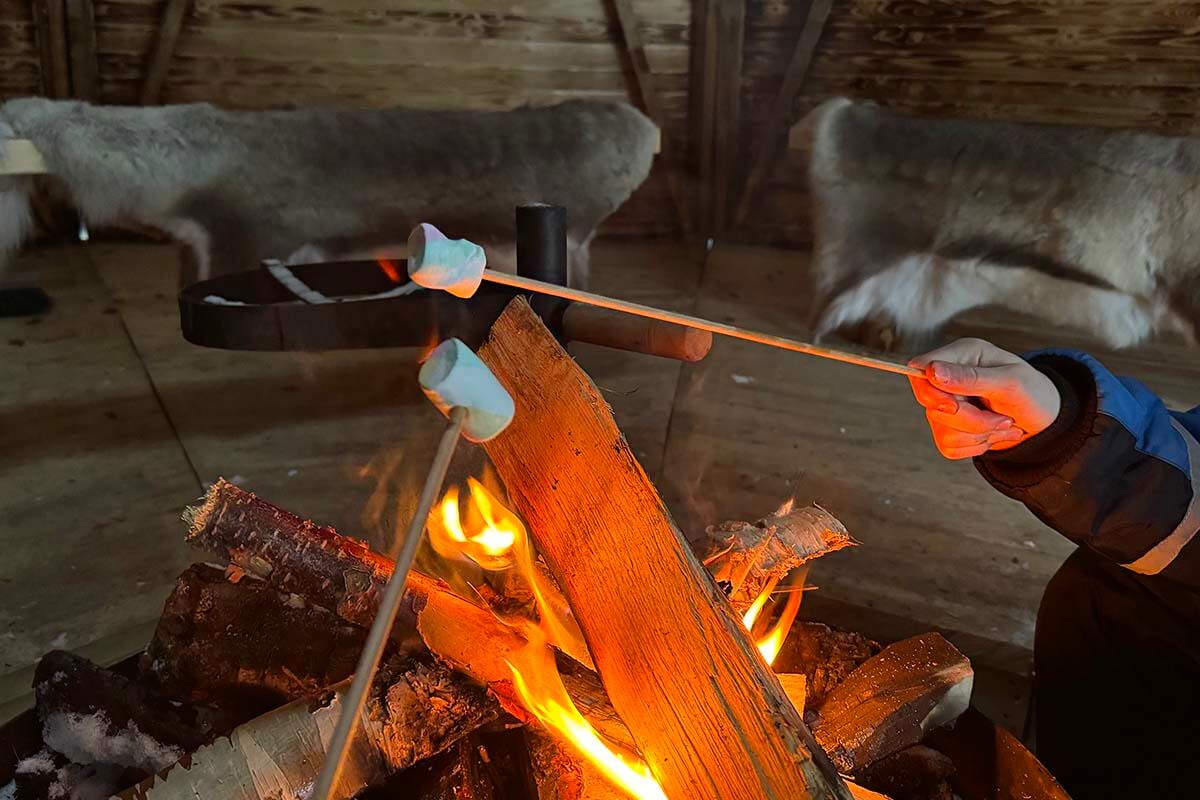
TIP: Pack a bag of marshmallows. We found countless chances to roast them by the fire during our winter trip to Rovaniemi. Most places have sticks and matches available, and some hotels or attractions even sell small marshmallow kits. It’s a simple activity that’s great for all ages, and it will make your Lapland winter trip so much more fun!
14. Set the right expectations for Northern Lights
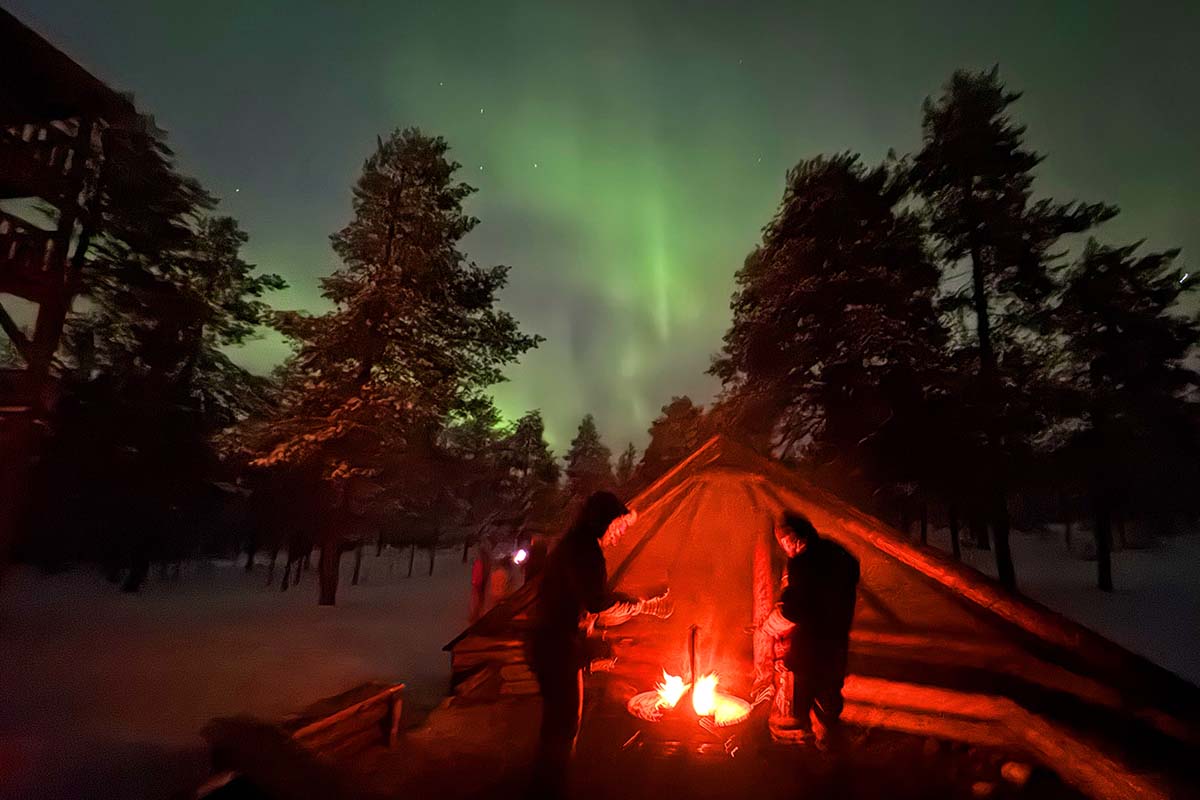
Lapland is one of the top places to see auroras in the world, and if you visit in winter, you have very good chances of seeing them. Still, the Northern Lights are a natural phenomenon and are never guaranteed. Don’t base your entire trip around them, and be sure to plan plenty of other activities so your visit is enjoyable either way.
There are a few simple ways to improve your odds. Plan at least 3-4 nights in Lapland – the longer you stay, the more opportunities you have. Use aurora forecast and alert apps, check cloud coverage, and make the effort to go outside when conditions look promising. If you’re short on time and want to increase your chances, consider joining a tour with a Northern Lights guarantee.
TIP: For more details, including recommended apps and the best places to look for auroras around the city, take a look at my full guide to the Northern Lights in Rovaniemi.
15. Bring extra batteries
Batteries drain fast in freezing temperatures, so make sure you come prepared. Bring a power bank for your phone and spare batteries for your camera if you use one.
TIP: Keep your devices and extra batteries close to your body, ideally inside an inner pocket. The warmth helps them last much longer and prevents sudden shutdowns when you’re out in the cold.
16. Know your budget
Lapland is one of the most expensive regions in Finland, and winter is the priciest time to visit. Activities, winter gear, food, and higher accommodation rates all add up quickly.
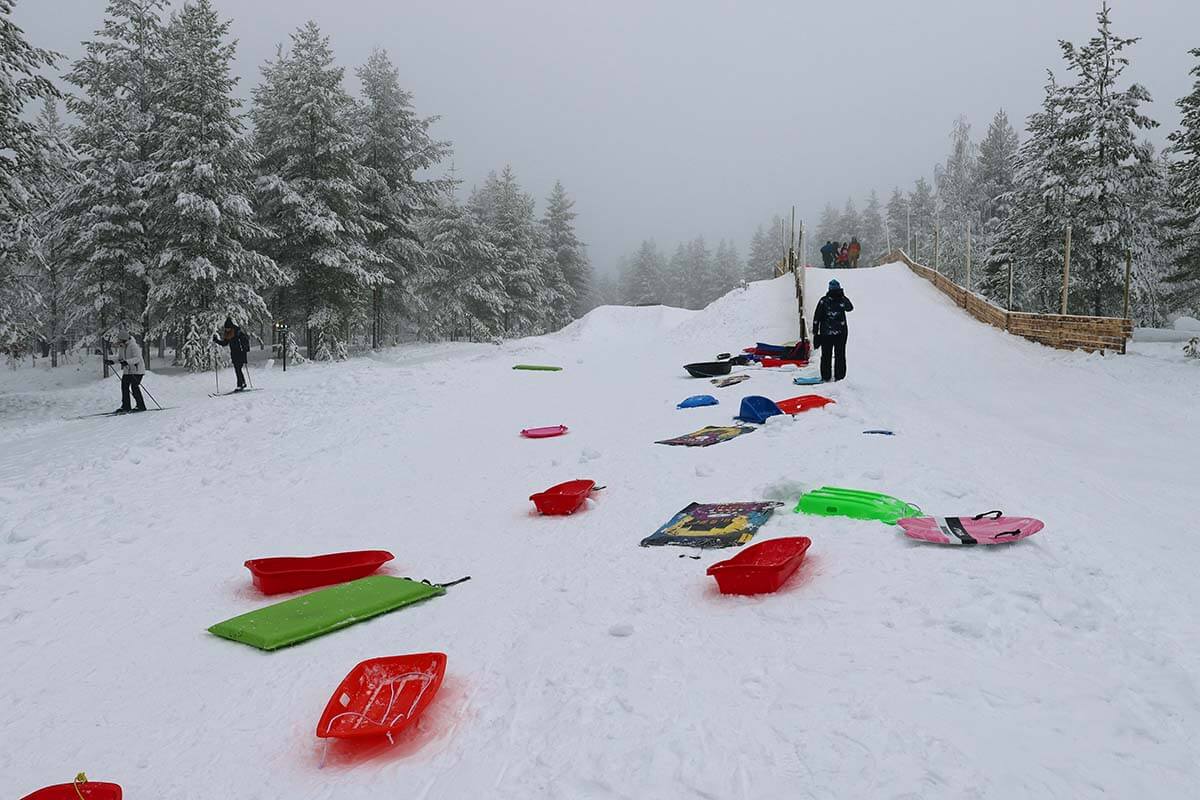
For example, most winter tours in Rovaniemi cost between 100–250 euros per person, so the total climbs fast, especially if you’re traveling as a family or planning several pricy activities a day. The good news is that there are also free or low-cost things to do, such as meeting Santa Claus, sledding hills, winter walks, and simple outdoor fun like roasting marshmallows.
Ideally, you plan one or two main activities per day and mix in free options. It keeps the budget under control and makes the trip more relaxed.
Eating out can be expensive too, especially if you’re staying outside the city center, where restaurant choices are limited. If you’re in an apartment or cabin, preparing some meals yourself can save a lot. Just check beforehand that there’s a supermarket nearby, especially if you’re not renting a car.
TIP: Create a realistic budget before booking anything so you know what to expect and can plan the trip you actually want. Start by checking flight prices, accommodation availability, and activity costs – this will give you a good idea of the biggest expenses within a few minutes.
17. Expect limited toilets during outdoor activities
Most tours only have bathroom facilities at the starting point. Once you’re out in the forest or on a frozen lake, there are no toilets. Not to mention that using one is not exactly simple when you’re wearing five layers of clothing and a one-piece thermal suit.
Make sure everyone uses the bathroom before the activity begins. It saves a lot of stress, especially with kids.
18. Don’t miss a Finnish sauna experience
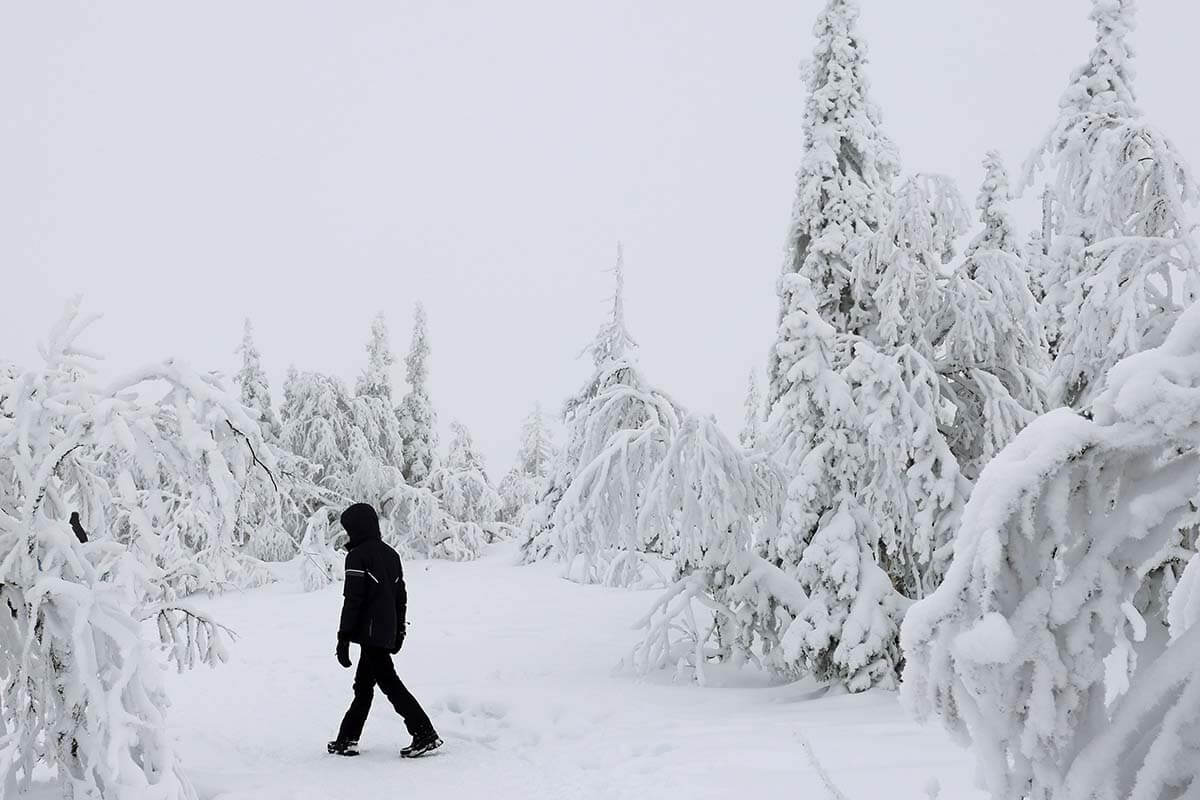
Saunas are an everyday part of Finnish life, and most hotels and cabins have either a private or shared sauna. It’s a great way to warm up after a day outdoors, and trying a traditional Finnish sauna – complete with an ice plunge in a frozen lake – is one of the classic Lapland experiences.
Good to know: Some saunas require swimwear while others don’t, and many have a few simple rules. These are usually clearly posted. In general, shower before entering and sit on a towel.
TIP: If you want to try a more traditional sauna with an ice plunge or in a unique outdoor setting, take a look at the best Rovaniemi sauna experiences.
19. Traveling during Christmas? Reserve extra early
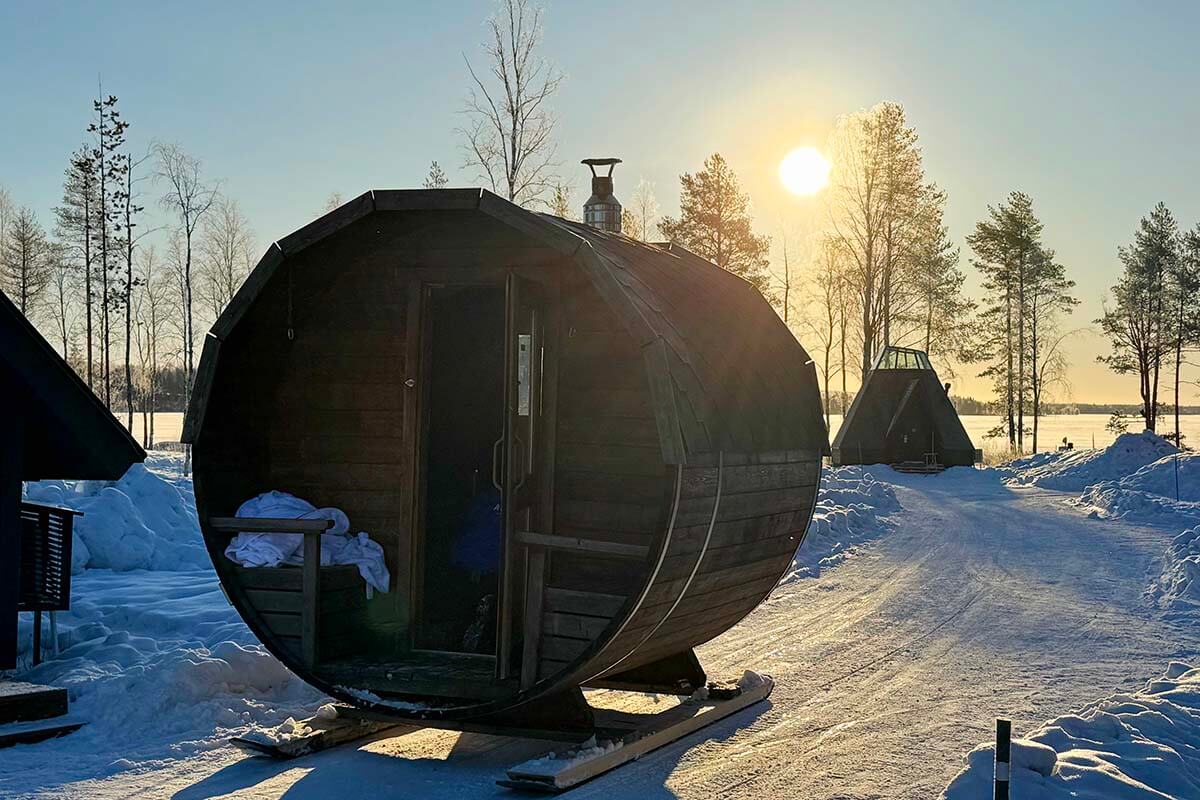
If you are visiting Lapland during Christmas and New Year, you really have to plan well ahead. The nicest accommodations book up almost a year in advance, popular activities sell out months ahead, and even restaurants book up quickly.
Make reservations ahead of time. It’s always easier to cancel than to find something last-minute.
20. Don’t worry about cash
Finland uses euros, but you hardly need any cash in Lapland. Even the smallest businesses accept cards or mobile payments, so you can skip currency exchange altogether.
PRO TIP: If you’re visiting from outside the Eurozone, always choose to pay in euros when using your credit card. Your bank will almost always offer a much better exchange rate than the one suggested by the card terminal.
Lapland is an incredible winter wonderland, and with a bit of planning, your visit will be so much more enjoyable. I hope this guide helps you avoid the common mistakes and make the most of your trip.
If you’re still planning your itinerary, deciding where to stay, or looking for the best things to do, you’ll find more helpful guides linked below. Check them out!
Our Rovaniemi Travel Guides:
- Best Things to Do in Rovaniemi
- Rovaniemi Winter Itinerary for 5 Days (with tips for longer or shorter visits)
- Dog Sledding in Rovaniemi
- Northern Lights in Rovaniemi: Best Spots, Map, Aurora Apps & Tips
- Rovaniemi in March
- Where to Stay in Rovaniemi: Best Locations, Map & Hotels
TIP: Did you find this guide helpful? Bookmark this post for later, share it with your friends, and save it to Pinterest to inspire your next trip.